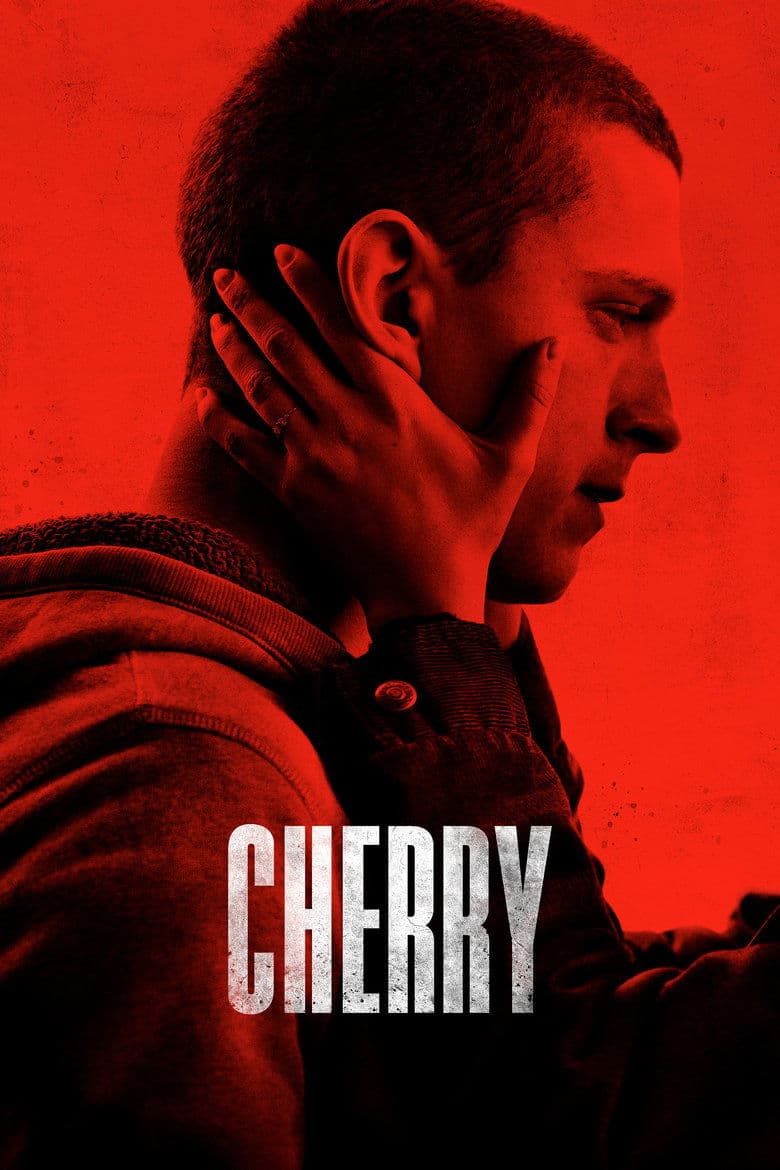
Cherry is a young college guy in Ohio who falls hard for Emily. When she almost leaves, he joins the Army as a medic and ships out to Iraq. War leaves him with deep trauma. Back home he gets hooked on pain pills, then heroin, and starts robbing banks so he and Emily can stay high. The tone is dark, messy, and heavy on love, addiction, and bad choices.
The story is about war damage, drug habit, and crime, not modern identity politics. A normal viewer mainly sees PTSD, a broken love story, and bank jobs. There is some hard talk about the Iraq war, a careless doctor handing out OxyContin, and joke bank names that poke at big banks. Those feel like anti-war and “the system failed him” beats, not race, gender, or queer activism. Casting keeps a white male lead and white love interest that match the real-life book basis. Side roles in the Army and street world are mixed in a natural way for those settings. There was no clear public fight calling this movie “woke.”
Community feedback
Was our 23% Woke rating accurate?
Breakdown
These are the editorial factors and ratings behind our score for Cherry.
Woke representation / casting
Leads are a white man and white woman, matching the book’s real-life basis. Supporting Army and crime roles include Latino, Black, and native actors. That mix fits a modern military and city crime story and does not read as a big identity showcase or race swap of famous characters.
12%
Woke political dialogue
Viewers hear grim war talk, a doctor pushing OxyContin, and joke bank names that jab at big banks. That is social and anti-war color, not race, gender, or DEI lecture lines. Identity politics talk is not central.
17%
Identity-driven story themes
The spine is love, Iraq service, PTSD, heroin, and robbery. The plot is not built around race identity, gender activism, or queer themes. A brief hint of Emily’s past hurt stays small, not a social-justice campaign.
5%
Western institutional / cultural critique
The film clearly shows war trauma, weak help for vets, and opioid over-prescribing wrecking lives, plus light bank jokes. Some viewers will feel “the system failed him.” It is classic anti-war and public-health blame, not modern activist framing about whiteness, patriarchy, or colonial guilt.
20%
Woke character or canon changes
Not relevant. It adapts Walker’s story with the same basic white veteran lead and main romance. Changes look like normal movie compression, not identity-driven race or gender swaps of known figures.
0%
Anti-woke backlash and complaints
Coverage and social talk hit mixed reviews, style over substance, and Holland’s fit for the role. No clear wave of right-leaning or anti-woke complaints that this film pushes DEI or identity politics.
0%
Creator track record context
Cached scores put the Russos in the low-30s for mild political framing of big franchise work, with Sigel and Larocca lower. For this title their public talk stayed on veterans, trauma, and opioids, not identity activism.
28%
Production
Movie · 2018
Earl Stone, a man in his eighties, is broke, alone, and facing foreclosure of his business when he is offered a job that simply requires him to drive.
Movie · 2025
Two of New York's most notorious organized crime bosses, Frank Costello and Vito Genovese, vie for control of the city's streets.
Movie · 2022
In the 1980s, a team of lawyers takes on the heads of Argentina's bloody military dictatorship in a battle against odds and a race against time.
Movie · 2017
The story of the kidnapping of 16-year-old John Paul Getty III and the desperate attempt by his devoted mother to convince his billionaire grandfather Jean Paul Getty to pay the…
Movie · 2016
A student at a private school uses his connections to establish a drug trafficking network.
Movie · 2021
The seemingly casual reunion of three old friends at an out-of-the-way repair shop masks a hidden agenda fuelled by the arrival of a privileged young yuppie.
Movie · 2016
A U.S Customs official uncovers a massive money laundering scheme involving Pablo Escobar.
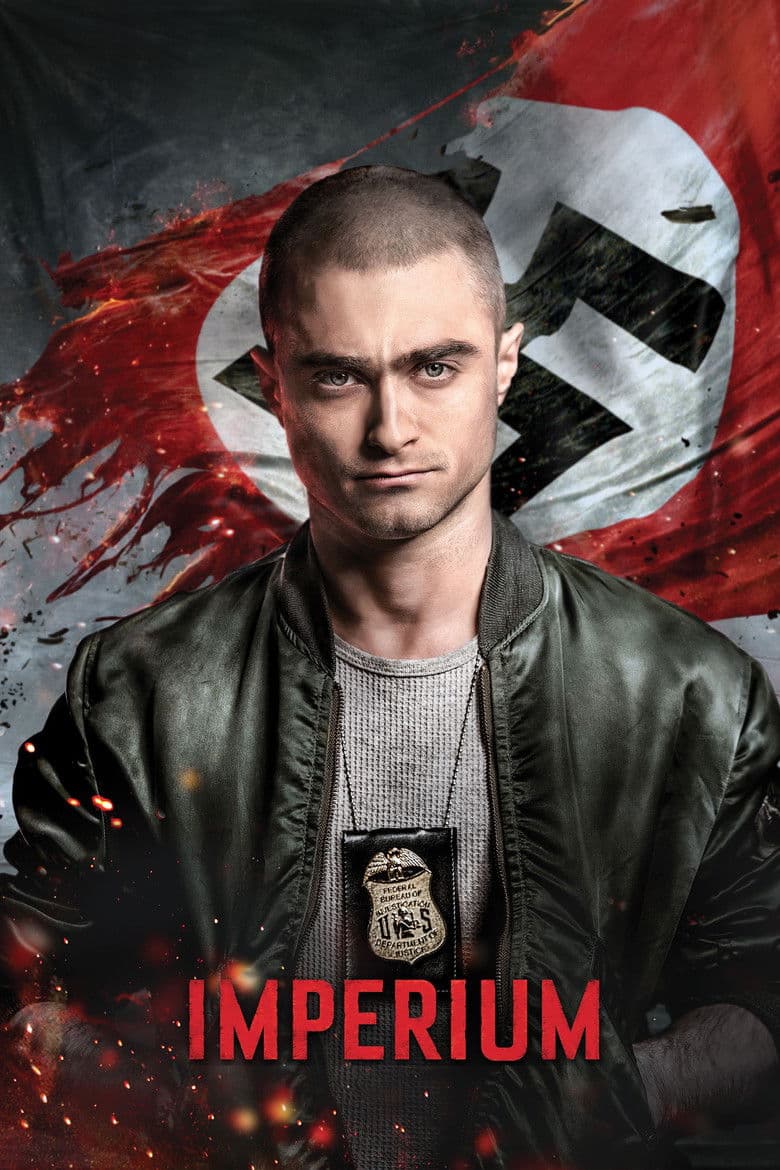
Movie · 2016
Nate Foster, a young, idealistic FBI agent, goes undercover to take down a radical white supremacy terrorist group.
