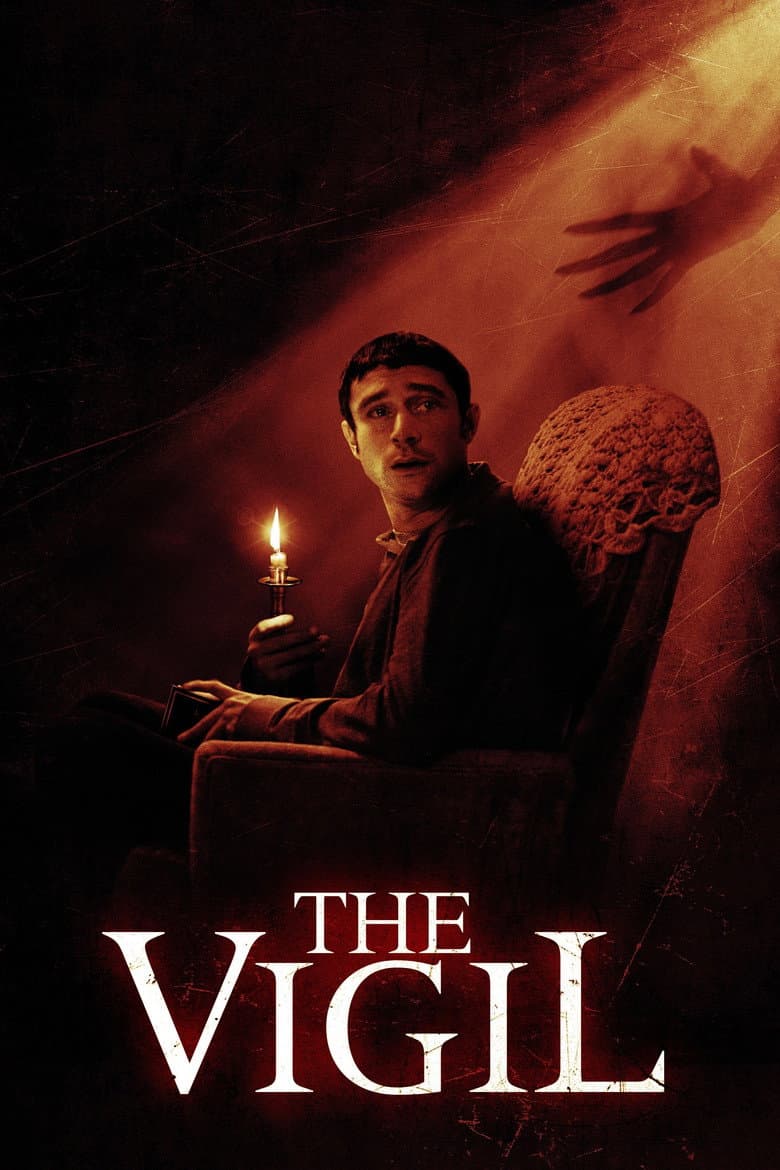
The Vigil follows Yakov Ronen, a young man who has left his strict Hasidic Jewish community in Brooklyn. He needs money, so he agrees to watch a dead Holocaust survivor until morning. The house holds a grieving widow, old religious rituals, and a violent spirit called a Mazzik. The dark, tense horror story keeps Yakov trapped between his old faith, his painful memories, and the world he is trying to enter.
Jewish identity is part of every major story turn, from the shomer duty and Hebrew prayers to the history of attacks on Jews. Yakov attends a support group for people who left the community, and the film shows that strict rules can leave people unprepared for life outside. The story treats the Mazzik as a shape for guilt, grief, and trauma passed through families. It also gives faith a real role in Yakov's survival, so the message is about facing pain and choosing how to live, not about a current political campaign.
Community feedback
Was our 11% Woke rating accurate?
Breakdown
These are the editorial factors and ratings behind our score for The Vigil.
Woke representation / casting
Not present. The prominent characters belong to the Jewish community shown in the story. The casting and interviews stress cultural fit, not a wider diversity message.
0%
Woke political dialogue
Not present. The dialogue does not push modern identity politics, DEI, or activist causes. The support-group talk is about leaving a strict religious life, finding work, and coping with trauma.
0%
Identity-driven story themes
Jewish identity shapes the whole story through the shomer ritual, Hasidic community, Hebrew prayers, and Jewish demon lore. Yakov's break from the community and the support group remain important parts of his arc. The film links Jewish history, the Holocaust, anti-Semitism, and family guilt to the horror. These are strong cultural and religious themes, but the movie does not turn them into a current DEI or identity-politics campaign.
5%
Western institutional / cultural critique
The film shows Yakov struggling to live after leaving a strict religious community. The support group talks about learning basic life skills and moving forward outside the old rules. A woman also describes unwanted attention from a man, and the group calls the behavior part of the culture. These moments give mild criticism of traditional religious control and male behavior, but the main plot is about supernatural fear and personal guilt.
9%
Woke character or canon changes
Not relevant. The Vigil is an original story and does not change an established character, canon, or historical figure for identity reasons.
0%
Anti-woke backlash and complaints
Not present. The supplied X check found no anti-woke posts, boycott talk, or review-bombing. Web and audience coverage discussed horror, Jewish ritual, and trauma rather than woke or DEI messaging.
0%
Creator track record context
The available crew history is mostly low and centers on commercial horror or Jewish cultural work. Jason Blum has made some political comments, and J.D. Lifshitz and Raphael Margules have backed films about groups that get less attention. Keith Thomas has no recorded activist pattern, and the other producers have no clear DEI record. This gives mild background context, while the film itself is not framed as activist.
24%
Production
Movie · 2021
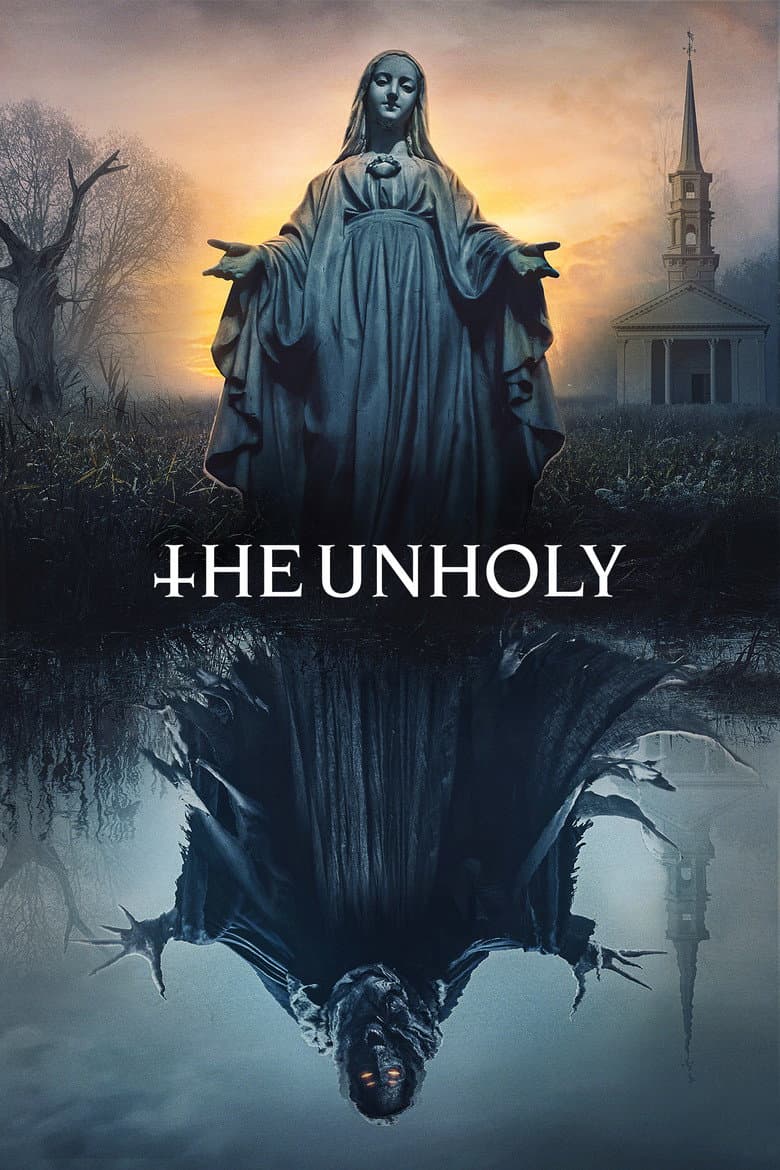
Alice is a young hearing-impaired girl who, after a supposed visitation from the Virgin Mary, is inexplicably able to hear, speak and heal the sick.
Movie · 2026
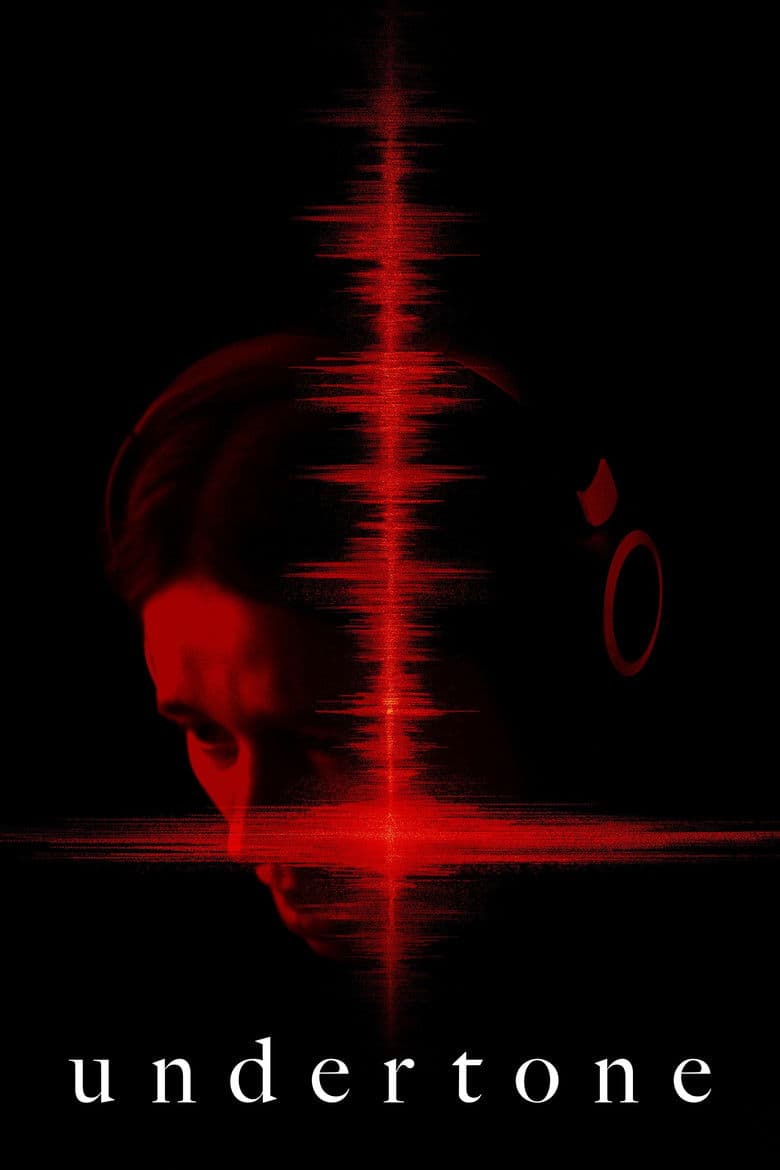
The host of a popular paranormal podcast becomes haunted by terrifying recordings mysteriously sent her way.
Movie · 2018
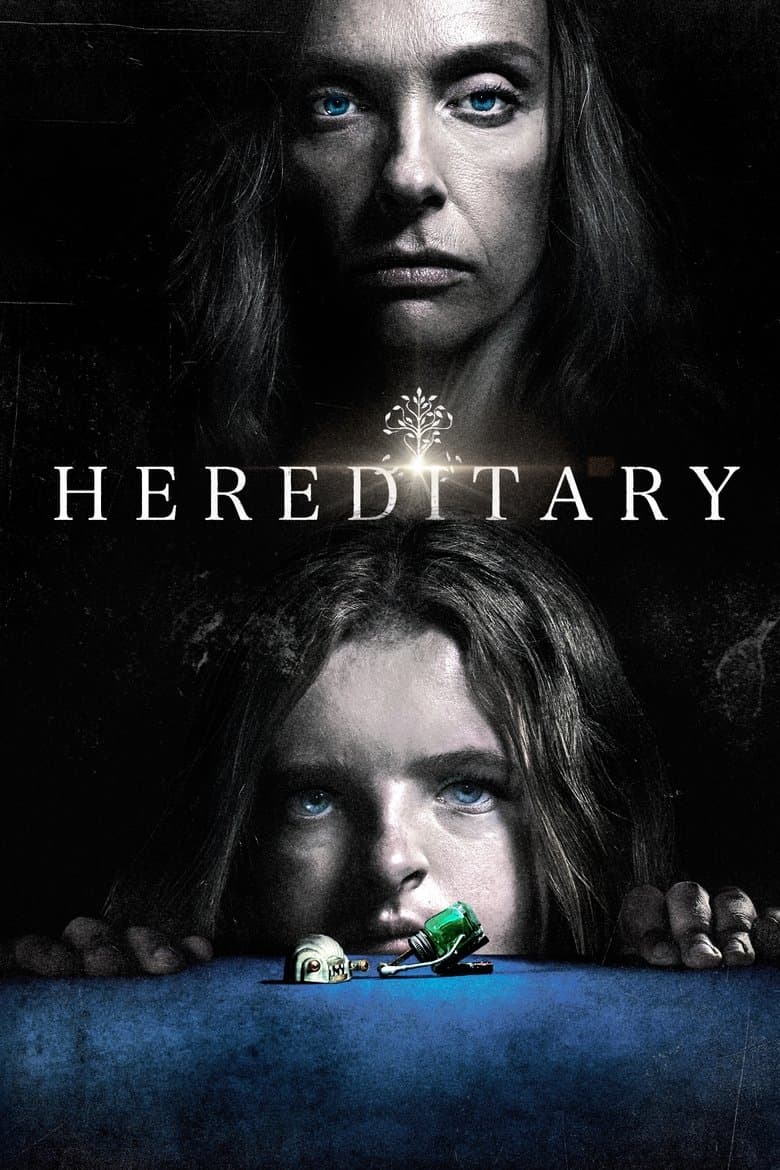
Following the death of the Leigh family matriarch, Annie and her children uncover disturbing secrets about their heritage.
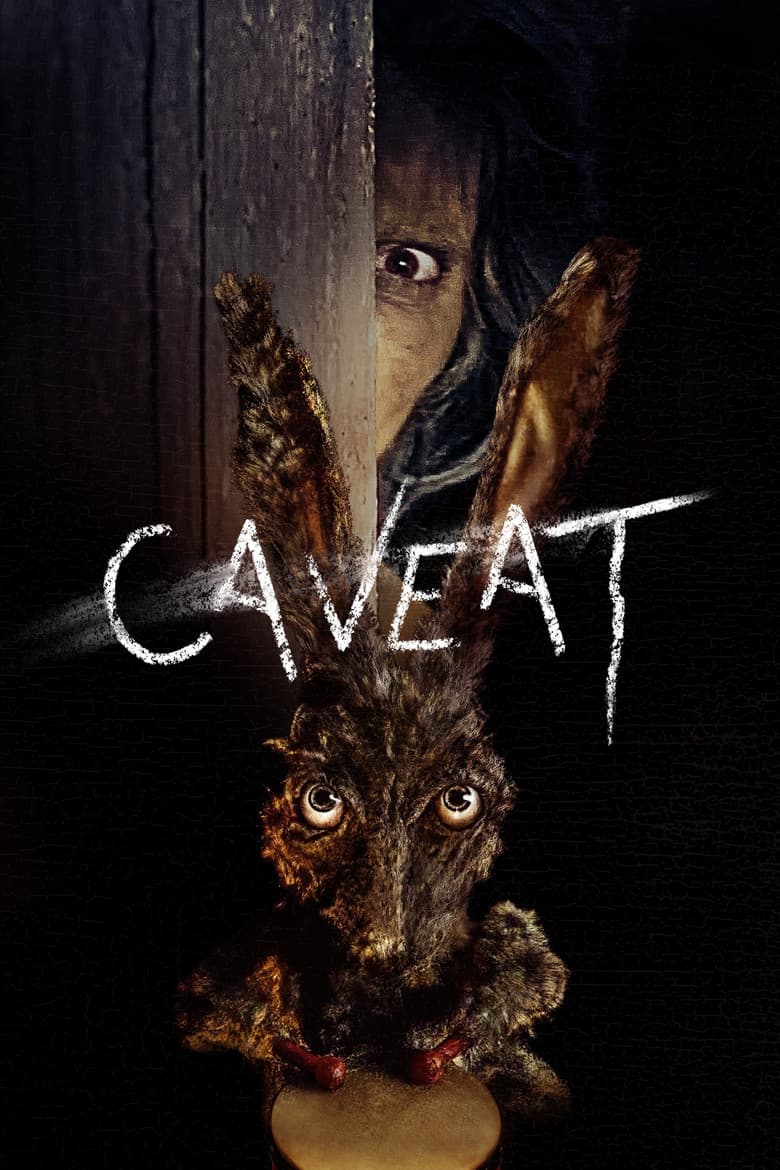
Movie · 2021
A lone drifter suffering from partial memory loss accepts a job to look after a psychologically troubled woman in an abandoned house on an isolated island.
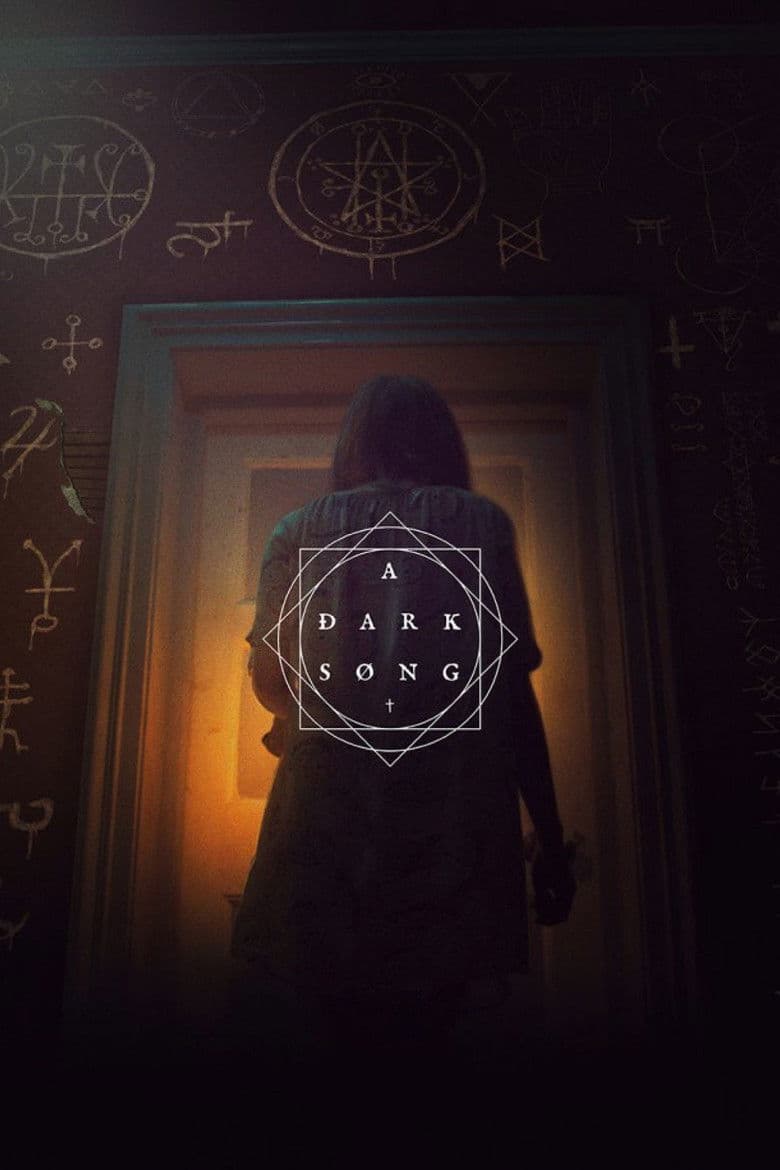
Movie · 2016
A determined young woman and a damaged occultist risk their lives and souls to perform a dangerous ritual that will grant them what they want.
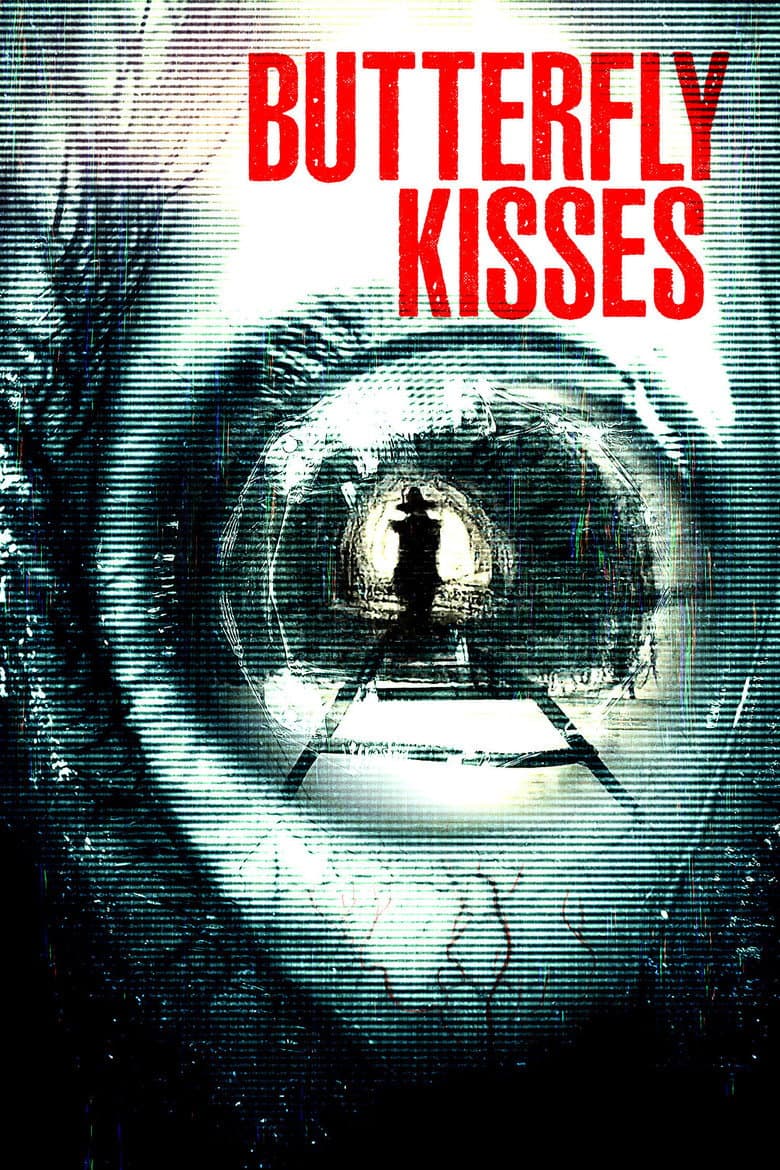
Movie · 2018
A filmmaker discovers a box of video tapes depicting two students' disturbing film project featuring a local horror legend, The Peeping Tom.
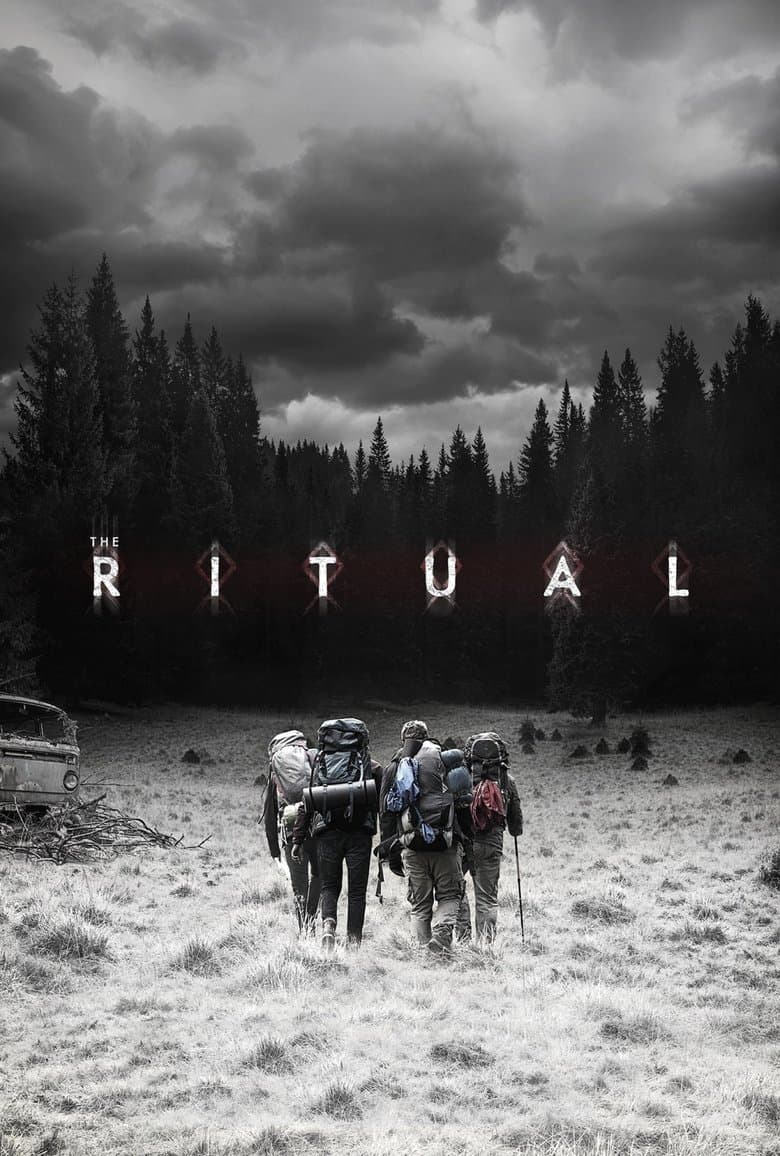
Movie · 2017
A group of college friends reunite for a trip to the forest, but encounter a menacing presence in the woods that's stalking them.
Movie · 2021
A young girl finds solace in her artist father and the ghost of her dead mother.
