Movie review
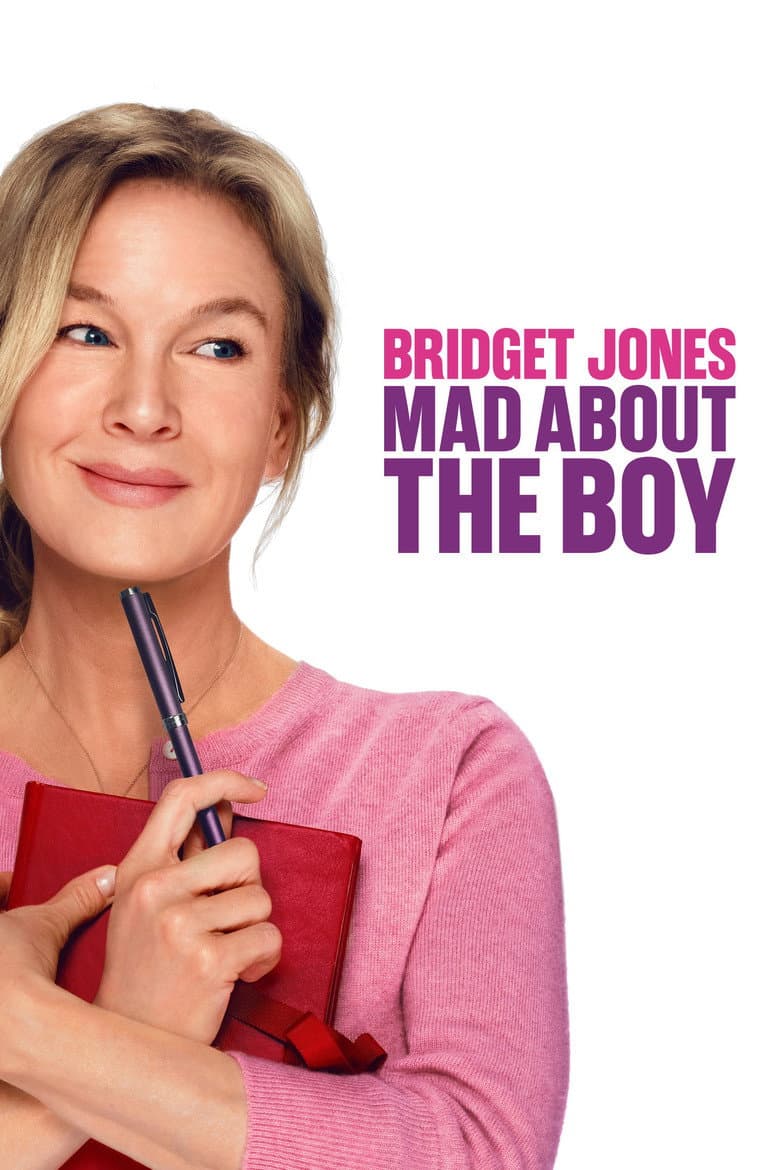
Bridget Jones is a widow in her fifties who is raising Billy and Mabel in present-day London. Four years after Mark Darcy dies on a humanitarian mission, Bridget still struggles with grief and with the work of being a single mother. Her friends push her back into dating, and she meets Roxster, a much younger park worker, while also clashing with Scott Walliker, her son's science teacher. The film mixes bedroom jokes, family scenes, workplace comedy, and sad moments about learning to live after loss.
The most visible woke material comes from the film's modern feminist view of older women, dating, and sex. Bridget's friends speak about the unfair way middle-aged single women are judged, and the film treats her desire and career as normal parts of her life. A few scenes joke about consent, age gaps, and old male behavior, while Bridget chooses the partner who fits her life instead of the younger man who first excites her. The film also places a black science teacher in the final romance and includes other black or mixed-race supporting characters, but it does not build the story around race or queer politics.
Community feedback
Was our 45% Woke rating accurate?
Breakdown
These are the editorial factors and ratings behind our score for Bridget Jones: Mad About the Boy.
Woke representation / casting
Bridget's new romantic partner, Scott Walliker, is played by black British actor Chiwetel Ejiofor, while her teenage nanny Chloe is played by Nico Parker. The film also gives Bridget other black or multiracial supporting characters in her London and school world. The choices are plausible in present-day London, and the film gives no diversity-first speech or marketing claim. The pattern still creates a mild representation signal because a black actor becomes Bridget's final romantic partner.
24%
Woke political dialogue
The film uses short but direct lines about modern sex and gender. Bridget's friends call the world sexist when older women are judged for being single. Bridget tells a male coworker that a comment about her looks is out of date at work. Roxster asks before kissing Bridget, and Bridget jokes that young men now ask. The movie uses these points as dating and workplace humor rather than as a long political speech.
27%
Identity-driven story themes
The film centers on a woman in her fifties who returns to dating after her husband's death. Bridget's story treats older female desire, single motherhood, and a woman's career as important parts of her life. She rejects the younger man when he cannot fit into her family life, then chooses a more stable relationship that matches her needs. These repeated choices give the film a clear feminist update, but the story stays personal and does not turn into a broad activist campaign.
42%
Western institutional / cultural critique
The film shows older women being judged more harshly than men for dating and staying single. Bridget's friends call out sexist treatment, and the story treats her sex life as normal instead of shameful. Bridget also pushes back when a male coworker comments on her looks, while Roxster's consent question is praised as a sign of younger manners. The film criticizes unfair gender rules in short scenes, but it does not attack family, religion, capitalism, or wider Western institutions.
28%
Woke character or canon changes
Not relevant. The film follows Helen Fielding's widowhood and dating setup. Its changes to scenes and jobs do not give an established character a new identity for a message.
0%
Anti-woke backlash and complaints
A Daily Mail headline framed the film as woke because of consent talk and Bridget rejecting male compliments. Small X accounts also called the movie liberal or DEI and objected to Bridget ending up with the Black teacher. The posts had almost no engagement, and no boycott or review-bomb drive appeared in the sample. The backlash is fringe noise rather than a major controversy.
14%
Creator track record context
Writer Abi Morgan brings the clearest feminist context through work such as Suffragette and The Split and public support for women's representation. Casting director Lucy Bevan adds a smaller diversity context through public support for screen diversity, disability representation, and gender balance. Renée Zellweger adds mild feminist and LGBTQ ally context through her public profile. Dan Mazer, Helen Fielding, and Michael Morris have lower or less activist profiles. The mixed team gives the title a moderate creator track record signal, not a strongly activist one.
40%
Production
Movie · 2024
Fran likes to think about dying. It brings sensation to her quiet life. When she makes the new guy at work laugh, it leads to more: a date, a slice of pie, a conversation, a…
Movie · 2023
A novelist's longstanding marriage is suddenly upended when she overhears her husband giving his honest reaction to her latest book.

Movie · 2023
The dramatic comedy is based on the true story of writer and pinball wizard Roger Sharpe, chronicling his journey to overturn New York City’s 35-year ban on pinball.
Movie · 2017
After the early death of his wife, a mourning father moves with his teenage son across the country for a private school teaching job.
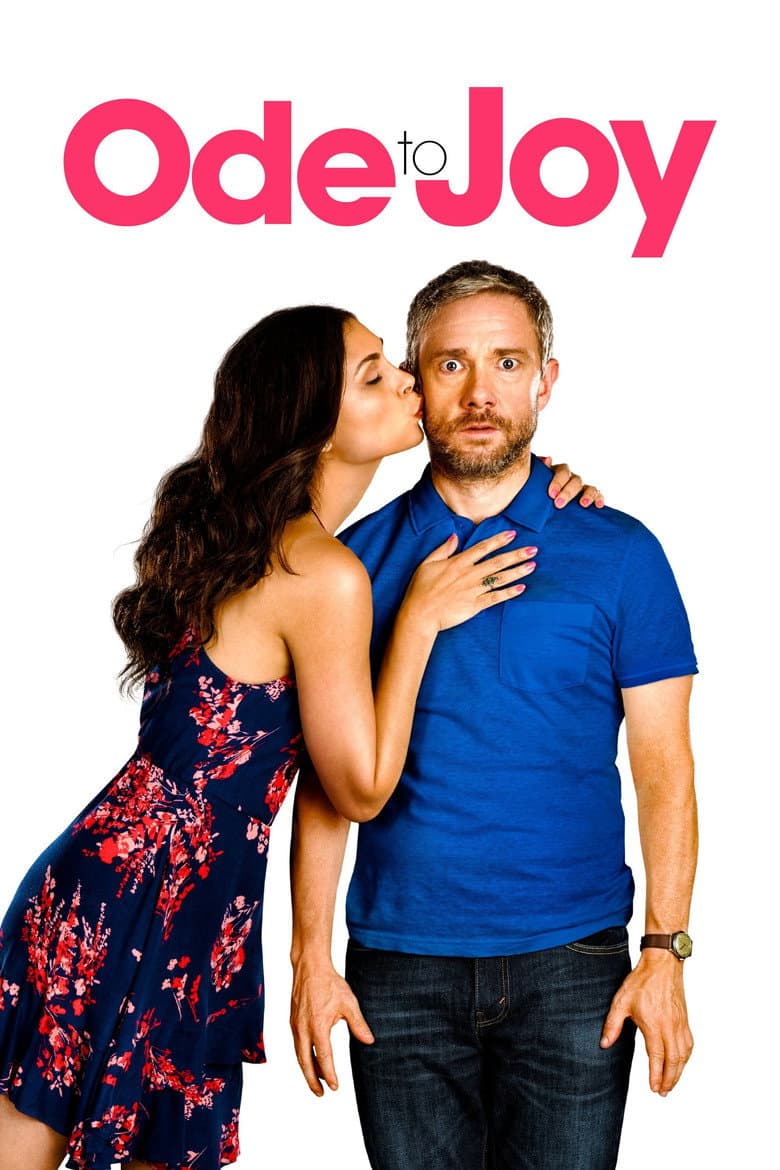
Movie · 2019
Charlie suffers from a serious disease that causes acute narcolepsy whenever he is happy. Although he develops a variety of techniques to deny himself pleasure and deal with his…
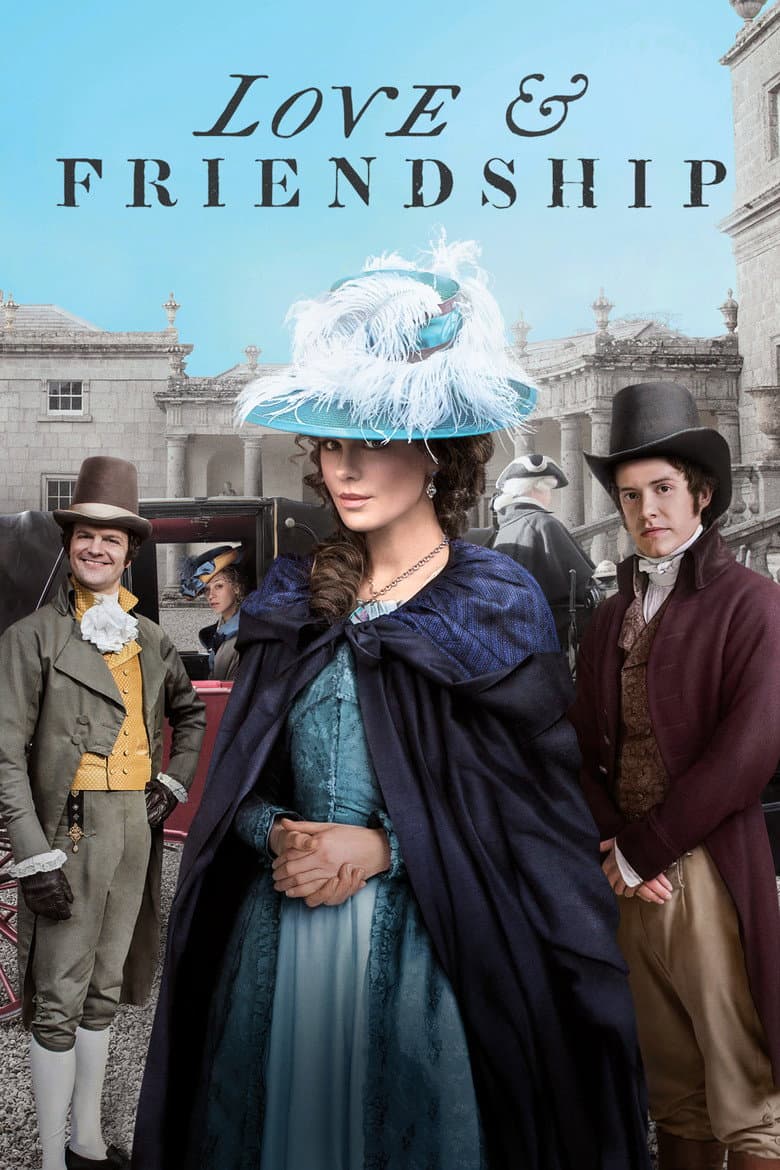
Movie · 2016
From Jane Austen’s novella, the beautiful and cunning Lady Susan Vernon visits the estate of her in-laws to wait out colorful rumors of her dalliances and to find husbands for…
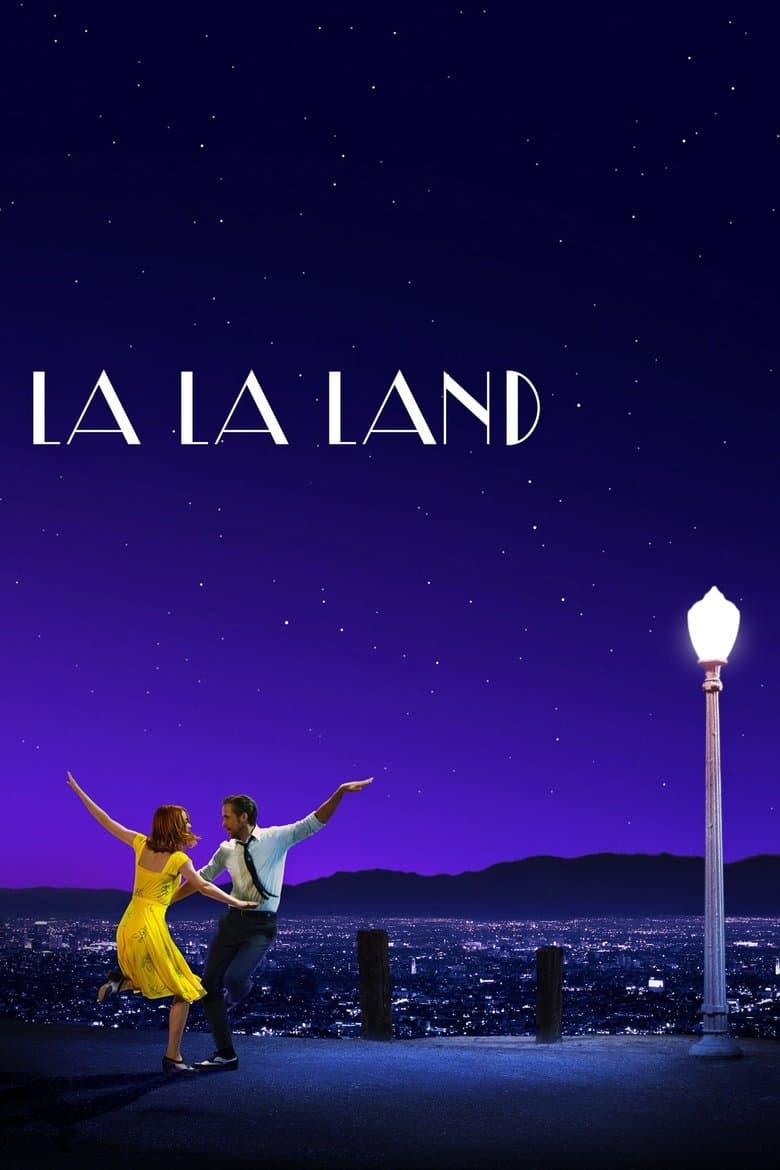
Movie · 2016
Mia, an aspiring actress, serves lattes to movie stars in between auditions and Sebastian, a jazz musician, scrapes by playing cocktail party gigs in dingy bars, but as success…
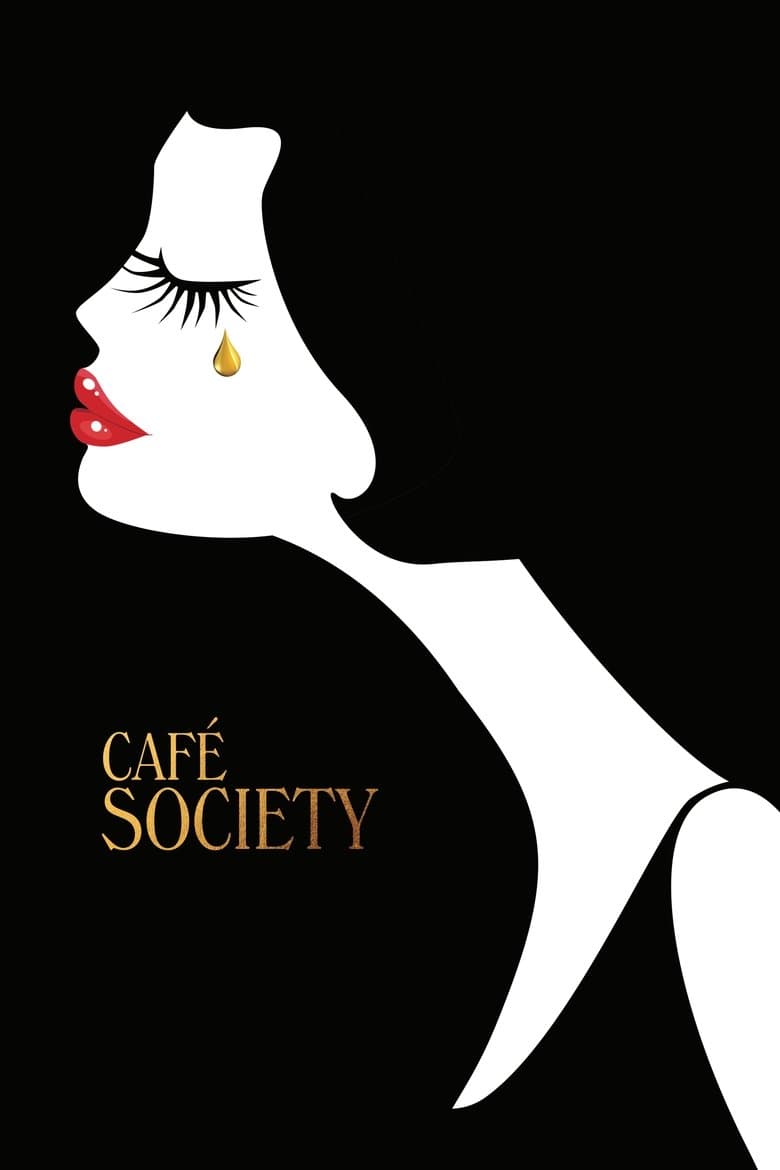
Movie · 2016
The story of a young man who arrives in Hollywood during the 1930s hoping to work in the film industry, falls in love, and finds himself swept up in the vibrant café society that…
