Movie review
September 8, 2022 · 168 min · PG-13 · Hindi · Fantasy · Action · Adventure
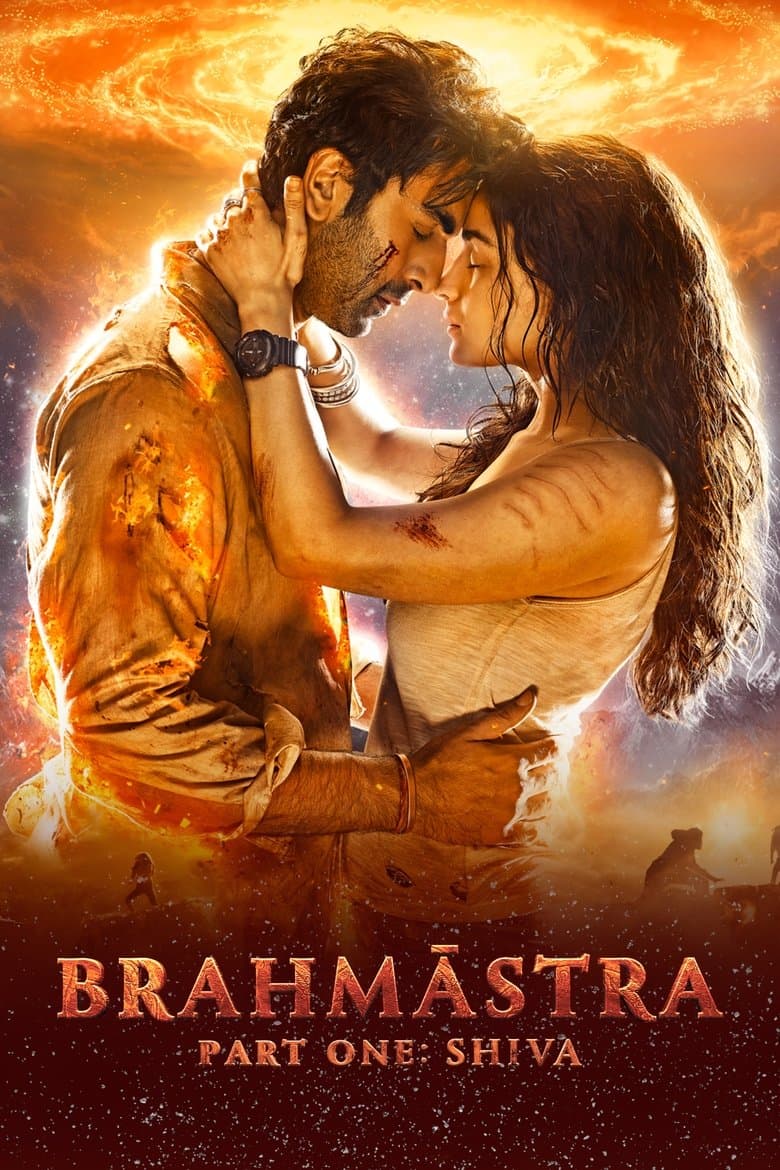
Brahmāstra Part One: Shiva follows Shiva, a carefree DJ and orphan in modern Mumbai. He falls quickly for Isha during a Durga Puja celebration, but visions of fire and murder pull them into a hidden world of magical weapons. The Brahmānsh, a secret group trained by sages, has split the deadly Brahmāstra into three parts and guards them across modern India. Shiva must learn to control his fire power before Junoon gathers the pieces to bring back the dangerous Dev and destroy the world.
The film gives a few modern gender-role messages through the romance. Isha changes Shiva’s words from “my responsibility” to “our responsibility,” and Shiva says he could take his wife’s surname because he has no known father. She is bold and willing to join the danger, while his love for her helps him reach his full power. These moments are brief and secondary to the myth-based fight between light and darkness, loyalty and selfish ambition.
Community feedback
Was our 35% Woke rating accurate?
Breakdown
These are the editorial factors and ratings behind our score for Brahmāstra Part One: Shiva.
Woke representation / casting
Not present. The major cast fits a modern Indian fantasy film. The film does not present its casting as a diversity or identity statement.
0%
Woke political dialogue
Isha changes Shiva’s words from “my responsibility” to “our responsibility.” Shiva says he may take his wife’s surname because he does not know his father. These are brief gender-role ideas, not a larger political speech.
25%
Identity-driven story themes
The romance is a major part of Shiva’s journey. Isha is shown as bold and willing to share the danger with him. Shiva accepts shared responsibility and says his love for her helps unlock his power. The story still centers on his destiny as the fire hero.
27%
Western institutional / cultural critique
Not present. The story does not attack patriarchy, family life, Christianity, capitalism, or Western institutions. Shiva’s softer and more cooperative role is a character trait rather than a wider social critique.
0%
Woke character or canon changes
Not relevant. The film is an original fantasy story, not a retelling of a known character’s life or an established canon. Shiva is a new fictional hero, and the early Rumi name was a development change.
0%
Anti-woke backlash and complaints
Nationalist accounts called the film a secular or “Urduwood” version of Hindu cinema. They objected to temple shoes and a bell in a trailer scene and claimed that Hindu names hid a different story. The boycott hashtag trended, and the dispute reached several news outlets and a temple protest. The larger Rumi claim was not verified, and much of the protest focused on Ranbir Kapoor’s old beef remark.
44%
Creator track record context
Ayan Mukerji’s wider record is mainly commercial and has no clear activist pattern. Karan Johar has a stronger public record on women’s issues, queer inclusion, and representation. Marijke deSouza has publicly supported a queer romance, while Namit Malhotra has spoken about Indian cultural representation. This background is supporting context, but it does not drive the film’s story.
30%
Production

Movie · 2018
Half-human, half-Atlantean Arthur Curry is taken on the journey of his lifetime to discover if he is worth of being a king.

Movie · 2001
Young hobbit Frodo Baggins, after inheriting a mysterious ring from his uncle Bilbo, must leave his home in order to keep it from falling into the hands of its evil creator.

Movie · 2016
The peaceful realm of Azeroth stands on the brink of war as its civilization faces a fearsome race of invaders: orc warriors fleeing their dying home to colonize another.

Movie · 2021
Washed-up MMA fighter Cole Young, unaware of his heritage, and hunted by Emperor Shang Tsung's best warrior, Sub-Zero, seeks out and trains with Earth's greatest champions as he…
Movie · 2016
A common thief joins a mythical god on a quest through Egypt.

Movie · 2022
A new adventure begins for Luffy and his crew when mysterious pop superstar Uta unveils her identity — and launches a misguided plan for world peace.
Movie · 2016
Fearing the actions of a god-like Super Hero left unchecked, Gotham City’s own formidable, forceful vigilante takes on Metropolis’s most revered, modern-day savior, while the…

Movie · 2022
Prince Amleth is on the verge of becoming a man when his father is brutally murdered by his uncle, who kidnaps the boy's mother.
