
Bob Lazar: Area 51 and Flying Saucers follows Bob Lazar, a former worker who says he studied alien machines at a secret site near Area 51. The film moves between Lazar’s home life, old interviews, the Nevada desert, and talks with reporter George Knapp. Lazar says the government hid flying saucers and tried to erase his work after he spoke in 1989. The tone is dark, strange, and serious, with eerie music, old space footage, and dramatic narration.
The story centers on Lazar’s memory, his claim that he saw nine craft, and the fight over whether he told the truth. The film presents his fear, public shame, and long effort to defend his story more than it tests the claim with outside experts. Government secrecy appears as a danger tied to alien research and the treatment of a whistleblower. The strongest themes are belief, secrecy, doubt, and the cost of becoming famous for an extraordinary claim.
Community feedback
Was our 0% Woke rating accurate?
Breakdown
These are the editorial factors and ratings behind our score for Bob Lazar: Area 51 and Flying Saucers.
Woke representation / casting
Not present. The visible people are Bob Lazar, George Knapp, Jeremy Corbell, and other witnesses tied to the UFO story. The film gives no identity-based casting message.
0%
Woke political dialogue
Not present. Bob Lazar and the other speakers discuss UFO claims, secret work, evidence, and his public life. Their talks contain no modern identity, gender-role, DEI, or activist message.
0%
Identity-driven story themes
Not present. The story follows Lazar’s claim that he worked on alien craft and suffered after speaking out. Its conflict is about belief, secrecy, and proof rather than race, sex, sexuality, or modern identity politics.
0%
Western institutional / cultural critique
Not present. The film presents the United States government as secretive and hostile toward Lazar. That charge stays tied to alleged UFO work and a whistleblower story. It does not attack patriarchy, capitalism, Christianity, or Western culture.
0%
Woke character or canon changes
Not relevant. The film tells the story of a real person and uses old interviews and new interviews. It does not change a fictional character, source story, or real event to add an identity message.
0%
Anti-woke backlash and complaints
Not present. Reviewers and viewers argued about Lazar’s evidence, the film’s support for his claims, and its editing. The supplied X research found no anti-woke reaction.
0%
Creator track record context
Not present. Cached creator summaries describe Corbell, Knapp, and Martin as focused on UFOs, journalism, production, and unusual claims. Their recorded work shows no clear DEI, identity-politics, or representation-first pattern.
0%
Production
Movie · 2017
The ancient Chinese game of Go has long been considered a grand challenge for artificial intelligence. Yet in 2016, Google's DeepMind team announced that they would be taking on…
Movie · 2018
A behind-the-scenes documentary about the recording of Aretha Franklin's best-selling album finally sees the light of day more than four decades after the original footage was…

Movie · 2020
After years of swimming every day in the freezing ocean at the tip of Africa, Craig Foster meets an unlikely teacher: a young octopus who displays remarkable curiosity.

Movie · 2019
The successes and failures of a couple determined to live in harmony with nature on a farm outside of Los Angeles are lovingly chronicled by filmmaking farmer John Chester, in…
Movie · 2017
Music is an integral part of most films, adding emotion and nuance while often remaining invisible to audiences.
Movie · 2021
Never-before-seen footage shows how our living in lockdown opened the door for nature to bounce back and thrive.
Movie · 2022
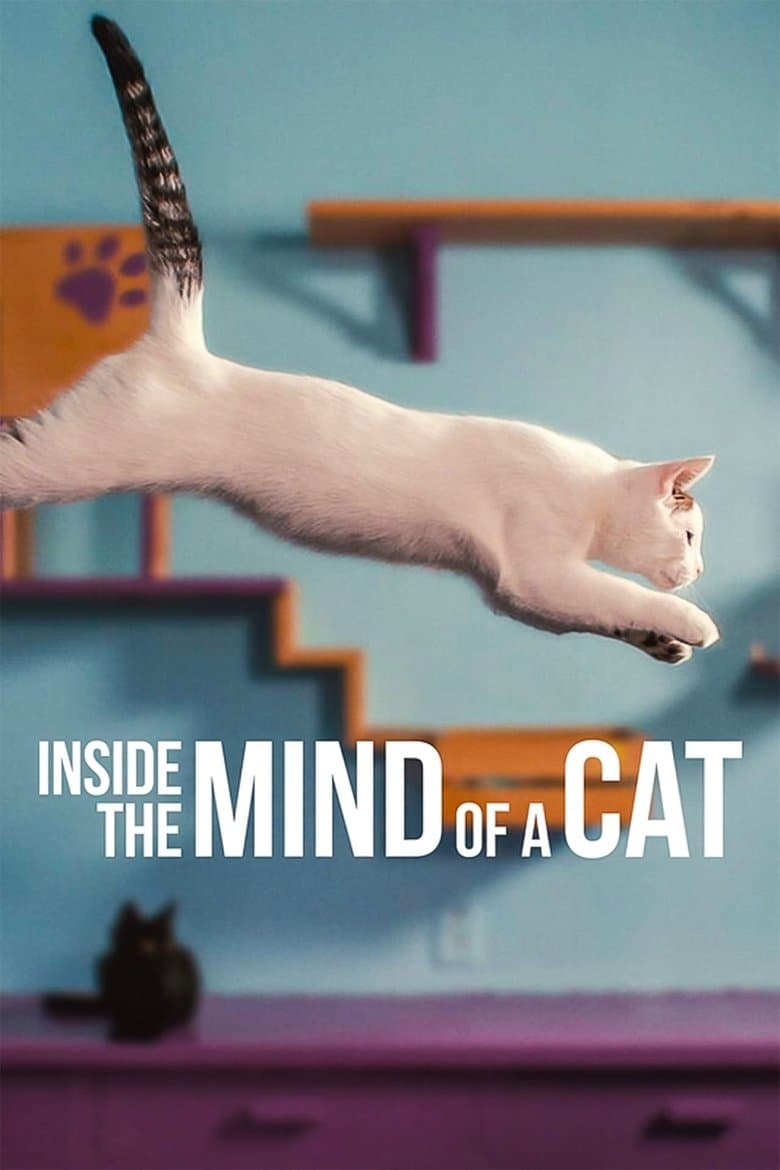
Cat experts dive into the mind of the feline to reveal the true capabilities of the pouncing pet in this captivating and cuddly documentary.

Movie · 2019
He promised supermodels and yachts, but delivered tents and cheese sandwiches. How one man engineered a music festival disaster.
