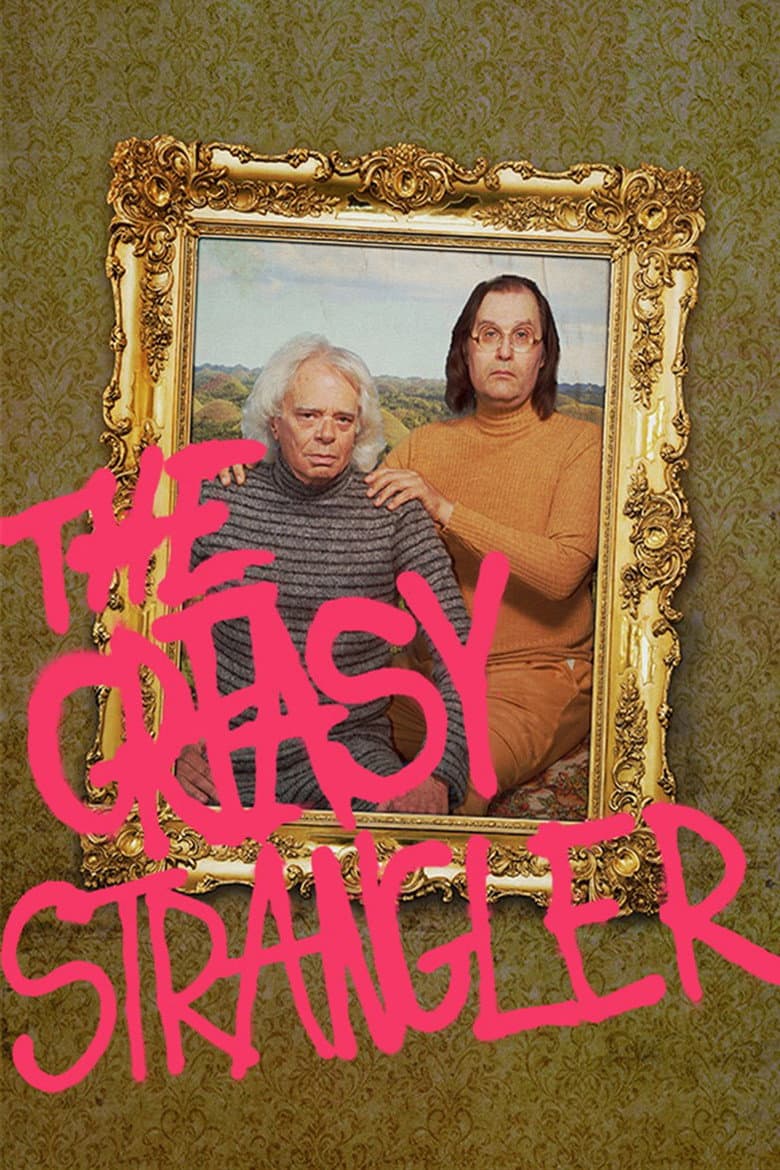
Big Ronnie runs a fake disco walking tour in a run-down part of Los Angeles with his adult son, Brayden. Ronnie lies to tourists, controls his son, and covers himself in grease at night before killing strangers as the Greasy Strangler. Brayden falls for Janet, but Ronnie steals her attention and turns the family home into a fight over sex, control, and loyalty. The movie uses a slow, deadpan style with repeated lines, ugly costumes, nudity, gore, and extreme toilet humor.
The story treats the father and son as selfish, childish men who hurt other people and still depend on each other. Janet drives the romantic fight, but the movie mostly uses her as the object of their jealousy instead of giving her a full story. Ronnie and Brayden move from rivalry to a twisted bond after they both kill her and eat her eyes. The film ends with the two men covered in grease, killing a rival and acting like wild animals in a strange forest.
Community feedback
Was our 9% Woke rating accurate?
Breakdown
These are the editorial factors and ratings behind our score for The Greasy Strangler.
Woke representation / casting
Most main roles are played by white men, with Elizabeth De Razzo as Janet and several tourists from different countries. The film does not build an engineered diverse group or make race a story point. Hosking did say he wanted unusual, normal body shapes instead of standard movie bodies. That creates a small body-representation signal, but it is not a diversity-first cast.
12%
Woke political dialogue
Not present. The dialogue uses repeated crude jokes, fake disco facts, and sexual insults. It does not push modern identity, gender-role, DEI, or activist ideas.
0%
Identity-driven story themes
Not present. The film has a romance and a father-son power struggle, but it does not present a modern identity-politics or representation message. The story treats its characters as grotesque comic figures rather than making a social campaign.
0%
Western institutional / cultural critique
Not present. Ronnie’s control of Brayden and the men’s treatment of Janet are ugly parts of the story, but the film presents them as absurd personal behavior. It does not connect them to patriarchy, capitalism, religion, conservative values, or a wider modern cultural argument.
0%
Woke character or canon changes
Not relevant. The film is an original story with no established characters or real historical events being changed.
0%
Anti-woke backlash and complaints
Not present. The supplied X research found no anti-woke reaction. News, Reddit, and review coverage focused on gross-out humor, sexual content, misogyny complaints, and whether the movie was funny, not on woke, DEI, or identity politics.
0%
Creator track record context
Jim Hosking and Toby Harvard are mainly known for surreal genre comedy and have no strong public record of DEI or activist work. The listed producers also have mostly low political or identity signals. Amber Horn and Danielle Aufiero have public commitments to inclusive casting. The overall team history gives a weak supporting signal, not a strong activist pattern.
15%
Production
Movie · 2017
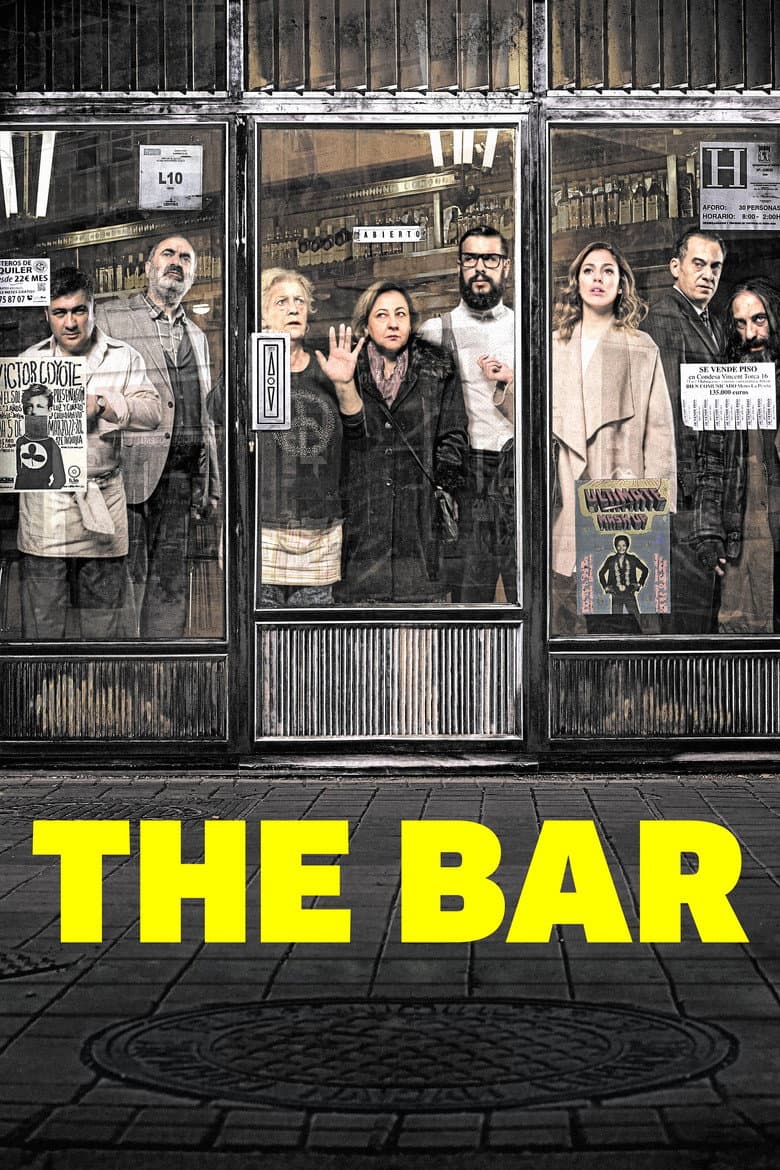
In downtown Madrid, a series of mysterious gunshots trap a motley assortment of people in a decrepit bar.
Movie · 2024
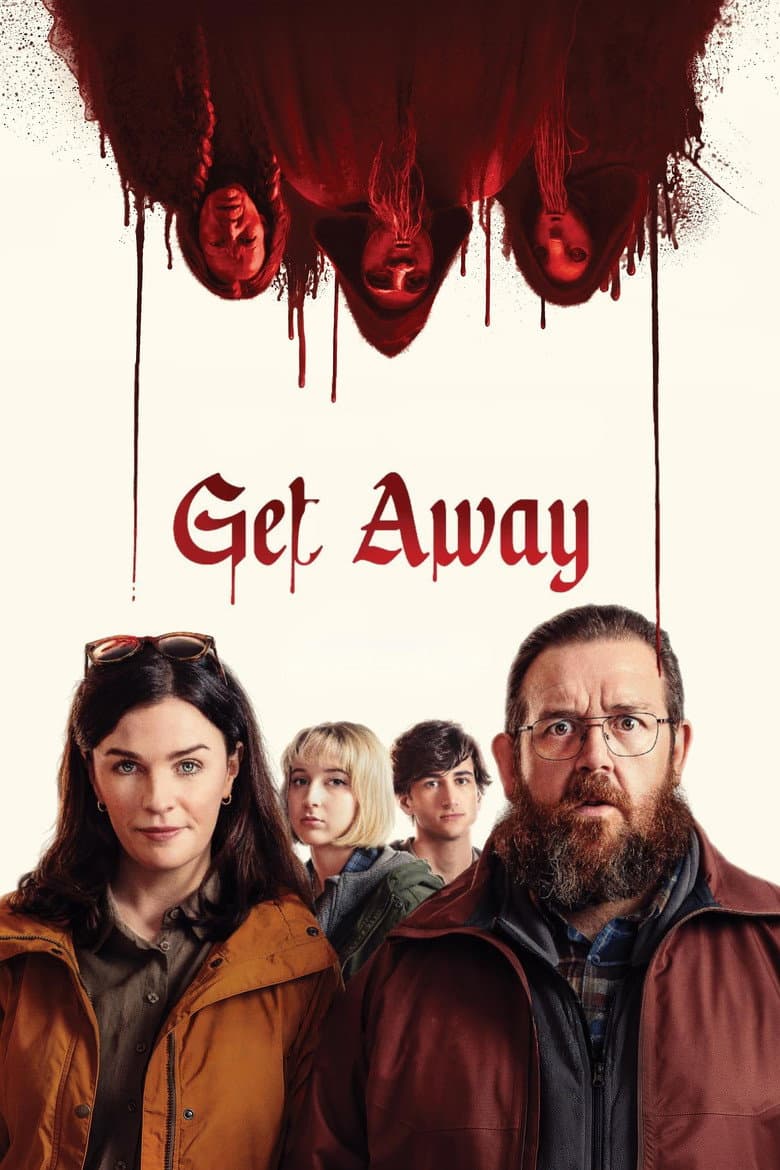
A family's vacation to a remote getaway takes an unexpected turn when they discover the present-day implications of the island's cannibalistic past.
Movie · 2026
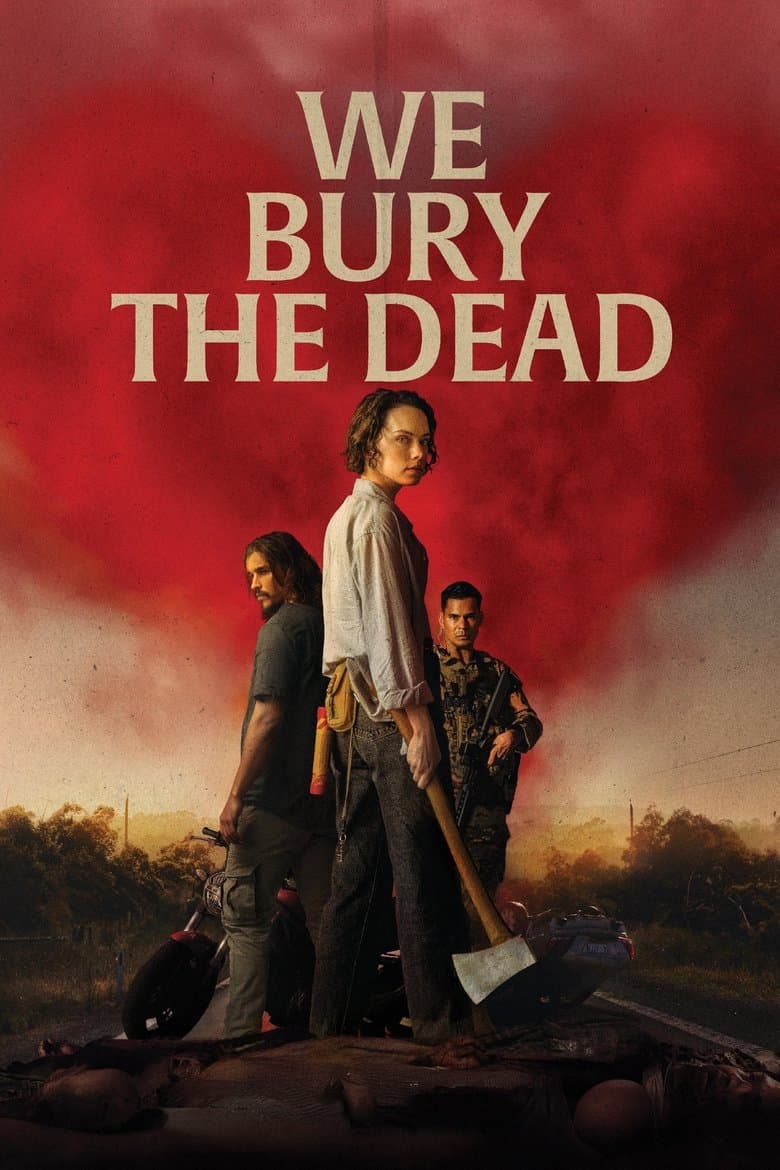
After a catastrophic military disaster reanimates the dead, Ava searches for her missing husband amidst an increasingly hostile world.
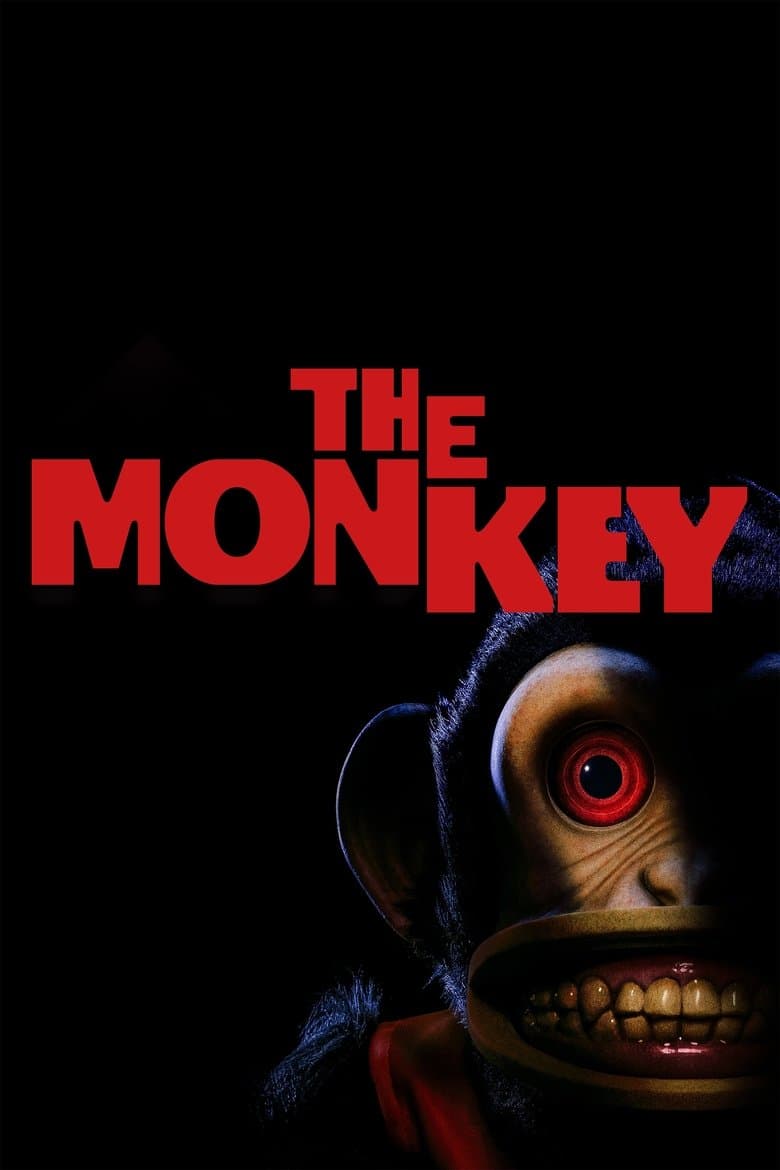
Movie · 2025
When twin brothers find a mysterious wind-up monkey, a series of outrageous deaths tear their family apart. Twenty-five years later, the monkey begins a new killing spree forcing…

Movie · 2019
When a huge hurricane hits her hometown in Florida, Haley ignores evacuation orders to look for her father. After finding him badly wounded, both are trapped by the flood.
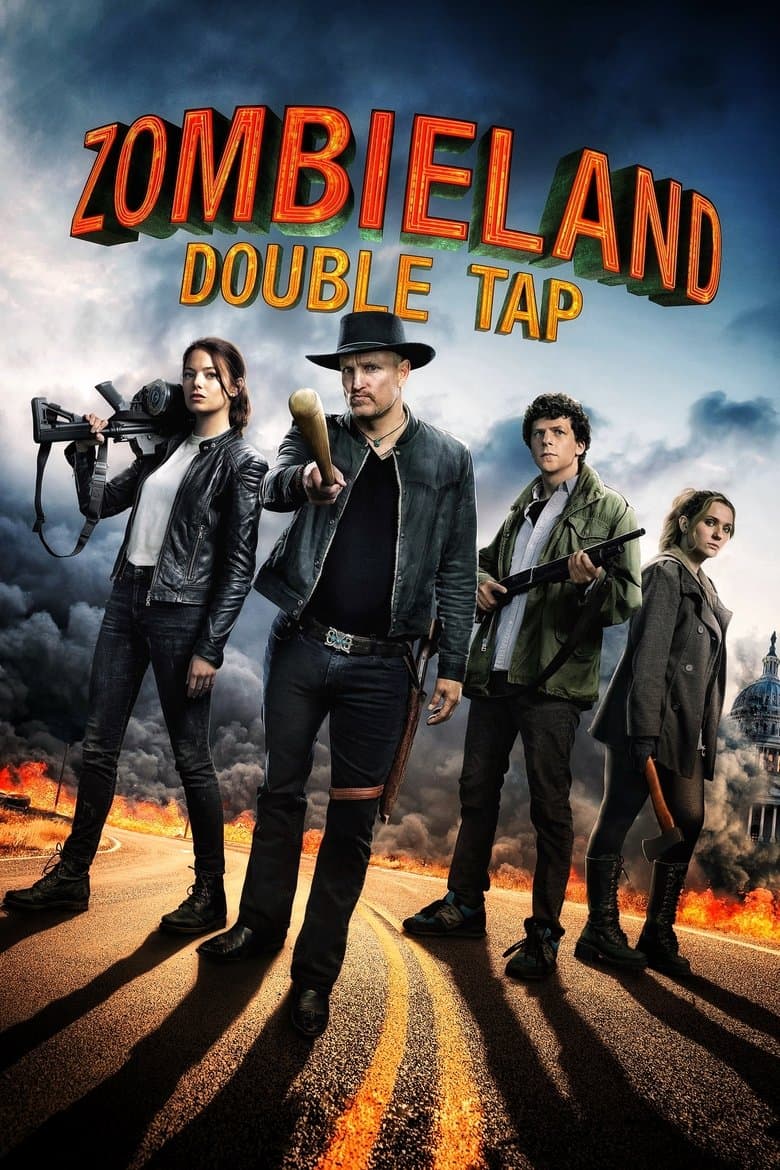
Movie · 2019
Columbus, Tallahassee, Wichita, and Little Rock move to the American heartland as they face off against evolved zombies, fellow survivors, and the growing pains of the snarky…

Movie · 2017
Though Kevin has evidenced 23 personalities to his trusted psychiatrist, Dr. Fletcher, there remains one still submerged who is set to materialize and dominate all the others.
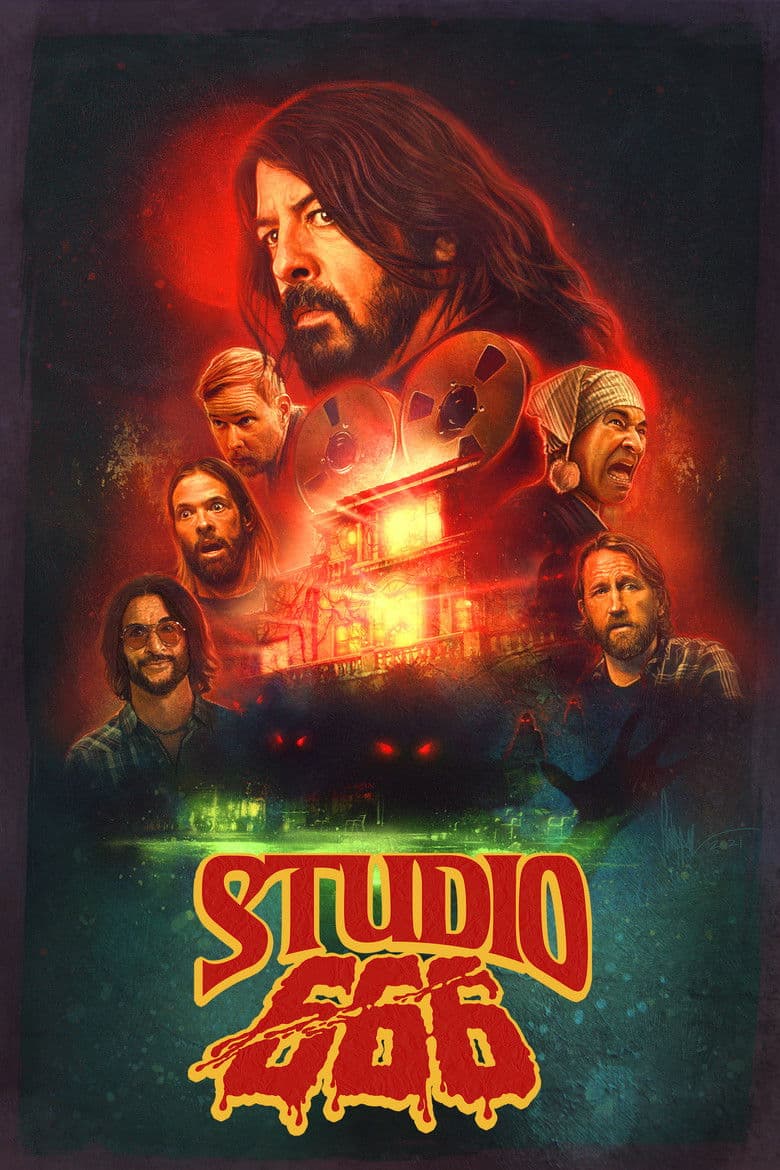
Movie · 2022
Legendary rock band Foo Fighters move into an Encino mansion steeped in grisly rock and roll history to record their much anticipated 10th album.
