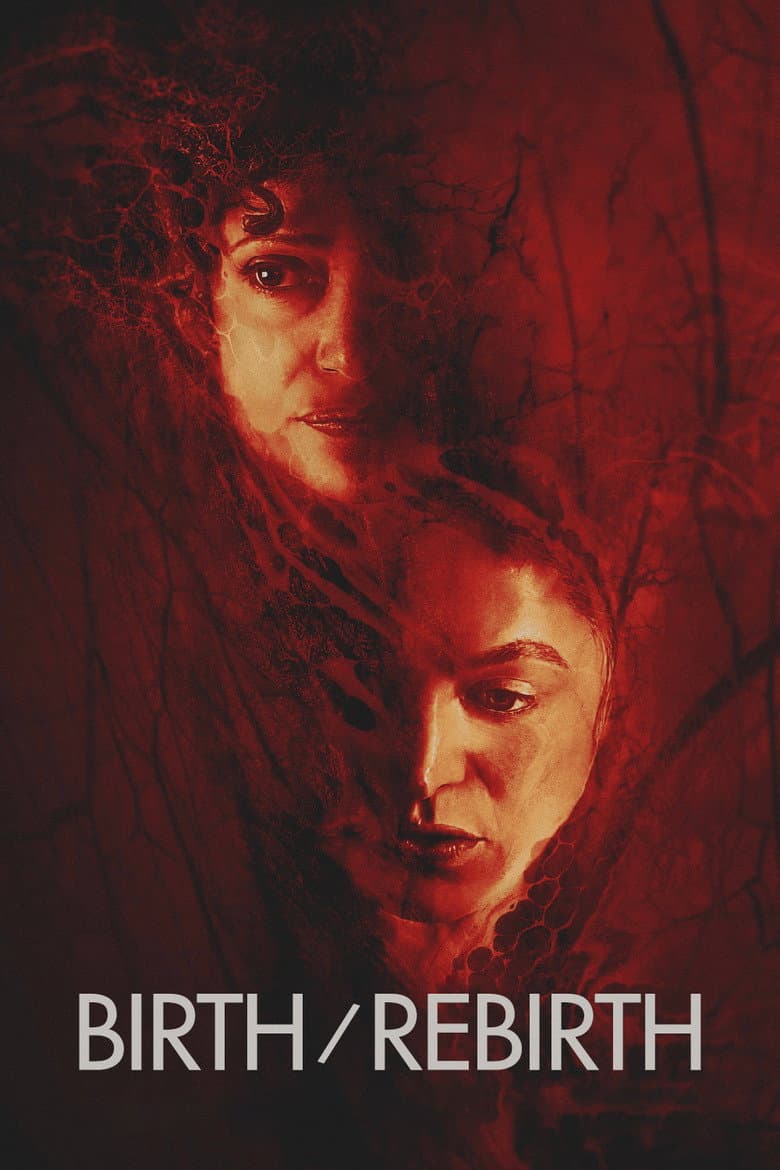
Birth/Rebirth follows Celie Morales, a single mother and maternity nurse in the Bronx. After her young daughter Lila dies from meningitis, Celie finds that Rose Casper, a cold morgue worker at the same hospital, has brought the child back to life. The women hide Lila in Rose's apartment and use grim medical experiments to keep her alive. The film is a slow, bleak, and often darkly funny body-horror story about grief, science, and the cost of refusing death.
The film places two women in the roles of Frankenstein's creator and helper, and their uneasy partnership takes on a co-parenting shape. Its main themes focus on female bodies, pregnancy, motherhood, abortion, childbirth, and bodily autonomy. The opening birth scene shows a woman asking doctors to notice her own danger, while other scenes show medical workers treating women as useful bodies. These ideas shape the whole story, but the film also makes both women selfish and cruel, so it does not present them as simple heroes.
Community feedback
Was our 83% Woke rating accurate?
Breakdown
These are the editorial factors and ratings behind our score for Birth/Rebirth.
Woke representation / casting
The film puts two women in the lead roles that replace the male creator and helper from Frankenstein. The Bronx setting makes Judy Reyes's casting as Celie feel story-linked, and no clear quota-style ethnic pattern is shown. The film's all-female lead design is also openly framed as a female retelling and as a space for women to tell stories about women. The casting choice is a strong identity statement across the main roles, even though it is tied to the film's premise.
58%
Woke political dialogue
The opening birth scene has a woman ask, “What about me?” while staff focus on the baby. The dialogue later says that no human woman would accept repeated painful tests and says a character felt her body betrayed her. These lines give brief spoken support to female bodily autonomy. The film does not turn the ideas into a long political speech.
22%
Identity-driven story themes
The story centers on two women who use pregnancy, fetal tissue, and their own bodies to bring a dead child back. The film treats motherhood, childbirth, abortion, infertility, and bodily autonomy as its main subjects. The women form an intimate co-parenting bond that carries queer subtext without becoming a clear romance. These themes drive the plot from the first birth scene to the final choice, so they are hard to miss.
76%
Western institutional / cultural critique
The film shows a doctor cutting into a woman during an emergency birth while she asks to be heard. The hospital also loses a child's body and treats pregnant patients as sources of material for Rose's work. The story connects these acts to women being ignored, used, or valued only for babies. The critique stays inside medical care and female bodily autonomy, with no clear attack on Christianity, capitalism, or ordinary family life.
44%
Woke character or canon changes
The film makes Rose a female version of Frankenstein's creator instead of using the original male scientist. The film also gives the creator's close partner and helper to another woman, Celie, who becomes a co-parent with Rose. This gender change is the main way the movie updates Mary Shelley's story. The change is central to the plot and not a small casting detail.
72%
Anti-woke backlash and complaints
Not present. No clear anti-woke or right-leaning complaints appeared in the checked public discussion. Available reactions focused on horror, grief, medical ethics, and feminist or queer framing.
0%
Creator track record context
Lee Moss has a moderate record of interest in gender and identity, and the film interviews connect that interest to this story. Mali Elfman has a stronger representation-focused record in horror, while Danielle Pretsfelder Demchick has a strong inclusion advocacy record in casting. Brendan Jamieson O'Brien and most of the other producers have little public activist history in the supplied context. The overall creative context raises the score but does not show a uniformly activist team.
45%
Production

Movie · 2021
A small-town Oregon teacher and her brother, the local sheriff, discover a young student is harbouring a dangerous secret that could have frightening consequences.
Movie · 2016
Suspecting that people are transforming into malevolent shape-shifters, Wyatt flees to New York City to seek out his estranged childhood friend Christian.
Movie · 2025
A 19th-century widow has to make an impossible choice when, during an especially cruel winter, a foreign ship sinks off the coast of her Icelandic fishing village.
Movie · 2022
Craig, a young boy living in a small town befriends an older, reclusive billionaire, Mr. Harrigan. The two form a bond over books and an iPhone, but when the man passes away the…
Movie · 2018
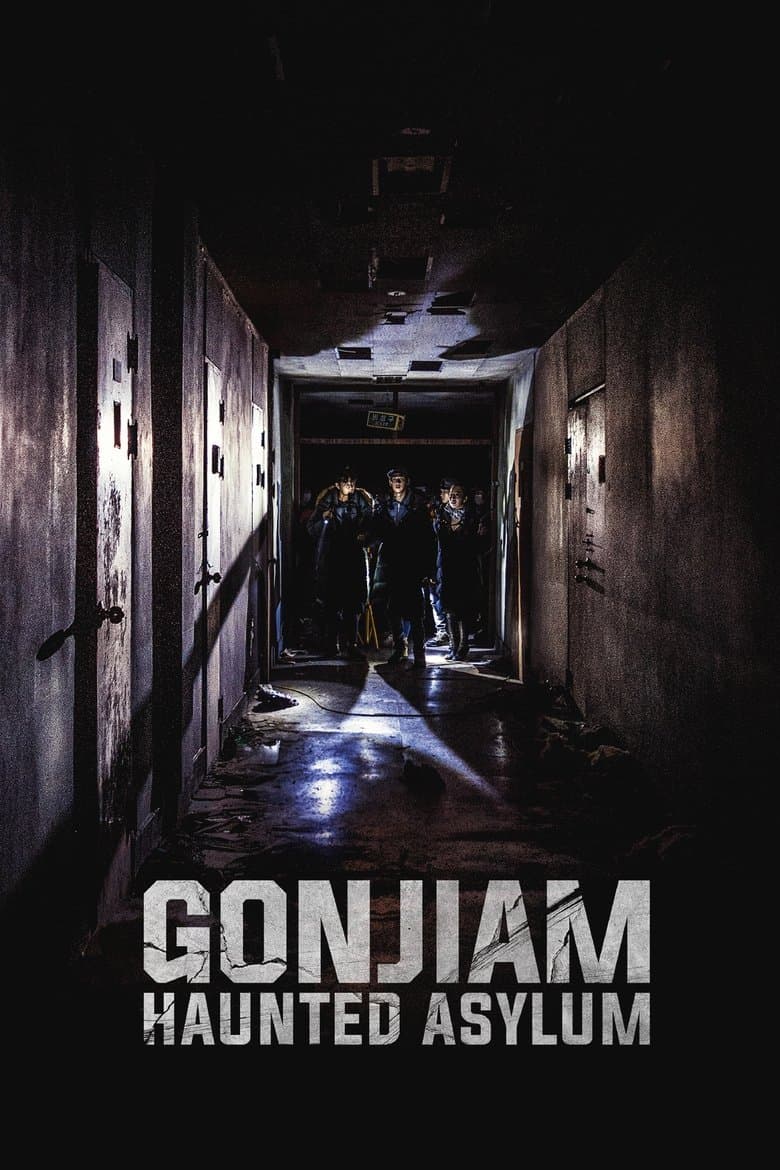
The crew of a horror web series travels to an abandoned asylum for a live broadcast, but they encounter much more than expected as they move deeper inside the nightmarish old…

Movie · 2026
Through unlikely bonds formed during night shifts at a local aquarium, Tova, an elderly widow, learns of a life-changing discovery that may bring her joy and wonder once again.
Movie · 2021
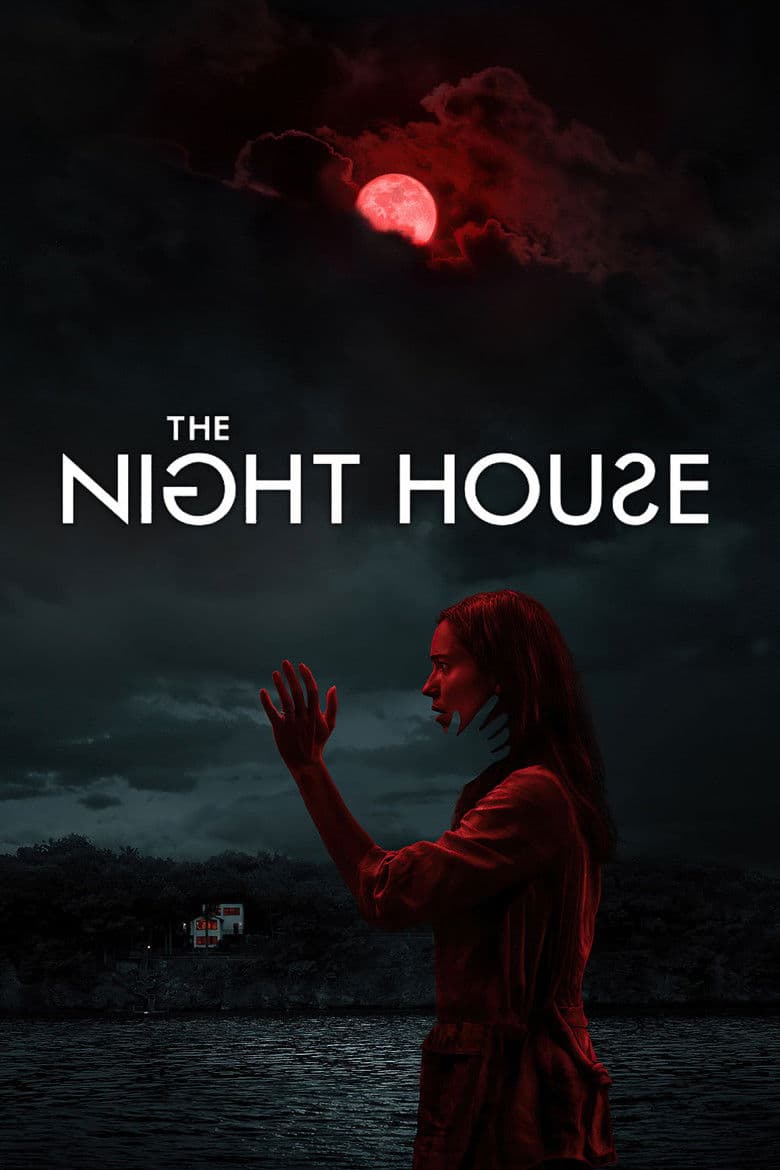
Reeling from the unexpected death of her husband, Beth is left alone in the lakeside home he built for her. Soon she begins to uncover her recently deceased husband's disturbing…
Movie · 2018
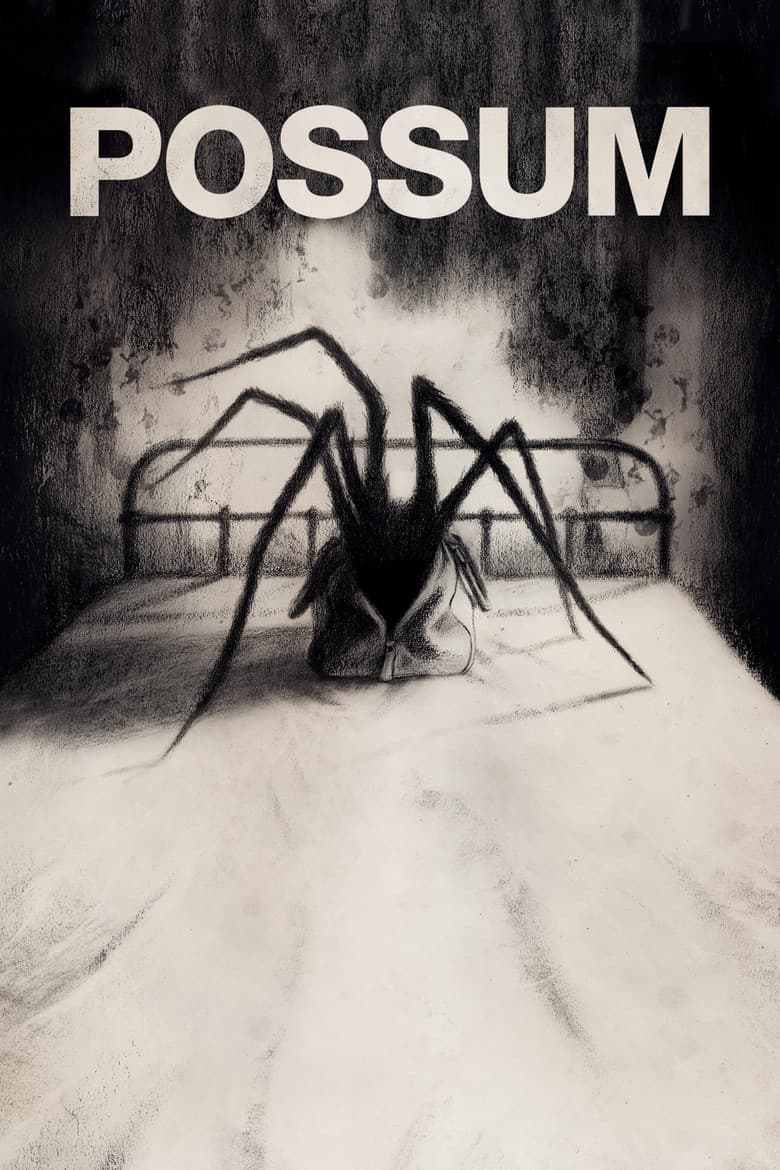
A disgraced children's puppeteer returns to his childhood home and is forced to confront his wicked stepfather and the secrets that have tortured him his entire life.
