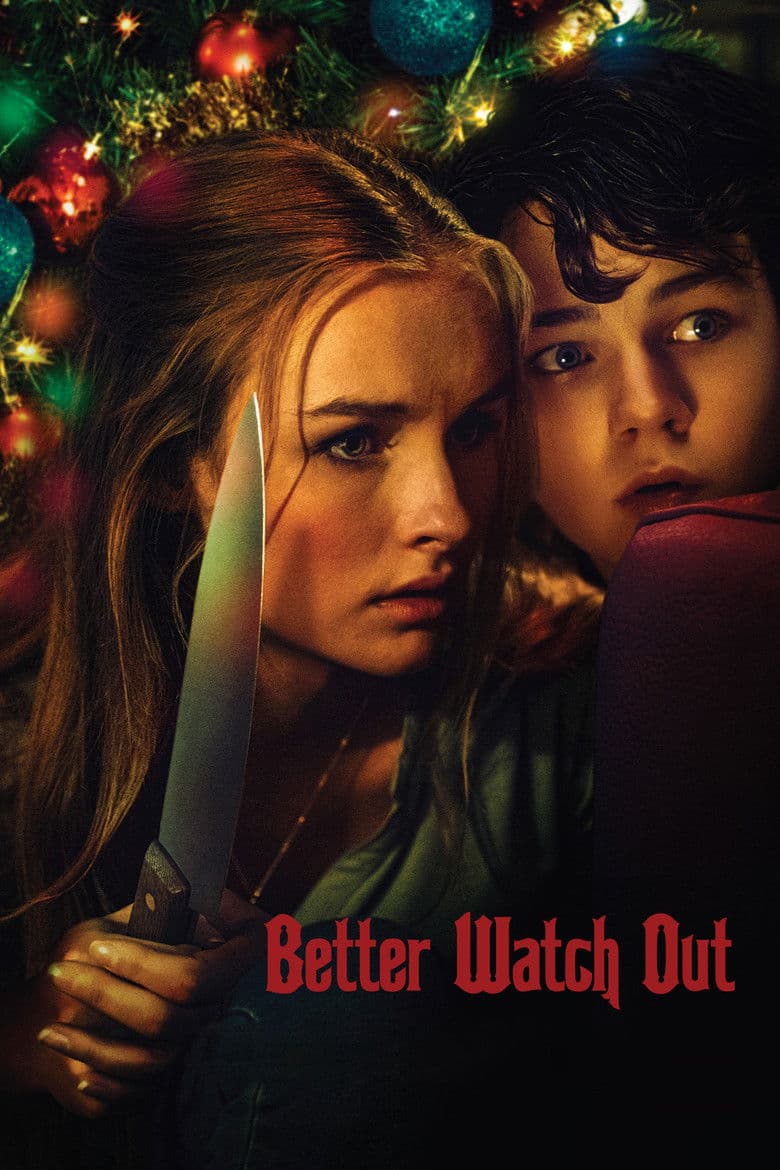
On Christmas Eve, 17-year-old Ashley babysits 12-year-old Luke in a quiet, wealthy American suburb. Luke has a crush on Ashley and plans to win her over during one last night before she moves away. A fake home invasion soon traps them inside the house, and the danger turns real when Luke's plan becomes violent. The film mixes black comedy, Christmas cheer, suspense, and cruel horror.
The film's main woke element is its direct attack on male entitlement. Luke treats Ashley as a prize and uses fear, lies, and violence because she does not return his feelings. Ashley stays brave and fights back instead of begging, so the gender conflict drives the twist and much of the second half. The film also shows adult men making crude comments about Ashley. A brief joke about gay-themed Christmas ornaments appears, but the movie does not turn these details into a wider story about race, class, or party politics.
Community feedback
Was our 41% Woke rating accurate?
Breakdown
These are the editorial factors and ratings behind our score for Better Watch Out.
Woke representation / casting
Not present. The main teenagers and family are presented as ordinary suburban characters without a clear diversity-first casting pattern. The film does not make race, religion, disability, or gender identity part of its casting message.
0%
Woke political dialogue
Not present. The film has crude lines about girls, sex, and masculinity, but no modern identity, DEI, or activist message is spoken. The gender message comes from the plot and character behavior, not political speeches.
0%
Identity-driven story themes
The film turns a boy’s crush into a story about male entitlement. Luke treats Ashley as a prize and uses fear, lies, and violence when she does not return his feelings. Ashley stays brave and fights back instead of begging the boy who attacks her. This message is central to the twist and the second half, so viewers can read the story as a warning about abusive male behavior. Peckover said he wanted women to feel empowered and respected, which matches the film’s treatment of Ashley.
52%
Western institutional / cultural critique
The film presents male entitlement as dangerous when Luke believes Ashley owes him love. The story also shows adult men looking at Ashley in a sexual way and tying manhood to sexual success. These moments create a repeated critique of toxic masculinity and male control in relationships. The film focuses on personal abuse rather than government, religion, capitalism, or a broad attack on Western institutions.
43%
Woke character or canon changes
Not relevant. The film is an original story with no established franchise characters or real historical figures. Its title change from Safe Neighborhood is a marketing change, not an identity-based story change.
0%
Anti-woke backlash and complaints
Not present. The X research found no anti-woke reaction or specific complaints. Wider searches found praise, complaints about the twist and ending, and discussion of misogyny, but no clear anti-woke or DEI backlash.
0%
Creator track record context
Chris Peckover has a mild social-justice signal because he identifies as queer and previously made Undocumented, an anti-racist story about how migrants are treated at the border. Zack Kahn has no clear public activist record. Peckover’s interviews frame Better Watch Out around how men treat women and wanting women to feel empowered and respected. This context supports the film’s gender message, but it does not show a broad campaign across the creative team.
22%
Production
Movie · 2019
When their car breaks down, a couple on the run headed southbound for a fresh start in the Sunshine State break into a nearby house looking for a new set of wheels.
Movie · 2026
Moments after surviving an all-out attack from the Le Domas family, Grace discovers she’s reached the next level of the nightmarish game — and this time with her estranged sister…
Movie · 2024
A family's vacation to a remote getaway takes an unexpected turn when they discover the present-day implications of the island's cannibalistic past.
Movie · 2025
Four years after defeating The Grabber, Finney Blake is struggling with life after captivity. When his younger sister Gwen begins receiving calls in her dreams from the Black…
Movie · 2019
Columbus, Tallahassee, Wichita, and Little Rock move to the American heartland as they face off against evolved zombies, fellow survivors, and the growing pains of the snarky…
Movie · 2024
After raising an unnervingly talented spider in secret, 12-year-old Charlotte must face the truth about her pet and fight for her family's survival.
Movie · 2025
When twin brothers find a mysterious wind-up monkey, a series of outrageous deaths tear their family apart. Twenty-five years later, the monkey begins a new killing spree forcing…
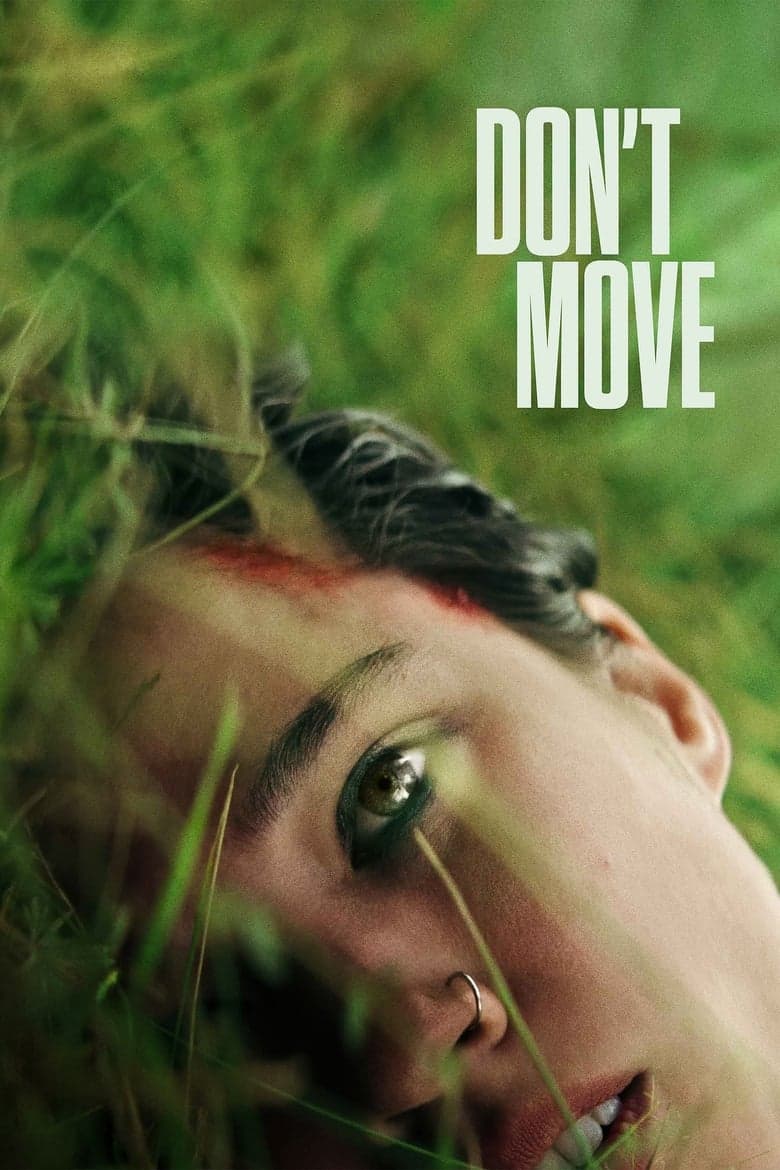
Movie · 2024
A grieving woman in a secluded forest encounters a killer who injects her with a paralytic drug. As her body shuts down, her fight for survival begins.
