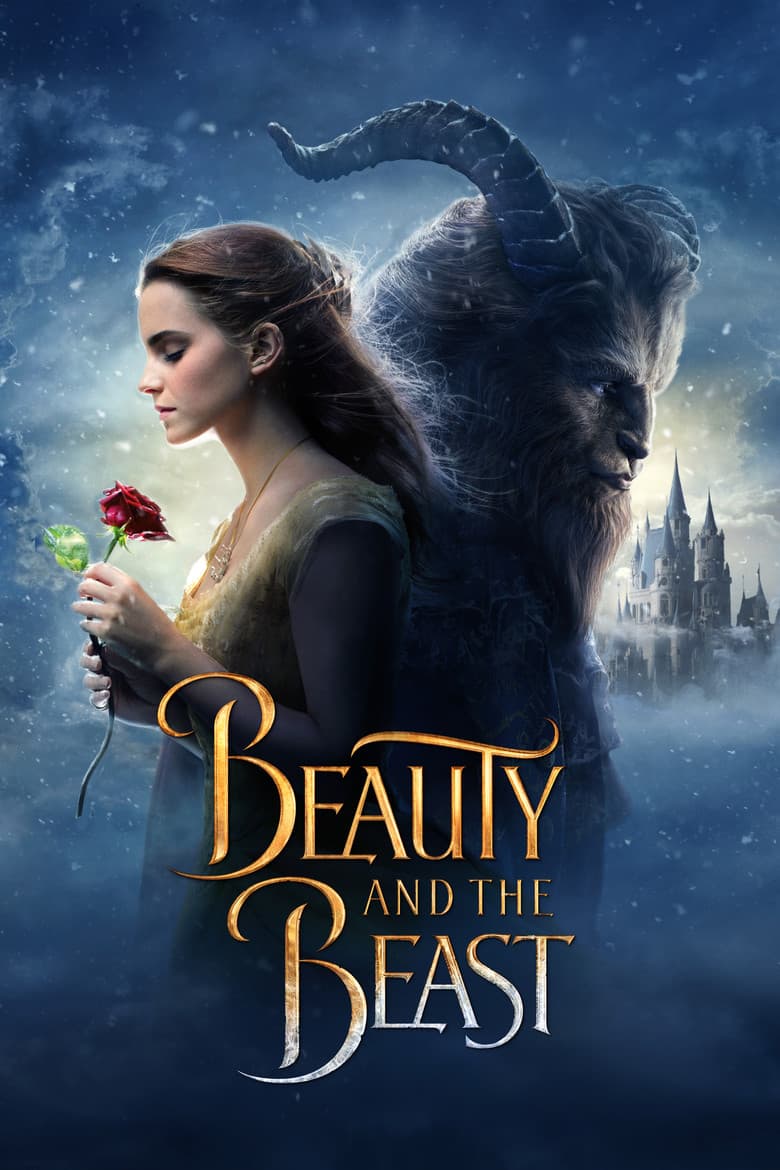
A live-action Disney remake of the 1991 animated classic in which bookish Belle sacrifices herself for her father and breaks the Beast's curse through love and compassion in a traditional fairy-tale romance. The film adds an explicitly gay portrayal to the supporting character LeFou, including a brief dance with another man at the finale that director Bill Condon promoted in advance as Disney's "exclusively gay moment." Belle receives modern feminist updates as an inventor who builds a labor-saving device and asserts independence, layering light identity emphasis onto the unchanged core story of redemption and inner beauty.
Community feedback
Was our 89% Woke rating accurate?
Breakdown
These are the editorial factors and ratings behind our score for Beauty and the Beast.
Woke representation / casting
The movie uses diverse casting for its old French setting. It places actors of color in major roles. Most importantly, the filmmakers made LeFou a gay character who struggles with his feelings. The director promoted this as Disney's first gay moment. It ends with LeFou dancing with another man. Because of this confirmed queer representation, which gets a big point boost under the rules, this category scores highly.
65%
Woke political dialogue
The dialogue is mostly faithful to the original film but adds modern talk about female education. Belle defends her right to teach other girls to read. The male villagers are shown as silly and upset by this. They say that reading will give girls thoughts of their own. These lines are written to highlight modern feminist points rather than standard historical details.
35%
Identity-driven story themes
The story highlights modern feminist and queer themes. Belle is no longer just a reader. She is an inventor who fights against a narrow-minded town. At the same time, LeFou has a subplot about his attraction to Gaston. This gives him a queer story arc that ends in acceptance.
68%
Western institutional / cultural critique
The movie critiques traditional social roles. Gaston is shown as a symbol of aggressive men who want to control women. The village is painted as an oppressive community that holds women back and hates female independence. These parts of the film critique traditional relationship norms and community values using a modern activist lens.
45%
Woke character or canon changes
The film makes major changes to the classic animated characters. Belle is turned from a simple book lover into an inventor to show girl power. More importantly, LeFou is changed from a silly henchman into a gay man who has feelings for Gaston. Changing a legacy character to have a queer identity is a major canon change, leading to a high score.
45%
Anti-woke backlash and complaints
The movie faced massive backlash from parents and conservative groups over its gay subplot. A theater in Alabama refused to play the movie. Russia gave it an adult-only rating. Censors in Malaysia asked for the gay scene to be cut. Critics complained that adding adult sexual themes to a kids' movie pushed an activist agenda, and many disliked the feminist changes to Belle.
85%
Creator track record context
The main creators have a strong history of supporting progressive and LGBTQ+ causes. Director Bill Condon and producer Thomas Schumacher are openly gay and advocate for queer visibility. Writers Stephen Chbosky and Linda Woolverton have long records of writing feminist and queer stories. This history strongly influenced the film's direction.
60%
Production

Movie · 2018
This Christmas, Thunder Mountain Ski Resort is abuzz when celebrity chef Shane Roarke is named the new head chef.
Movie · 2021
In suburban Chicago during the late 1980s, ten-year-old Jake Doyle embarks on a herculean quest to get the latest and greatest video game system for Christmas.
Movie · 2022
On a cold Christmas Eve, selfish miser Ebenezer Scrooge has one night left to face his past — and change the future — before time runs out.
Movie · 2020
Andy, at the urging of his former mentor and Magic Camp owner Roy Preston, returns to the camp of his youth hoping to reignite his career.
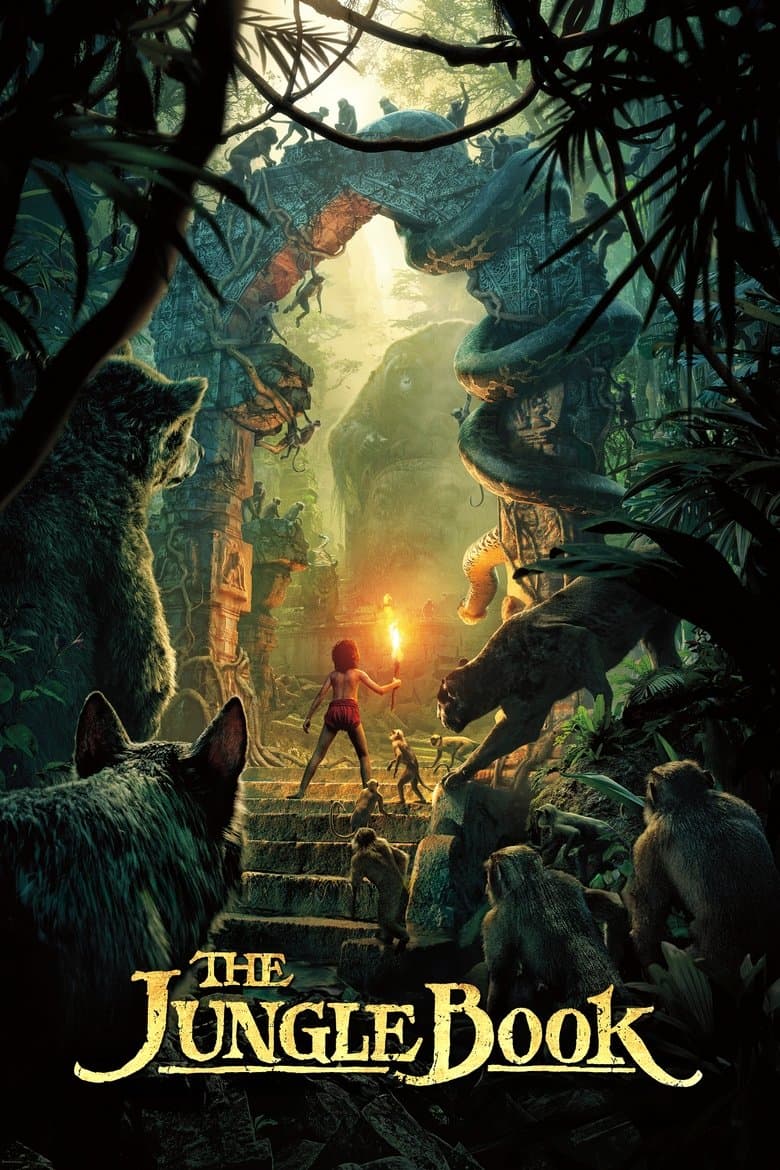
Movie · 2016
After a threat from the tiger Shere Khan, Mowgli, a man-cub fostered by wolves, is forced to flee the jungle, and he embarks on a journey of self-discovery with the help of the…
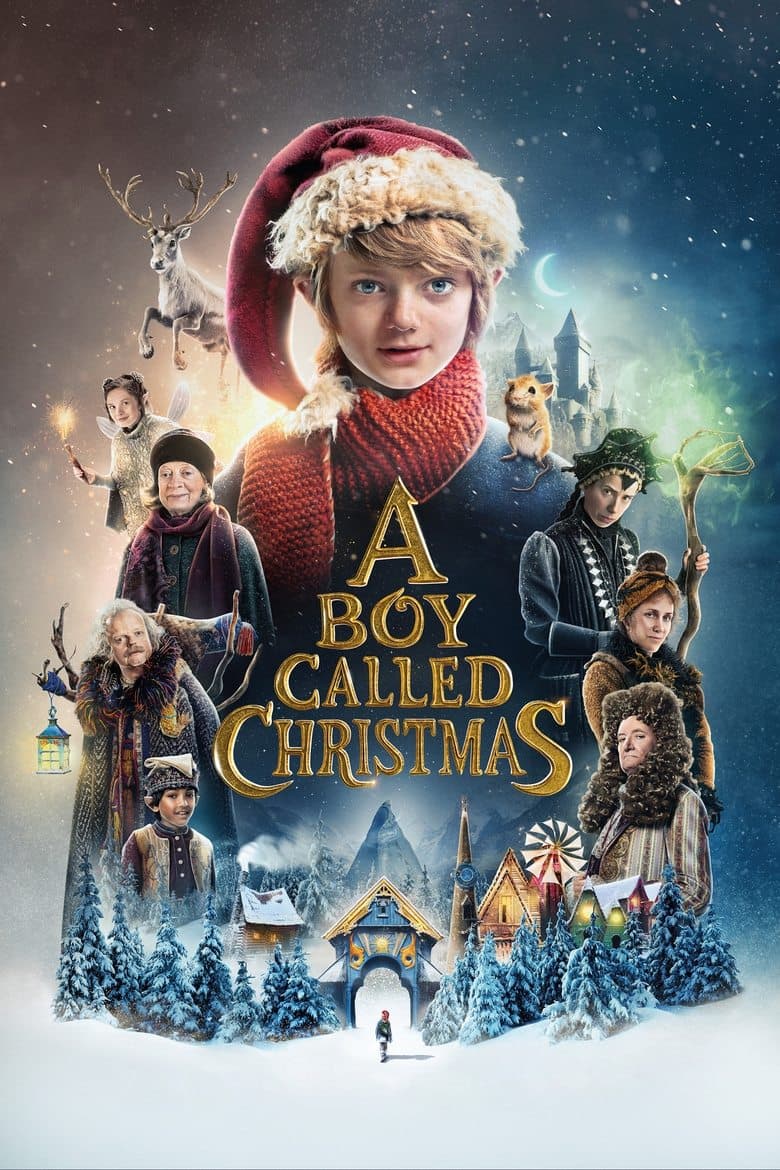
Movie · 2021
An ordinary young boy called Nikolas sets out on an extraordinary adventure into the snowy north in search of his father who is on a quest to discover the fabled village of the…
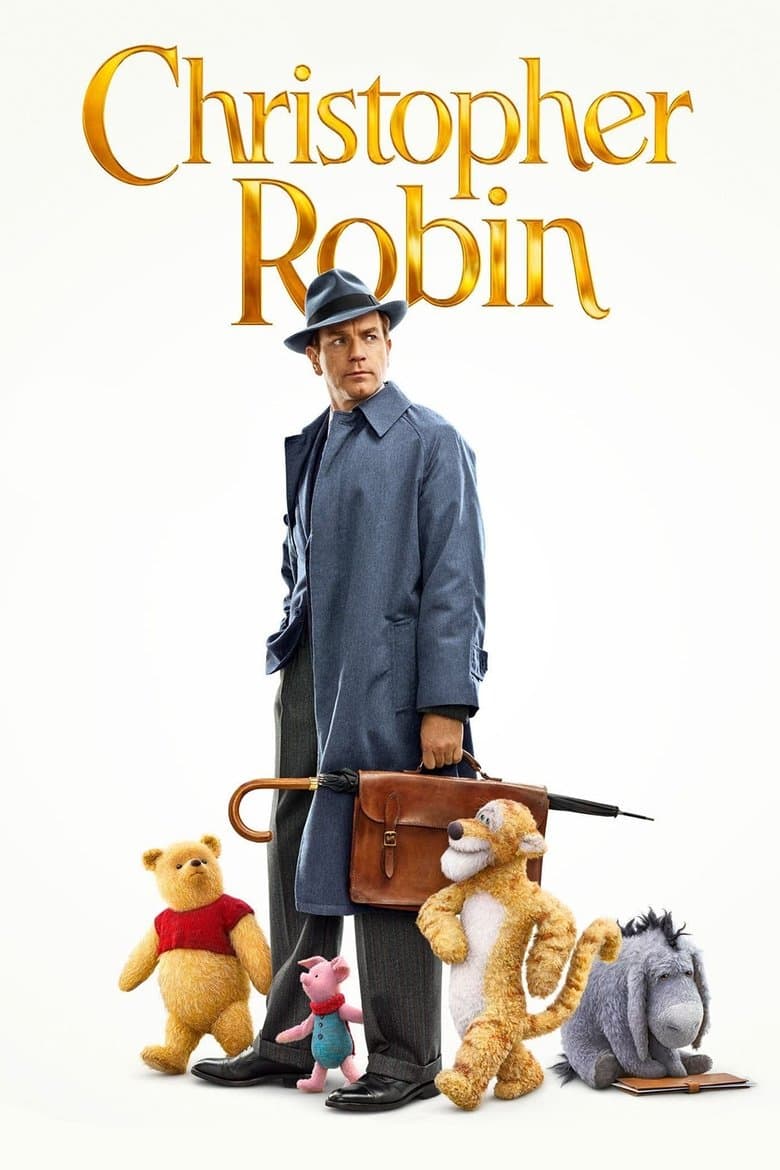
Movie · 2018
Christopher Robin, the boy who had countless adventures in the Hundred Acre Wood, has grown up and lost his way.
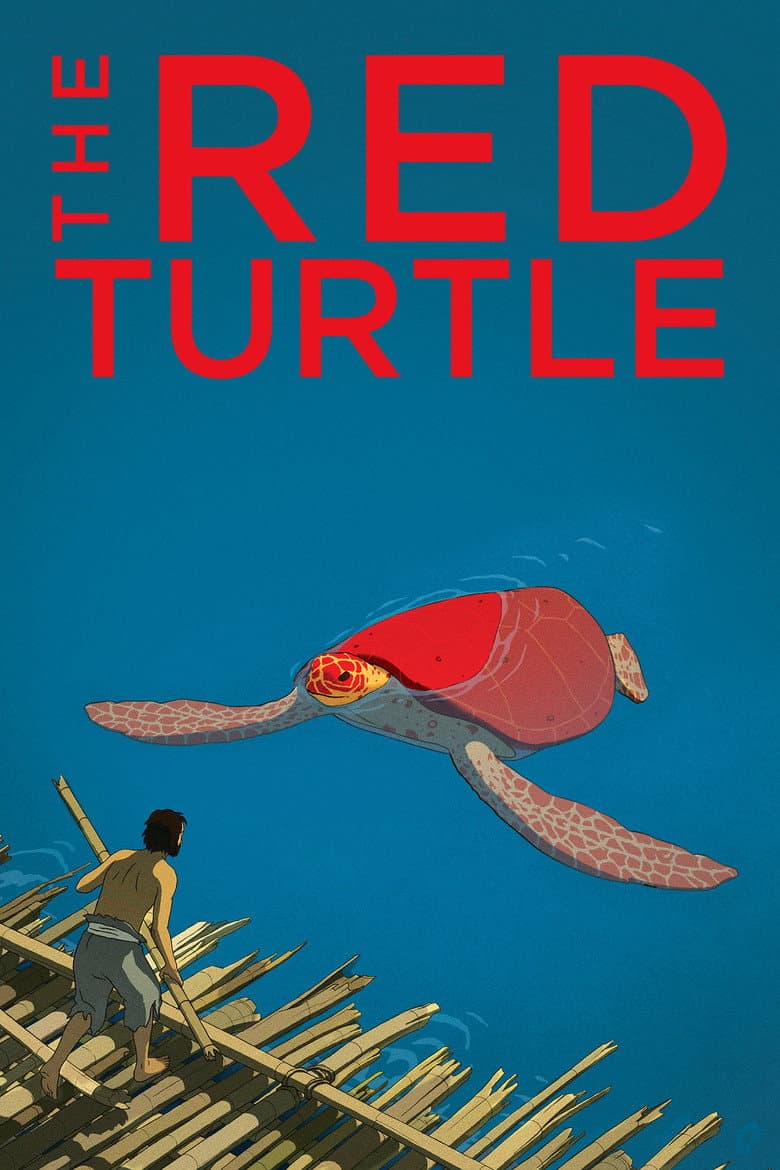
Movie · 2016
The dialogue-less film follows the major life stages of a castaway on a deserted tropical island populated by turtles, crabs and birds.
