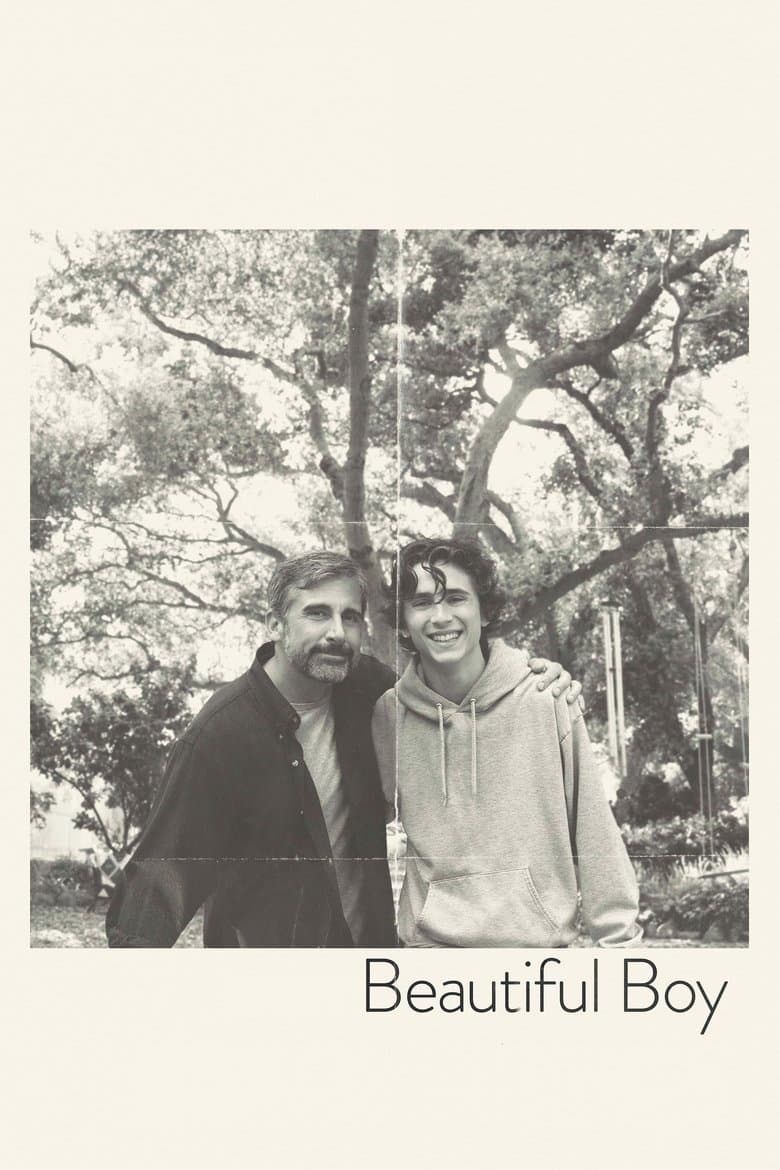
Beautiful Boy is a biographical drama about a Northern California family torn apart by a teenage son's spiral into meth and other drugs. David Sheff is a New York Times writer who cycles through search, rehab, relapse, and tough love limits as his son Nic moves between recovery and chaos. Stepmother Karen and birth mother Vicki share the strain of the crisis. The film cuts between father and son views and tests the idea that addiction is a disease. It ends with sobriety as one day at a time rather than a neat redemption story.
Audience facing themes are family love, helplessness, and the long lasting nature of addiction. The movie does not center race, gender ideology, queer identity, or diversity messaging. Dialogue and doctor scenes lean toward addiction as a brain disease and a long term condition rather than pure moral failure. Treatment systems such as rehabs and twelve step care appear as light texture, not as a sustained attack on Western institutions. The story stays personal and focused on father and son love through relapse cycles and family trauma.
Community feedback
Was our 9% Woke rating accurate?
Breakdown
These are the editorial factors and ratings behind our score for Beautiful Boy.
Woke representation / casting
Not present. Lead casting tracks the real white Sheff family with Carell, Chalamet, Tierney, and Ryan. Supporting players such as LisaGay Hamilton and Andre Royo appear in ordinary modern recovery-world roles, not as a quota-style hero pattern or identity-marketed ensemble.
0%
Woke political dialogue
Dialogue and doctor scenes present addiction as a brain disease and a long term condition rather than pure moral failure. Some viewers will notice this mild progressive public health frame. There is no identity politics, DEI, or race and gender activist speech as a main through-line.
8%
Identity-driven story themes
Not present. Core story is father and son love, relapse cycles, and family trauma. Identity categories such as race, gender ideology, queer politics, and systemic whiteness do not drive plot or theme.
0%
Western institutional / cultural critique
The film shows rehabs, twelve step care, medical talk about meth, and the limits of parental control. This is light texture, not a sustained activist attack on capitalism, Christianity, traditional family, or toxic masculinity. Even left outlets noted the film stays personal rather than systemic.
5%
Woke character or canon changes
Not relevant. This is an adaptation of living people's memoirs with no identity-driven race or gender swaps of established fictional or historical figures.
0%
Anti-woke backlash and complaints
Not present. No meaningful anti-woke or too DEI propaganda campaign against this title turned up in news or X search. Visible criticism includes left-leaning white innocence framing, which does not count for this factor.
0%
Creator track record context
Writers and the director sit in a low to mild range, and Brad Pitt is also mild. Plan B producers Dede Gardner and Jeremy Kleiner score higher for prestige social-issue work, and casting director Francine Maisler does as well. Overall this is mild context that does not turn the film into an identity vehicle.
20%
Production
Movie · 2020
A man refuses all assistance from his daughter as he ages and, as he tries to make sense of his changing circumstances, he begins to doubt his loved ones, his own mind and even…
Movie · 2022
Based on a true tragedy, the emotionally triggering film sheds light on the plight of Kashmiri Pandits (Hindus), a religious minority in the 1990s Kashmir valley, who were…
Movie · 2016
WWII American Army Medic Desmond T. Doss, who served during the Battle of Okinawa, refuses to kill people and becomes the first Conscientious Objector in American history to…
Movie · 2016
After his older brother passes away, Lee Chandler is forced to return home to care for his 16-year-old nephew.
Movie · 2023
The story of J. Robert Oppenheimer's role in the development of the atomic bomb during World War II.
Movie · 2017
Members of the Granite Mountain Hotshots battle deadly wildfires to save an Arizona town.
Movie · 2018
Vignettes weaving together the stories of six individuals in the old West at the end of the Civil War. Following the tales of a sharp-shooting songster, a wannabe bank robber, two…

Movie · 2024
On the brink of the Second World War, a young Norwegian man's drive to resist the Nazis sets a new course for his future – and the future of his country.
