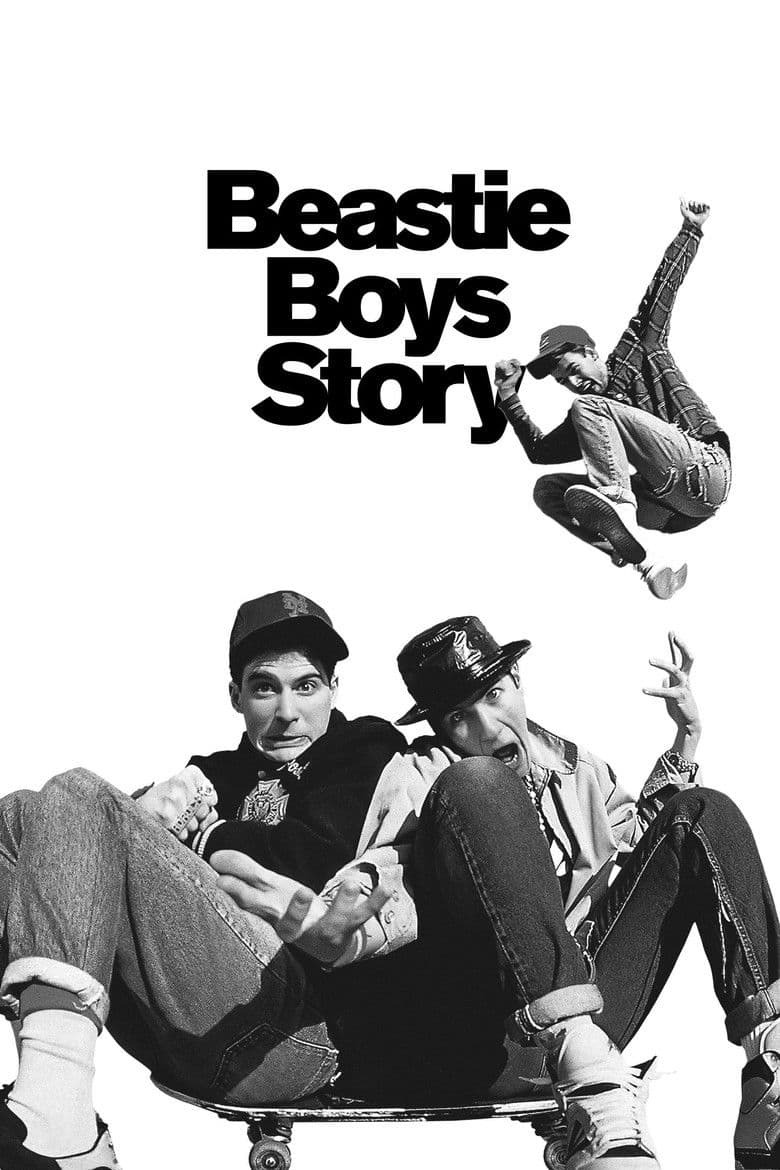
Mike D and Ad-Rock tell the story of the Beastie Boys on a stage in Brooklyn. They use old photos, music clips, and home videos to show how three New York teenagers became a famous band. The main conflict is the gap between their wild young image and the older men they became. The film feels funny and loose at first, then warm and sad as the two friends remember Adam Yauch and the end of the band. The film gives a clear middle section to the band’s past sexism. Mike and Adam admit that they kicked out drummer Kate Schellenbach because she did not fit their new tough rapper image. They also read the lyrics to “Girls” and say their old joke hurt people, then connect the band’s growth to Yauch’s respect for women. The film later praises Yauch’s Buddhist path and Free Tibet concerts, but these activist parts stay shorter than the music, friendship, and grief story.
Community feedback
Was our 38% Woke rating accurate?
Breakdown
These are the editorial factors and ratings behind our score for Beastie Boys Story.
Woke representation / casting
Not present. The main people appear as the real Beastie Boys, and archive footage shows Adam Yauch. Brief celebrity cameos are jokes or audience roles, not identity-led casting.
0%
Woke political dialogue
The speakers spend a real section admitting that their old sexist lyrics and treatment of Kate were wrong. The film later describes Yauch’s work for Free Tibet, nonviolence, and meetings with U.S. politicians. These points use clear activist language, but they appear in a few parts of a music story. The film does not turn the full presentation into current party politics or a broad political lecture.
32%
Identity-driven story themes
The film makes the band’s growth on gender issues a repeated part of its story. Mike D and Ad-Rock admit they removed Kate because she did not fit a male rapper image. They read the “Girls” lyrics and link later songs and choices to respect for women. The story treats this as a meaningful chapter in their personal change, but friendship, music, and Yauch’s death remain the main spine.
42%
Western institutional / cultural critique
The speakers criticize their own tough male image, party-bro behavior, and male entitlement. The film presents removing Kate and the old “Girls” lyrics as shameful parts of that image. This critique returns more than once, but it stays focused on the band’s own past rather than attacking Christianity, capitalism, or Western institutions. The Free Tibet section focuses on Tibetan activism, not Western culture.
30%
Woke character or canon changes
Not relevant. The documentary follows real people who tell their own history, while Adam Yauch appears in archive footage. The stage show leaves out some facts, but it does not recast or rewrite the people shown.
0%
Anti-woke backlash and complaints
Not present. The web search and the supplied X pass found no meaningful boycott, review-bombing, or anti-woke campaign about the film. Audience comments mainly discuss nostalgia, pacing, old sexism, and Adam Yauch.
0%
Creator track record context
The stored scores for the main writers are Horovitz 25, Diamond 18, and Jonze 14. Horovitz and Diamond have liberal, anti-hate, environmental, and diversity-friendly statements, while Yauch’s Tibetan human-rights work is part of the film’s story. Producer Michele Anthony has a stronger gender-activism record, and Dechen Wangdu has a Tibetan human-rights record. Most other producers have little or no public activist record, so the crew context is limited.
22%
Production
Movie · 2021
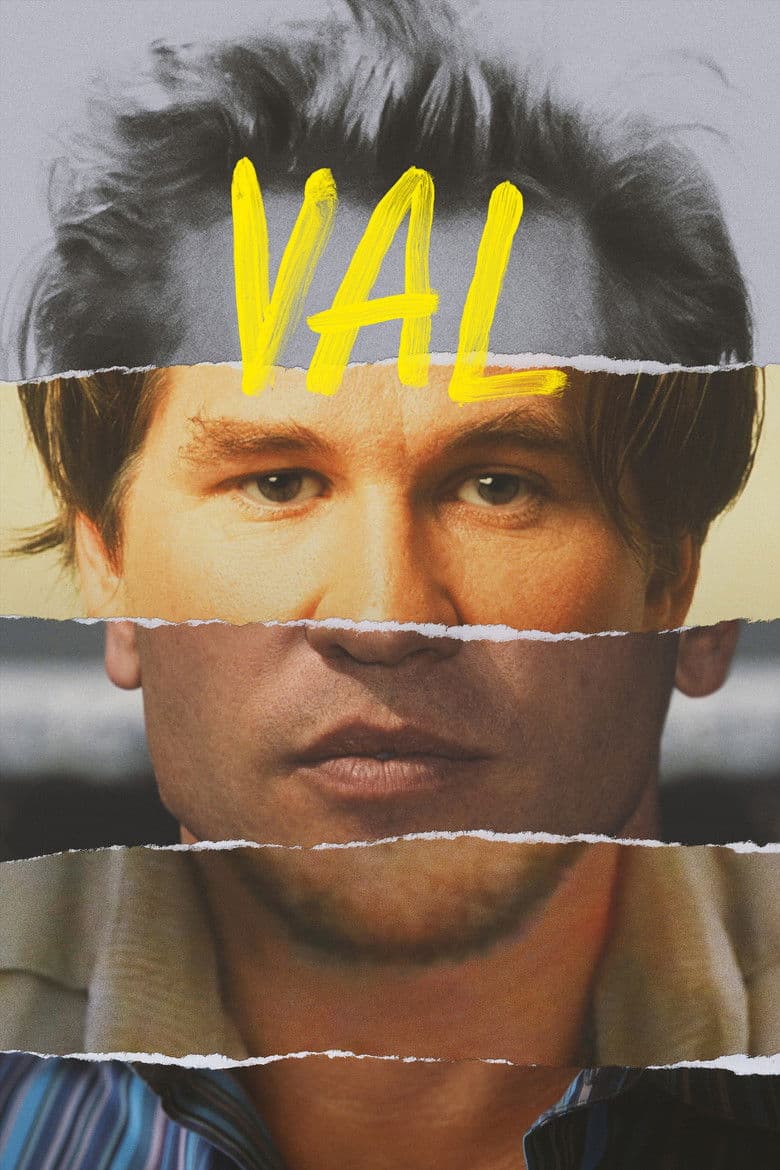
For over 40 years Val Kilmer, one of Hollywood’s most mercurial and/or misunderstood actors has been documenting his own life and craft through film and video.

Movie · 2019
An Iraqi journalist joins an army of uneasy allies and unforgettable characters in the epic battle to liberate the city of Mosul from the Islamic State.
Movie · 2016
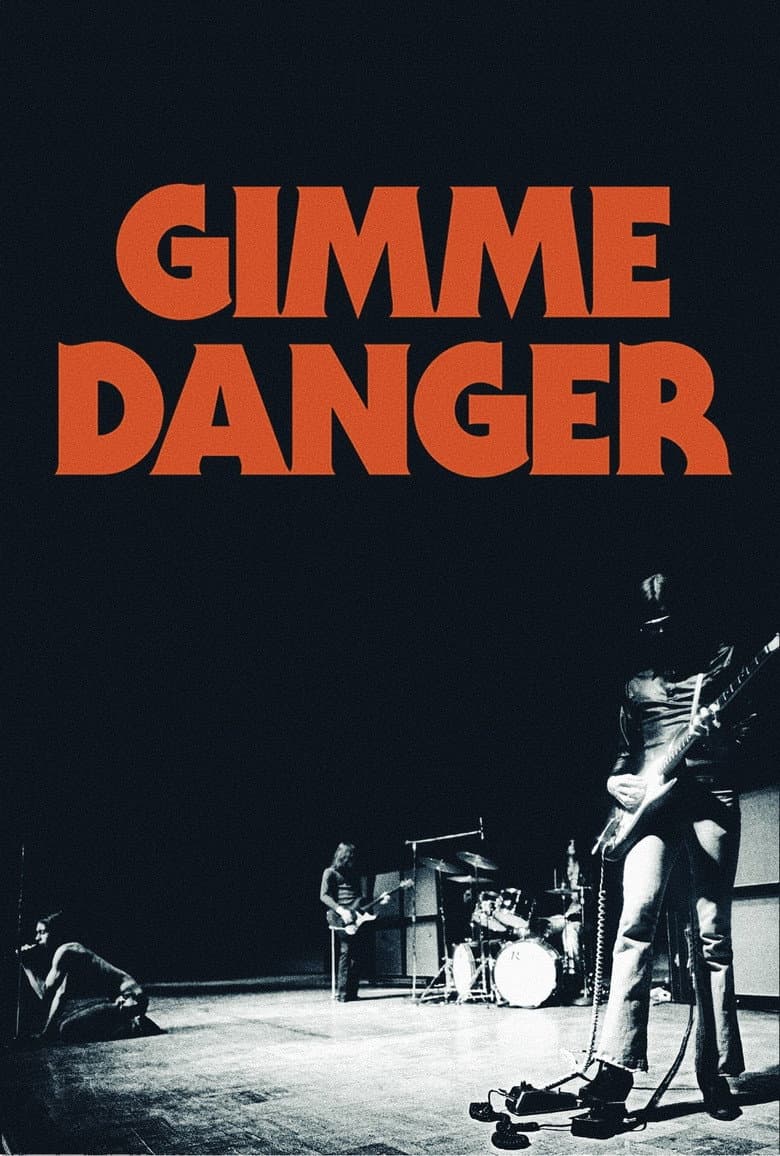
No other band in rock'n'roll history has rivaled The Stooges' combination of heavy primal throb, spiked psychedelia, blues-a-billy grind, complete with succinct angst-ridden…
Movie · 2016
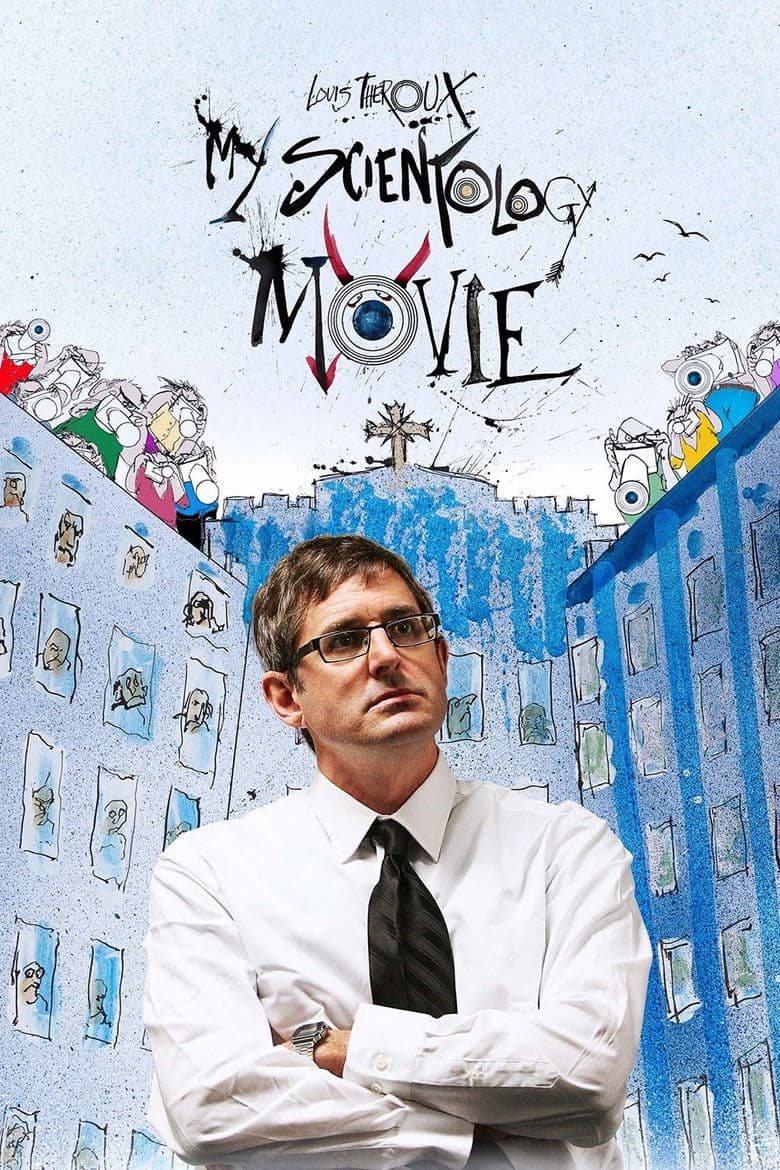
After being denied access to the Church of Scientology's headquarters, documentarian Louis Theroux teams up with ex-Scientology official Marty Rathbun to stage re-enactments of…
Movie · 2021
Christopher Wallace, AKA The Notorious B.I.G., remains one of Hip-Hop’s icons, renowned for his distinctive flow and autobiographical lyrics.
Movie · 2023
His love of film began as an escape from a rocky childhood. From underdog to Hollywood legend, Sylvester Stallone tells his story in this documentary.

Movie · 2022
The inspirational rise of SpaceX as well as Elon Musk's two-decade effort to resurrect America’s space travel ambitions.
Movie · 2016
The Beatles stormed through Europe's music scene in 1963, and, in 1964, they conquered America. Their groundbreaking world tours changed global youth culture forever and…
