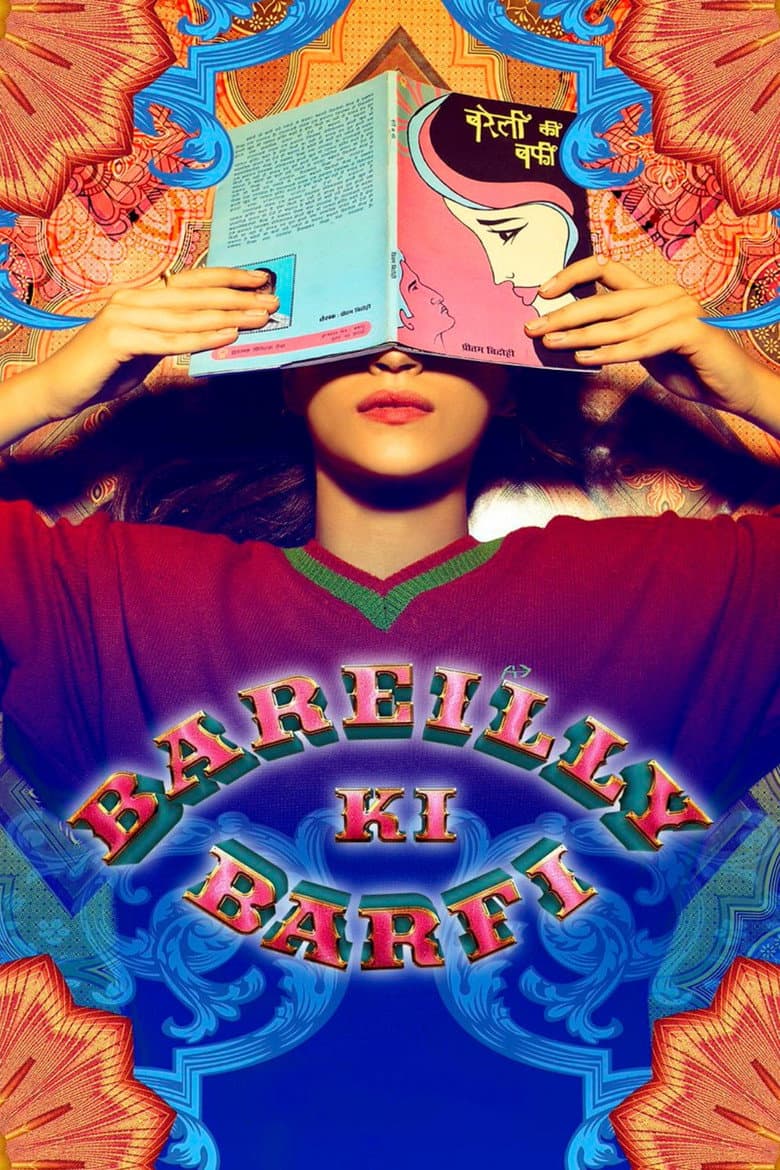
Bitti Mishra lives with her parents in Bareilly, a busy small city in Uttar Pradesh. She works at the state electricity office, smokes and drinks sometimes, loves breakdancing, and refuses to act like a quiet bride. Her mother keeps searching for a husband, while her father gives her room to choose her own life. The film uses warm comedy as Bitti reads a book about a girl like her and asks printer Chirag Dubey to help her find its writer, Pritam Vidrohi. The story makes Bitti's freedom and choice in love its clearest social message. Several scenes question why girls face rules about virginity, marriage, staying out late, and behavior that boys are allowed to enjoy. The film treats Bitti's father as right to trust her, while it makes her mother's marriage pressure and the suitor's double standard part of the joke. The plot then turns into a comic trick, because Chirag wrote the book and trains shy Pritam to act like a rough man so Bitti will stop loving him.
Community feedback
Was our 55% Woke rating accurate?
Breakdown
These are the editorial factors and ratings behind our score for Bareilly Ki Barfi.
Woke representation / casting
Bitti is cast as the central young woman who works, smokes, drinks, breakdances, and rejects marriage rules. The film presents these choices as unusual for her small-town setting and uses them to mark her as different. The rest of the main cast fits the Indian setting, and no broad diversity pattern or identity swap is present.
32%
Woke political dialogue
Bitti answers a suitor's virginity question by asking if he is a virgin. The scene points to a double standard where a woman's past matters more than a man's. The family returns more than once to arguments about girls, marriage, and the freedom given to Bitti. The film keeps these ideas inside its comedy and romance instead of turning them into a long speech.
39%
Identity-driven story themes
Bitti's refusal to be a quiet, marriage-focused girl remains a major part of the plot. The film supports her right to work, stay out late, smoke, drink, and choose a partner for herself. Her mother treats those choices as a problem, while her father accepts them and the book promises love that accepts her. The deception and love triangle then take over much of the second half, so the message is important but not the only focus.
53%
Western institutional / cultural critique
The marriage market judges Bitti for not being a good home girl. A suitor demands to know if she is a virgin, while the film makes his double standard look foolish. Her mother repeats the idea that a daughter who acts freely is a problem, while her father rejects that view. The comedy favors Bitti's freedom, but it does not attack Christianity, capitalism, or a wider Western institution.
42%
Woke character or canon changes
Not relevant. The story is a loose Indian adaptation of a French novel, but no woke change to an established character, canon, or real historical event is reported.
0%
Anti-woke backlash and complaints
Not present. The reviewed coverage shows favorable audience reaction and ordinary arguments about the ending, not a sustained anti-woke or anti-DEI complaint campaign. The X research pass found no anti-woke complaints.
0%
Creator track record context
Ashwiny Iyer Tiwari has a repeated focus on women who seek freedom and challenge social rules. Nitesh Tiwari has some gender-aware work but a broader commercial record and no strong activist persona. Vineet Jain and Mukesh Chhabra have representation-aware records, while the other listed writers and producers have little documented identity-focused history. This title fits the director's pattern, so the context is meaningful but moderate.
47%
Production

Movie · 2020
An on-the-lam punk rocker and a young woman obsessed with a local band go on an unexpected and epic journey together through the decaying suburbs of the American Midwest.

Movie · 2024
After a failed comeback album, a rock star retreats to a cliffside home on Cyprus, only to find his new life complicated by visitors — and an old flame.

Movie · 2018
Titu is going to marry a perfect woman named Sweety. Titu's best-friend Sonu doubts Sweety's character and tries to break the marriage while Sweety tries to do opposite and which…

Movie · 2024
In the summer of 1986, three sixteen year old friends spend their Saturdays sneaking into movies at the local multiplex.
Movie · 2022
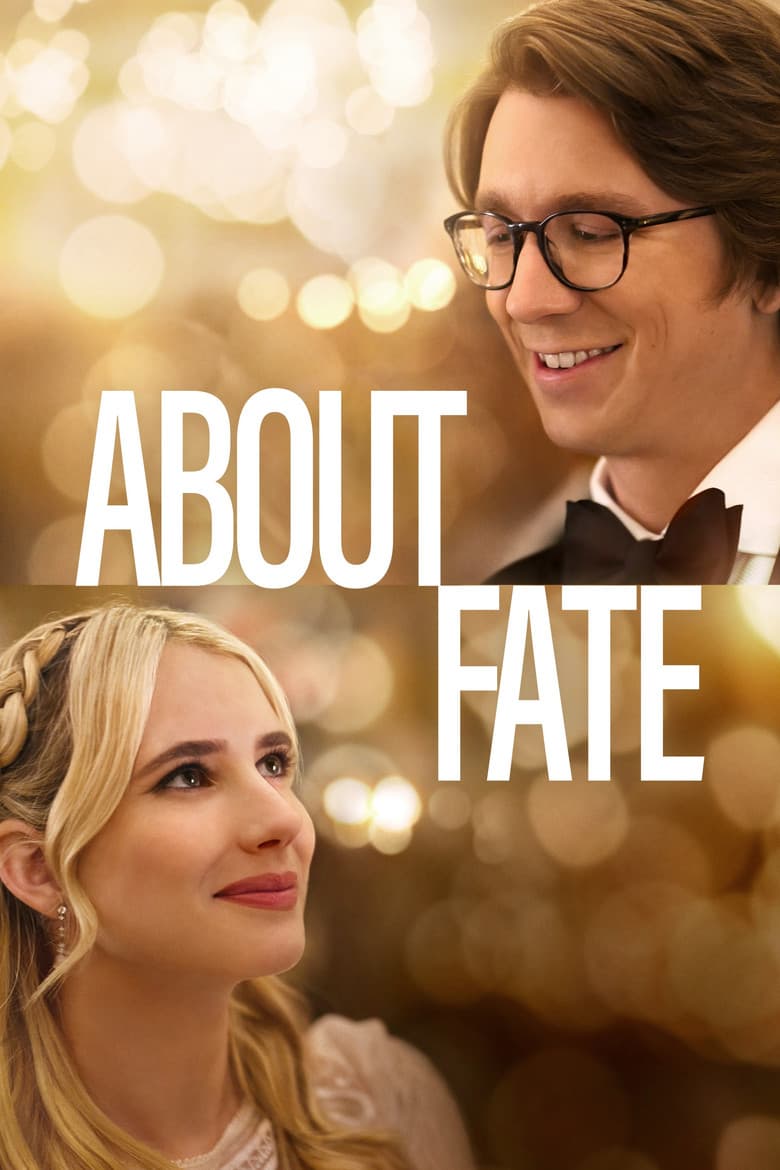
Two strangers believe in love but never seem to be able to find its true meaning. In a wild twist of events, fate puts each in the other's path on one stormy New Year's Eve.

Movie · 2019
Oh, Ramona! seeks the transformation of Andrew from a teenager into an adult who lives candidly and selflessly his first love story, innocent and uninvolved, alternating with the…

Movie · 2022
Students Hayley and James are young and in love. After saying goodbye for Christmas at a London train station, they both make the same mad split-second decision to swap trains and…

Movie · 2020
When carefree Nyles and reluctant maid of honor Sarah have a chance encounter at a Palm Springs wedding, things get complicated when they find themselves unable to escape the…
