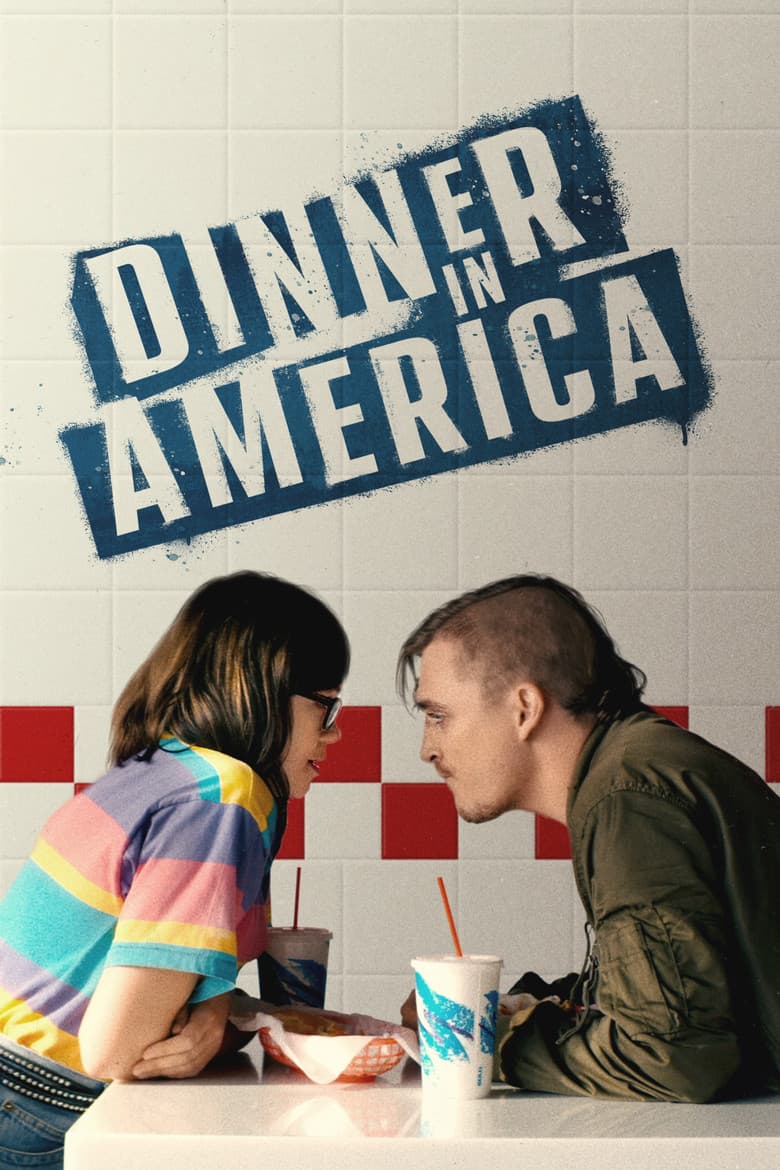
Simon is a wild punk singer on the run after causing big trouble in a Midwestern suburb. Patty is a shy, bullied young woman who loves his band and still lives with her dull family. They meet by chance, hide out together, and form a rough, funny romance. The tone is loud, gross, sweet, and anti-rules, with family dinners, bullying, and punk energy all mixed in.
The story is about two outsiders who find each other and learn to stand up for themselves. A normal viewer mainly sees punk romance, suburban mockery, and Patty gaining confidence, including a late push toward starting a girl punk band with friends. There is harsh bullying language and crude talk, plus jokes about uptight parents and boring middle-class life. Identity politics, race-first casting, or activist sermons are not the engine of the plot. The strongest “message” vibe is classic punk: be yourself, reject fakery, and reject the status quo.
Community feedback
Was our 30% Woke rating accurate?
Breakdown
These are the editorial factors and ratings behind our score for Dinner in America.
Woke representation / casting
Leads and main family are white suburban types. Reviews call it a very white film. No clear diversity-quota or identity-first casting in big roles. Patty is a strong female lead because the story needs her, not as a race or gender swap.
10%
Woke political dialogue
Talk is crude, angry, and punk, with heavy swearing and slurs from bullies and lowlife scenes. That is not modern activist speech about privilege or DEI. Small beats about bad bosses and standing up to jerks stay light and personal.
5%
Identity-driven story themes
Main themes are misfit love, self-worth, and being “punk” by being yourself. Patty’s growth and a girl-band ending add mild empowerment. Soft “awkward/neurodivergent outsider” vibes show up for some fans. Race, queer identity, or modern social-justice identity politics are not the story’s core.
30%
Western institutional / cultural critique
The film clearly mocks dull suburban dinners, uptight parents, jock bullies, and fake “nice” middle America. That is classic punk anti-conformity. Some viewers hear anti-toxic-masculinity and anti-police/status-quo heat. It is noticeable satire, not a full modern activist takedown of “whiteness” or Western life as a system.
36%
Woke character or canon changes
Not relevant. Original story, not a remake or history rewrite with identity-driven changes to known characters.
0%
Anti-woke backlash and complaints
No meaningful right-leaning or anti-woke campaign treating this title as woke/DEI propaganda. Public pushback is mostly about slurs, whiteness, or character toxicity, which does not count for this factor.
0%
Creator track record context
Cached key names average low (about 0–20). Profiles stress indie producing and non-activist public images, with only light progressive-adjacent notes on a few people—not a hard identity-politics track record for this package.
11%
Production

Movie · 2019
Oh, Ramona! seeks the transformation of Andrew from a teenager into an adult who lives candidly and selflessly his first love story, innocent and uninvolved, alternating with the…

Movie · 2022
Peter and Emma thought they were on the precipice of life’s biggest moments – marriage, kids, and houses in the suburbs – until their respective partners dumped them.

Movie · 2023
College freshman Abby tries to distance herself from her dark past while resisting her attraction to bad boy Travis.

Movie · 2023
After a disastrous first date, wild-child Nicole and socially-anxious Max vow to lose each other’s numbers until they learn that their dogs found a love match, and now puppies are…

Movie · 2024
A mild-mannered professor moonlighting as a fake hit man in police stings ignites a chain reaction of trouble when he falls for a potential client.
Movie · 2016
A girl falls for the "perfect" guy, who happens to have a very fatal flaw: he's a hitman on the run from the crime cartels who employ him.
Movie · 2020
A guy meets the woman of his dreams and invites her to his company's corporate retreat, but realizes he sent the invite to the wrong person.
Movie · 2023
On the brink of losing her childhood home, Maddie discovers an intriguing job listing: wealthy helicopter parents looking for someone to “date” their introverted 19-year-old son…
