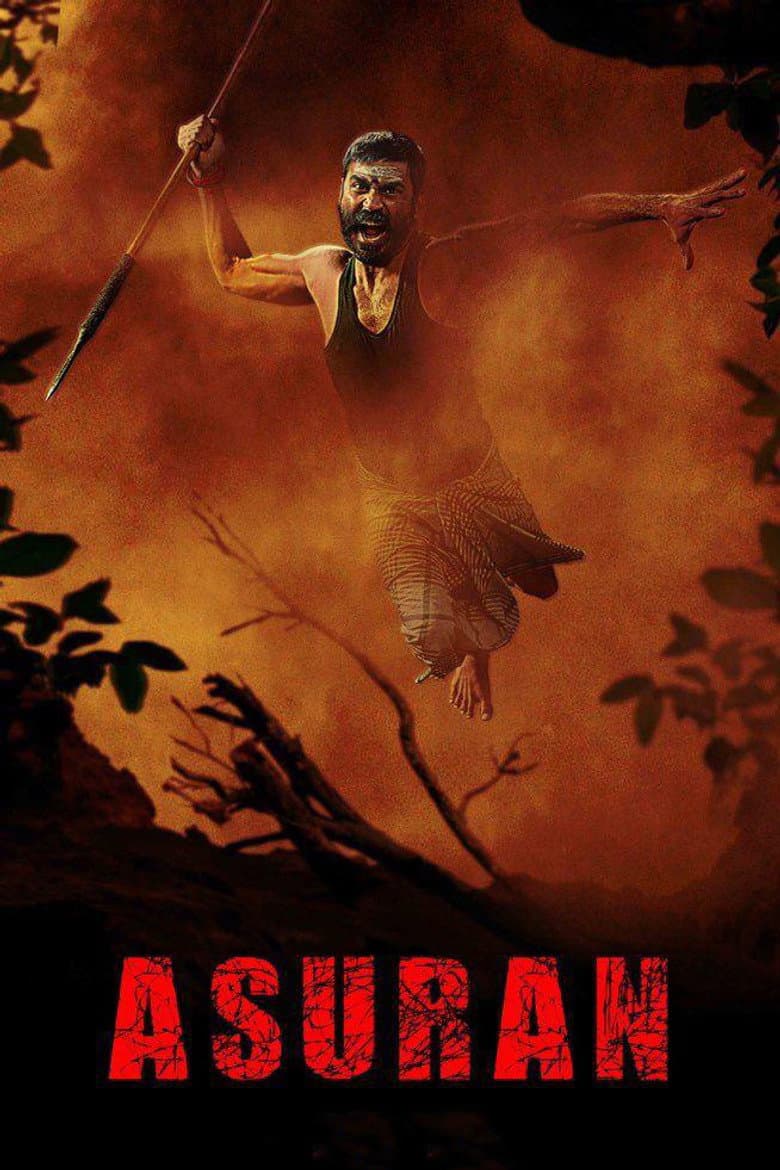
Asuran follows Sivasamy, a quiet farmer who lives with his wife and three children in rural Tamil Nadu. His teenage son kills a wealthy landlord after the landlord's family attacks them and kills the older son. Sivasamy must hide his son while facing men who want revenge and want his small farm for a factory. The film moves between the family's escape and Sivasamy's violent past, so the mood stays tense, grim, and bloody. The film makes caste power and land theft part of the main plot, not a side issue. It shows a lower-caste family being shamed, attacked, hunted, and burned because they resist a dominant-caste landlord. A Communist lawyer and the villagers speak about taking back land, joining protests, and standing up to unfair power. The ending tells the son to use education, reject revenge, and avoid treating others as his family was treated, so the film's identity-driven and social-justice message remains important even after the action ends.
Community feedback
Was our 82% Woke rating accurate?
Breakdown
These are the editorial factors and ratings behind our score for Asuran.
Woke representation / casting
Not present. The main roles use South Indian actors for a rural Tamil Nadu family and village world. The film does not present the casting as a diversity or identity statement.
0%
Woke political dialogue
The film repeatedly has characters discuss caste power, stolen land, public protests, and the rights of oppressed villagers. A lawyer tells workers that land taken from them should be reclaimed and that they must organize. Sivasamy says education can stop the powerful from taking what they own and urges his son to rise above hate. These lines are a continuing part of the second half and climax.
54%
Identity-driven story themes
The story centers a Dalit farming family, a community treated as lower by the local caste order. The main conflict starts when a dominant-caste landlord tries to take their land and punishes them for claiming equal respect. The film shows insults, violence, forced submission, and the burning of homes as part of caste power. The ending turns from revenge to education, equal rights, and rejecting hate.
78%
Western institutional / cultural critique
Not present. The film criticizes caste power, local landlords, and village authorities in rural Tamil Nadu. It does not attack Western institutions, Christianity, or modern Western family and gender norms.
0%
Woke character or canon changes
The film changes Poomani's novel Vekkai by making caste conflict and Panchami land central. Poomani said the novel did not aim at a particular caste and that its teenage narrator did not understand caste. The film gives much more weight to Sivasamy and adds a scene where he falls at villagers' feet to build sympathy. These source changes make the movie more openly anti-caste and political.
52%
Anti-woke backlash and complaints
X reaction included recurring claims from right-leaning Tamil and Hindu-right accounts that Vetrimaaran changed the book into Dravidianist or anti-Hindu propaganda. Similar propaganda complaints also appeared in scattered online discussion, but no organized boycott or review-bomb was found. Mainstream coverage focused on praise, caste themes, and a separate political fight over land claims. The complaint evidence is real but mostly partisan and scattered.
34%
Creator track record context
Vetrimaaran repeatedly makes films about caste, poor communities, state violence, and abuse of power. Manimaran and Poomani also have a record of writing about workers, class, and people pushed down by society. S. Thanu is mainly a commercial producer and gives little activist context. This background strongly supports the film's social and identity focus.
62%
Production
Movie · 2019
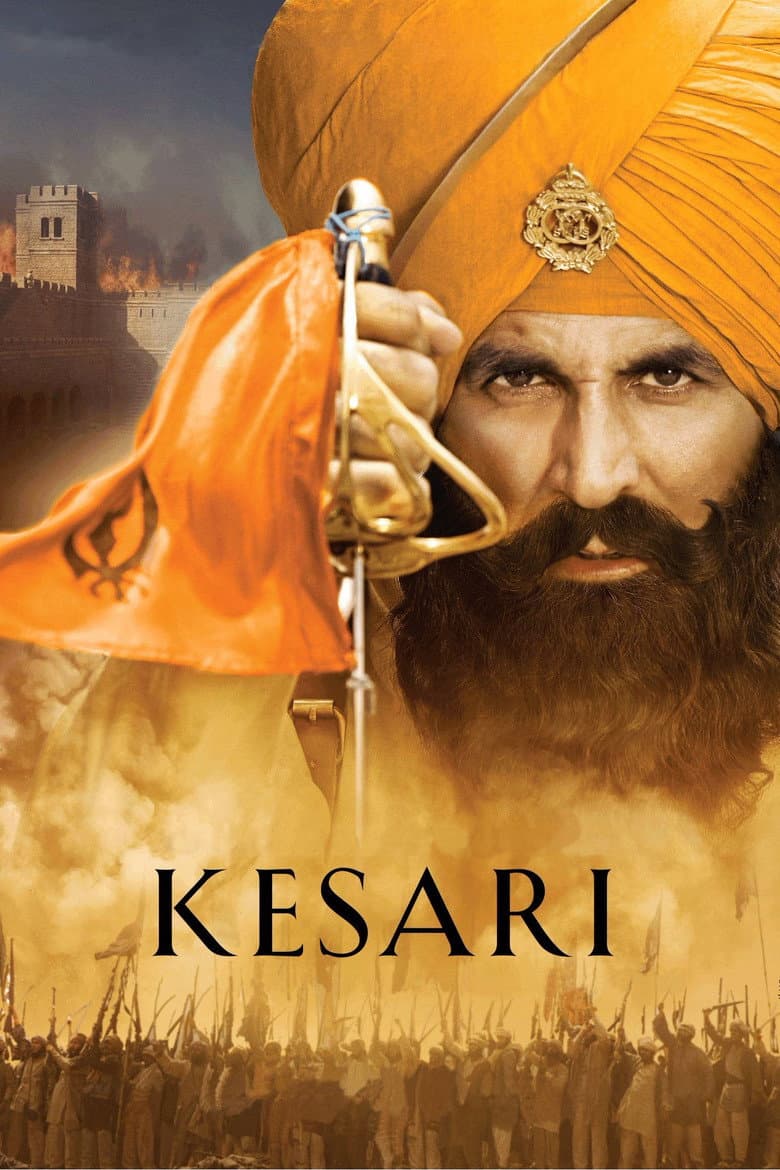
In 1897, an army of 21 Sikhs battles 10,000 Afghans to prevent the Saragarhi Fort from being taken down.
Movie · 2023
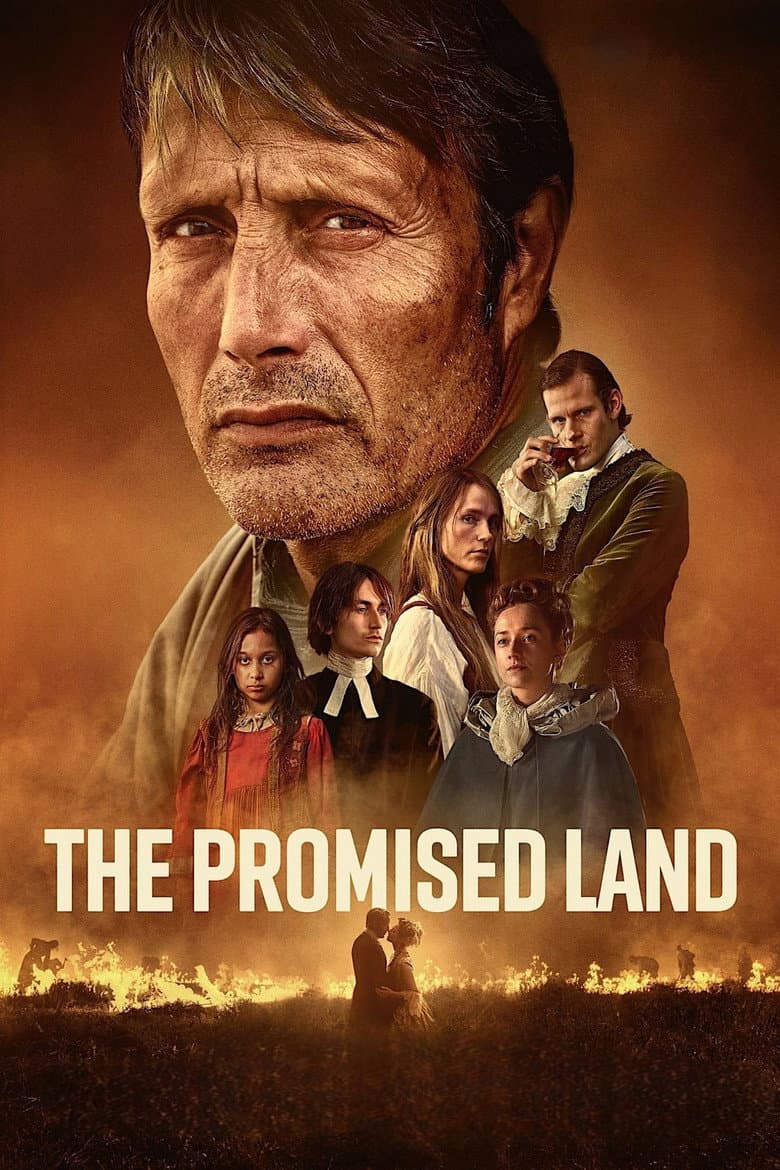
Denmark, 1755. Captain Ludvig Kahlen sets out to conquer a Danish heath reputed to be uncultivable, with an impossible goal: to establish a colony in the name of the king, in…
Movie · 2018
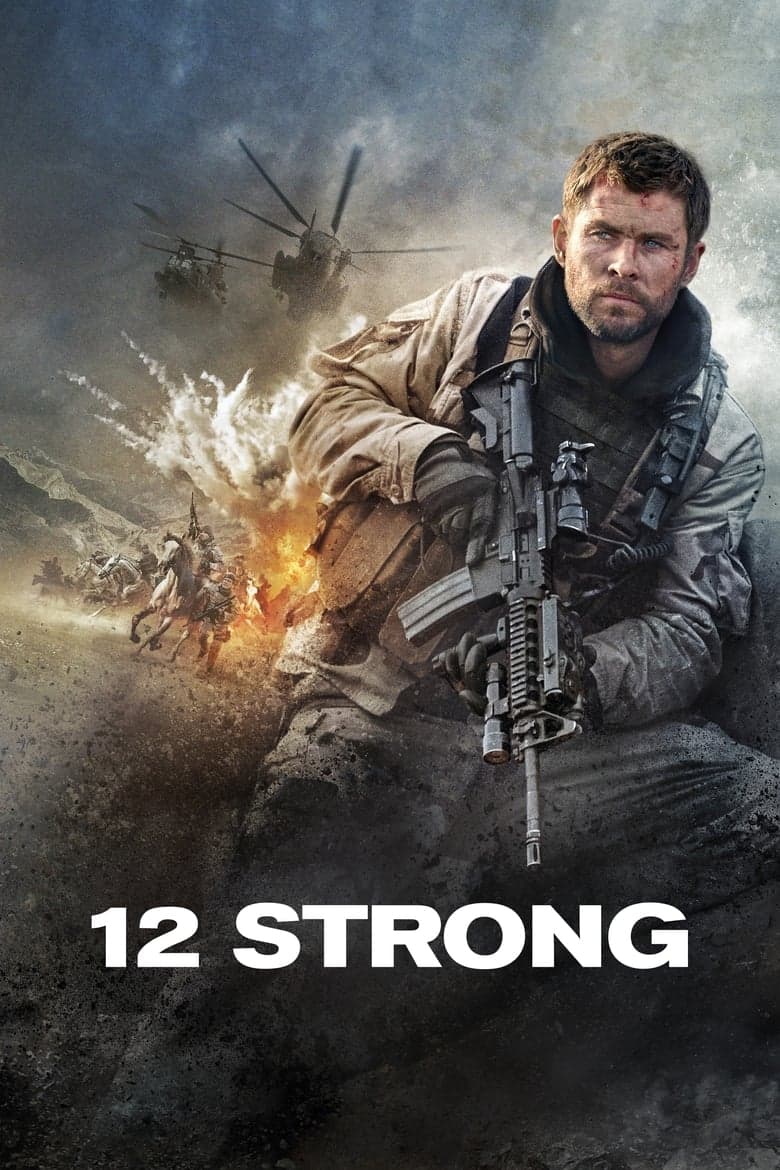
A team of special forces head into Afghanistan in the aftermath of the September 11th attacks in an attempt to dismantle the Taliban.
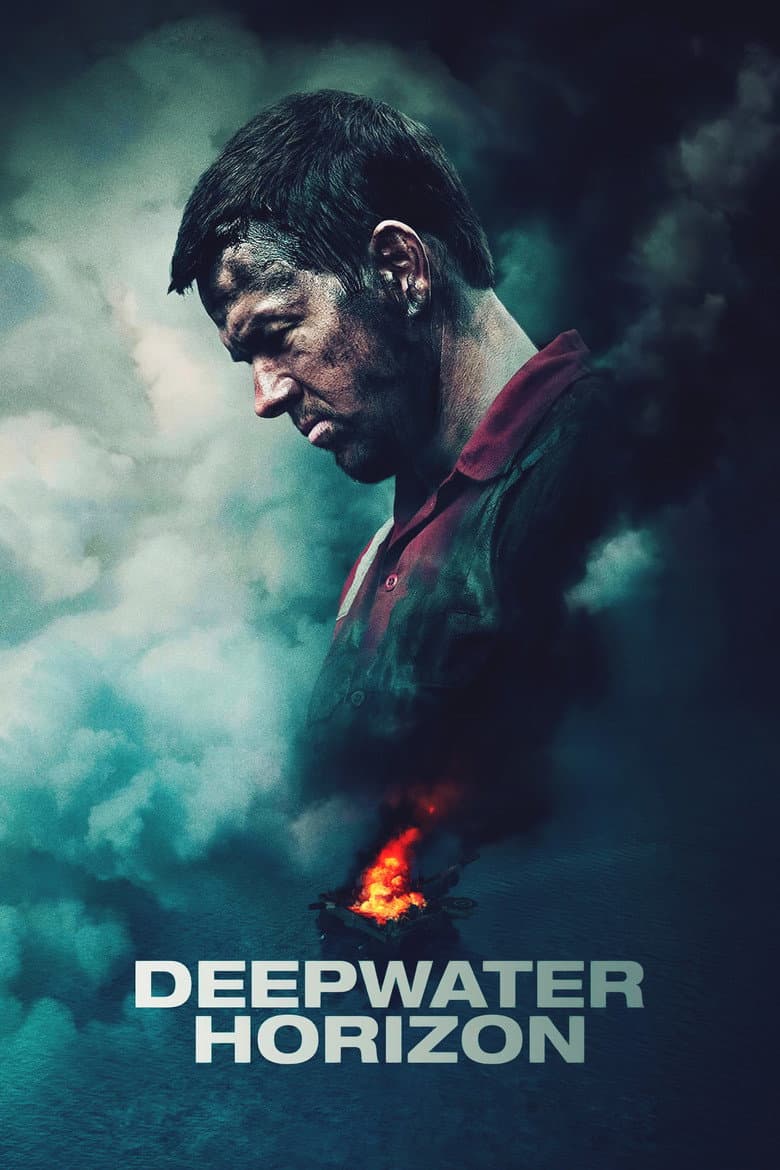
Movie · 2016
A story set on the offshore drilling rig Deepwater Horizon, which exploded during April 2010 and created the worst oil spill in U.S. history.

Movie · 2019
Cal is a dedicated cop who also serves as a sergeant in the Marine Corps Reserve. When his reckless half brother lands in jail for accidentally killing a man, Cal and his buddies…
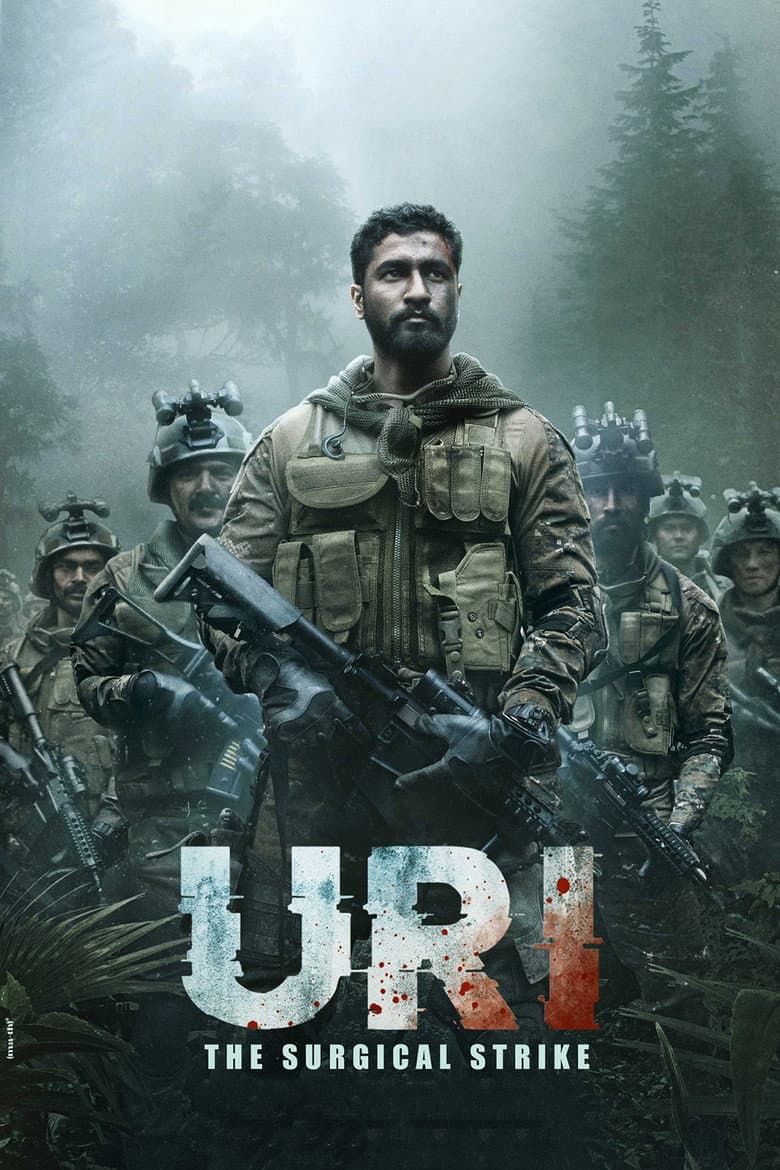
Movie · 2019
Following the roguish terrorist attacks at Uri Army Base camp in Kashmir, India takes the fight to the enemy, in its most successful covert operation till date with one and only…

Movie · 2017
Set in a dugout in Aisne in 1918, a group of British officers, led by the mentally disintegrating young officer Stanhope, variously await their fate.

Movie · 2021
Haunted by his mysterious past, a devoted high school football coach leads a scrawny team of orphans to the state championship during the Great Depression and inspires a broken…
