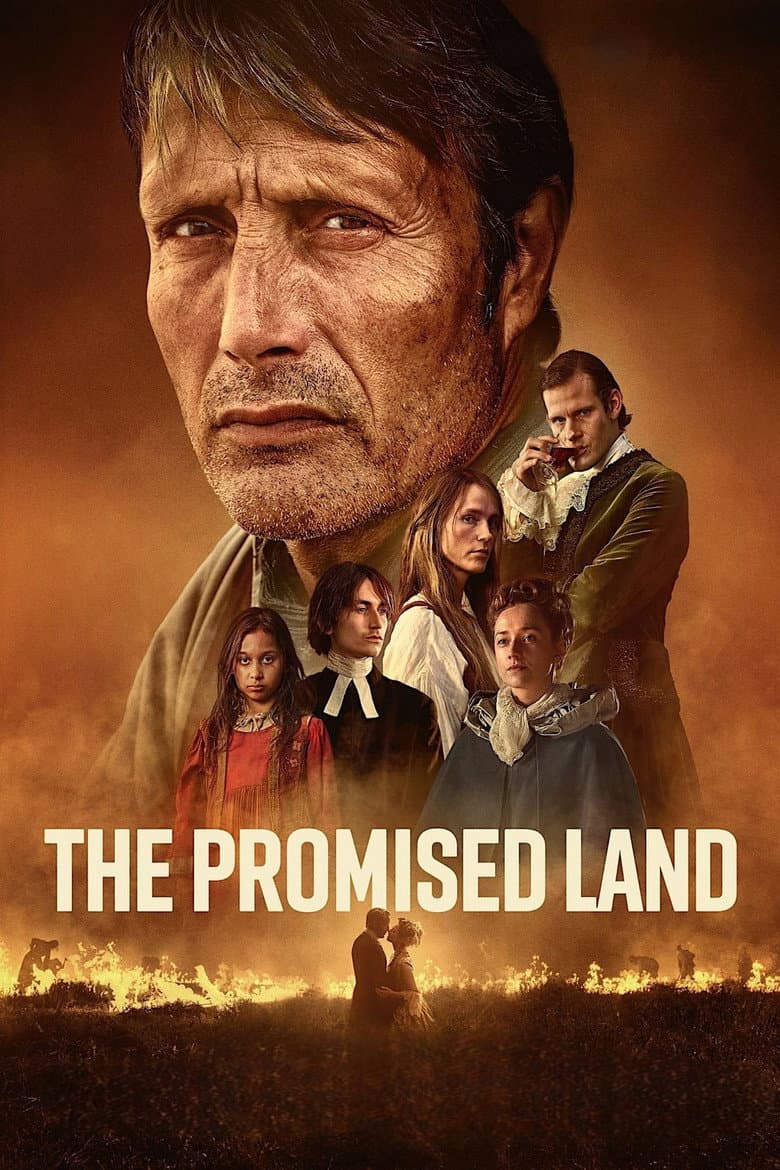
In 1755 Denmark, Captain Ludvig Kahlen leaves the army and asks the king for a chance to farm the empty Jutland heath. He wants a noble title and a better life, but the cruel landowner Frederik de Schinkel tries to drive him away. Kahlen gathers runaway workers, a young pastor, and a Romani girl named Anmai around his rough farm. The harsh land, attacks, hunger, and bitter rivalry slowly turn his proud business plan into a fight over loyalty and family.
The film gives Anmai a clear identity-based story because local people fear and mistreat her for being Romani and having dark skin. Her place in Kahlen’s new family forces him to choose between his royal reward and the people who depend on him. Ann Barbara also moves from abused servant to a strong and active partner who helps defend the farm. These themes add an anti-racist thread and a story about unfair treatment of women, but the film keeps them inside its 1750s setting.
Community feedback
Was our 28% Woke rating accurate?
Breakdown
These are the editorial factors and ratings behind our score for The Promised Land.
Woke representation / casting
The cast is mostly Danish and European, which fits the 1750s setting. The film gives a major supporting role to Anmai Mus, a Romani girl who is treated as strange because of her dark skin. That identity choice matters to the plot, but it is one historically placed role rather than a broad diversity pattern.
18%
Woke political dialogue
Not present. The film has racist insults and talk about rank, land, and power, but it does not use modern identity or activist speeches.
0%
Identity-driven story themes
The film gives Anmai a recurring story about race-based fear and abuse. Kahlen protects her, betrays her to gain help, and later chooses his family over his title. Ann Barbara also moves from abused servant to an active partner in the fight. The story uses these arcs to show how ambition and prejudice can destroy a home, but it keeps the message inside the period story.
33%
Western institutional / cultural critique
Not present. The film shows a cruel landowner, serf abuse, and a court that protects rank. Those are period conflicts about class and power, not modern activist criticism of Western institutions.
0%
Woke character or canon changes
Not relevant. The film adapts a historical novel inspired by Ludvig von Kahlen, but no race, gender, sexuality, or identity swap of an established character is shown.
0%
Anti-woke backlash and complaints
Right-leaning posts repeatedly shared the Venice clip and called the diversity question woke. TheWrap and Mediaite reported the exchange, while many posts praised the film for keeping its cast tied to 1750s Denmark. The reaction was notable but narrow, with no boycott, review-bombing, or organized campaign against the film.
25%
Creator track record context
The director and writers mainly make historical dramas, crime stories, and dark human dramas. The director has said the 1750s setting and the rare Romani character were chosen for this story, not to meet a diversity plan. The creators have no strong record of DEI or activist campaigning, so this factor stays low.
12%
Production
Movie · 2023
The story of Tim Ballard, a former US government agent, who quits his job in order to devote his life to rescuing children from global sex traffickers.

Movie · 2019
Vietnam War, 1966. Australia and New Zealand send troops to support the United States and South Vietnamese in their fight against the communist North.

Movie · 2021
After a blood- soaked jujitsu match in Dubai, fighting legend Mickey Kelley falls to superstar Blaine. But years later, an online video proves that Blaine cheated, and the world…
Movie · 2021
Haunted by his mysterious past, a devoted high school football coach leads a scrawny team of orphans to the state championship during the Great Depression and inspires a broken…
Movie · 2023
Set in the fictional dystopian city-state of Khansaar, the film follows the friendship between Deva, a tribesman, and Varadha, the prince of Khansaar.

Movie · 2017
Set in a dugout in Aisne in 1918, a group of British officers, led by the mentally disintegrating young officer Stanhope, variously await their fate.
Movie · 2021
A widowed farmer and his son warily take in a mysterious, injured man with a satchel of cash. When a posse of men claiming to be the law come for the money, the farmer must decide…
Movie · 2022
A fictional history of two legendary revolutionaries' journey away from home before they began fighting for their country in the 1920s.
