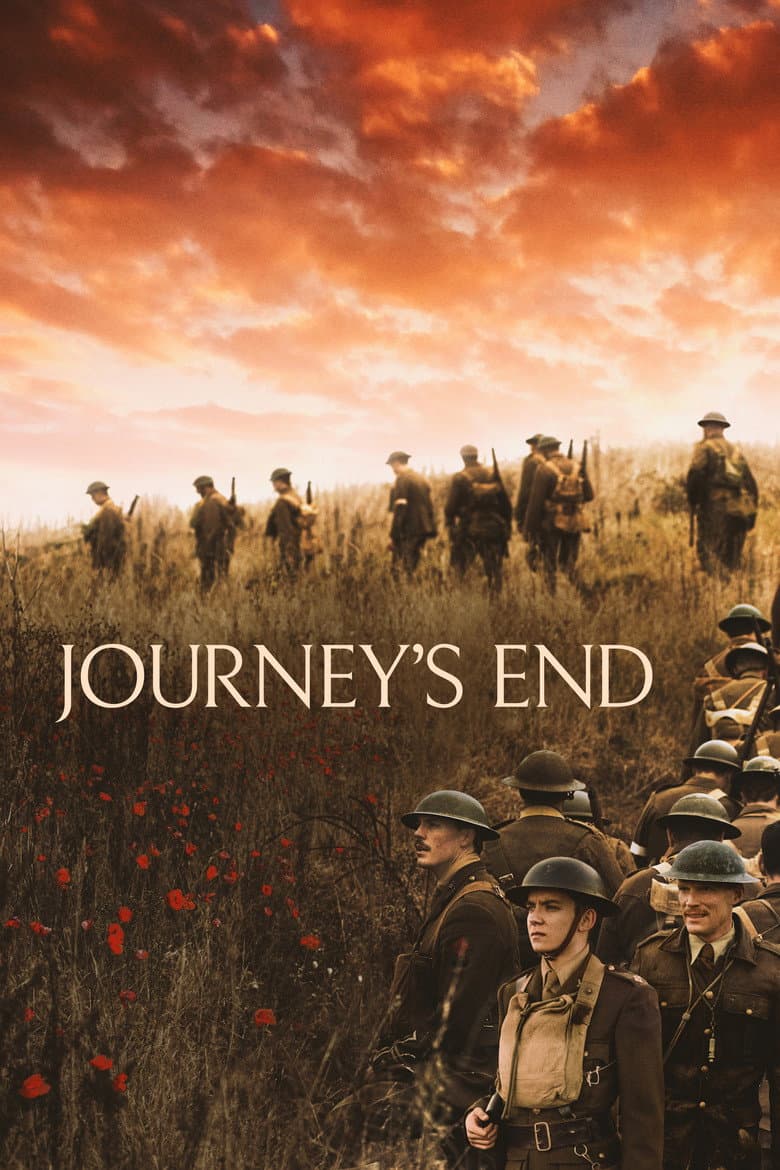
Journey’s End follows Captain Stanhope and the young officer Raleigh during the First World War. In March 1918, Raleigh joins Stanhope’s British company in a muddy trench in northern France after asking to serve beside his old school friend. Stanhope has become a hard, frightened drinker, while Raleigh still expects war to bring honor and excitement. The men wait for a German attack, and the film builds its tension through fear, silence, dark humor, and the knowledge that many of them will die.
The film centers on war trauma, duty, friendship, class, and the loss of innocence. Osborne tries to protect the younger men, while Stanhope struggles to lead after the fighting has broken his mind. A reckless daylight raid, ordered so senior officers can gain useful information, shows how leaders spend young lives for reports and orders. The story treats courage as care for frightened people, and it presents the trenches as a place where loyalty and shared fear matter more than glory.
Community feedback
Was our 3% Woke rating accurate?
Breakdown
These are the editorial factors and ratings behind our score for Journey's End.
Woke representation / casting
Not present. The film follows a British Army unit in 1918, and its main group is made up of historically fitting male officers and soldiers. The cast does not use a diversity message or unusual identity choices.
0%
Woke political dialogue
Not present. The soldiers talk about duty, fear, food, class, and battle. The film has no modern identity, DEI, gender-role, or activist lines.
0%
Identity-driven story themes
Not present. The main themes are war trauma, duty, friendship, fear, and loss. The film does not make race, gender, sexuality, or modern identity politics the point of the story.
0%
Western institutional / cultural critique
Not present. The film shows military leaders sending men into a deadly raid and contrasts senior officers with front-line troops. Those details serve the World War I story and are not used to argue that Western culture, religion, family life, or gender roles are bad.
0%
Woke character or canon changes
Not relevant. The film expands the 1928 stage story with wider trench scenes, dream images, and combat. It does not change a character’s race, gender, sexuality, or identity.
0%
Anti-woke backlash and complaints
Not present. The separate X search found no anti-woke complaints. Other searches found reviews and fan comments about war, acting, and close male friendships, but no clear claim that the film pushes woke or DEI ideas.
0%
Creator track record context
Available creator records show a mostly low woke and activist track record. Saul Dibb and the three writers are mainly linked to war drama, theatre, and older left-wing or human themes. Most producers have no strong activist record, although Mary Burke has produced LGBTQ-centered films and Steve Milne has worked with an LGBTQ film festival. Those links provide limited background and do not shape Journey’s End’s story.
14%
Production
Movie · 2019
Vietnam War, 1966. Australia and New Zealand send troops to support the United States and South Vietnamese in their fight against the communist North.
Movie · 2020
A small unit of U.S. soldiers, alone at the remote Combat Outpost Keating, located deep in the valley of three mountains in Afghanistan, battles to defend against an overwhelming…

Movie · 2021
After a blood- soaked jujitsu match in Dubai, fighting legend Mickey Kelley falls to superstar Blaine. But years later, an online video proves that Blaine cheated, and the world…
Movie · 2019
Cal is a dedicated cop who also serves as a sergeant in the Marine Corps Reserve. When his reckless half brother lands in jail for accidentally killing a man, Cal and his buddies…
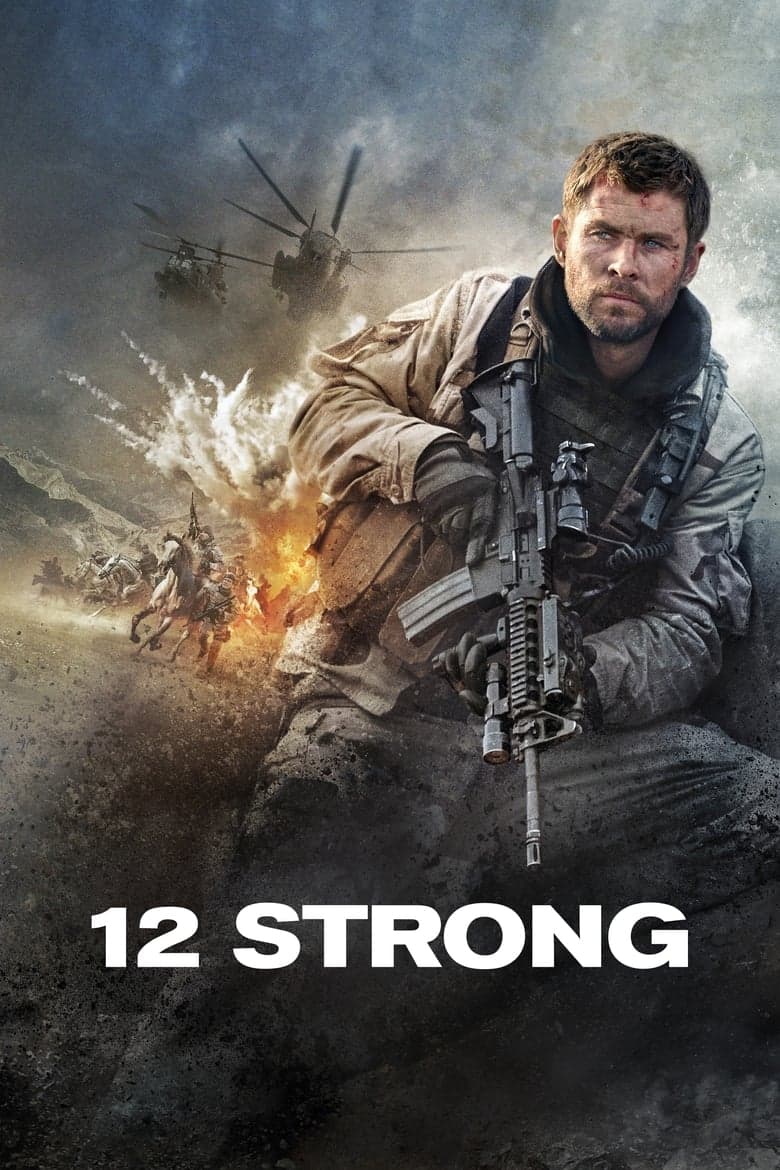
Movie · 2018
A team of special forces head into Afghanistan in the aftermath of the September 11th attacks in an attempt to dismantle the Taliban.
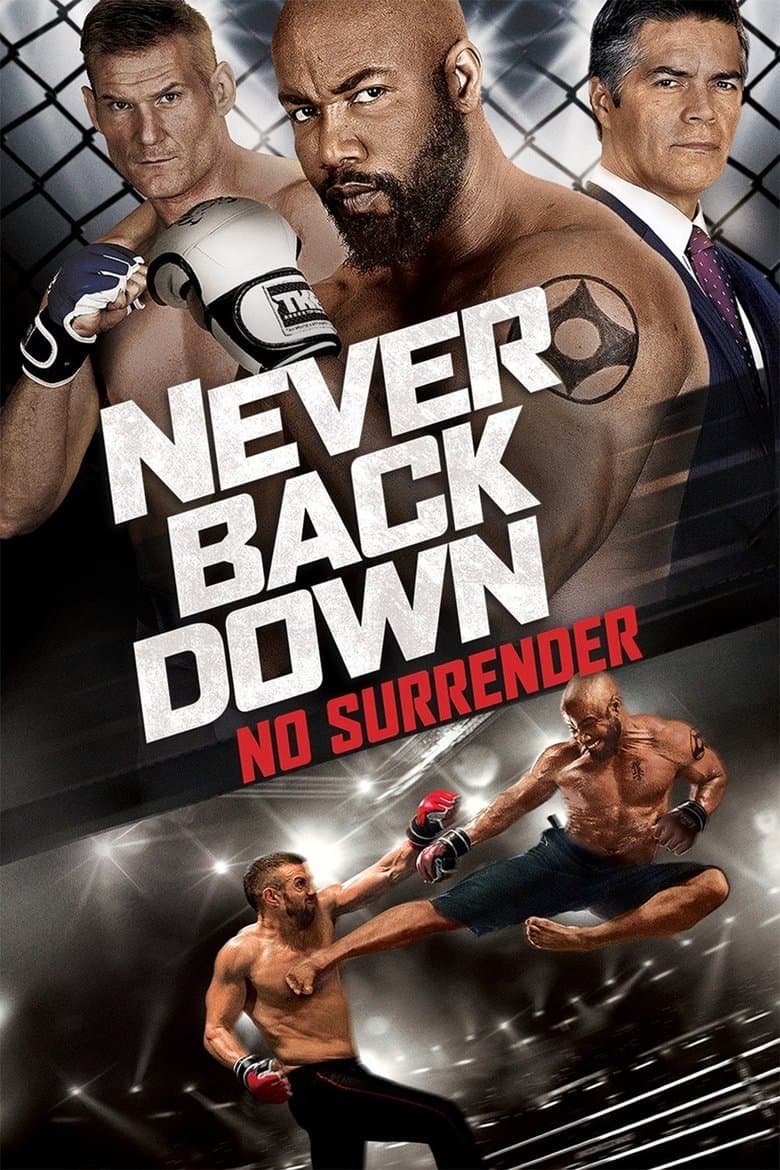
Movie · 2016
Picking up after the events of Never Back Down 2, former MMA champion Case Walker is on the comeback trail to become champion once again.

Movie · 2025
In the late 1990s, up-and-coming mixed martial artist Mark Kerr aspires to become the greatest fighter in the world.
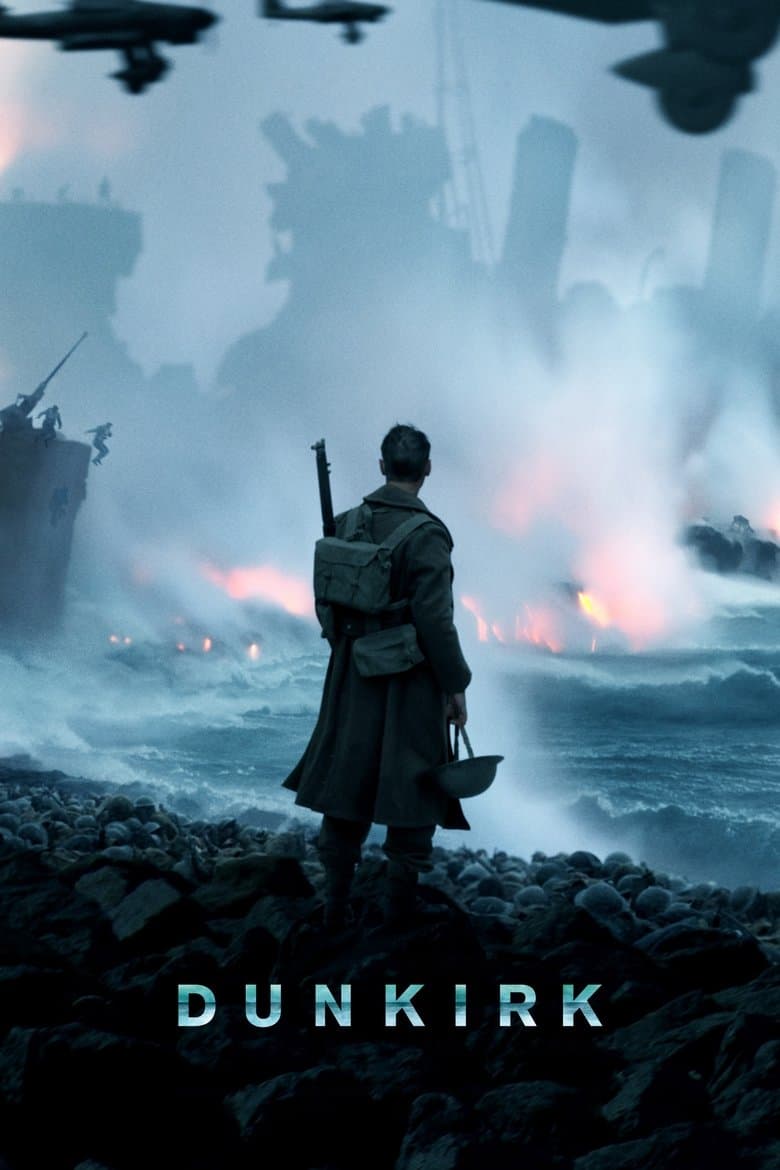
Movie · 2017
The story of the miraculous evacuation of Allied soldiers from Belgium, Britain, Canada and France, who were cut off and surrounded by the German army from the beaches and harbour…
