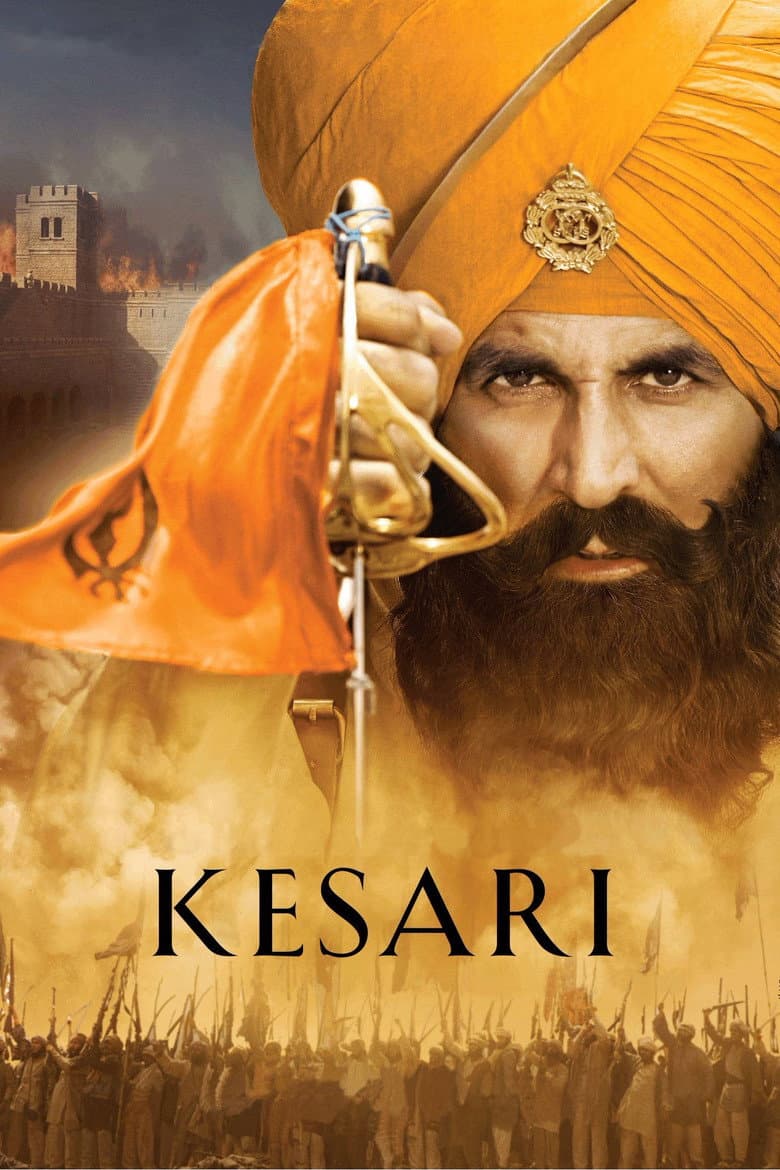
In 1897, Havildar Ishar Singh leads 21 Sikh soldiers at Saragarhi Fort in the North West Frontier. The fort guards a signal post between two larger British forts as thousands of Afghan tribesmen move against it. Ishar must steady a rough group of soldiers while facing an enemy many times larger. The film uses loud action, songs, jokes, and emotional speeches to tell a tragic war story. The story gives strong weight to Sikh faith, brotherhood, courage, and sacrifice. Ishar also challenges his British officer and says his men should choose to fight for their own land and honor. The film invents an Afghan woman in danger from a cleric and uses the cleric as the main enemy. These scenes create a sharp religious contrast, while the main story celebrates military duty, patriotism, and martyrdom.
Community feedback
Was our 4% Woke rating accurate?
Breakdown
These are the editorial factors and ratings behind our score for Kesari.
Woke representation / casting
Not present. The main cast follows the story’s Sikh regiment and Afghan opposition in a 19th-century border war. The women shown are a wife and an Afghan woman in a short rescue plot, not part of a diversity-first group.
0%
Woke political dialogue
Not present. The film has patriotic speeches about courage, land, faith, and sacrifice. It does not use repeated modern lines about DEI, gender politics, sexuality, or activist causes.
0%
Identity-driven story themes
Not present. as a modern identity message. The story centers Sikh faith, religious courage, and martyrdom during a 1897 battle. It does not turn those ideas into a current race, gender, sexuality, or DEI campaign.
0%
Western institutional / cultural critique
Not present. The film shows British colonial officers as harsh and treats Afghan attackers as enemies in a period war. It does not make a modern critique of Western institutions, patriarchy, Christianity, or conservative social values.
0%
Woke character or canon changes
Not relevant. The film changes several historical details, including the rescue story, mosque building, and battle events. The film does not change a known person’s race, gender, sexuality, or heroic role to make an identity statement.
0%
Anti-woke backlash and complaints
Not present. The supplied X pass found no anti-woke complaints, while a few right-leaning accounts praised the film as not woke. Reported criticism focused on history and the portrayal of Muslims, not on DEI or activist messaging.
0%
Creator track record context
Anurag Singh’s earlier Punjab 1984 focuses on Sikh civilian trauma. Karan Johar has a stronger record of gender and queer themes in other work. Akshay Kumar’s social causes are mostly public-service issues. The other listed creators have no clear activist or DEI record. Kesari itself is a patriotic historical war film, so this background is only a mild supporting signal.
20%
Production
Movie · 2019
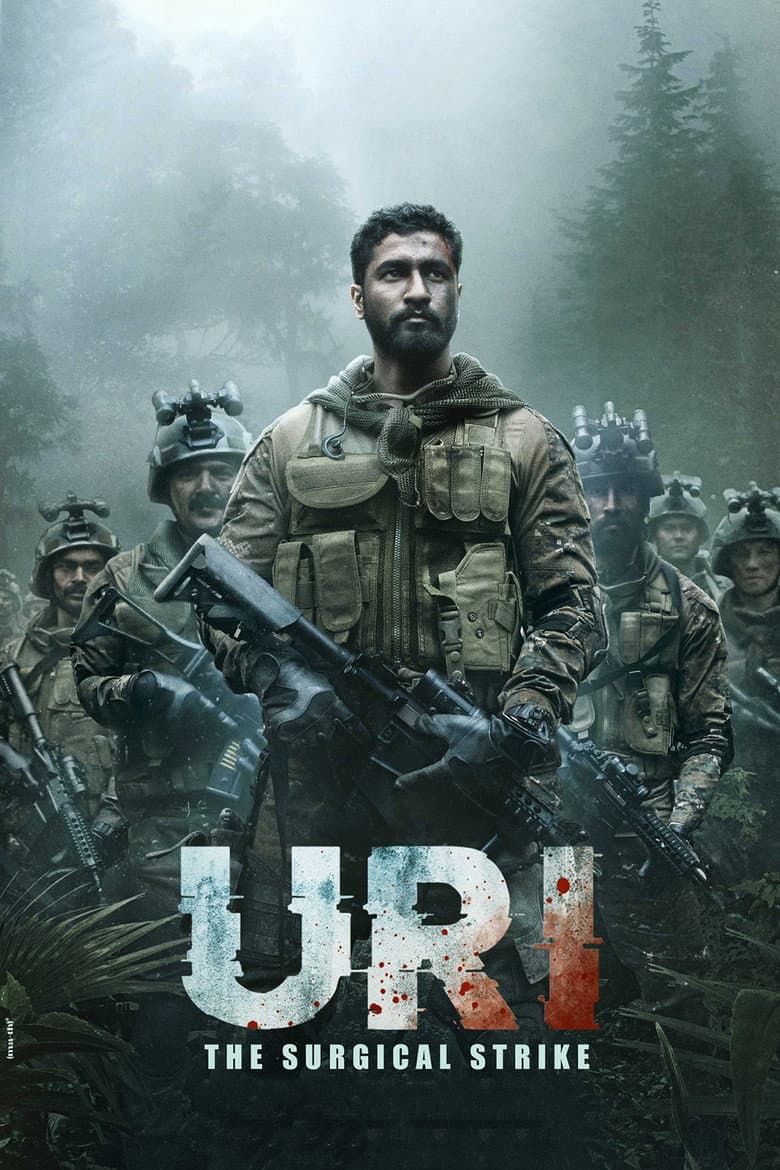
Following the roguish terrorist attacks at Uri Army Base camp in Kashmir, India takes the fight to the enemy, in its most successful covert operation till date with one and only…
Movie · 2023
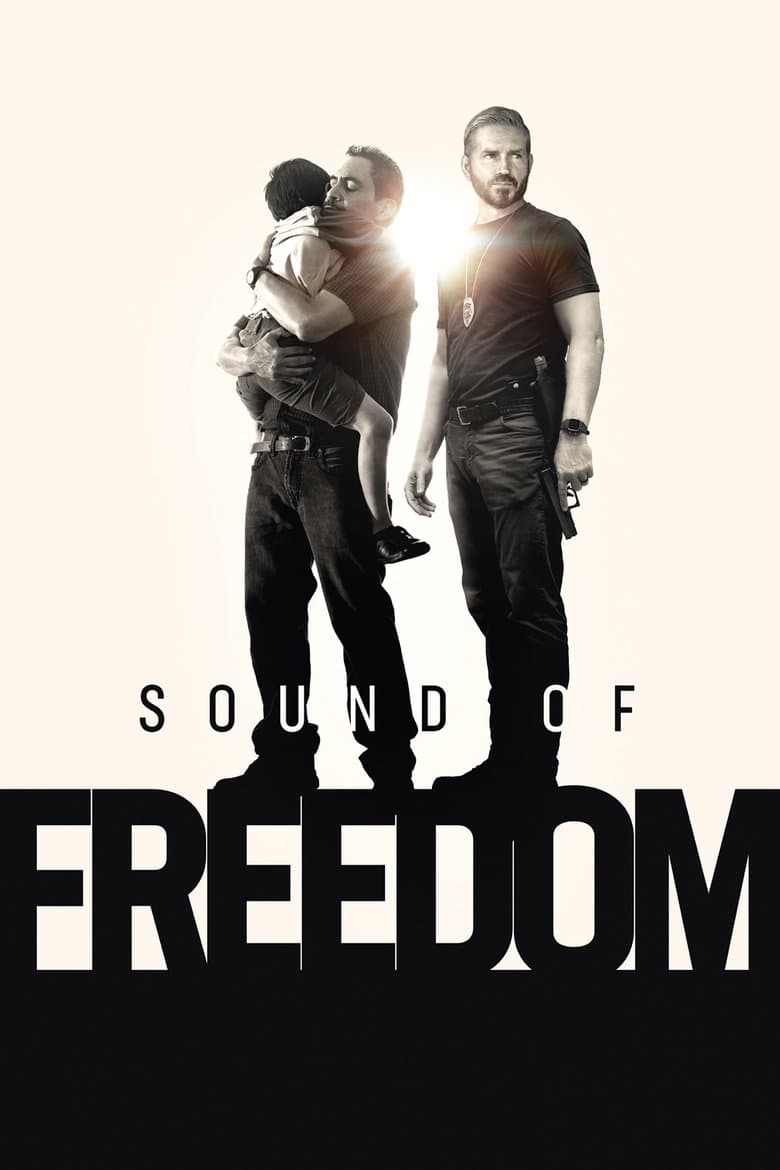
The story of Tim Ballard, a former US government agent, who quits his job in order to devote his life to rescuing children from global sex traffickers.

Movie · 2018
One year after the events of "Kickboxer: Vengeance", Kurt Sloan has vowed never to return to Thailand. However, while gearing up for a MMA title shot, he finds himself sedated and…

Movie · 2021
After a blood- soaked jujitsu match in Dubai, fighting legend Mickey Kelley falls to superstar Blaine. But years later, an online video proves that Blaine cheated, and the world…

Movie · 2017
Set in a dugout in Aisne in 1918, a group of British officers, led by the mentally disintegrating young officer Stanhope, variously await their fate.
Movie · 2021
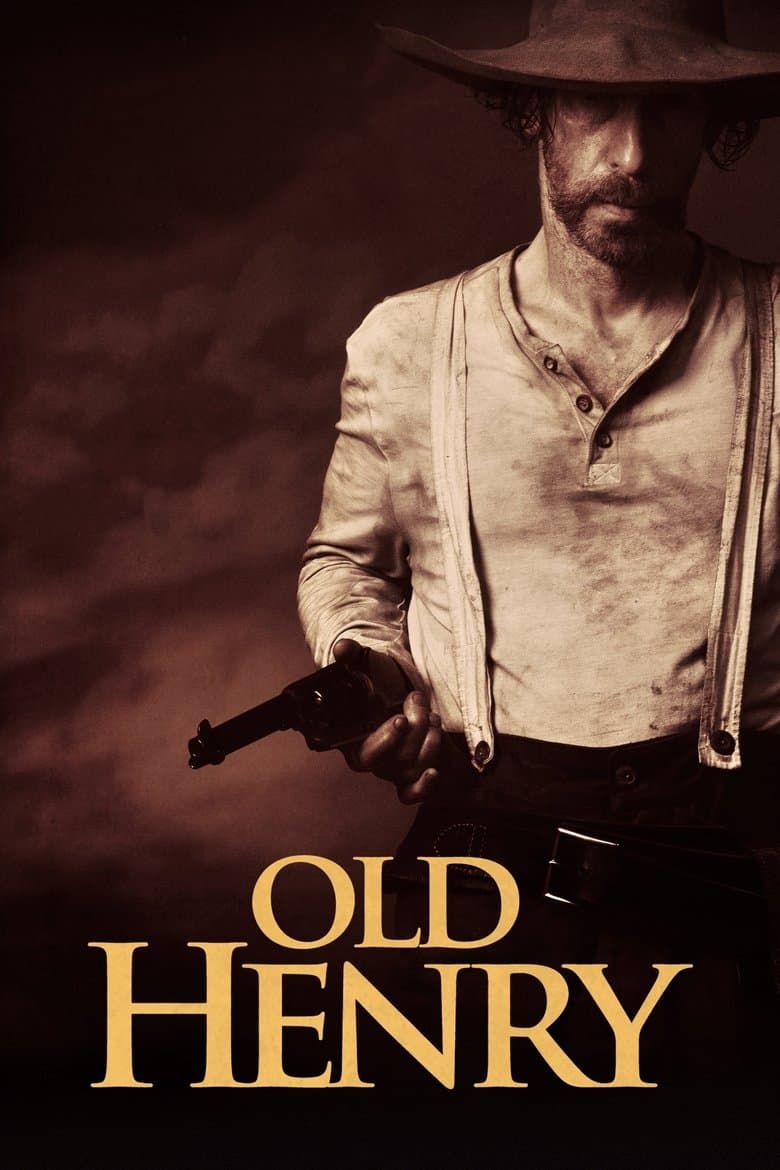
A widowed farmer and his son warily take in a mysterious, injured man with a satchel of cash. When a posse of men claiming to be the law come for the money, the farmer must decide…
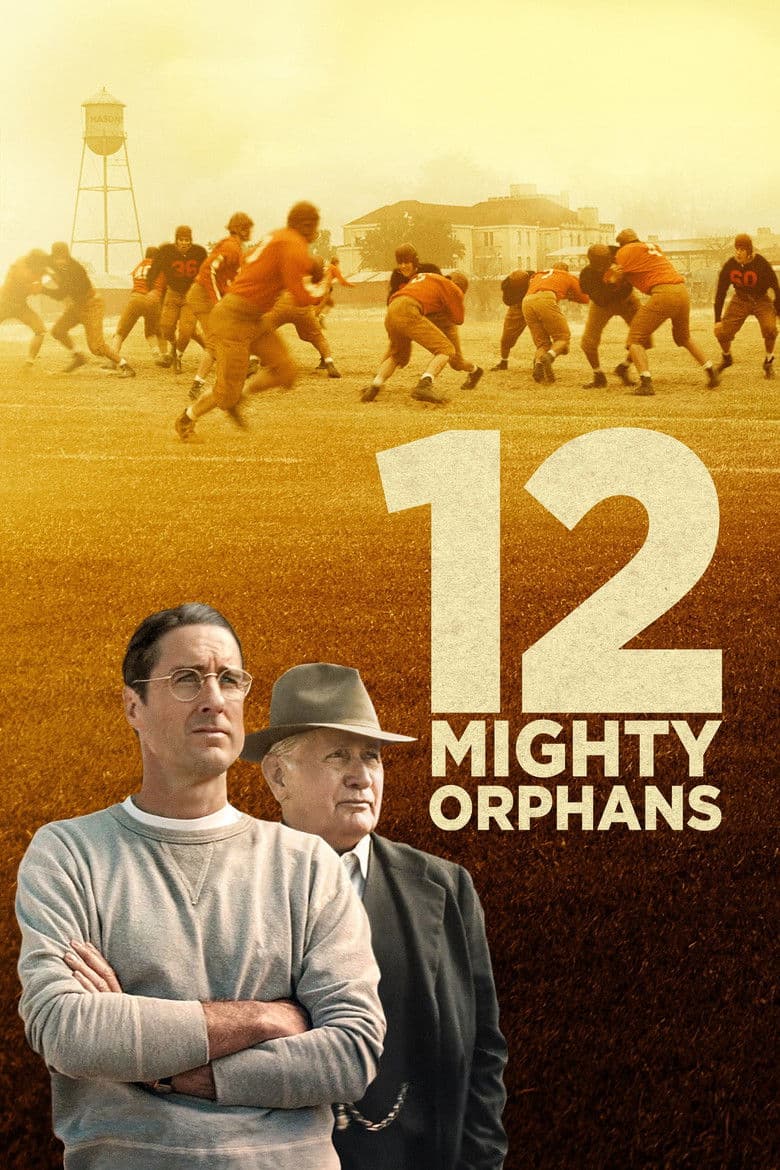
Movie · 2021
Haunted by his mysterious past, a devoted high school football coach leads a scrawny team of orphans to the state championship during the Great Depression and inspires a broken…
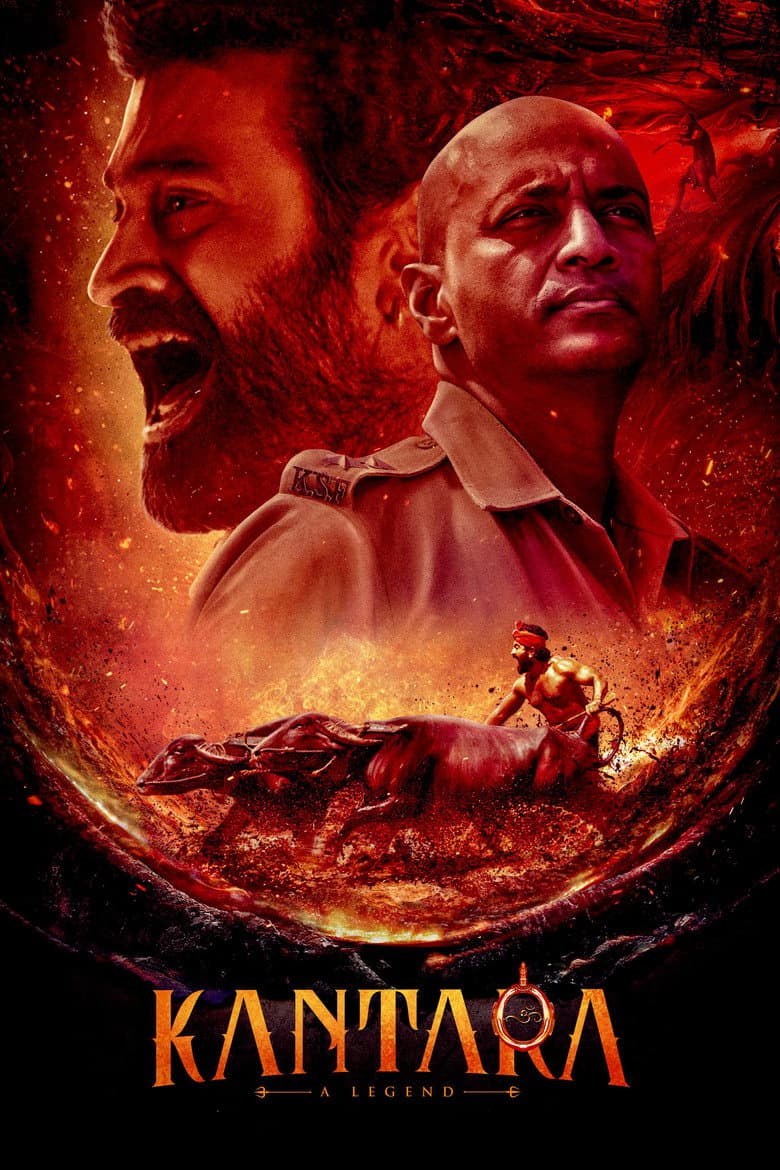
Movie · 2022
Shiva, a tribal vagabond lives with his mother in hamlet, stays away from the traditional Daivaradhane and Bhoota Kola legacy due to an unforgettable childhood incident.
