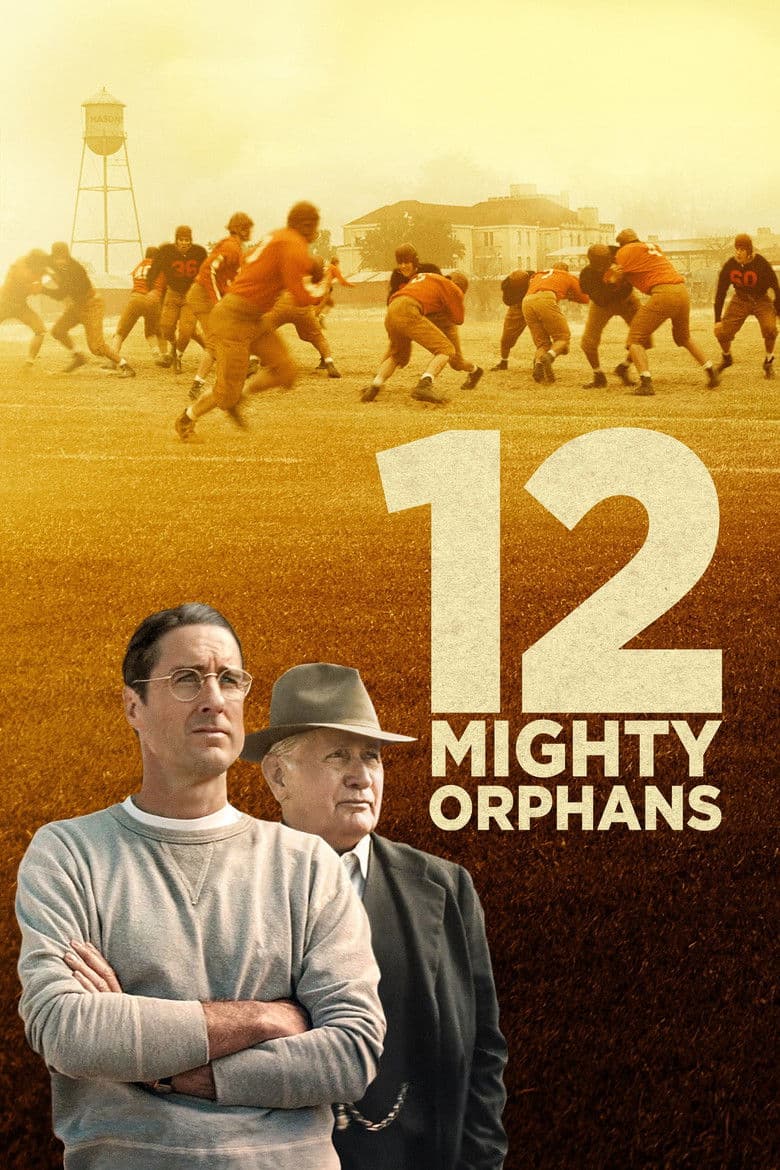
During the Great Depression in Fort Worth, Texas, coach Rusty Russell leaves a better job to teach and coach football at a Masonic orphanage. The boys are poor, small, and looked down on as “inmates.” With little gear and help from kind doctor Doc Hall, Rusty builds a rough team called the Mighty Mites. The film is a warm underdog sports story about grit, hope, and father figures.
The film stays on classic sports themes: hard work, teamwork, and kids finding worth through football. Viewers see class bias against orphans, a cruel orphanage boss who uses the boys for labor, and a coach who invents clever plays so small players can beat bigger teams. Women appear mainly as a supportive wife and teacher. A few Latino players appear with little focus. Faith is only a light Bible comparison (David and Goliath). There is no modern identity-politics plot, no activist race or gender lectures, and no queer storyline. Normal viewers would see a feel-good true-story football movie, not a social-justice message film.
Community feedback
Was our 7% Woke rating accurate?
Breakdown
These are the editorial factors and ratings behind our score for 12 Mighty Orphans.
Woke representation / casting
Main roles fit a 1930s Texas orphanage football story: white male coach, male team, supporting wife/teacher. Two Latino-coded players appear with little focus. No clear identity-first casting or quota-style star roles a normal viewer would flag as modern representation pushing.
0%
Woke political dialogue
Talk centers on orphans as second-class, hard work, hope, and fair play. Period snobbery and one crude line equating orphans playing football with “letting women vote” show old prejudice, not modern activist race/gender/sexuality sermons. Mild class stigma language only.
8%
Identity-driven story themes
Story is orphan stigma, poverty, mentorship, and underdog football. That is social-class hardship and grit, not modern identity politics about race, gender, or queer identity. A normal viewer sees classic sports uplift, not DEI messaging.
5%
Western institutional / cultural critique
Film attacks a corrupt orphanage boss (beatings, child labor) and people who look down on orphans. That is period abuse and class snobbery, not modern attacks on “toxic masculinity,” faith, family norms, or Western culture as systems of oppression. Tone favors traditional father figures and hard work.
0%
Woke character or canon changes
Not relevant. Book-to-film changes (timeline squeeze, fictional orphan past for Russell, invented league/FDR beats) are ordinary drama choices, not race/gender swaps or identity-driven rewrites of real figures.
0%
Anti-woke backlash and complaints
No meaningful anti-woke or right-leaning campaign claiming the film pushes DEI or identity politics. Available reaction often treats it as wholesome or non-woke sports fare. Left-side “not diverse enough” notes do not count here.
0%
Creator track record context
Cached crew context is mostly craft-focused with near-zero activist scores. One producer (Baker, 28) has separate identity-themed credits elsewhere; that is weak support only and does not shape this football drama’s messaging.
8%
Production
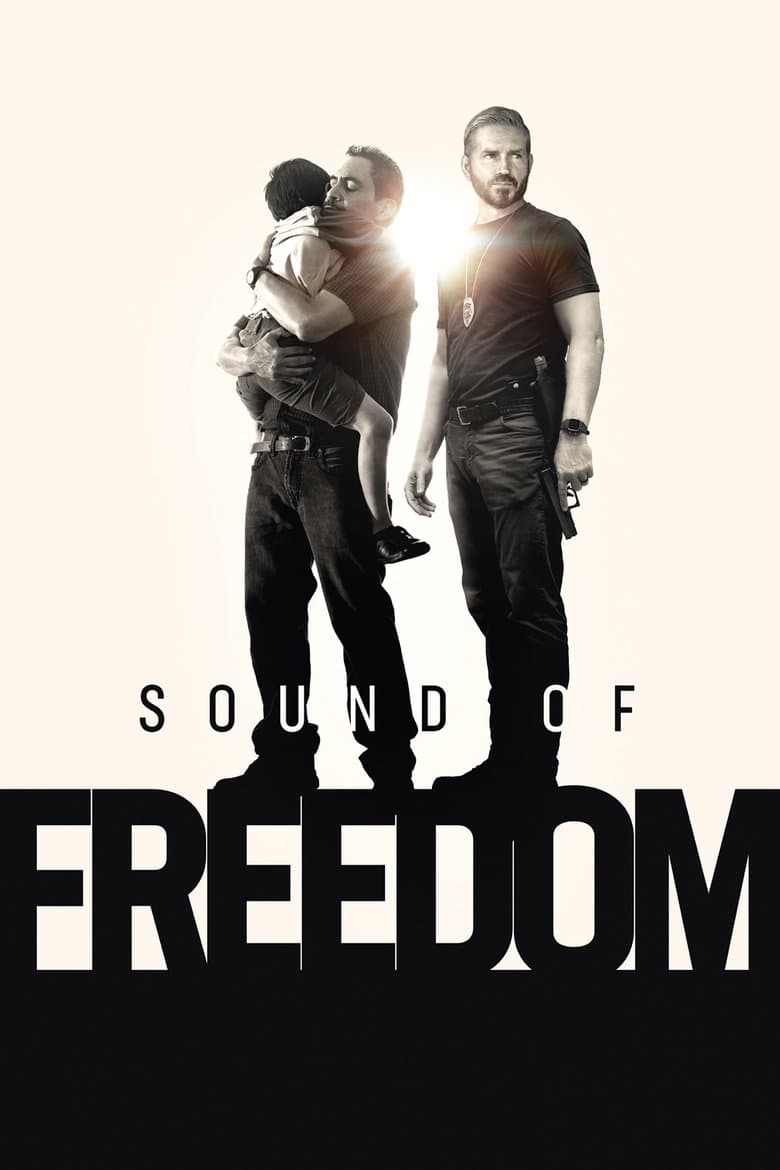
Movie · 2023
The story of Tim Ballard, a former US government agent, who quits his job in order to devote his life to rescuing children from global sex traffickers.

Movie · 2019
American car designer Carroll Shelby and the British-born driver Ken Miles work together to battle corporate interference, the laws of physics, and their own personal demons to…
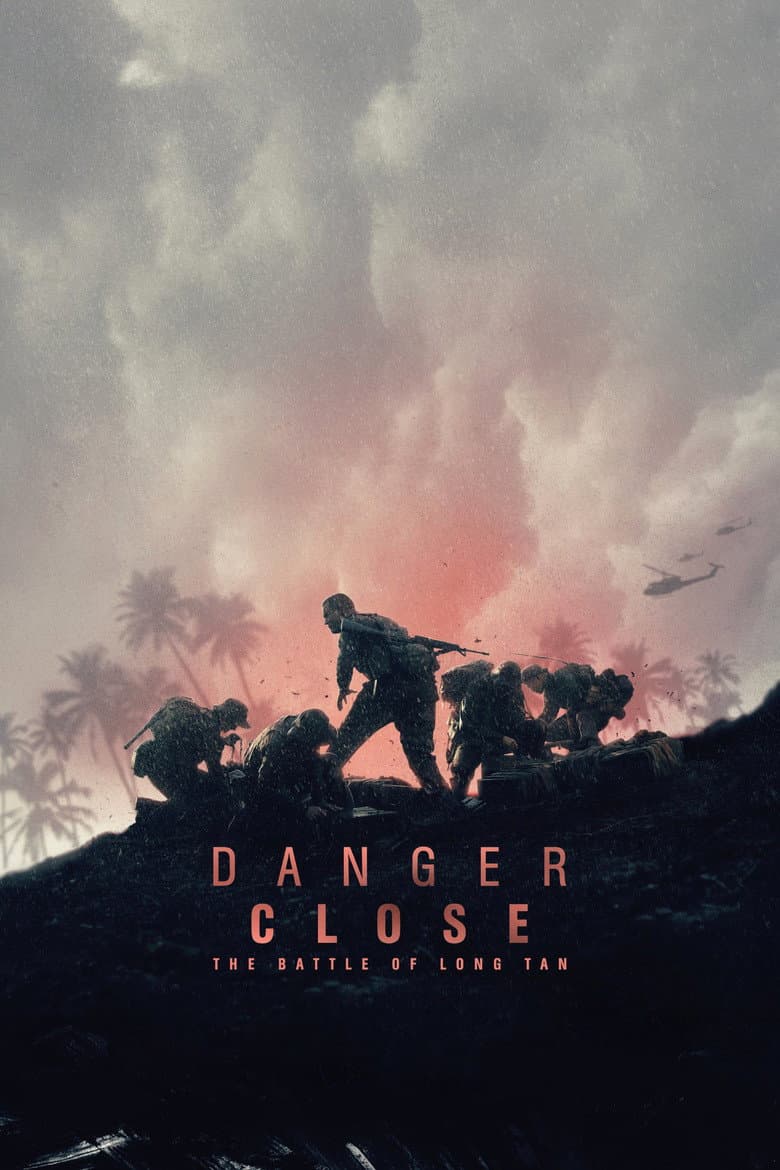
Movie · 2019
Vietnam War, 1966. Australia and New Zealand send troops to support the United States and South Vietnamese in their fight against the communist North.
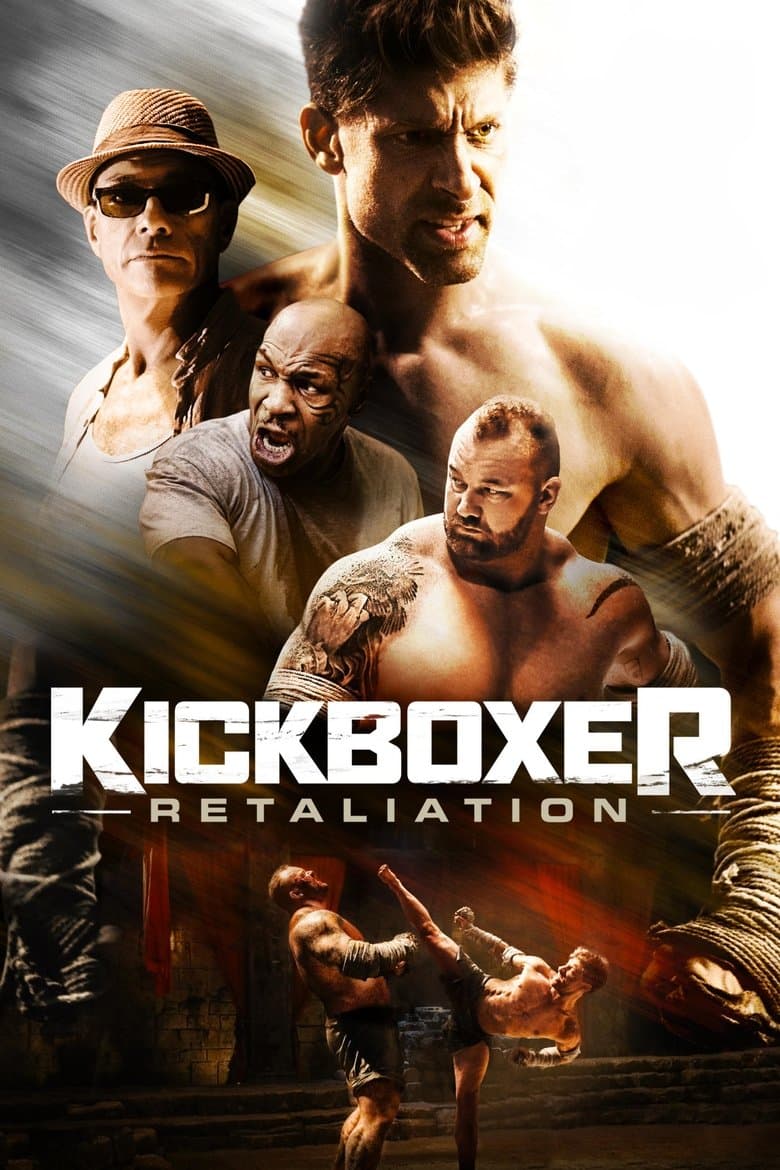
Movie · 2018
One year after the events of "Kickboxer: Vengeance", Kurt Sloan has vowed never to return to Thailand. However, while gearing up for a MMA title shot, he finds himself sedated and…
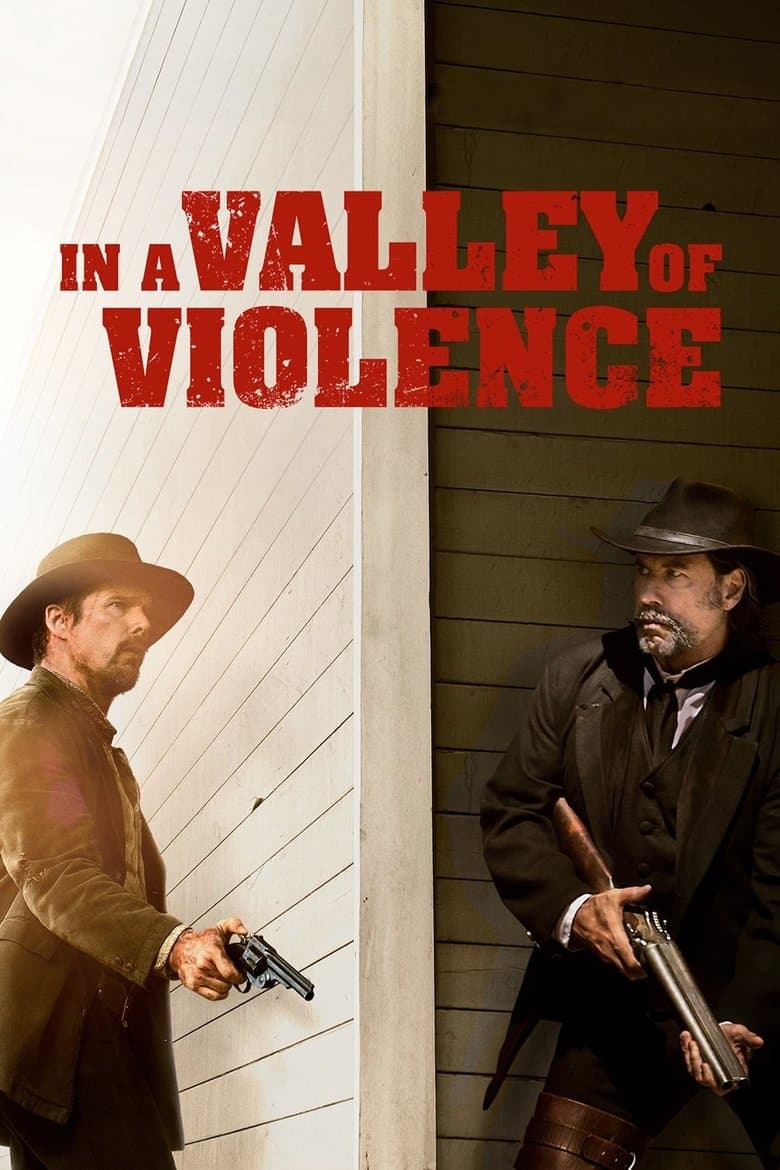
Movie · 2016
The story of a drifter named Paul who arrives in a small town seeking revenge on the thugs who murdered his friend.
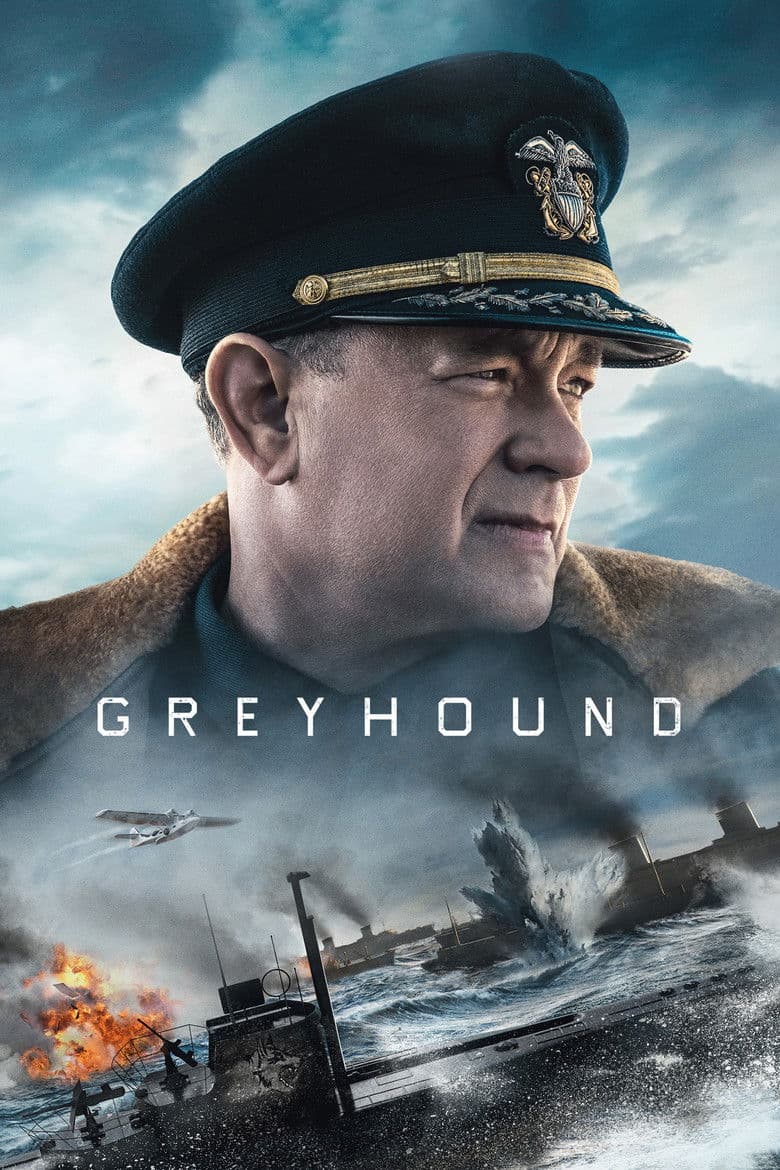
Movie · 2020
A first-time captain leads a convoy of allied ships carrying thousands of soldiers across the treacherous waters of the "Black Pit" to the front lines of WWII.
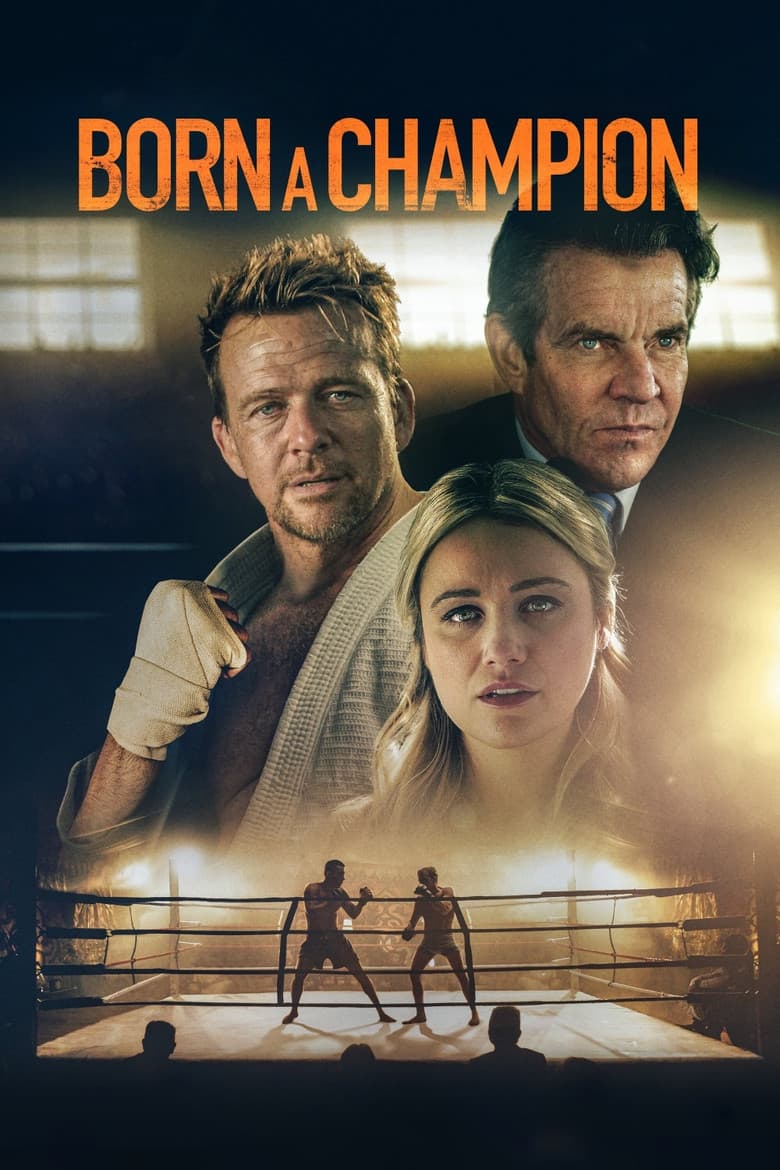
Movie · 2021
After a blood- soaked jujitsu match in Dubai, fighting legend Mickey Kelley falls to superstar Blaine. But years later, an online video proves that Blaine cheated, and the world…
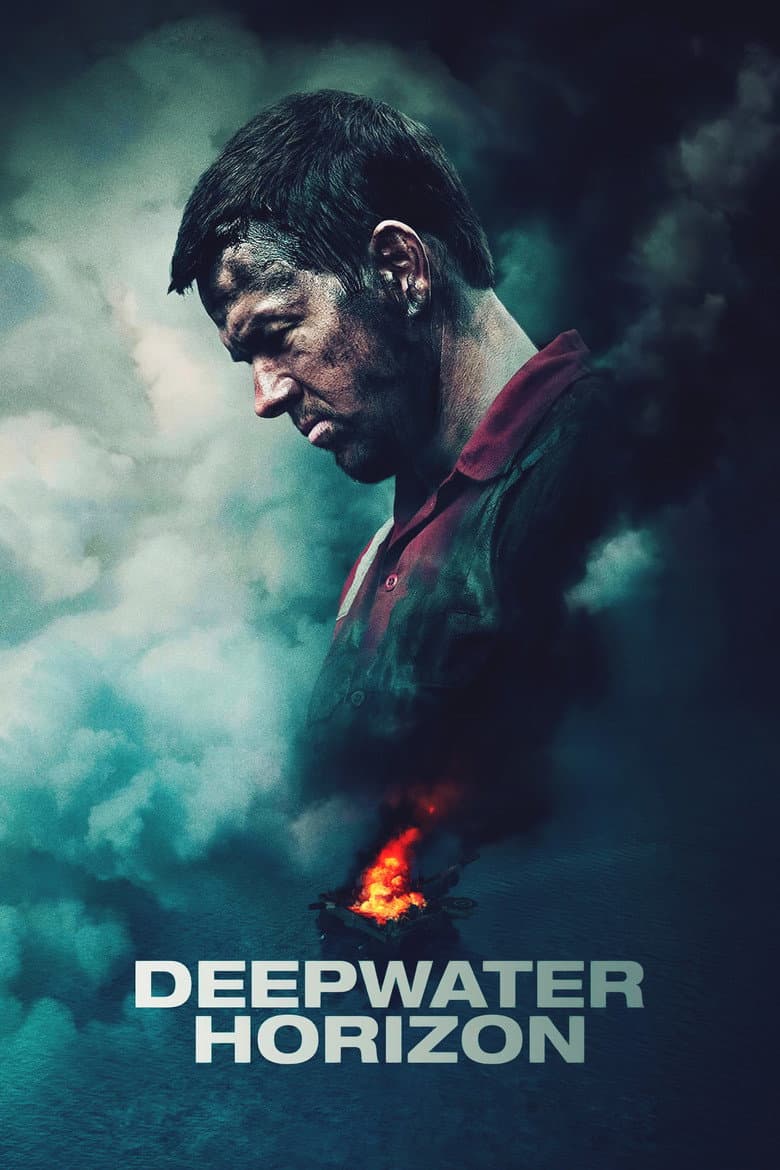
Movie · 2016
A story set on the offshore drilling rig Deepwater Horizon, which exploded during April 2010 and created the worst oil spill in U.S. history.
