
Lily Colson is an 18-year-old high school student in the small town of Salem. She spends her days with her friends Bex, Sarah, and Em while hiding a sexual relationship with an older married man. A hacker releases private texts, photos, and search records from much of the town, and Lily becomes the main target after people blame her for the attack. The town turns into a violent mob, so the four girls fight to stay alive during a long night of panic, guns, and blood.
The story puts modern feminist ideas at the center of the girls’ lives and the danger they face. Lily speaks about sexism, female bodies, shame, and the impossible rules placed on girls, while the film labels toxic masculinity, the male gaze, transphobia, and fragile male egos. Bex is a transgender girl with a secret romance, and Em is a black girl whose friendship and courage help drive the group. The girls are shown as a loyal, skilled team that fights male attackers and a town built around public shame, although the film also attacks mob thinking and online cruelty more broadly.
Community feedback
Was our 75% Woke rating accurate?
Breakdown
These are the editorial factors and ratings behind our score for Assassination Nation.
Woke representation / casting
Four teenage girls lead the film, and the group includes a black girl and a transgender girl alongside two white girls. The girls are the main heroes, and press material stresses the four female leads and the trans character played by a trans actress. The pattern is clear in the main cast, but the film is not built as an extreme one-of-each design.
42%
Woke political dialogue
The girls repeatedly talk about sexism, women's bodies, sexual shame, consent, and the male gaze. Lily gives a long speech defending her nude art and later tells the town to stop ordering girls how to act. The opening warning names toxic masculinity, homophobia, transphobia, racism, nationalism, and fragile male egos. The dialogue also uses feminist jokes and slogans, so the message is easy to notice.
58%
Identity-driven story themes
The story makes female anger and female solidarity a main answer to the town's violence. Lily, Bex, Sarah, and Em survive by fighting back together, and the film treats their fight as a release from shame and male control. Bex faces danger because she is transgender, while Lily faces abuse and blame after a private relationship with an older man is exposed. The movie repeatedly treats girls as people who are told to be quiet, sexual, modest, confident, and obedient at the same time.
69%
Western institutional / cultural critique
The town is shown as a place where men, police, family-values leaders, and a violent crowd punish girls for sexual behavior. The film attacks toxic masculinity, male entitlement, slut-shaming, transphobia, homophobia, and the male gaze. A conservative mayor is exposed for secret gay behavior, and the townspeople use moral outrage to excuse their own cruelty. The story also criticizes online mobs and warns that people on every side can become certain and violent.
62%
Woke character or canon changes
Not relevant. The film is an original story with fictional characters. Its Salem name echoes the witch trials, but it does not change an established character or real historical figure.
0%
Anti-woke backlash and complaints
One conservative family review called the movie leftist propaganda and objected to its feminist, anti-male, anti-Christian, and pro-gay messages. Some Reddit viewers also called it propaganda and complained that nearly every male character is treated as a bad person. The supplied X pass found several small anti-woke complaints, including claims that the film was woke, anti-white, and anti-MAGA. The reaction stayed small, with no organized campaign reported.
37%
Creator track record context
Sam Levinson has a stored score of 11/100 and no known record of political activism or identity-focused advocacy. Mary Vernieu has spoken about representation and diverse role models. Several producers have supported diversity or global stories, while most other stored crew scores are low or moderate. The film's own interviews show stronger feminist and identity-focused framing than Levinson's personal record.
23%
Production
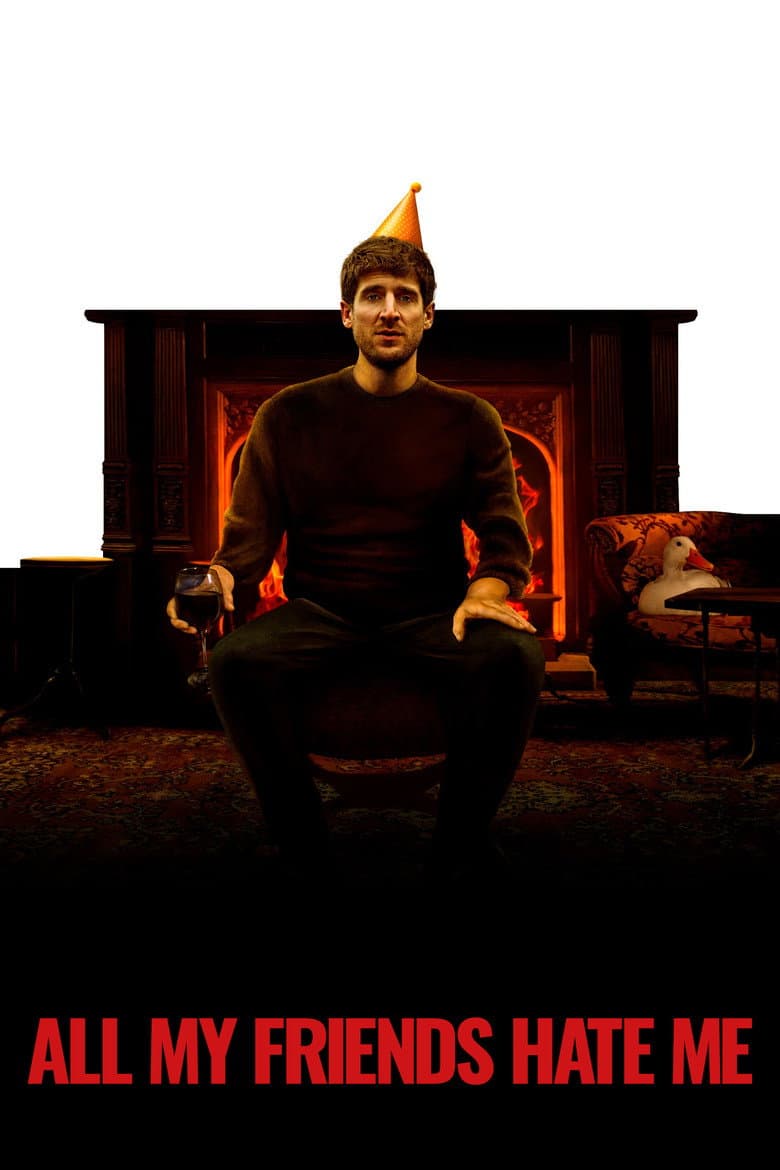
Movie · 2022
A college reunion goes awry when Pete suspects his friends may be out to get him... As their weekend getaway grows more and more uncomfortable, should Pete be worried about his…
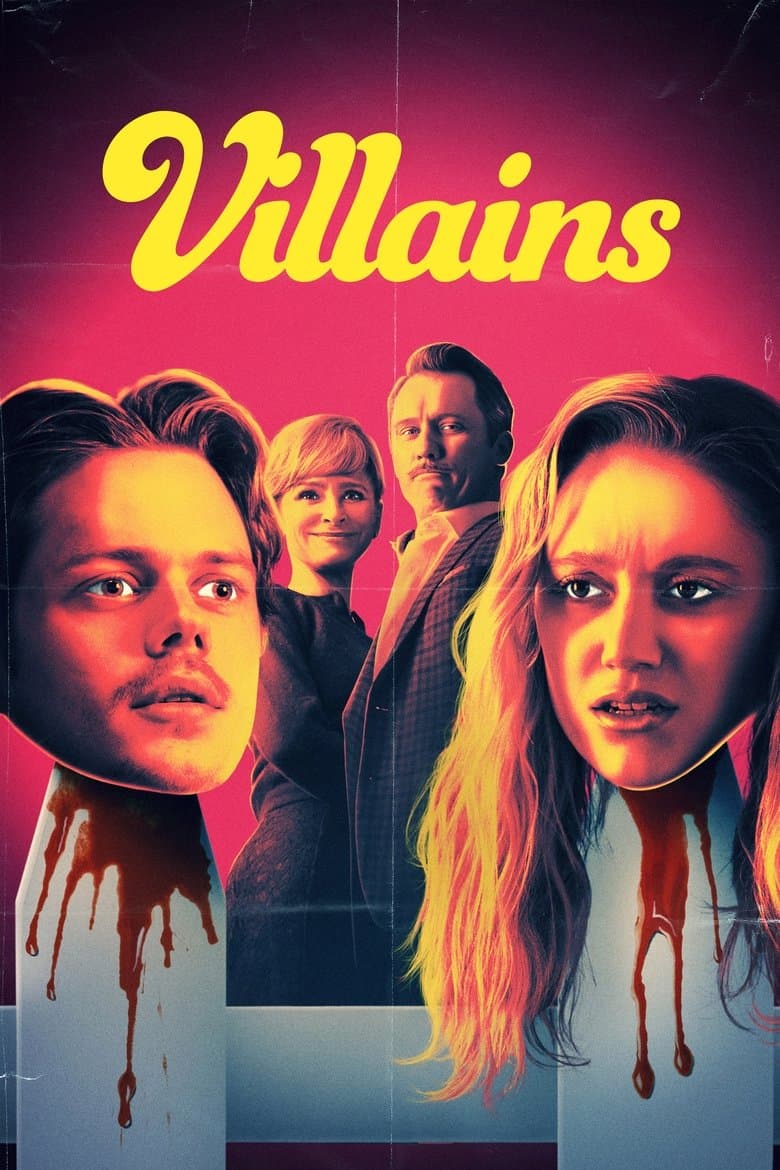
Movie · 2019
When their car breaks down, a couple on the run headed southbound for a fresh start in the Sunshine State break into a nearby house looking for a new set of wheels.
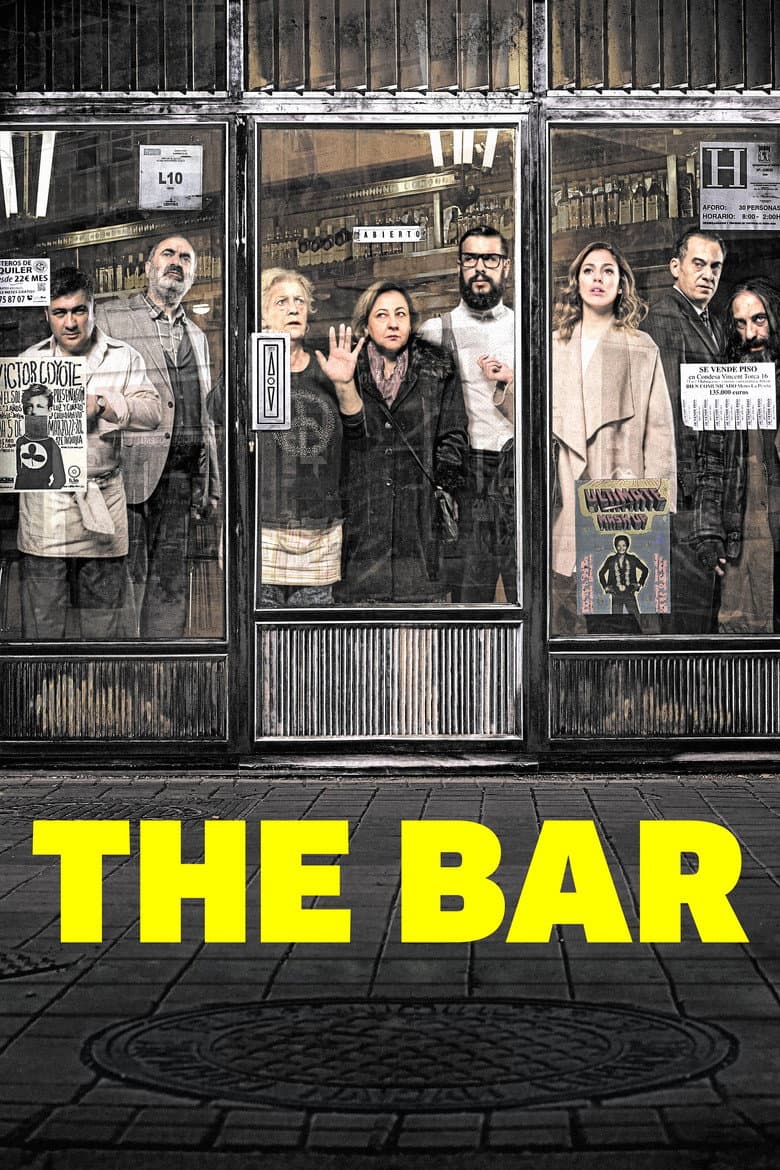
Movie · 2017
In downtown Madrid, a series of mysterious gunshots trap a motley assortment of people in a decrepit bar.
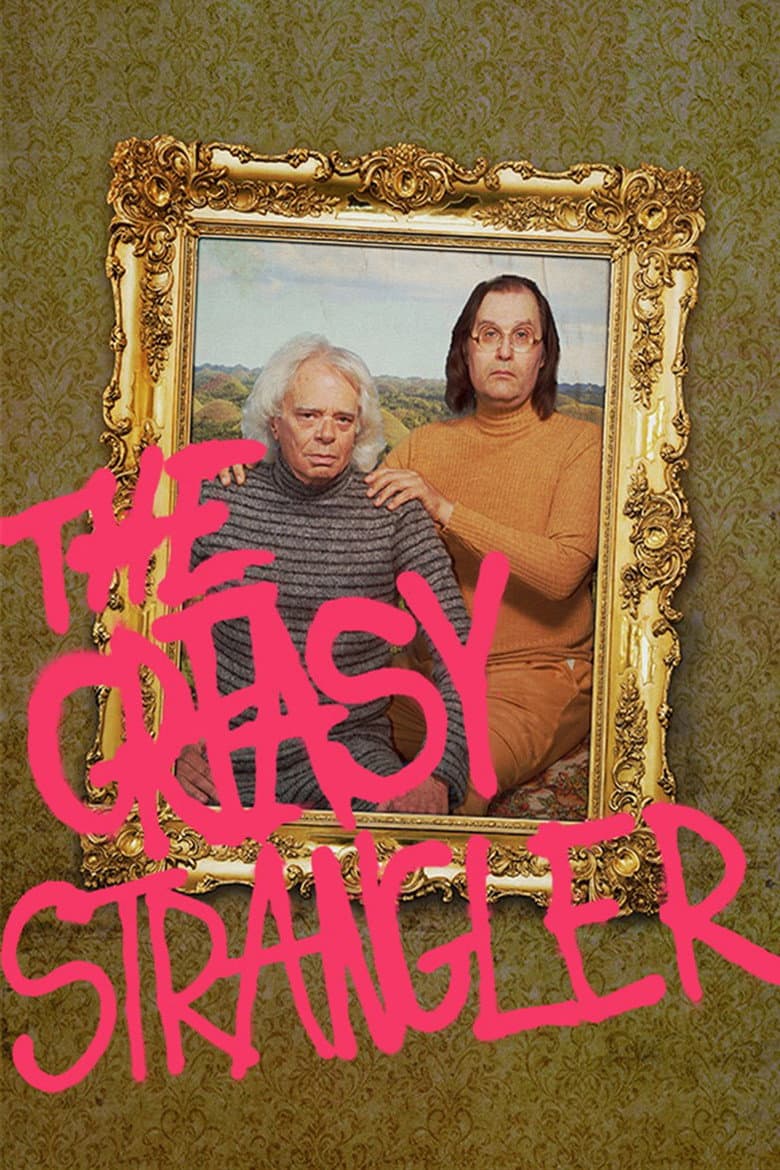
Movie · 2016
Ronnie runs a Disco walking tour with his son, Brayden. When a sexy woman takes the tour, it begins a competition between father and son for her love.
Movie · 2025
After escaping from a mental hospital, a violent sociopath named Paul begins a dangerous rampage targeting Sofia, a world-famous pop star.
Movie · 2025
When twin brothers find a mysterious wind-up monkey, a series of outrageous deaths tear their family apart. Twenty-five years later, the monkey begins a new killing spree forcing…

Movie · 2024
Nothing is what it seems when a twisted one-night stand spirals into a serial killer’s vicious murder spree.
Movie · 2022
Legendary rock band Foo Fighters move into an Encino mansion steeped in grisly rock and roll history to record their much anticipated 10th album.
