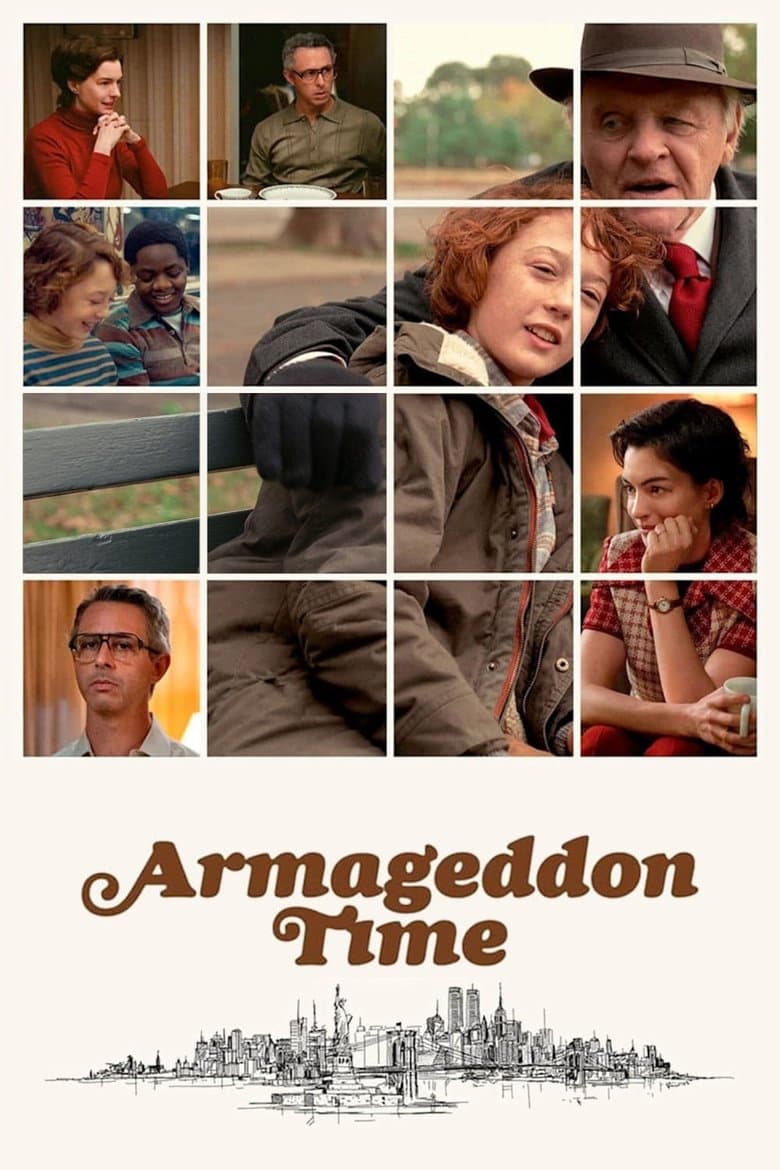
Paul Graff is a sixth-grade Jewish boy growing up in Queens during the 1980 election. He loves art, fights with his strict parents, and forms a warm friendship with Johnny, a black classmate who also gets into trouble. After the boys are caught smoking at school, Paul's family moves him to a private school tied to the Trump family. The quiet and sad story follows Paul as his choices lead both boys toward very different futures.
The film makes race and class a main part of Paul's growth. Teachers, relatives, rich classmates, and the police give Paul chances that Johnny never gets. Paul's grandfather tells him to stand up to racism, while his father teaches him to use every advantage and move on. The school scenes, Reagan's election, and speeches from Maryanne and Fred Trump also link private wealth to power. These ideas drive the ending, but the film presents them through a troubled family rather than through constant speeches.
Community feedback
Was our 70% Woke rating accurate?
Breakdown
These are the editorial factors and ratings behind our score for Armageddon Time.
Woke representation / casting
Not present. Paul's Jewish family and Johnny's black identity fit the real 1980 Queens story. The characters do not look arranged as a one-of-each group or placed in roles that clash with the setting.
0%
Woke political dialogue
The film uses several clear political moments around the 1980 election. Paul's family insults Reagan voters and fears that Reagan will bring nuclear war. Students chant for Reagan before Maryanne Trump praises hard work, and Fred Trump later tells private-school children that they are the elite. These scenes frame conservative success as part of an unfair system, but long parts of the film stay with family and school life.
38%
Identity-driven story themes
Paul and Johnny face the same trouble but receive different outcomes because Paul is white and has useful connections. The teacher, Paul's family, rich classmates, and police all treat Johnny more harshly. Paul's grandfather tells him to defend black and Hispanic children, while the ending leaves Johnny behind so Paul can understand his own advantage. Race and class shape the main friendship, Paul's growth, and the final conflict.
68%
Western institutional / cultural critique
The movie links unfair outcomes to public schools, an elite private school, family wealth, and the police. Paul's private school has better books and computers, while Johnny is pushed aside by a weak public system and faces foster care. The Trump speeches promise success through hard work, but the story shows that money and connections decide who gets a break. This criticism runs from Paul's school transfer through the police ending.
72%
Woke character or canon changes
Not relevant. The movie tells a loose version of Gray's childhood and does not remake known characters or public history for identity reasons.
0%
Anti-woke backlash and complaints
A small number of independent reviewers and audience posters called the movie a white-guilt lecture or woke message about race. One review compared its politics to empty Black Lives Matter signaling and called the Trump scenes forced. Some user reviews linked it to Critical Race Theory or liberal guilt. The complaints stayed scattered and did not become a large anti-woke campaign.
18%
Creator track record context
Writer-director James Gray has a cached score of 36 and a left-wing record that often covers class, racial bias, and fitting into American life. Most of the named casting, script, and producer team have low cached scores. Producers Riccardo Maddalosso and Alex Hughes have higher scores of 62 and 58 because of recent queer and activist projects. The full group gives a moderate creator-context signal.
36%
Production
Movie · 2019
Richard Jewell thinks quick, works fast, and saves hundreds, perhaps thousands, of lives after a domestic terrorist plants several pipe bombs and they explode during a concert…
Movie · 2016
WWII American Army Medic Desmond T. Doss, who served during the Battle of Okinawa, refuses to kill people and becomes the first Conscientious Objector in American history to…
Movie · 2017
Members of the Granite Mountain Hotshots battle deadly wildfires to save an Arizona town.
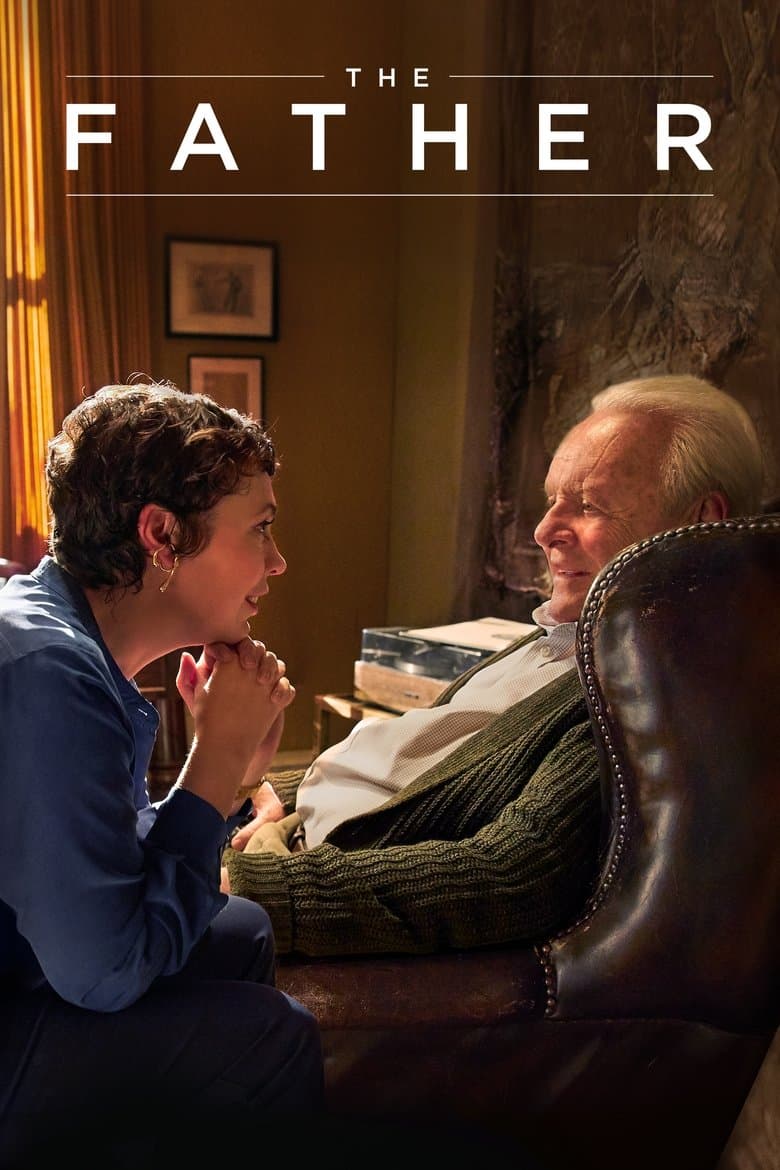
Movie · 2020
A man refuses all assistance from his daughter as he ages and, as he tries to make sense of his changing circumstances, he begins to doubt his loved ones, his own mind and even…
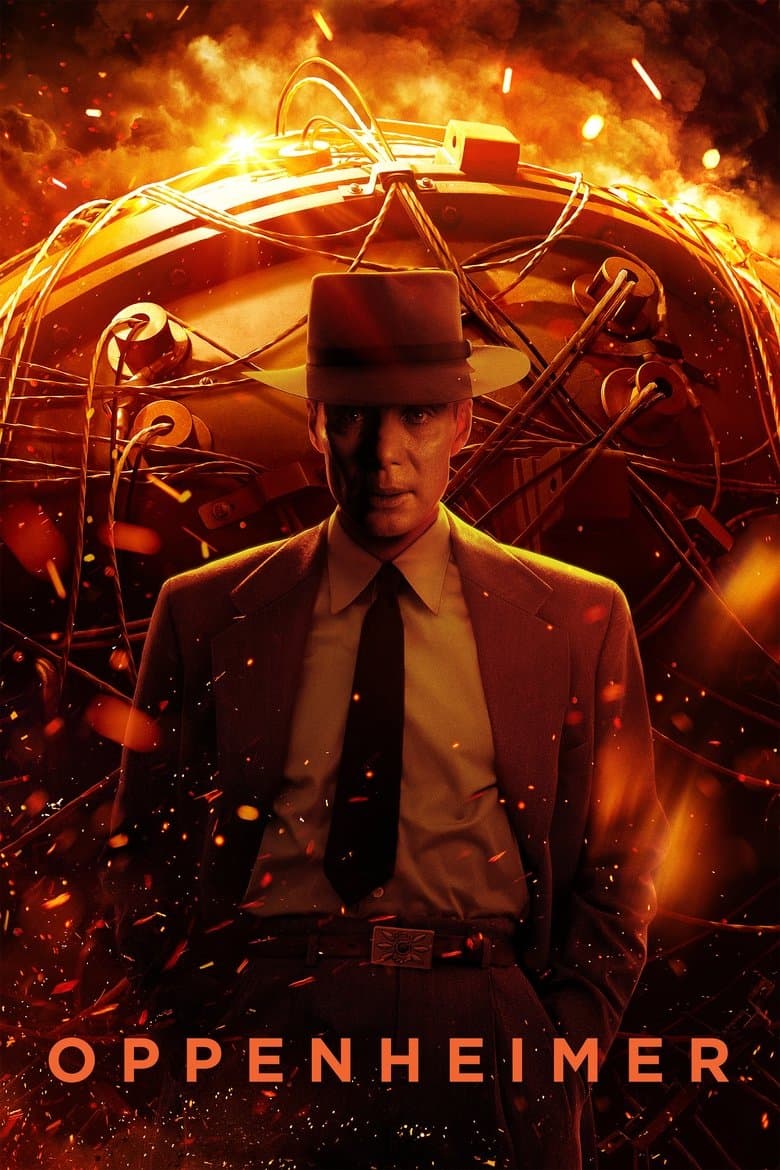
Movie · 2023
The story of J. Robert Oppenheimer's role in the development of the atomic bomb during World War II.
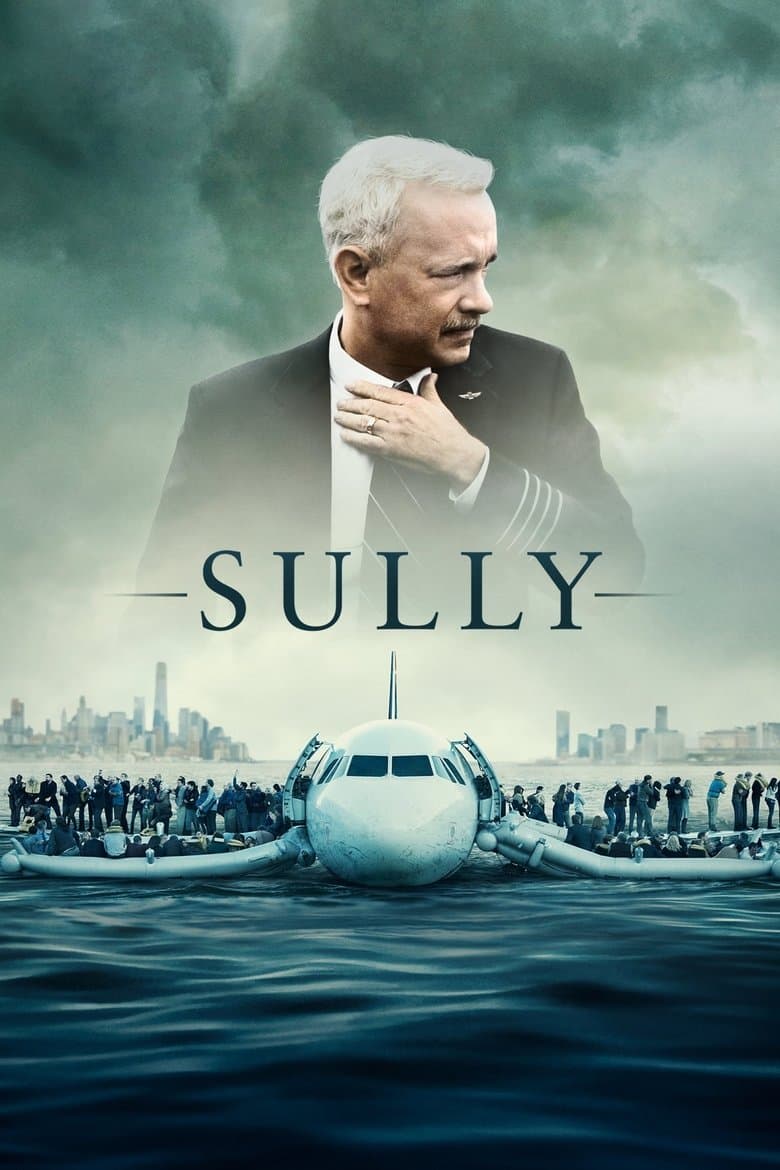
Movie · 2016
On 15 January 2009, the world witnessed the 'Miracle on the Hudson' when Captain 'Sully' Sullenberger glided his disabled plane onto the Hudson River, saving the lives of all 155…

Movie · 2016
After his older brother passes away, Lee Chandler is forced to return home to care for his 16-year-old nephew.
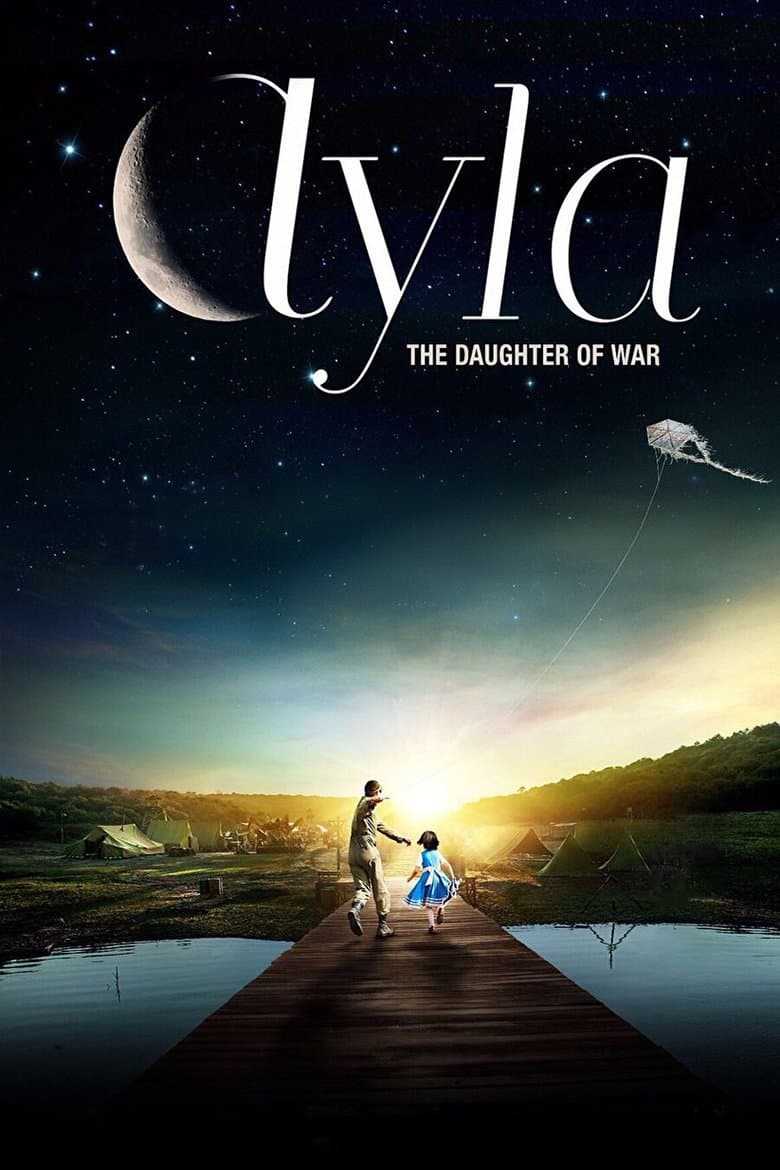
Movie · 2017
In 1950, amidst the ravages of the Korean War, Sergeant Süleyman stumbles upon a a half-frozen little girl, with no parents and no help in sight and he risks his own life to save…
