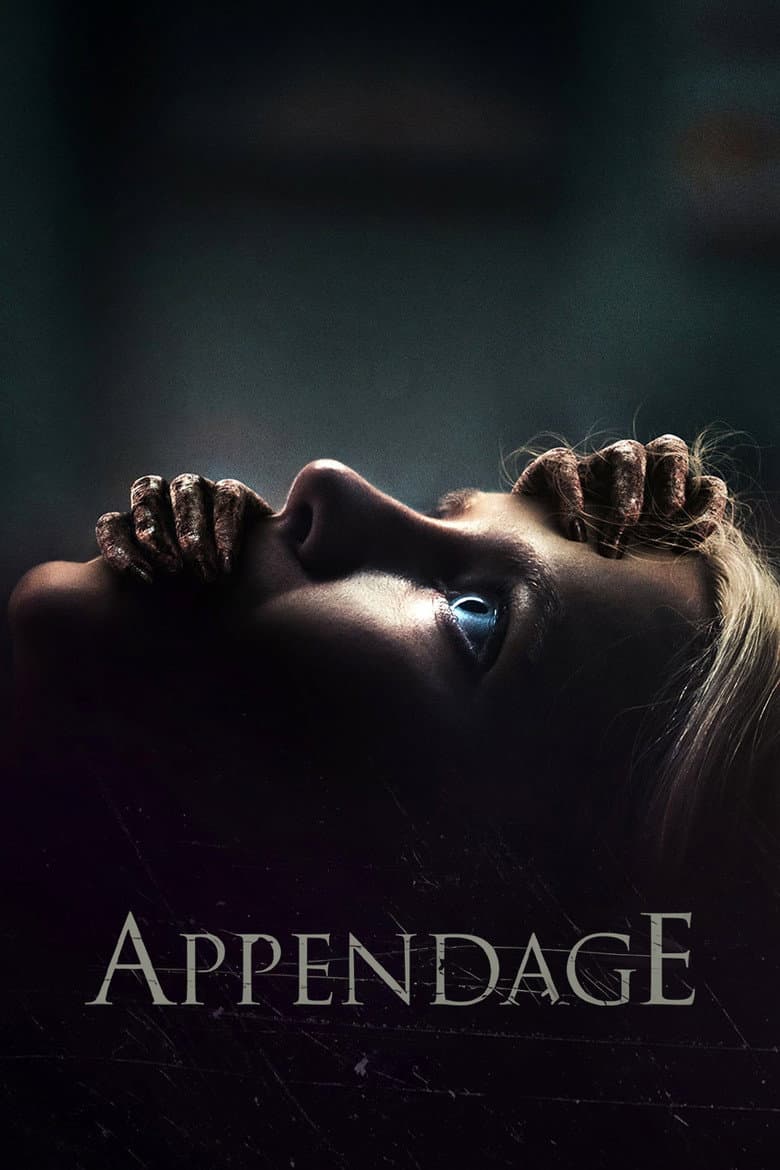
Hannah is a young fashion designer living in New York City. Pressure from her job, her family, and her fear of failure pushes her to a breaking point. A bloody growth tears from her side and becomes a small creature that repeats her cruelest thoughts. The movie mixes body horror, dark comedy, and sad moments as Hannah tries to keep the creature hidden.
The story treats anxiety, depression, shame, and self-doubt as the main danger. Hannah’s pain is also tied to pressure she feels as a woman, especially at work and in her close relationships. The creature grows stronger when Hannah hides her feelings and believes its cruel voice. A strong friendship helps her face the creature, while a crush on Claudia adds queer romantic tension. The ending says that Hannah must care for this painful part of herself instead of pretending it will vanish.
Community feedback
Was our 42% Woke rating accurate?
Breakdown
These are the editorial factors and ratings behind our score for Appendage.
Woke representation / casting
Hannah, Esther, and Claudia are prominent women, and Hannah dates Kaelin, a black man. A modern New York setting makes the interracial couple and mixed friend group believable rather than a clear story mismatch. Zlokovic also said Emily Hampshire’s queer public image mattered to Claudia’s casting and that the role needed that quality. The film has a mild identity signal, but it does not present a diversity-first group of characters.
28%
Woke political dialogue
Not present. The film’s reported dialogue centers on anxiety, family, work, and relationships. It does not use modern activist, DEI, or identity-policy speeches.
0%
Identity-driven story themes
Hannah’s inner pain is the movie’s main subject, and the creature grows from her anxiety, depression, shame, and self-doubt. The film ties some of that pain to the pressure of being a woman, to a harsh male boss, and to fear of failing people close to her. Hannah’s bond with Esther gives female friendship a real place in the story. Her crush on Claudia adds queer romantic tension as a meaningful side thread. The ending asks Hannah to accept and care for the painful part of herself, so the film stays focused on mental health rather than an activist cause.
44%
Western institutional / cultural critique
A male fashion boss repeatedly belittles Hannah and sets cruel standards for her work. The film also shows her mother dismissing her pain and links these pressures to her struggle with perfectionism. The story does not build this into a broad attack on men, families, religion, capitalism, or Western institutions. The criticism stays close to Hannah’s personal stress.
17%
Woke character or canon changes
Not relevant. Appendage is an original story that expands a short by the same filmmaker. It does not change a known character, canon, or historical event.
0%
Anti-woke backlash and complaints
A MovieMeter user called the film woke because Hannah and Kaelin are an interracial couple. The comment is isolated and does not show a wider campaign, boycott, review bomb, or news dispute. The separate X pass found no anti-woke reaction, while broader audience talk focused on horror effects and the mental-health idea. The available backlash evidence is therefore very small.
8%
Creator track record context
Anna Zlokovic’s supplied record is low and centers on anxiety, self-doubt, and mental health. Hadley Robinson’s record is mixed, with Moxie as her clearest feminist project. Katrina Kudlick and Arbi Pedrossian have moderate diversity-focused production records, while Jenna Cavelle has a stronger record of supporting female, Black, Asian, and LGBTQ filmmakers. The team gives this film some identity-focused context, but the director’s record and the film’s genre focus keep the signal moderate.
43%
Production
Movie · 2024
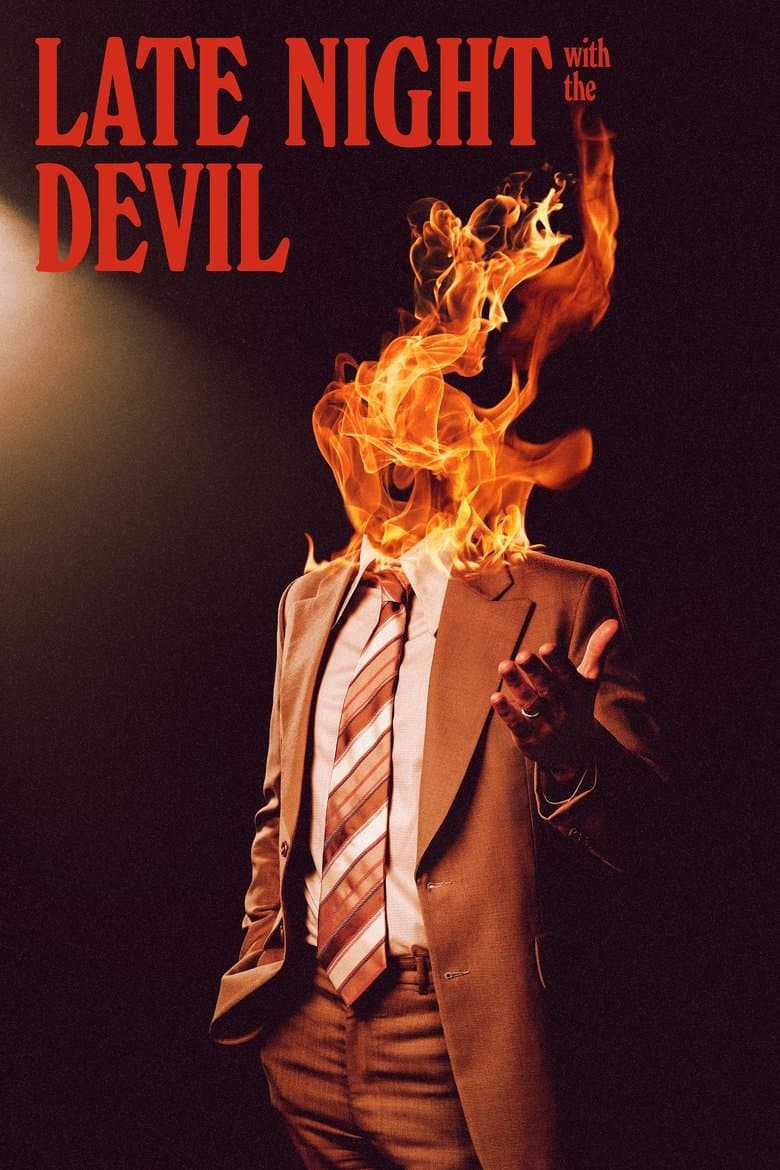
A live broadcast of a late-night talk show in 1977 goes horribly wrong, unleashing evil into the nation's living rooms.
Movie · 2023
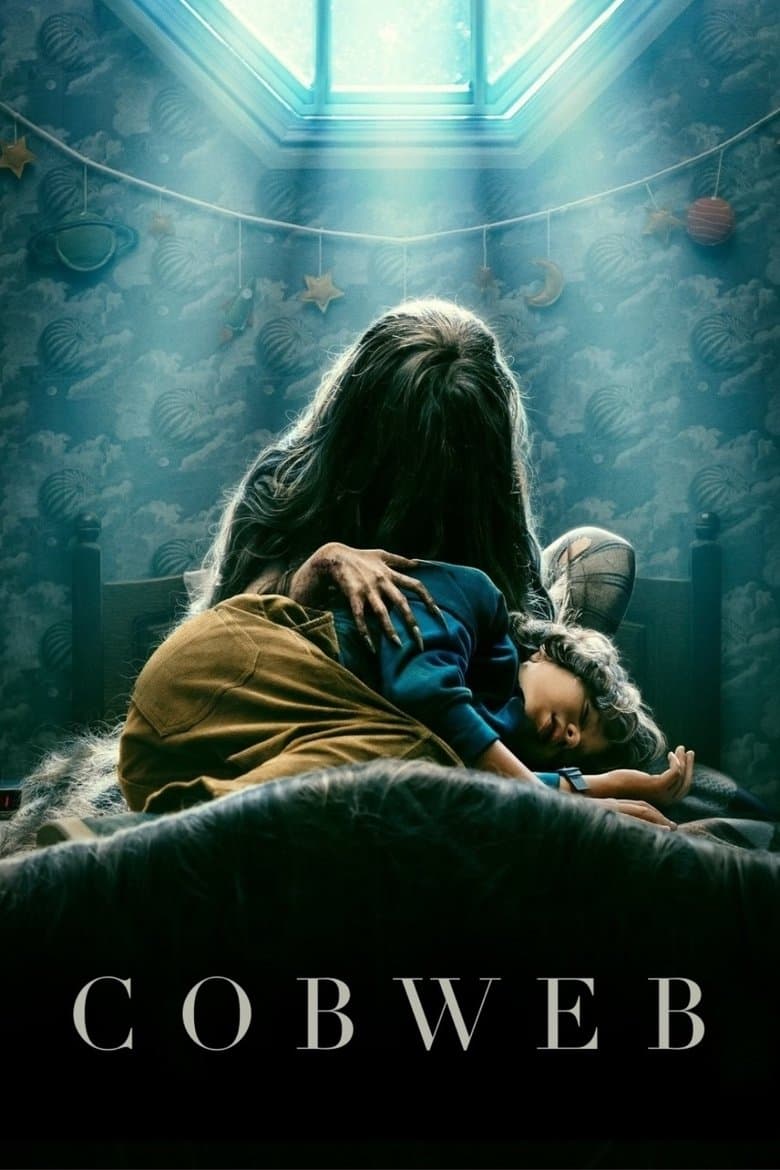
Eight year old Peter is plagued by a mysterious, constant tapping from inside his bedroom wall—one that his parents insist is all in his imagination.
Movie · 2025
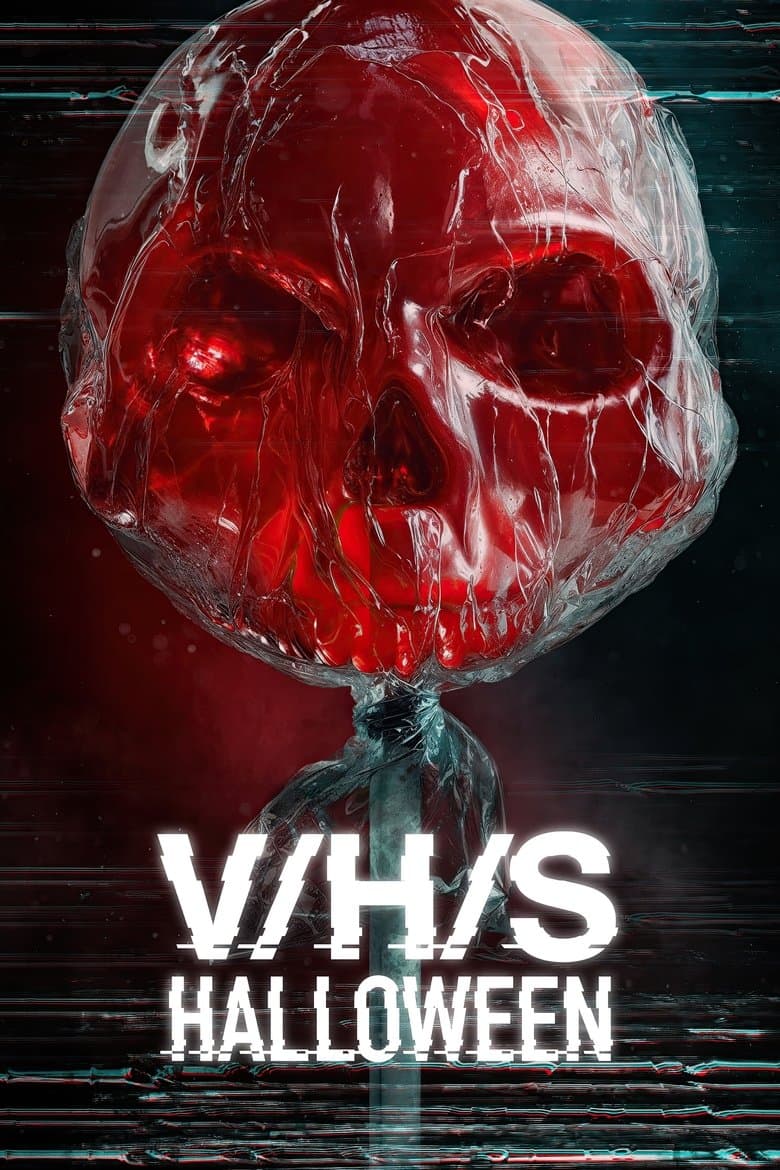
A collection of Halloween-themed videotapes unleashes a series of twisted, blood-soaked tales, turning trick-or-treat into a struggle for survival.
Movie · 2022
Trapped on her family’s isolated farm, Pearl must tend to her ailing father under the bitter and overbearing watch of her devout mother.
Movie · 2016
In 1630, a farmer relocates his family to a remote plot of land on the edge of a forest where strange, unsettling things happen.
Movie · 2025
Paranormal investigators Ed and Lorraine Warren take on one last terrifying case involving mysterious entities they must confront.
Movie · 2022
A year after the Miles County massacre, Art the Clown is resurrected by a sinister entity. Art returns home, where he must hunt down and destroy teenage Sienna and her younger…
Movie · 2025
Following the death of their father, a brother and sister are sent to live with a foster mother, only to learn that she is hiding a terrifying secret.
