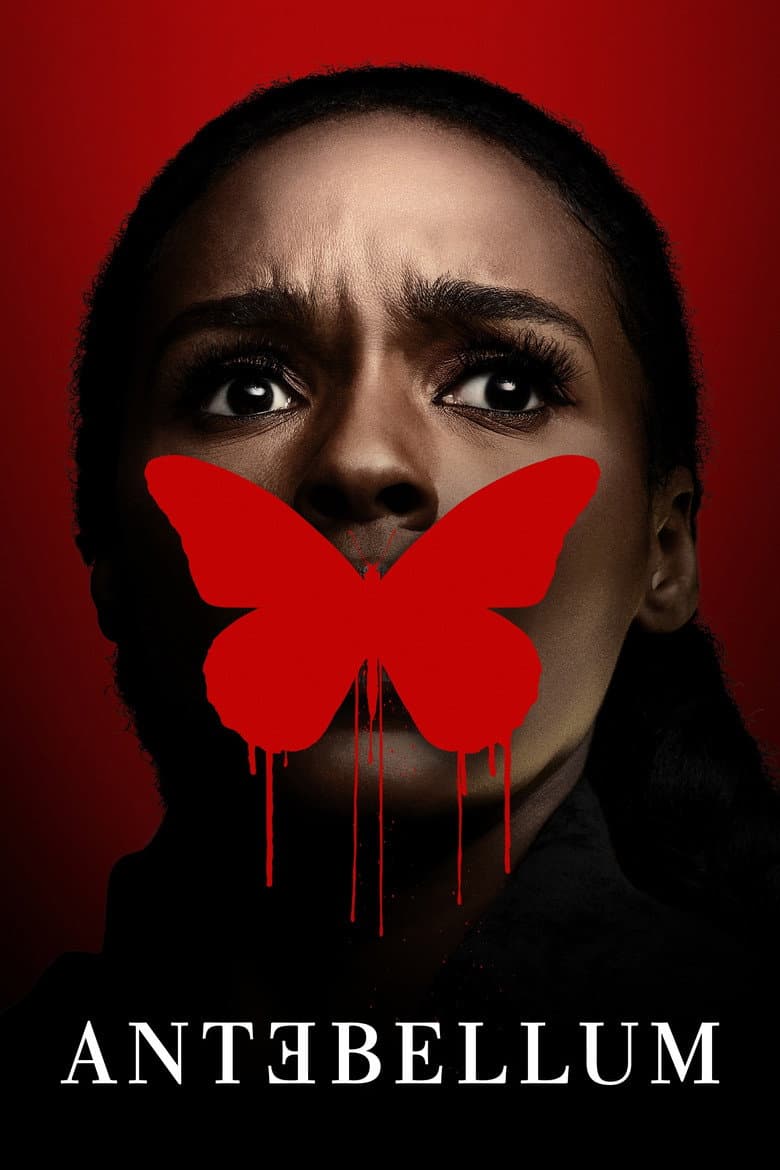
Veronica Henley is a successful black social researcher, author, wife, and mother living in modern Atlanta. After a strange meeting and a night out with friends, white attackers kidnap her and place her in a hidden Louisiana plantation that looks like the Civil War South. The people there force Veronica and other Black captives to live as slaves while white men and women play the owners and guards. Veronica searches for a way out, and the film uses brutal horror, mystery, and a final revenge chase to show her fight for her life and family.
The movie makes race and power its main subject rather than a side issue. Veronica speaks about black women, the patriarchy, fitting into white-led spaces, and equal chances in school and work. The story links slavery with present-day racial insults, white nationalism, and wealthy political power through the secret reenactment park. The film also presents a black woman as the central expert, speaker, survivor, and victor, while its white villains stand for a system that protects old racial power. These choices make the woke identity-driven story themes and Western institutional / cultural critique easy to notice throughout the movie.
Community feedback
Was our 89% Woke rating accurate?
Breakdown
These are the editorial factors and ratings behind our score for Antebellum.
Woke representation / casting
The film puts a black woman at the center as a scholar, author, wife, mother, and survivor. It gives major roles to black women as captives, friends, and public voices in both the plantation and modern settings. The story gives a clear reason for these choices because the plot is built around Black victims of slavery and a black author’s life. Bush, Renz, Monáe, and Clemons also described the casting as deliberate visibility for Black voices and black queer performers.
58%
Woke political dialogue
The television debate attacks inherited wealth and argues for equal chances for gifted black and brown students. Veronica later speaks about black women, the patriarchy, staying true to herself, and resisting forced assimilation. Her conversations also mention race, class, gender, and support for historically marginalized people. These lines cluster in the modern middle section, so the political dialogue is clear and recurring without filling every scene.
56%
Identity-driven story themes
The story turns a black woman’s kidnapping into a modern version of slavery. Veronica’s book and public speech say that black women are pushed to hide parts of themselves in spaces built for white men. The hidden park connects slavery, racial insults, white nationalism, and present-day fear. Veronica’s final escape makes victory over racist power the film’s main emotional goal.
90%
Western institutional / cultural critique
The film presents a state senator, a wealthy family, and a far-right political group as the people behind the secret park. A television expert dismisses affirmative action and says hard work alone should decide success, while Veronica argues against inherited advantage. The film treats polished white manners, racial insults, and old Confederate symbols as parts of a wider power system. The story keeps its criticism on racist political power rather than ordinary family life or Christianity.
67%
Woke character or canon changes
Not relevant. The movie is an original story about fictional people. It uses the Civil War and slavery as a setting without changing a known character or real historical person.
0%
Anti-woke backlash and complaints
One Den of Geek review said Veronica’s speeches used “woke” keywords and mocked the film’s race politics. Reddit viewers called it “woke horror” and complained that the movie pushed buzzwords and a left-wing message. Other viewers defended the racial message, and the supplied X pass found no anti-woke reaction. The evidence shows scattered complaints rather than a large, sustained campaign.
28%
Creator track record context
The cached creator summaries score Gerard Bush at 78 and Christopher Renz at 74. Both writers and directors have a repeated record of activist, black history, and racial justice work. Their interview statements describe horror as a way to carry this message to people outside the usual audience. Their track record strongly supports a high creator track record context score for this title.
77%
Production
Movie · 2025
Paranormal investigators Ed and Lorraine Warren take on one last terrifying case involving mysterious entities they must confront.
Movie · 2017
Several years after the tragic death of their little girl, a doll maker and his wife welcome a nun and several girls from a shuttered orphanage into their home, soon becoming the…
Movie · 2025
Following the death of their father, a brother and sister are sent to live with a foster mother, only to learn that she is hiding a terrifying secret.
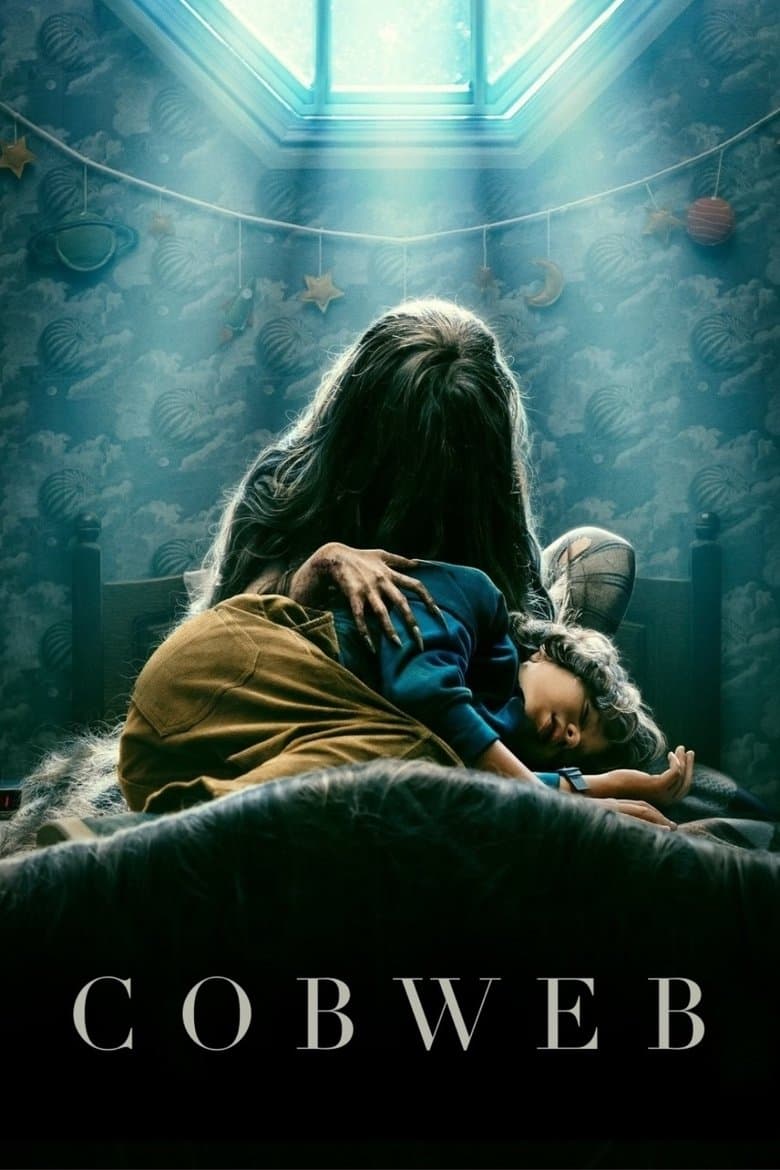
Movie · 2023
Eight year old Peter is plagued by a mysterious, constant tapping from inside his bedroom wall—one that his parents insist is all in his imagination.
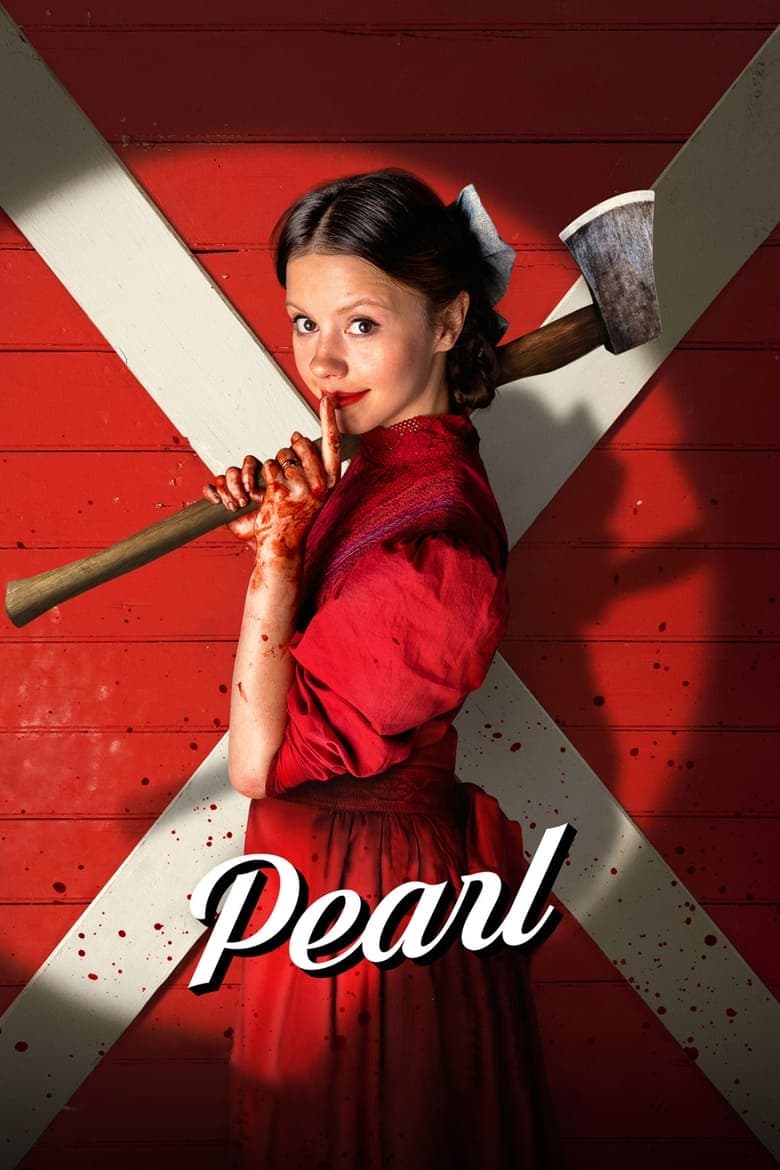
Movie · 2022
Trapped on her family’s isolated farm, Pearl must tend to her ailing father under the bitter and overbearing watch of her devout mother.
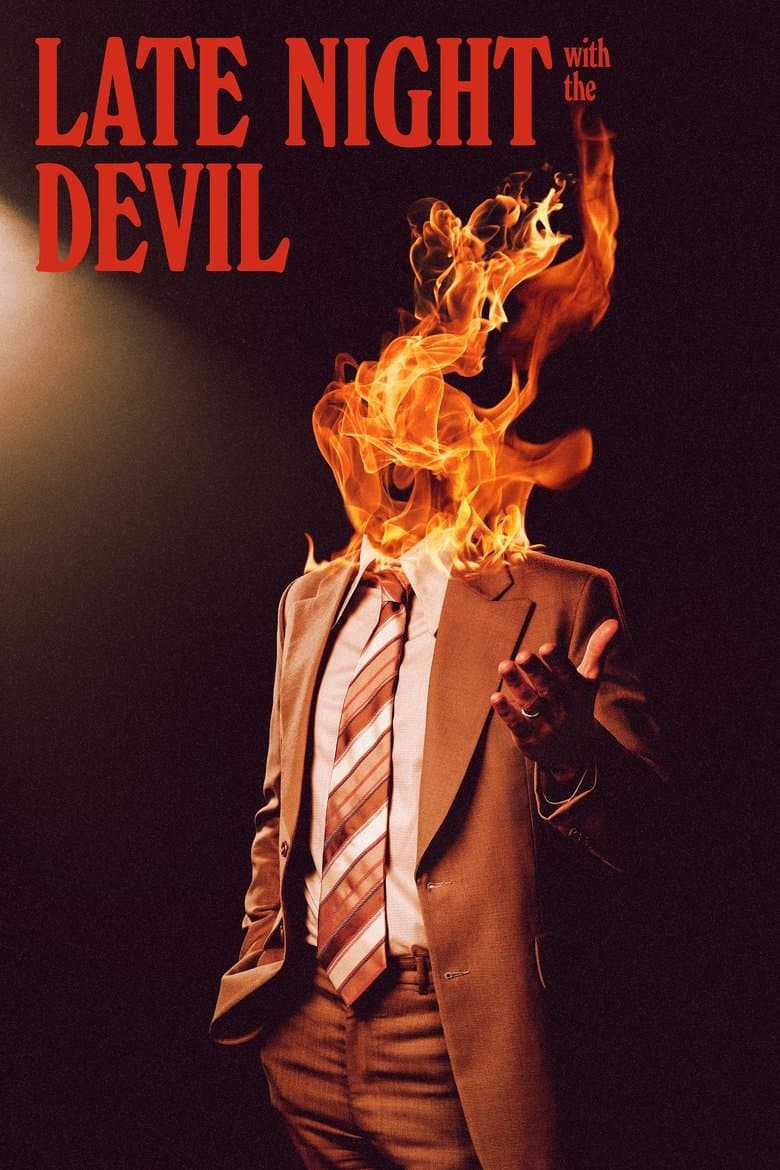
Movie · 2024
A live broadcast of a late-night talk show in 1977 goes horribly wrong, unleashing evil into the nation's living rooms.
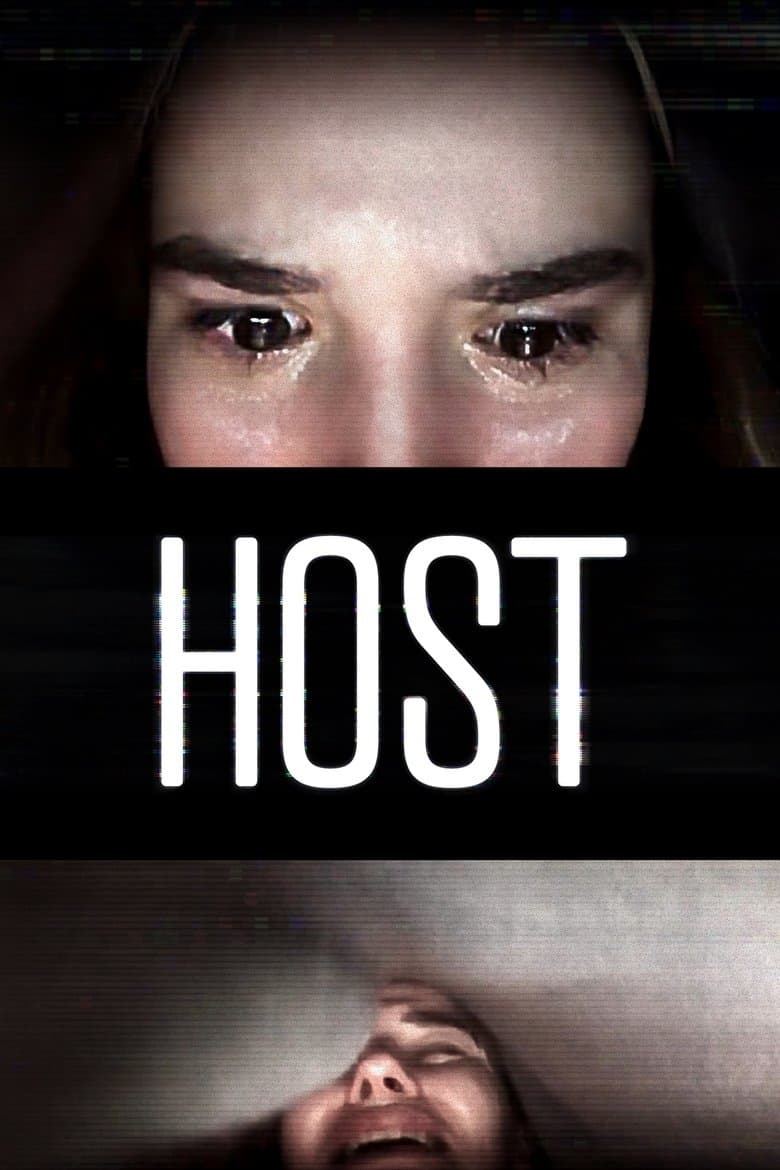
Movie · 2020
Six friends hire a medium to hold a séance via Zoom during lockdown — but they get far more than they bargained for as things quickly go wrong.
Movie · 2016
Rebecca must unlock the terror behind her little brother's experiences that once tested her sanity, bringing her face to face with a supernatural spirit attached to their mother.
