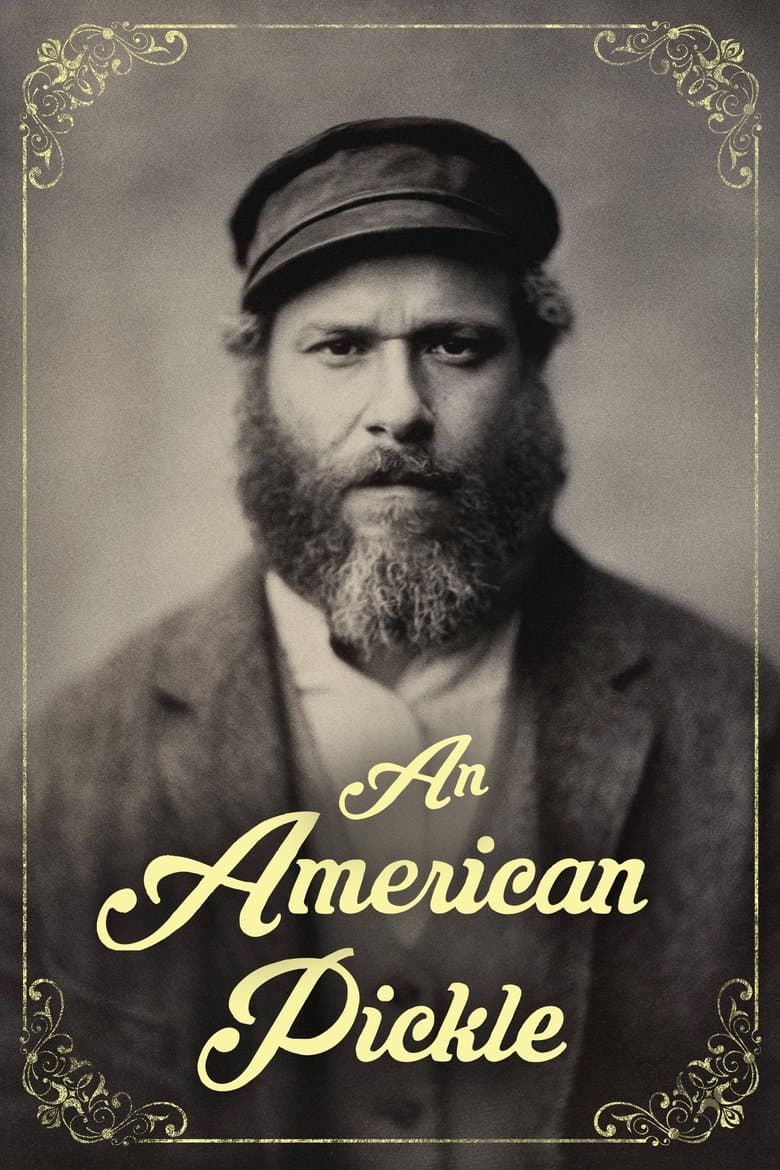
Herschel Greenbaum is a poor Jewish worker from Eastern Europe who comes to America with his wife, Sarah, in 1919. After he falls into a pickle vat, the brine keeps him alive for a hundred years. Herschel wakes in modern Brooklyn and meets Ben, his lonely great-grandson, who works on a company-rating app. Their clash over family, faith, money, and the meaning of a good life gives the film its warm but rough comedy tone.
The film makes Jewish heritage, lost faith, grief, and the work of earlier immigrants central to the family story. It also spends a large middle section on social media fame, political correctness, free speech, protests, and a public fight over Herschel's anti-gay and anti-Christian remarks. The story mocks hipster culture, ethical shopping, gentrification, and the anger of online crowds, while also showing old-fashioned prejudice as harmful. These ideas matter to the plot, but the ending gives most of its weight to family, memory, and returning to Jewish tradition.
Community feedback
Was our 36% Woke rating accurate?
Breakdown
These are the editorial factors and ratings behind our score for An American Pickle.
Woke representation / casting
Two minor Brooklyn customers are shown as a gay male couple. They help make Herschel's pickle cart popular online, so the relationship is visible in one part of the plot. The pair do not lead the story or create a repeated diversity pattern. The main roles stay with a Jewish immigrant family.
10%
Woke political dialogue
The film repeatedly talks about political correctness, free speech, social media outrage, and public debate. Herschel's tweets lead to protests, a boycott, and a television debate where he makes anti-gay and anti-Christian remarks. The story also links the uproar to his immigration case and deportation. The movie mocks both online outrage and old-fashioned prejudice, so the political material is strong but not the whole story.
34%
Identity-driven story themes
The film makes Jewish heritage, lost faith, grief, and family memory central to Ben and Herschel's conflict. Ben starts as a young man who is not religious, while Herschel treats Jewish tradition as part of his identity and family duty. The ending brings Ben back to Jewish prayer and his family roots. The identity message is strong, but it is about heritage and family more than modern DEI activism.
28%
Western institutional / cultural critique
The film mocks wealthy new Brooklyn, hipster food culture, ethical shopping apps, unpaid interns, media fame, and online outrage. Ben's app ranks companies by carbon and labor records, while Herschel's business clashes with health officials and immigration officers. The story treats modern progressive manners and older prejudice as targets. The critique returns through the middle of the film, but it never becomes a full attack on Western institutions or family life.
30%
Woke character or canon changes
Not relevant. The film expands Simon Rich's short story and makes Ben more sympathetic for a feature-length family plot. No established character or real historical figure is changed to make an identity or DEI point.
0%
Anti-woke backlash and complaints
The separate X research pass found no anti-woke reaction, boycott, or sustained complaint about the film. One JTA reader called Rogen's sympathetic modern character “woke Seth Rogen” and objected to the ending. That comment was isolated, and other audience discussion focused on the Jewish themes, the double role, or the film's quality.
5%
Creator track record context
Simon Rich's stored score is 24/100, and Brandon Trost's stored score is 6/100. Seth Rogen's stored score is 48/100, while the other stored profiles are mostly low to mild. Interviews about this film focus on family history, Jewish heritage, and grief. The creator context adds a mild signal rather than a strong one.
24%
Production

Movie · 2017
An aspiring actor in Hollywood meets an enigmatic stranger by the name of Tommy Wiseau, the meeting leads the actor down a path nobody could have predicted; creating the worst…
Movie · 2018
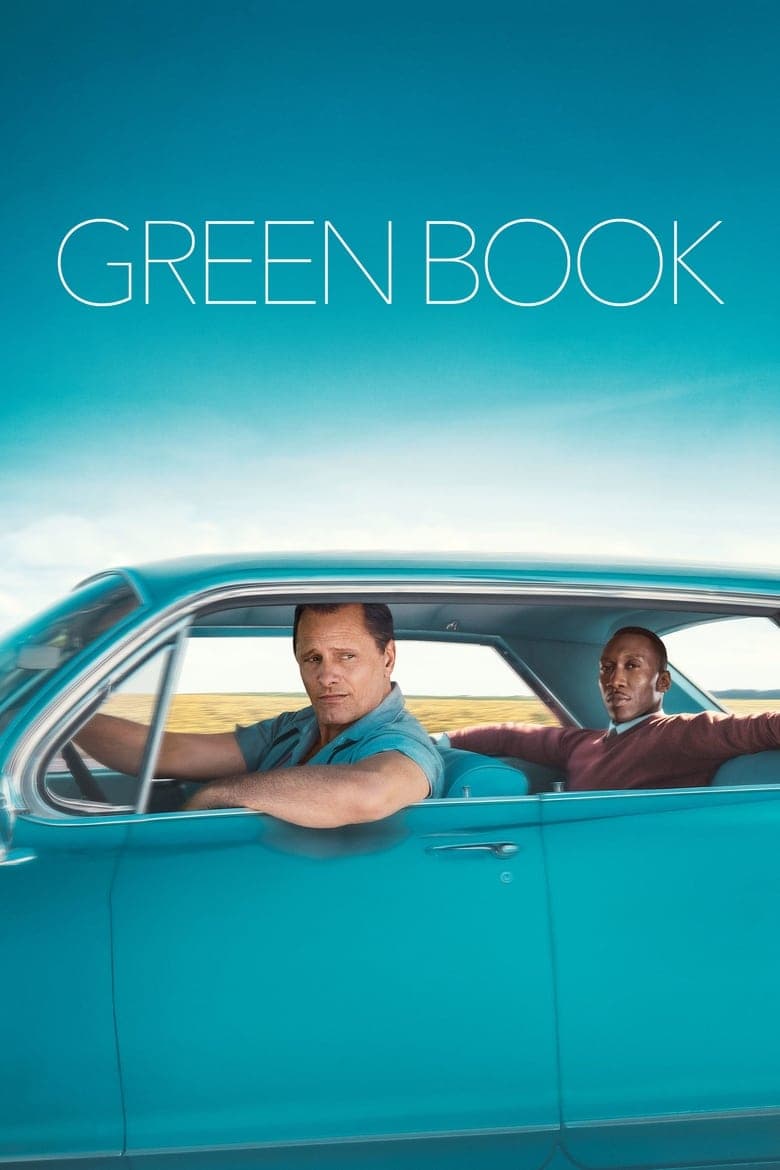
Tony Lip, a bouncer in 1962, is hired to drive pianist Don Shirley on a tour through the Deep South in the days when African Americans, forced to find alternate accommodations and…

Movie · 2016
From Jane Austen’s novella, the beautiful and cunning Lady Susan Vernon visits the estate of her in-laws to wait out colorful rumors of her dalliances and to find husbands for…

Movie · 2020
Four stagnant high school teachers decide to test out a theory that maintaining a constant level of intoxication will improve their overall lives.
Movie · 2023
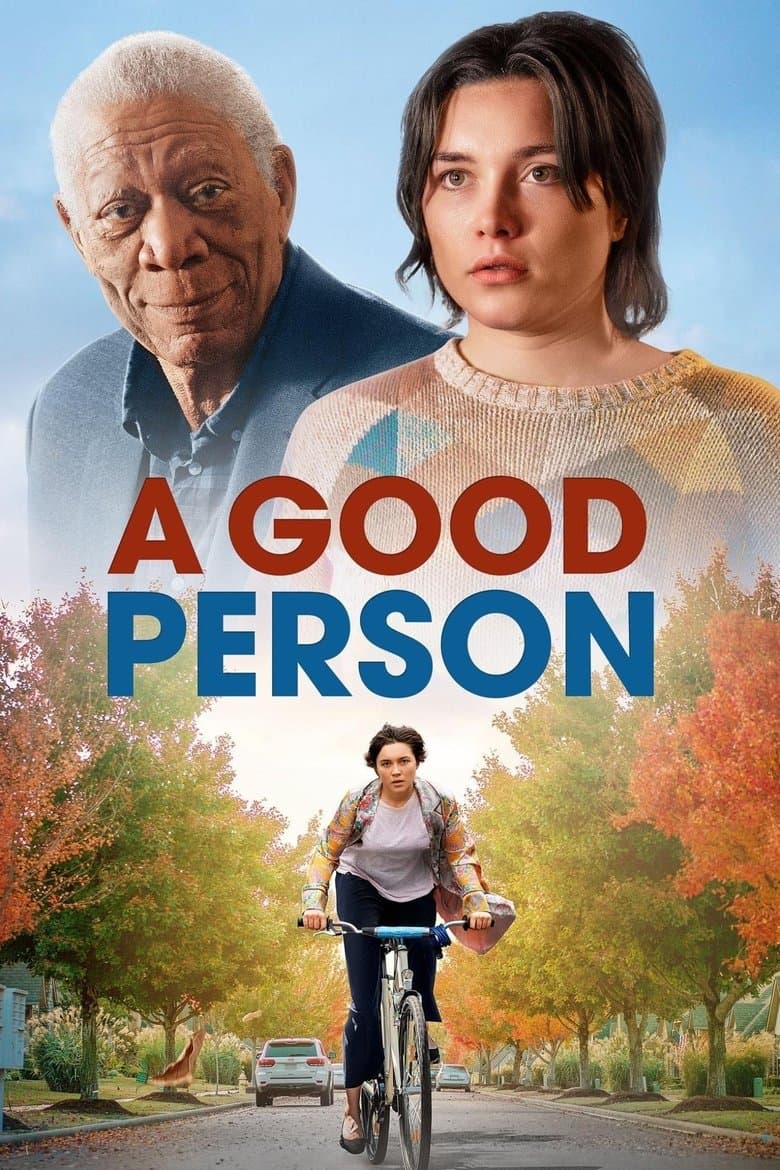
Allison's life falls apart following her involvement in a fatal accident. The unlikely relationship she forms with her would-be father-in-law helps her live a life worth living.
Movie · 2024
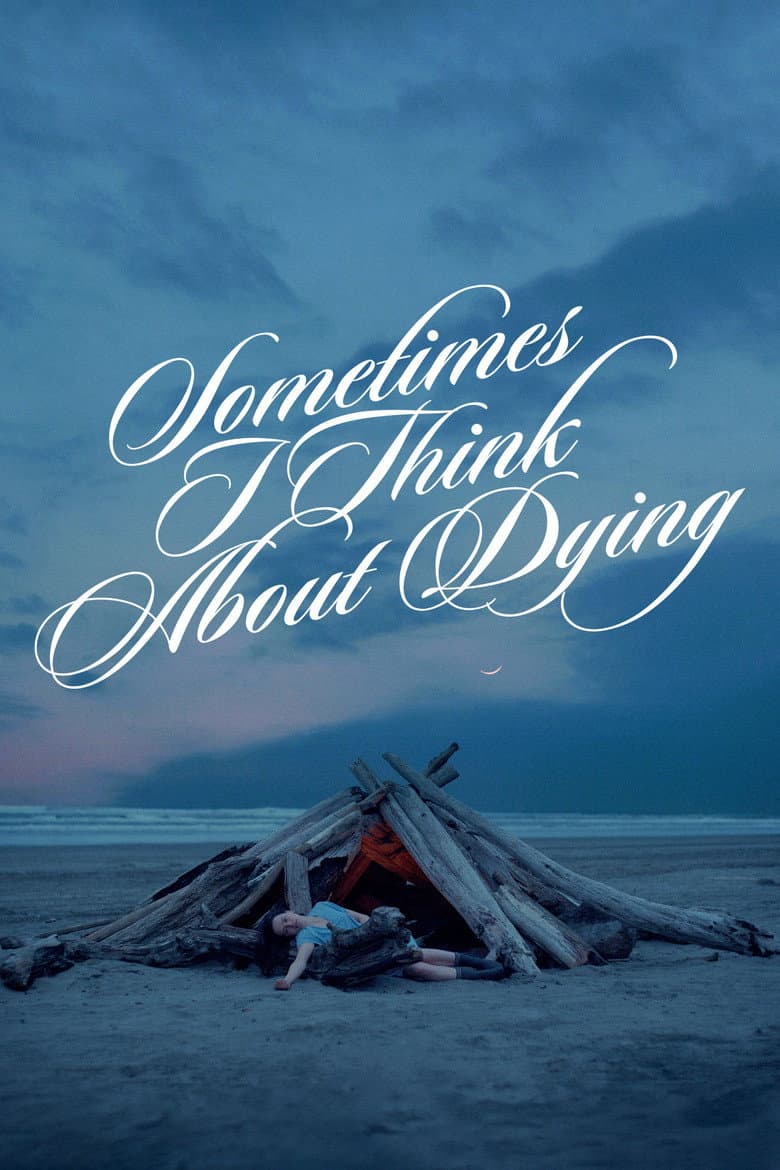
Fran likes to think about dying. It brings sensation to her quiet life. When she makes the new guy at work laugh, it leads to more: a date, a slice of pie, a conversation, a…
Movie · 2016
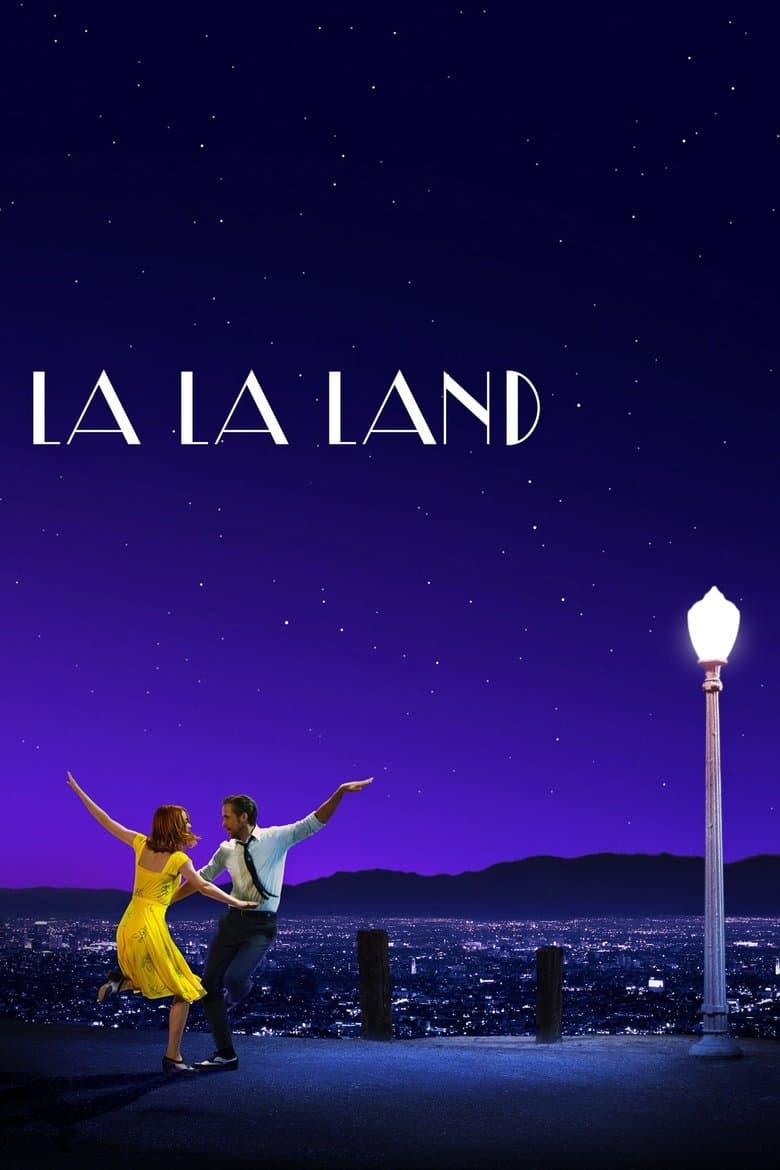
Mia, an aspiring actress, serves lattes to movie stars in between auditions and Sebastian, a jazz musician, scrapes by playing cocktail party gigs in dingy bars, but as success…

Movie · 2023
The true story of how Dave Fishwick, a working class man and self-made millionaire, fought to set up a community bank so that he could help the local businesses of Burnley not…
