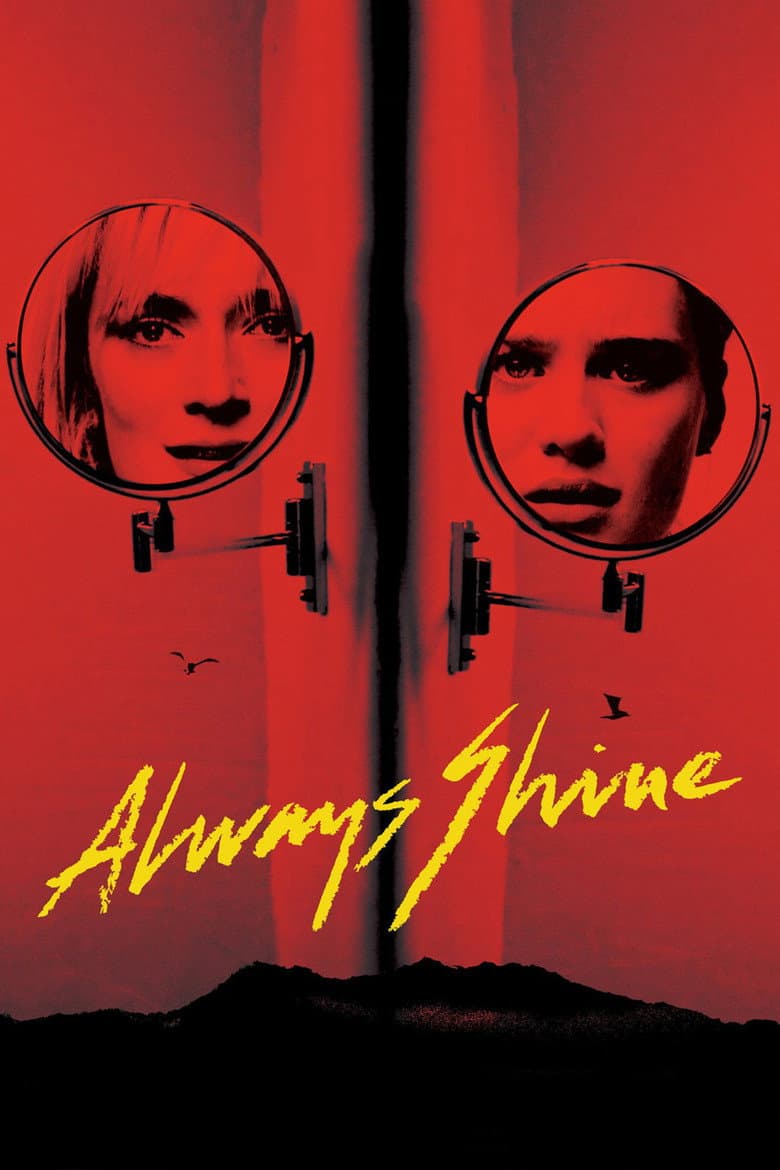
Anna is a struggling actress who travels from Los Angeles to Big Sur with Beth, her old friend and a more successful actress. Anna feels angry and jealous because Beth gets paid work while she is often rejected or forced to work for free. Beth wants the trip to repair their friendship, but their private talks bring old lies and hurt back to the surface. The weekend turns into a dark psychological thriller as the women fight, chase each other, and lose track of who they are.
The film puts pressure on women to look pretty, act quiet, accept sexual demands, and hide anger at the center of the story. Beth gains work by playing a shy and sexualized type, while Anna is punished for being loud, direct, and hard to control. The women repeat these rules in their arguments, and Anna later copies Beth’s clothes and manner because people treat her better that way. The movie presents Hollywood and wider social ideas about femininity as forces that damage both women, so its feminist message is a major part of the thriller.
Community feedback
Was our 59% Woke rating accurate?
Breakdown
These are the editorial factors and ratings behind our score for Always Shine.
Woke representation / casting
Not present. The film has two white female leads because the story is about two actress friends. Their gender fits the story, and the movie does not use a broad diversity mix or a diversity-first casting message.
0%
Woke political dialogue
Anna says people would not tell her to calm down if she were a man. A male mechanic tells her to be more ladylike, and the women argue about nudity and how actresses are judged. These points appear in several scenes, but they support the larger story instead of taking over the movie.
34%
Identity-driven story themes
The movie makes female identity and social pressure its main subject. Anna and Beth are pushed toward different versions of the acceptable woman, one quiet and pretty and one more forceful but punished. Anna envies Beth’s success and later copies her manner to receive the same approval. The horror plot grows from the damage caused by these gender rules.
68%
Western institutional / cultural critique
The film presents Hollywood as a system that rewards quiet, attractive, submissive women. Male producers ask Beth about nudity, and a male mechanic tells Anna to act more ladylike. The story treats these moments as part of wider pressure on women, while showing women being watched and judged. The critique targets gender rules and male entitlement, but it does not attack religion, family, or capitalism.
48%
Woke character or canon changes
Not relevant. The film is an original story about two actresses. It does not change an established character, source story, or real historical event.
0%
Anti-woke backlash and complaints
Not present. No anti-woke backlash, boycott, or review-bombing was found in the X research pass or the available web discussion. Public complaints focused on the ending, acting style, and confusing story.
0%
Creator track record context
Sophia Takal has a recurring record of stories about female friendship, gender pressure, and Hollywood sexism, with a cached score of 44. Lawrence Michael Levine has a cached score of 30 and a smaller pattern of feminist and gender-focused work without a public activist persona. The film matches both creators’ known creative interests.
39%
Production

Movie · 2018
After suspecting that their police officer neighbor is a serial killer, a group of teenage friends spend their summer spying on him and gathering evidence, but as they get closer…

Movie · 2017
In a small town in Maine, seven children known as The Losers Club come face to face with life problems, bullies and a monster that takes the shape of a clown called Pennywise.

Movie · 2019
After a mysterious woman saves her daughter from a deadly snakebite, a single mother must repay the debt by killing a stranger before sundown.

Movie · 2016
A struggling painter is possessed by satanic forces after he and his young family move into their dream home in rural Texas.

Movie · 2023
When her mother disappears while on vacation in Colombia with her new boyfriend, June’s search for answers is hindered by international red tape.
Movie · 2016
Suspecting that people are transforming into malevolent shape-shifters, Wyatt flees to New York City to seek out his estranged childhood friend Christian.

Movie · 2017
Dr. Steven Murphy is a renowned cardiovascular surgeon who presides over a spotless household with his wife and two children.

Movie · 2021
While exploring the neighboring woods, 13-year-old John discovers an unfinished bunker — a deep hole in the ground.
