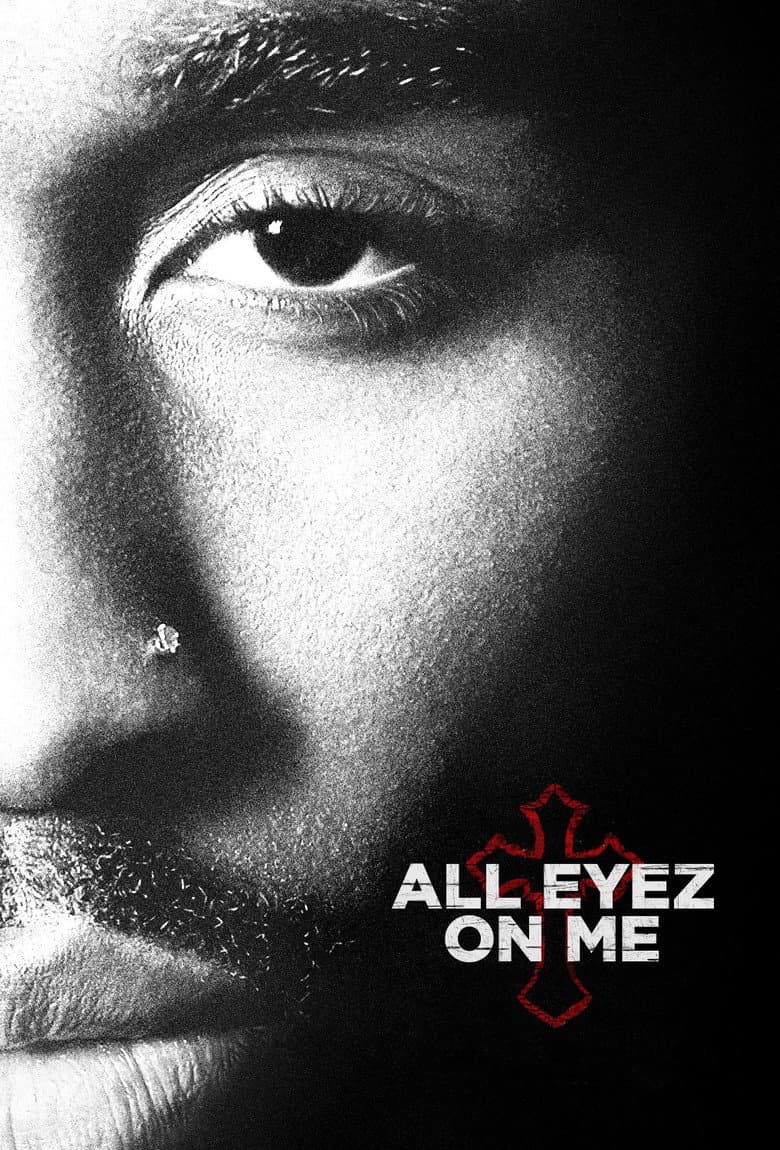
All Eyez on Me follows Tupac Shakur from his childhood in New York and Baltimore to his rise as a rapper, actor, and public voice. His mother Afeni, a former Black Panther, teaches him to speak for people who feel trapped by poverty, police abuse, and prison. Tupac later moves through the music business, legal trouble, jail, Death Row Records, and a deadly feud with other rappers. The long drama feels angry, crowded, and tragic as Tupac tries to balance art, fame, loyalty, and violence.
The film makes race and political activism visible from its opening scene, which presents Afeni as a black revolutionary who fights an unfair legal system. Tupac repeats messages about Black pride, police violence, government pressure, and the need to help his community. The movie also treats his music as a way to tell stories about poor Black neighborhoods and to challenge people in power. These ideas shape his family history and public image, but the movie spends just as much time on fame, sex, fights, crime, and his fall, so the woke material is important without taking over every scene.
Community feedback
Was our 51% Woke rating accurate?
Breakdown
These are the editorial factors and ratings behind our score for All Eyez on Me.
Woke representation / casting
Not present. The film casts black actors as Tupac, Afeni, Jada, Biggie, and other real people from Tupac's life. The casting matches the people and setting shown in the story.
0%
Woke political dialogue
Afeni gives a direct speech about being a black woman who fought a racist system. Tupac says police target black people, calls America a gang, and speaks about Black liberation and political prisoners. He also argues that rap should tell the truth about poor Black neighborhoods. These messages return during his childhood, music career, legal trouble, and prison scenes.
50%
Identity-driven story themes
Afeni's Black Panther past shapes Tupac's view of power, race, and community. The story presents his Black pride and his music as tools for helping people who are ignored or harmed by police and courts. Tupac is shown as a possible community leader, even while the film shows his violence, sex life, fame, and bad choices. Identity and activism help drive the story, but the movie is also a broad rise-and-fall music biopic.
48%
Western institutional / cultural critique
The film repeatedly shows police officers, the FBI, courts, prisons, and record executives as forces that watch, punish, or silence Tupac. It connects those institutions to racial bias, poverty, and the criminalization of Black political movements. The film frames Tupac's sexual assault case mainly as a racist political attack. The movie also shows violence and failures inside Tupac's own community, so the criticism is strong but not one-sided.
42%
Woke character or canon changes
Not relevant. The film changes some details of Tupac's life, including his relationship with Jada Pinkett Smith. Those changes do not change any character's race, gender, sexuality, or hero role.
0%
Anti-woke backlash and complaints
Not present. No clear anti-woke or anti-left campaign was reported. Public complaints focused on accuracy, shallow writing, and Jada's portrayal.
0%
Creator track record context
The key creative team has a mixed public record. Benny Boom has emphasized black culture and has connected Tupac's politics with Black Lives Matter. Eddie Gonzalez has backed greater Latino inclusion in Hollywood, while Jeremy Haft and Steven Bagatourian have little clear record of activist politics. The title itself is a biographical story built around real people.
40%
Production

Movie · 2016
After his older brother passes away, Lee Chandler is forced to return home to care for his 16-year-old nephew.
Movie · 2023
The true story of the inseparable Von Erich brothers, who made history in the intensely competitive world of professional wrestling in the early 1980s.
Movie · 2023
The story of J. Robert Oppenheimer's role in the development of the atomic bomb during World War II.
Movie · 2023
American ballet dancer Joy Womack is accepted into Moscow's infamously tough Bolshoi Ballet Academy, with the dream of becoming a great ballerina.
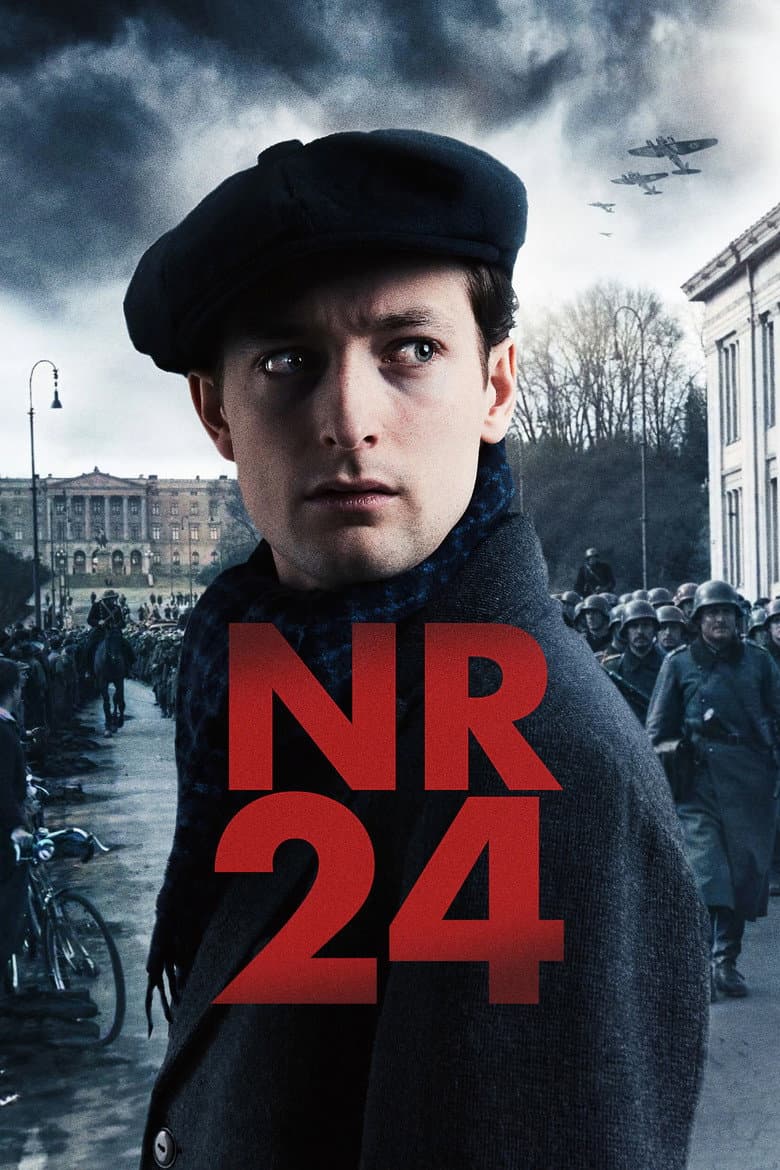
Movie · 2024
On the brink of the Second World War, a young Norwegian man's drive to resist the Nazis sets a new course for his future – and the future of his country.
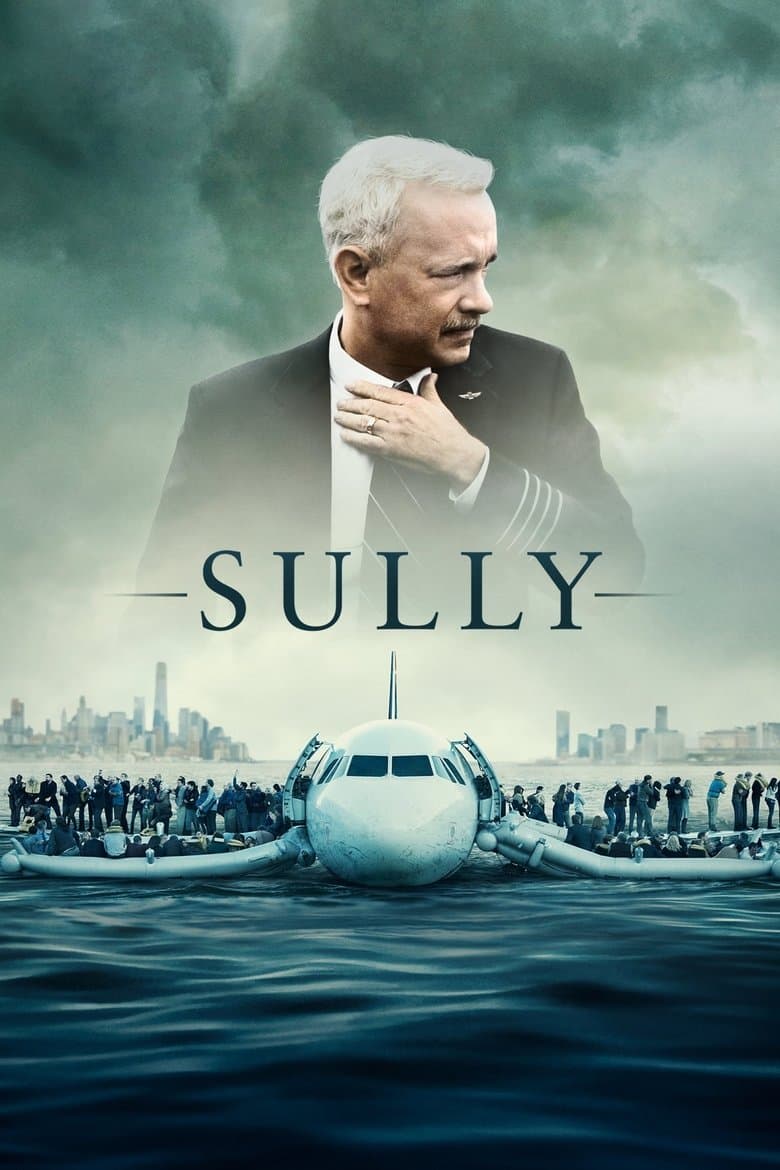
Movie · 2016
On 15 January 2009, the world witnessed the 'Miracle on the Hudson' when Captain 'Sully' Sullenberger glided his disabled plane onto the Hudson River, saving the lives of all 155…
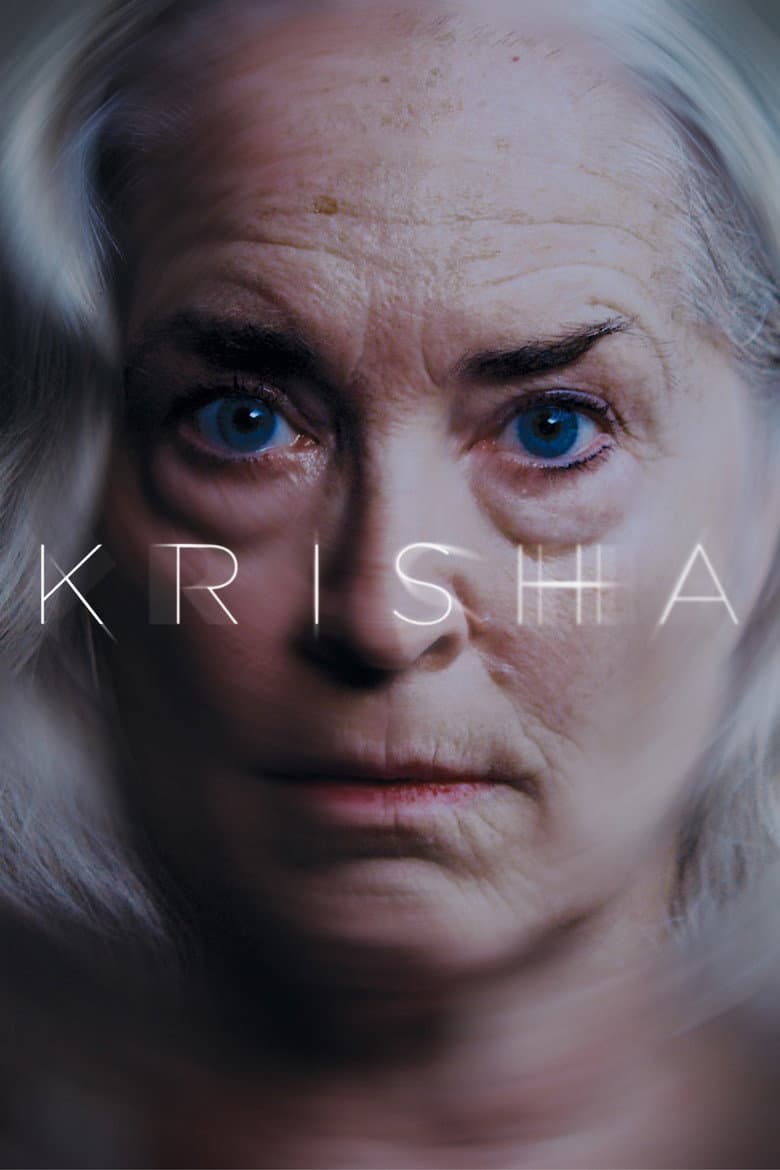
Movie · 2016
When Krisha returns to her estranged family for Thanksgiving dinner, past demons threaten to ruin the festivities.
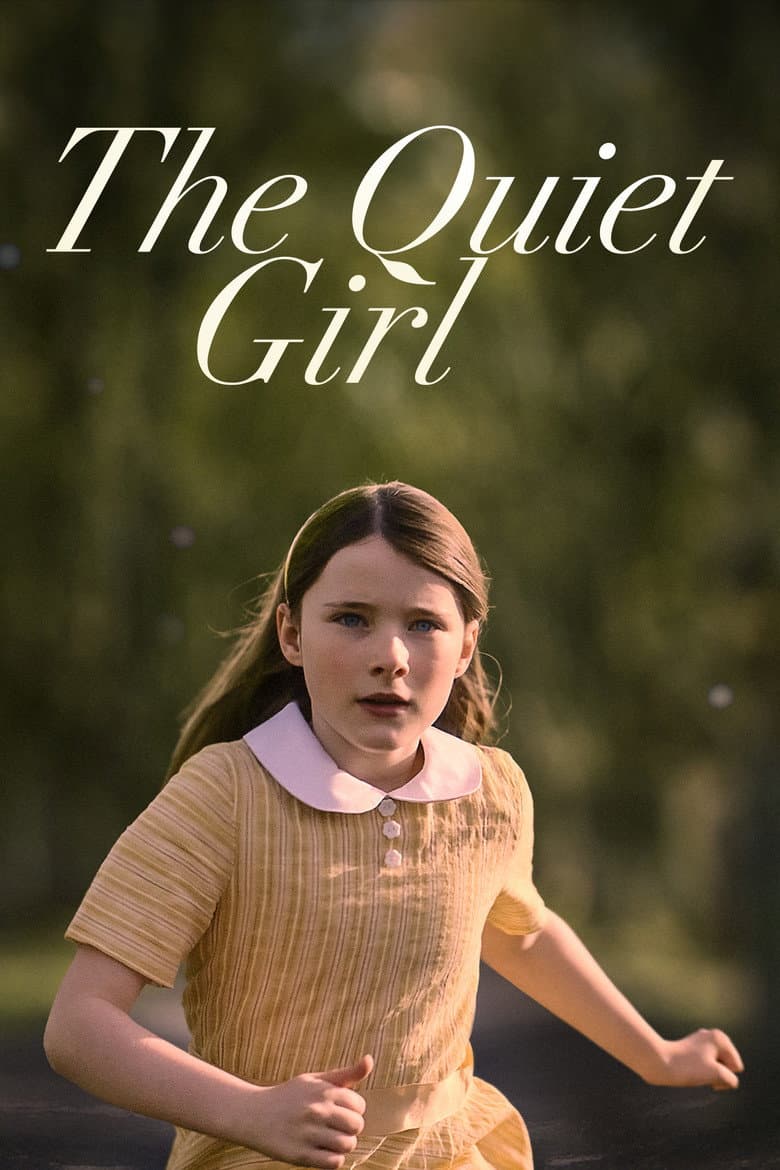
Movie · 2022
A quiet, neglected girl is sent away from her dysfunctional family to live with relatives for the summer. She blossoms in their care, but in this house where there are meant to be…
