
Hardin Scott is a young British writer who has lost Tessa after publishing a book about their private relationship. He is stuck, drinking again, and unable to finish his next book. He travels from London to Lisbon to face Natalie, a woman he hurt years earlier, and to learn how to live without Tessa. The film has a sad, romantic, and sometimes sexual tone, with a strong focus on regret and second chances.
Hardin's main task is to admit how badly he hurt Natalie and Tessa. He must face the damage caused by the sex video he shared and by turning Tessa's private life into a book. The film treats change as a personal duty that requires staying away from alcohol, honesty, and patience. Natalie helps him see that forgiveness does not erase the past, while Tessa decides whether his change is real. The story ends with romance, family, and a chance to repair old trust.
Community feedback
Was our 14% Woke rating accurate?
Breakdown
These are the editorial factors and ratings behind our score for After Everything.
Woke representation / casting
Not present. The film centers on a mostly white British romance, with a black stepbrother and other supporting characters. No character or marketing message presents the cast as a diversity statement.
0%
Woke political dialogue
Not present. The characters do not discuss elections, laws, activist causes, or identity politics. The dialogue stays on love, privacy, addiction, and personal change.
0%
Identity-driven story themes
Not present. Hardin's wrongdoing toward Natalie and Tessa is personal relationship drama, not a race, sexuality, or group-identity story. The film does not center activism or a modern identity campaign.
0%
Western institutional / cultural critique
The film criticizes male entitlement through Hardin's choices. He publishes Tessa's private life without her permission and shares a private sex video involving Natalie with friends. Natalie suffers public harm, and Tessa leaves him because of his betrayal. The story asks Hardin to take responsibility, but it treats the harm as a personal failure rather than a wider attack on patriarchy or Western institutions.
24%
Woke character or canon changes
Not relevant. The film continues the existing Hardin and Tessa story from Anna Todd's After series. Its Lisbon trip and focus on Natalie change the plot, but they do not change a character's identity or add a diversity message.
0%
Anti-woke backlash and complaints
Not present. Public complaints focused on Tessa's limited screen time, the rushed ending, and the unhealthy romance. The sampled coverage did not frame the film as woke, DEI, or identity-political.
0%
Creator track record context
The cached context gives Castille Landon and Anna Todd low scores of 12 and 7. Hero Fiennes Tiffin has a cached score of 29, but the record notes no political activism or identity-driven advocacy. The other listed creators have cached scores from 5 to 12 and no clear activist pattern.
12%
Production

Movie · 2017
Nothing is as it seems in this riveting World War 2 thriller as a wary soldier goes to investigate a mysterious German monarch at his secluded mansion, leading him into a web of…

Movie · 2016
Lou Clark, a directionless 26-year-old from the English countryside, takes a job at the local castle as a caregiver and companion to a wealthy young banker, Will Traynor.
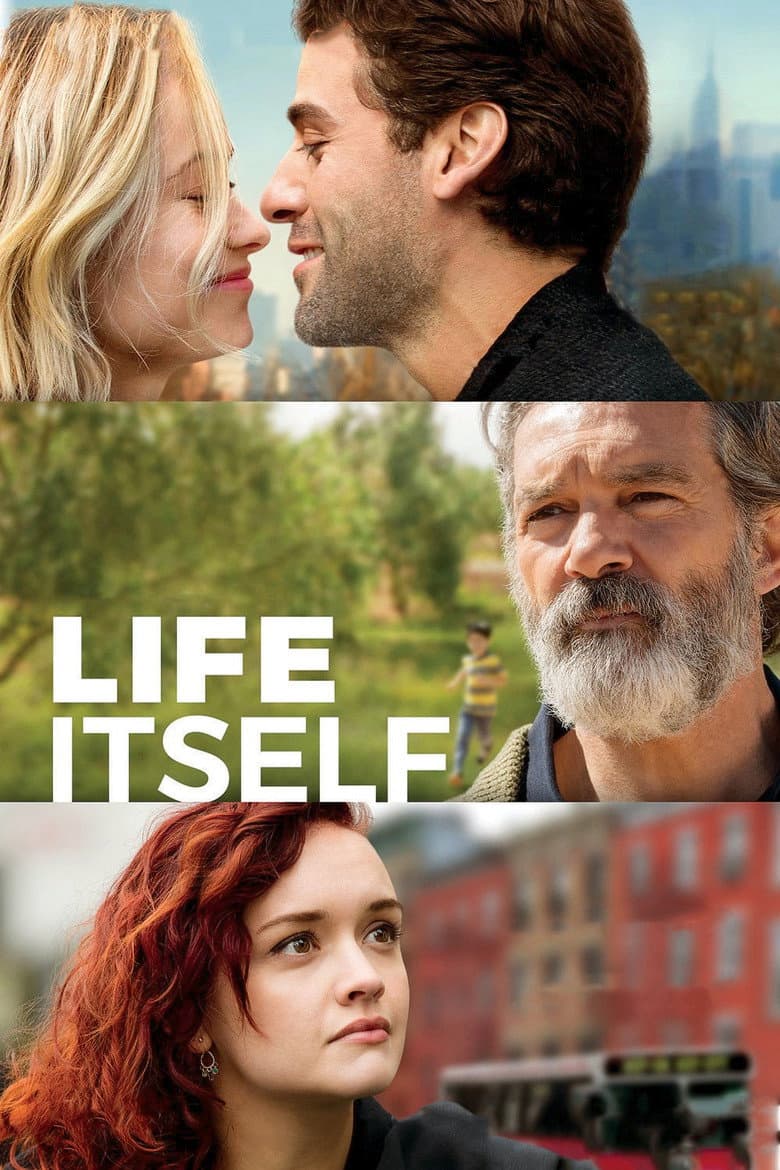
Movie · 2018
As a young New York couple goes from college romance to marriage and the birth of their first child, the unexpected twists of their journey create reverberations that echo over…
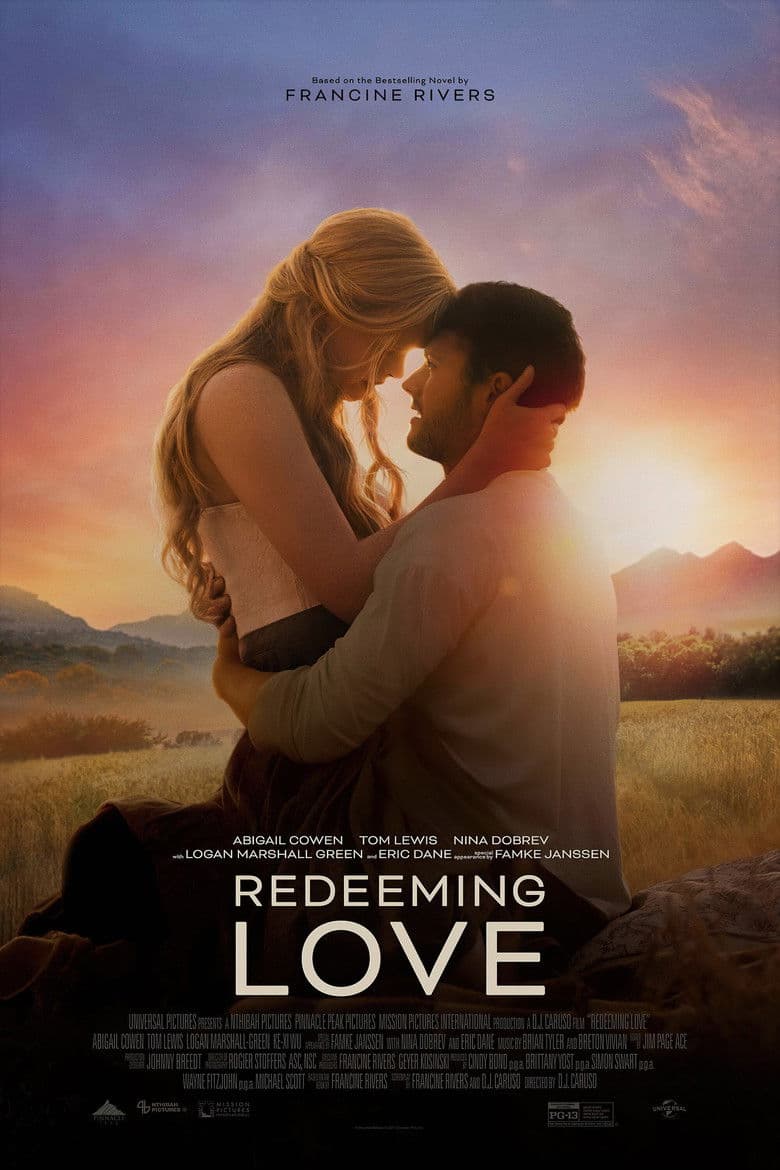
Movie · 2022
A young couple's relationship clashes with the harsh realities of the California Gold Rush of 1850. Angel, experiencing love for the first time and facing demons unsurmountable…
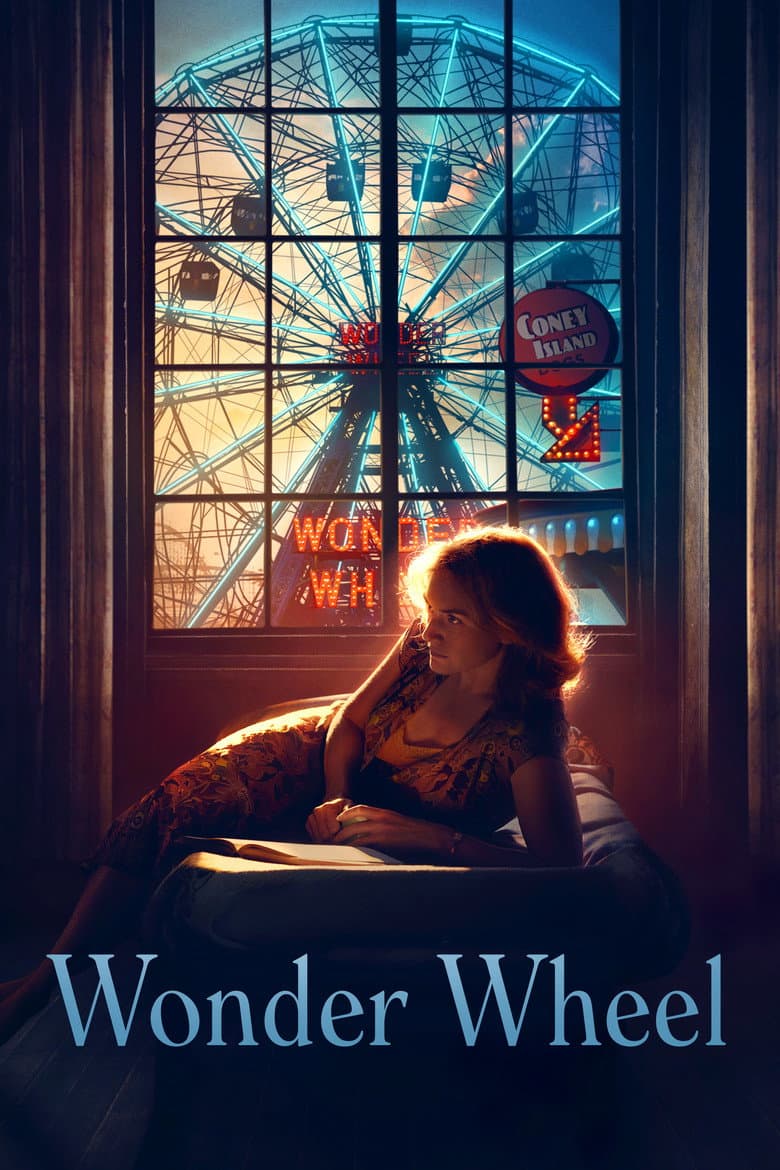
Movie · 2017
The story of four characters whose lives intertwine amid the hustle and bustle of the Coney Island amusement park in the 1950s: Ginny, an emotionally volatile former actress now…
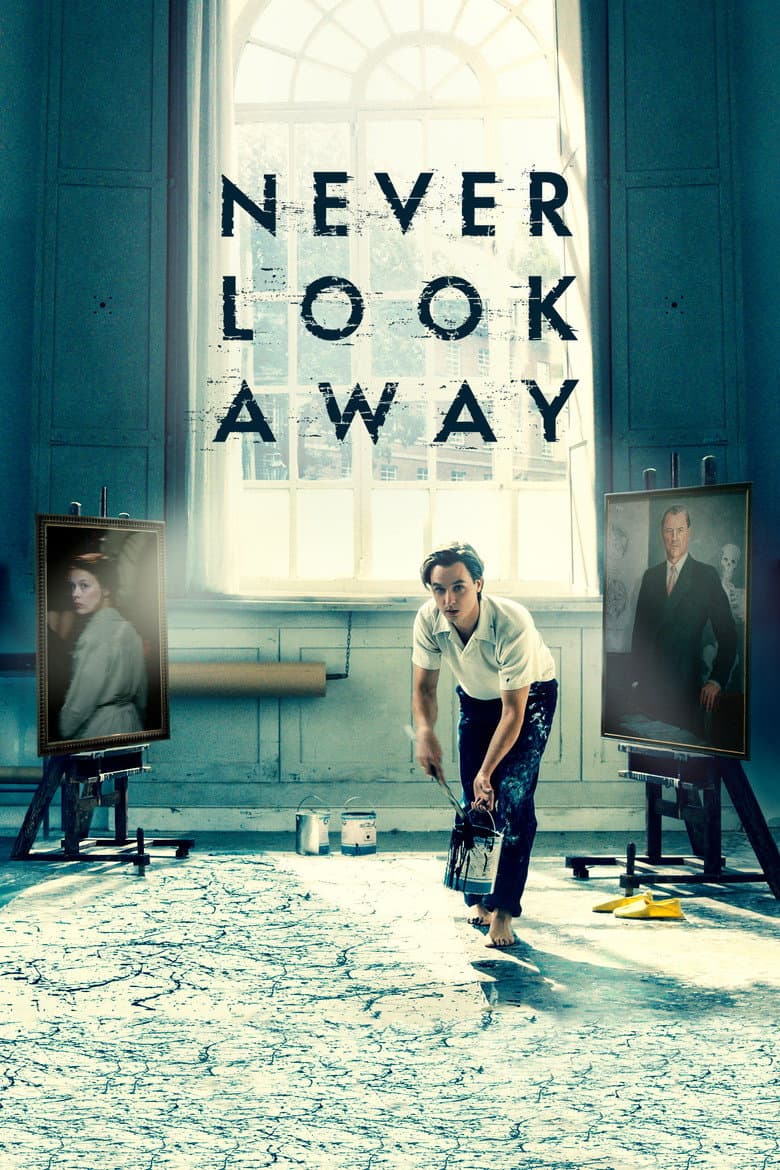
Movie · 2018
German artist Kurt Barnert has escaped East Germany and now lives in West Germany, but is tormented by his childhood under the Nazis and the GDR regime.

Movie · 2024
Remi and Barnes, two very different teenagers, meet by chance in the winter of their senior year, then spend four days together over the course of a year that will change their…
Movie · 2016
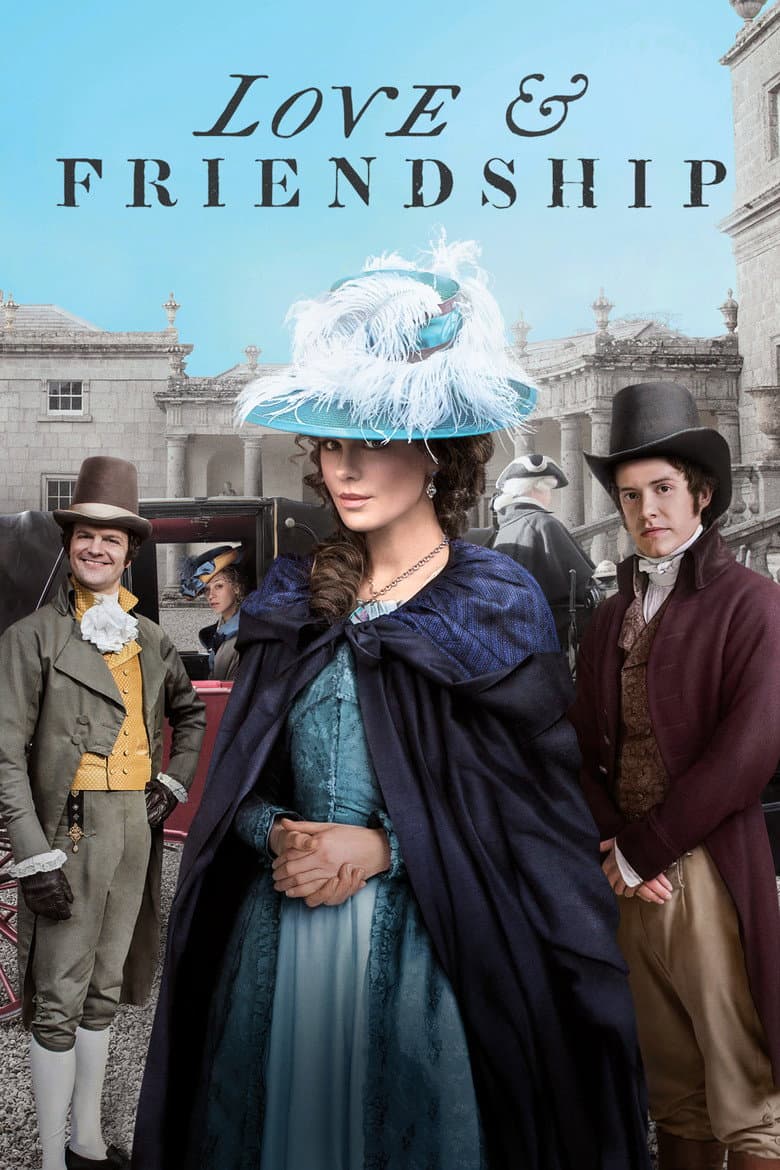
From Jane Austen’s novella, the beautiful and cunning Lady Susan Vernon visits the estate of her in-laws to wait out colorful rumors of her dalliances and to find husbands for…
