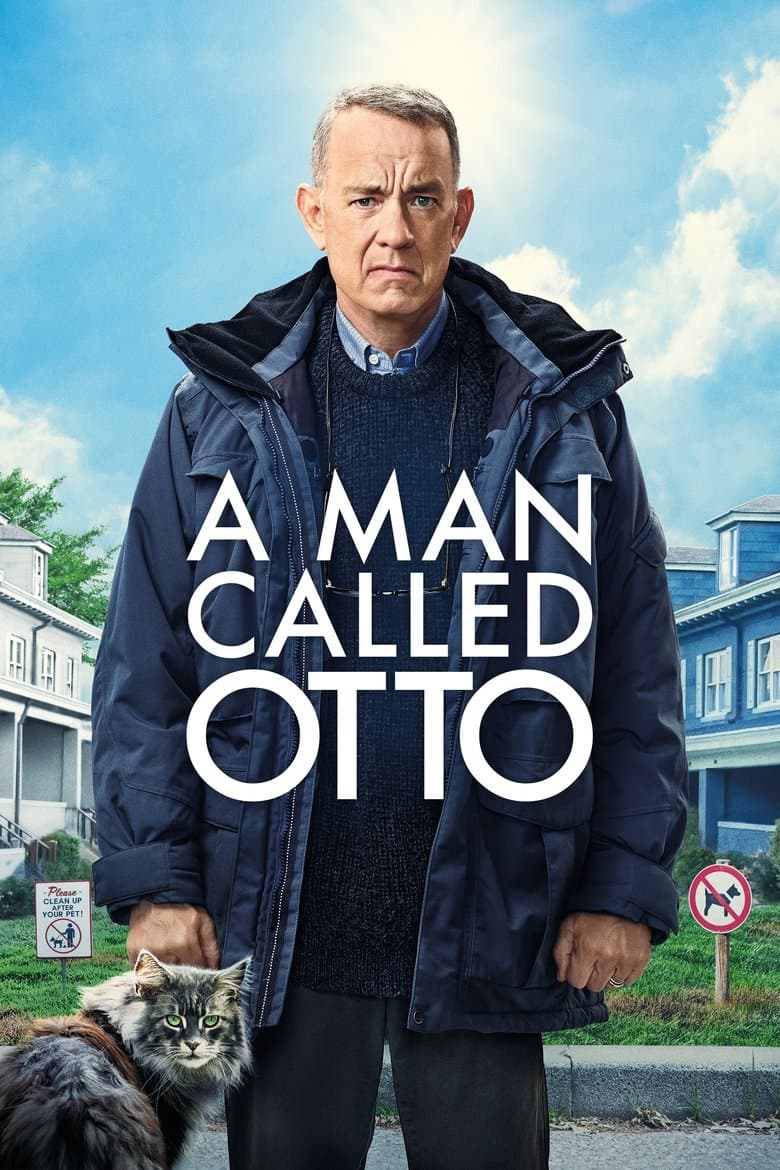
Otto Anderson is a grumpy older man in a Pittsburgh neighborhood. His wife has died, and he wants to end his own life. A lively pregnant woman named Marisol moves in next door with her family. Their pushy friendship slowly pulls him back into caring about people again. The tone mixes sad grief with warm comedy and neighborhood bonds.
The story is mainly about loss, friendship, and finding a reason to live. Viewers also see clear modern identity touches. A teen named Malcolm is transgender. His dad kicks him out, and Otto lets him stay. That plot point is said out loud on screen. The book and Swedish film had a gay young man in a similar role; this remake makes him trans. Marisol’s Mexican family are major co-stars, and a black couple are important neighbors. A greedy real estate company is the bad guy. Many people watch this as a simple feel-good movie. Others notice the trans subplot and diverse casting as a social message. That side is real but not the whole film.
Community feedback
Was our 71% Woke rating accurate?
Breakdown
These are the editorial factors and ratings behind our score for A Man Called Otto.
Woke representation / casting
Mexican family as main co-stars, black couple as key neighbors, and a trans actor as a trans teen. Clear diversity in big supporting roles. Otto stays a white male lead. Immigrant neighbors echo the book (Iranian there, Mexican here), but casting still reads as modern representation-first choices some viewers notice.
44%
Woke political dialogue
Short but plain lines about Malcolm being trans and his dad rejecting him; Otto calls the dad an idiot. Real-estate-villain talk is about greed and medical records, not race or gender sermons. Not wall-to-wall lectures, but the trans lines are hard to miss when they appear.
40%
Identity-driven story themes
Core story is grief, suicide, and neighbors becoming family. Secondary but clear: a trans teen is kicked out for who he is, helped by Otto, and linked to the late wife’s kindness. That is modern identity-acceptance messaging on top of a classic heart-warmer. Not a full queer film, but the LGBTQ thread is real and weighted higher.
52%
Western institutional / cultural critique
Greedy housing company preys on sick older people and is taken down by neighbors and a live stream. Classic “rich company bad” plot, plus a jab at people filming emergencies on phones. Not a strong lecture on patriarchy, whiteness, or colonial guilt.
30%
Woke character or canon changes
The book/Swedish film’s gay young man who is thrown out is reworked into transgender Malcolm, with other youth roles folded in. Sources describe this as a more inclusive update. That is an identity-driven change, not plain shortening. Iranian neighbors becoming Mexican is normal U.S. remake localization and scores lower than the gay-to-trans shift.
60%
Anti-woke backlash and complaints
Real complaints that the film inserts a “woke” or “trans propaganda” character, ruins a good story with DEI, or normalizes gender ideology. Seen on user reviews, Christian sites, Reddit, and X. Steady and specific, not a giant mainstream news war.
45%
Creator track record context
Key people (Forster, Magee, Hanks, Holm) land mild-to-low on stored woke/activist track records. Liberal or human-story focus more than DEI or identity campaigns. Supports a gentle community movie more than hard activism.
18%
Production
Movie · 2017
Brigsby Bear Adventures is a children's TV show produced for an audience of one: James. When the show abruptly ends, James's life changes forever, and he sets out to finish the…
Movie · 2025
Lily Trevino unexpectedly befriends an online stranger who shares her self-centered father’s name. This new Bob Trevino’s support could transform her life.
Movie · 2023
The true story of how Dave Fishwick, a working class man and self-made millionaire, fought to set up a community bank so that he could help the local businesses of Burnley not…

Movie · 2025
An eccentric lottery winner who lives alone on a remote island tries to make his fantasies come true by getting his favourite musicians to perform at his home.
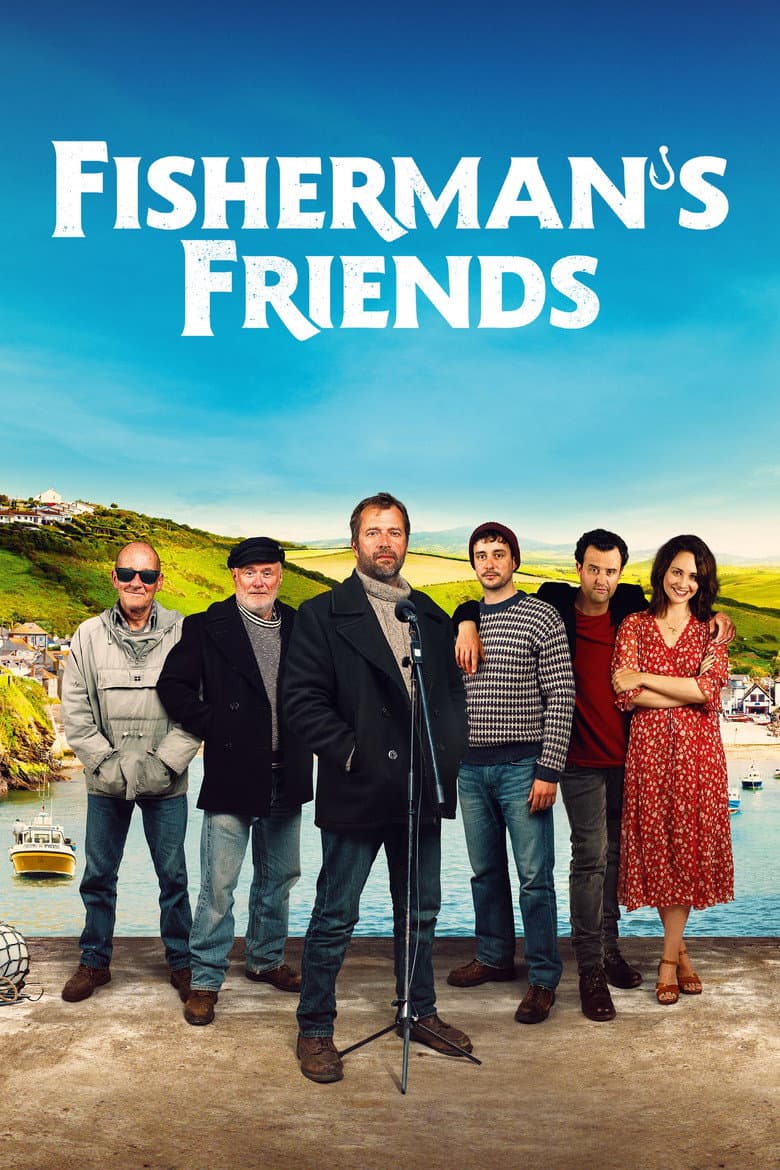
Movie · 2019
Ten fishermen from Cornwall are signed by Universal Records and achieve a top ten hit with their debut album of Sea Shanties.

Movie · 2022
Maurice Flitcroft, a dreamer and unrelenting optimist, managed to gain entry to The British Open Golf Championship qualifying in 1976 and subsequently shot the worst round in Open…

Movie · 2016
Aspiring New York City artist John Hollar returns to his Middle America hometown on the eve of his mother’s brain surgery.
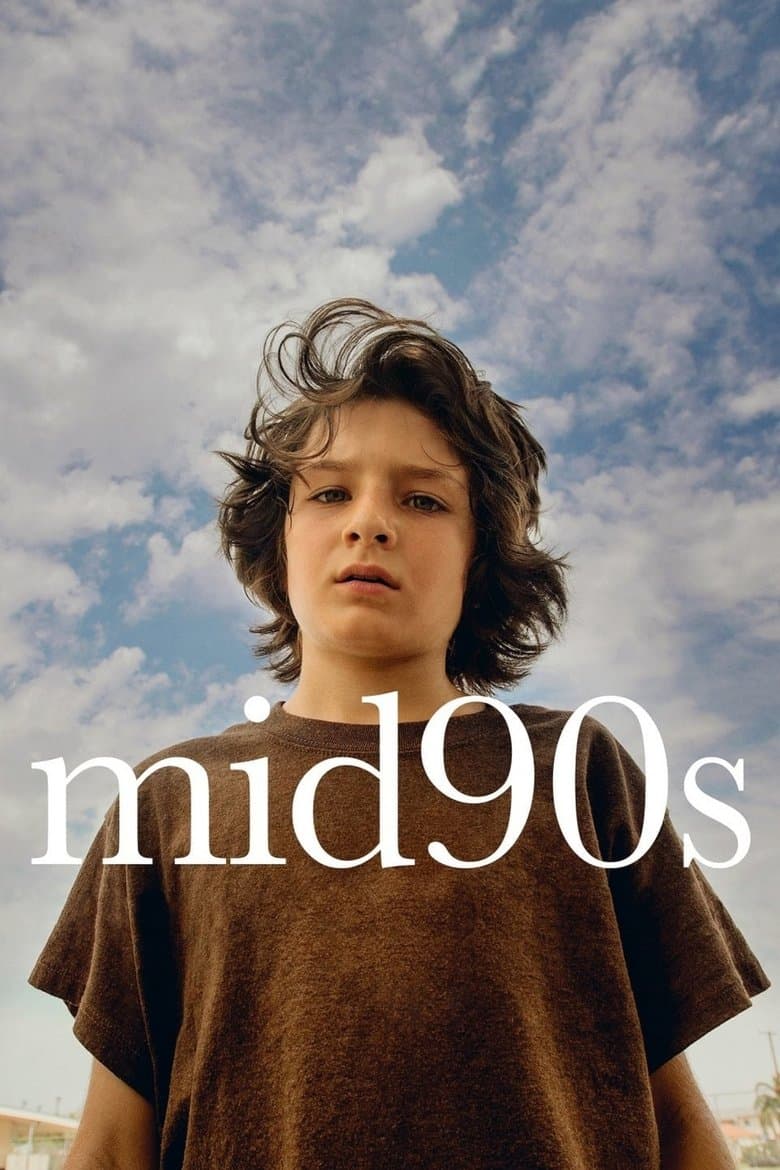
Movie · 2018
In 1990s Los Angeles, a 13-year-old spends his summer navigating between a troubled home life and a crew of new friends he meets at a skate shop.
