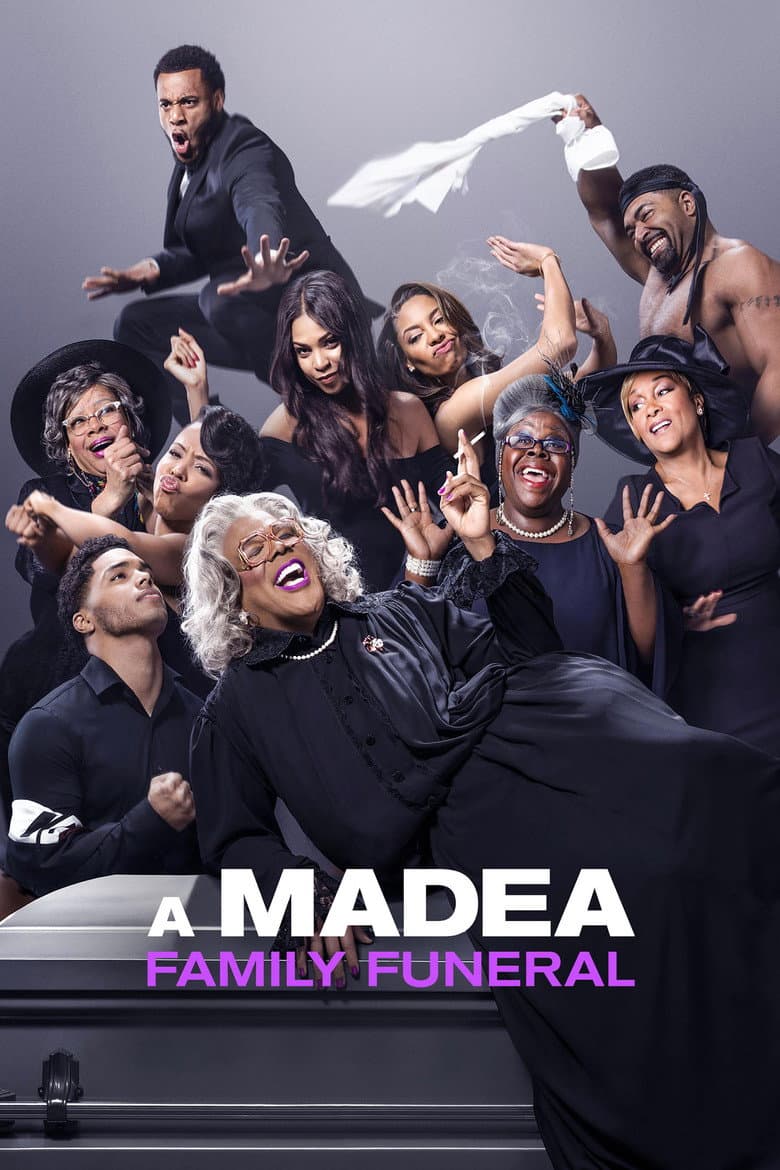
Madea, her brother Joe, her son Brian, Aunt Bam, and Hattie travel to rural Georgia for a family anniversary party. The celebration turns into a funeral after Anthony dies during a secret meeting with another woman. His widow Vianne and the rest of the family must plan the service while hidden affairs and old wounds come out. The movie mixes loud jokes, church scenes, crude sex humor, and serious family drama.
The movie has one clear woke element in a traffic stop where the Black passengers fear being shot and call the treatment racist while discussing protest. The story also gives repeated attention to women confronting cheating men and choosing whether to stay or leave. Vianne says she stayed with an unfaithful husband to protect her children and later decides to live for herself. These ideas shape important side stories, but the movie mainly stays a broad family comedy about death, secrets, marriage, and forgiveness.
Community feedback
Was our 45% Woke rating accurate?
Breakdown
These are the editorial factors and ratings behind our score for A Madea Family Funeral.
Woke representation / casting
Not present. The film centers on a black family in Georgia, so the main cast fits the story world. The movie does not make casting diversity itself a major topic.
0%
Woke political dialogue
The traffic stop gives this factor its main evidence. The Black passengers fear that the white officer may shoot them, and they discuss racist treatment, protest, and people killed by police. The scene is direct and longer than a single joke, but it is separate from the funeral story. The rest of the dialogue is mostly about sex, family secrets, marriage, and church comedy.
34%
Identity-driven story themes
Women in the family repeatedly confront men who cheat, lie, or treat them badly. Vianne explains that she stayed with Anthony to protect her children, then says she will live for herself after his death. Carol is urged to set rules and leave if her husband cheats again. These messages shape an important family subplot, but they share the movie with crude jokes and funeral chaos.
44%
Western institutional / cultural critique
The film treats a police stop as a modern race and power conflict. The officer points a gun and gives confusing orders while the Black passengers fear being shot. Madea calls the treatment racist and talks about protest, but the movie does not build a wider attack on Western institutions or Christianity. The marriage story criticizes male cheating without attacking marriage or family themselves.
32%
Woke character or canon changes
Not relevant. The movie uses the established Madea family and does not change a known character's race, gender, sexuality, or role.
0%
Anti-woke backlash and complaints
One conservative Christian review calls the movie's relationship advice feminist and objects to its personal-empowerment message. That complaint is specific but comes from one review, not a large public campaign. The supplied X pass found no anti-woke posts, boycott talk, or review-bombing, and most audience complaints focused on comedy quality.
8%
Creator track record context
Tyler Perry has a cached creator score of 47/100 and is the writer, director, and main star. His work often centers Black casts, family, faith, and Black experiences, while his public politics include Democratic support and statements about race. The producers have cached scores from 17 to 31, and the casting director has a cached score of 55 for support of diverse casting. This gives the project a moderate creator track record signal.
41%
Production
Movie · 2024
Inseparable best friends AJ and Moose decide to run the local pool's snack shack after their plan to sell home-brewed beer goes down the drain.
Movie · 2016
A comedy that follows a group of friends as they navigate their way through the freedoms and responsibilities of unsupervised adulthood.
Movie · 2016
Two teenage boys from inner-city Cork steal bicycles and ride off on a 160km quest to find an unrecovered bale of cocaine worth 7,000,000 euros.
Movie · 2022
Exploring every facet of ‘Weird Al’ Yankovic’s life, from his meteoric rise to fame with early hits like ‘Eat It’ and ‘Like a Surgeon’ to his torrid celebrity love affairs and…
Movie · 2023
From his onstage tackle to the slap heard round the world, Dave Chappelle lets loose in this freewheeling and unfiltered stand-up comedy special.
Movie · 2017
Brigsby Bear Adventures is a children's TV show produced for an audience of one: James. When the show abruptly ends, James's life changes forever, and he sets out to finish the…
Movie · 2023
A chaotic intervention. An action-packed stay in rehab. After a weird couple of years, John Mulaney comes out swinging in his return to the stage.
Movie · 2022
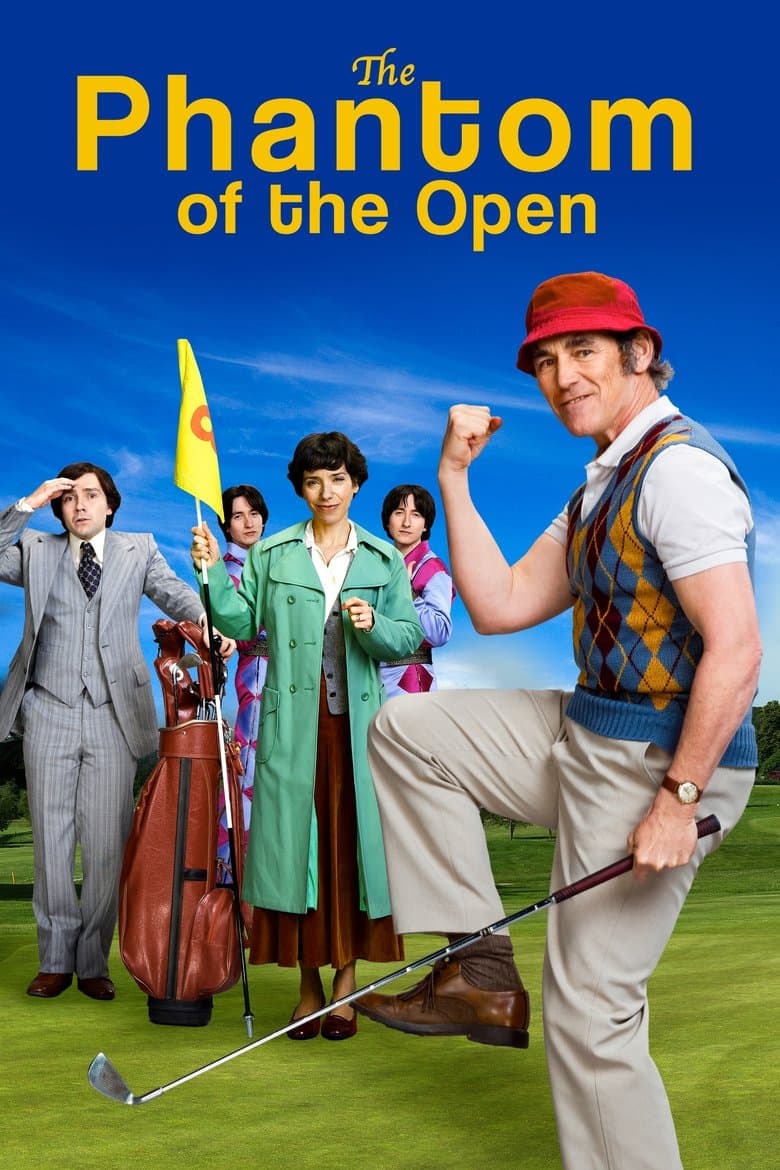
Maurice Flitcroft, a dreamer and unrelenting optimist, managed to gain entry to The British Open Golf Championship qualifying in 1976 and subsequently shot the worst round in Open…
