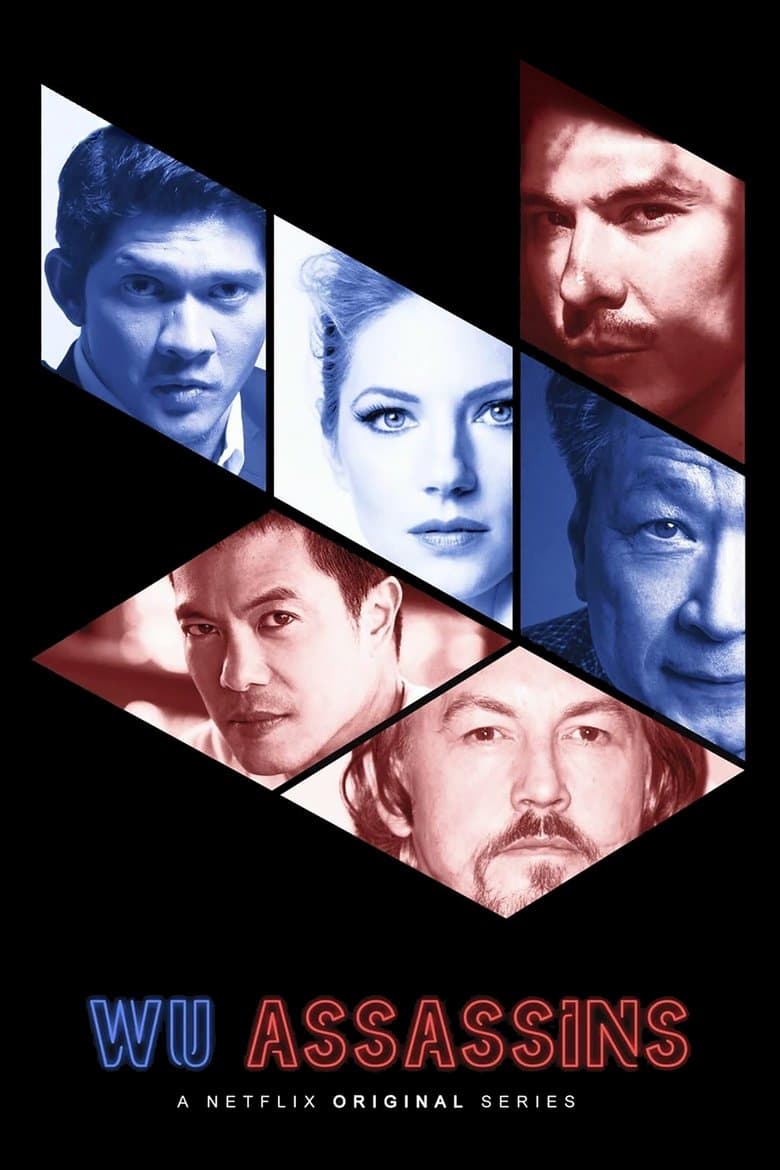
Started August 8, 2019 · Canceled · Based on 1 season, 10 episodes through August 8, 2019 · TV-MA · 45 min
Kai Jin is a young chef in San Francisco Chinatown. A mystic spirit chooses him as the last Wu Assassin. He must reclaim power shards from five warlords who control fire, wood, earth, metal, and water. His childhood friends and his triad stepfather are pulled into the fight with him. The series blends dark action with crime, family loyalty, and long martial arts battles.
The nearly all Asian cast fits a Chinatown setting and the show treats that cast as a clear selling point. Women fighters such as Jenny, Zan, and the spirit mentor Ying Ying get major action roles. A diner scene shows racist talk and brings up Chinese American history and belonging. Kai corrects people who call him only Chinese and notes that his mother was Indonesian and Muslim. Identity beats matter in spots, but the core plot stays the fight for Wu powers, trust, and revenge, and a same sex kiss comes from a man possessing a woman body while meeting his girlfriend rather than a real queer love story.
Community feedback
Was our 32% Woke rating accurate?
Breakdown
These are the editorial factors and ratings behind our score for Wu Assassins.
Woke representation / casting
The story is set in San Francisco Chinatown, so a mostly Asian cast fits the place. Marketing and cast talk still frame that cast as a diversity and representation win. Women such as Jenny, Zan, and Ying Ying get major fighter and mentor roles. Viewers are pushed to notice who is on screen as much as the fights.
32%
Woke political dialogue
A diner scene has open racist insults and pushback about Chinese American history and belonging. Kai also corrects people who erase his Indonesian Chinese identity. Netflix sold a history lesson angle as well. These lines are real but do not fill every episode.
28%
Identity-driven story themes
The main arc is elemental powers, triad crime, family, and loyalty. Side threads cover racism, mixed Asian heritage, and women as top fighters and the first Wu Assassin. Identity matters in spots but is not the engine of the whole show. There is no confirmed queer character arc.
24%
Western institutional / cultural critique
The diner racism beat and brief history talk criticize prejudice against Chinese Americans. That hit is short and clear. The show does not build a long attack on police, churches, capitalism, or Western life as the main message.
12%
Woke character or canon changes
Not present in this title.
0%
Anti-woke backlash and complaints
Not present in this title.
0%
Creator track record context
Cached crew scores are mostly low to mild. Creators and many writers and directors show little activist history. A few writers have soft progressive or women-focused signals. Overall creative context is light, not a hard identity-politics slate.
18%
Production
TV Show · 2017
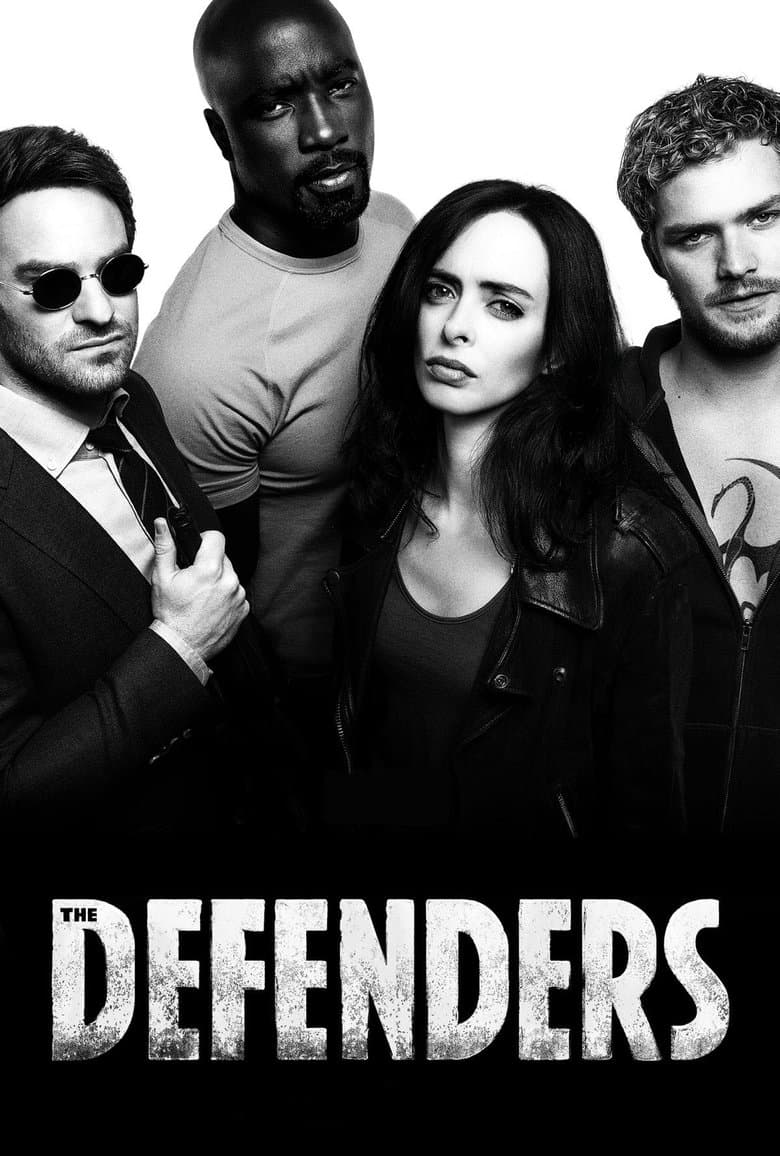
Daredevil, Jessica Jones, Luke Cage and Iron Fist join forces to take on common enemies as a sinister conspiracy threatens New York City.
TV Show · 2023
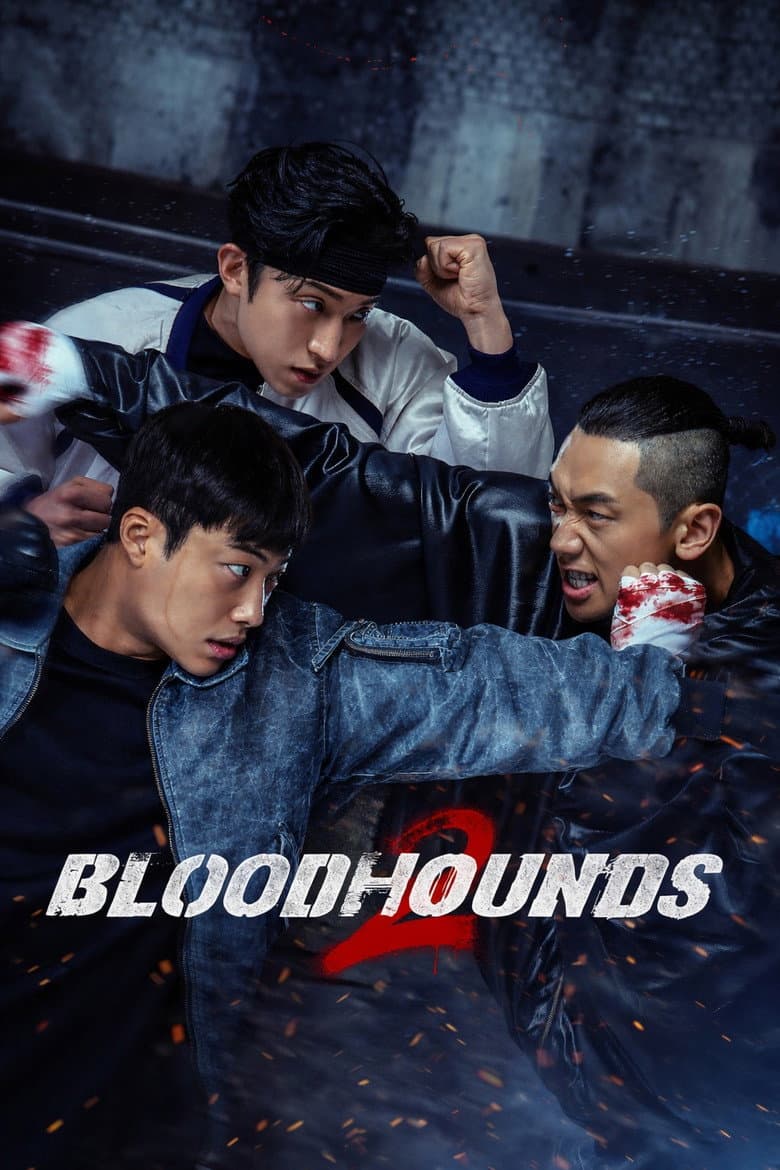
Faced with ruthless foes with a violent thirst, two young boxers band together — risking life and limb to bring justice and protect their loved ones.
TV Show · 2022
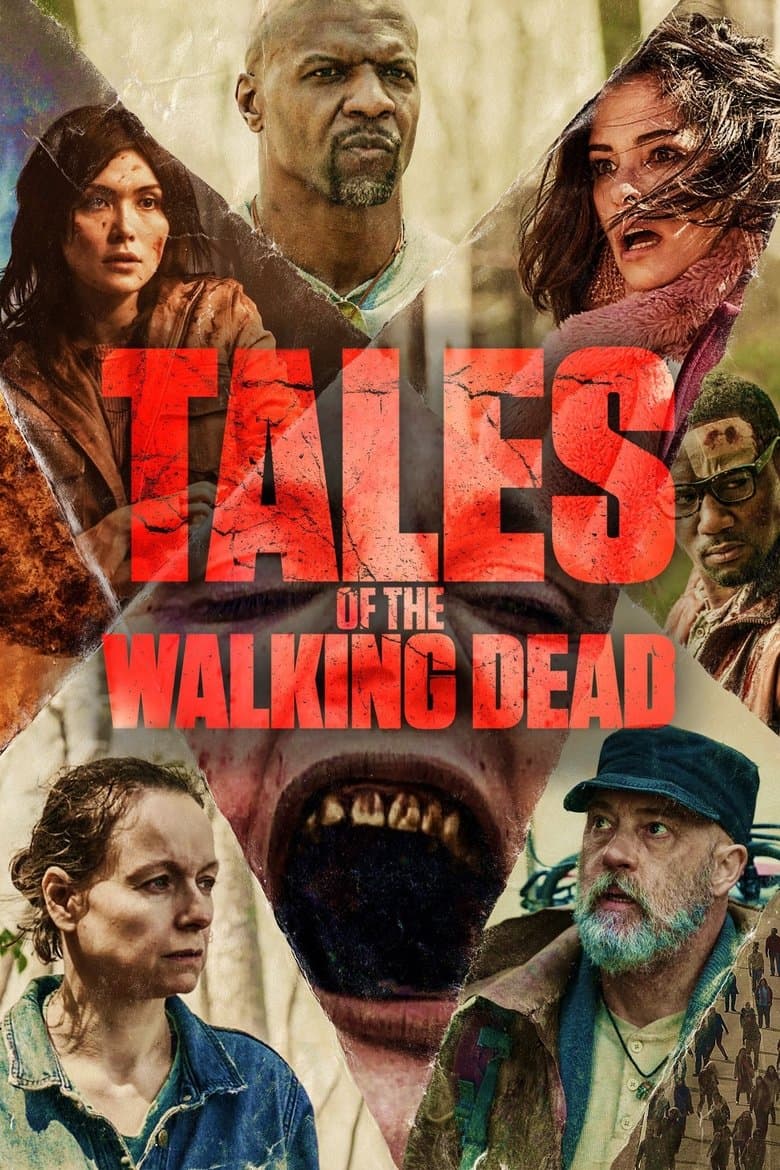
An episodic anthology series focused on both new and established characters set in the world of "The Walking Dead."
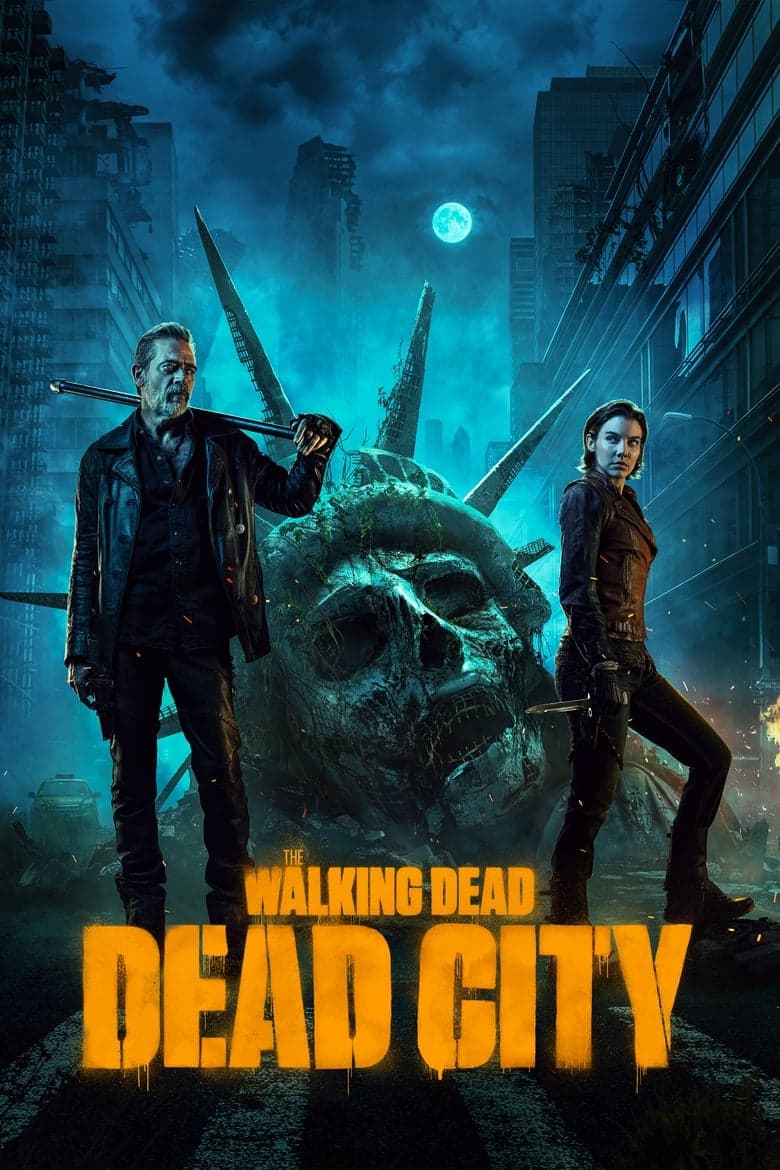
TV Show · 2023
Maggie and Negan travel to post-apocalyptic Manhattan - long ago cut off from the mainland. The crumbling city is filled with the dead and denizens who have made it a world full…
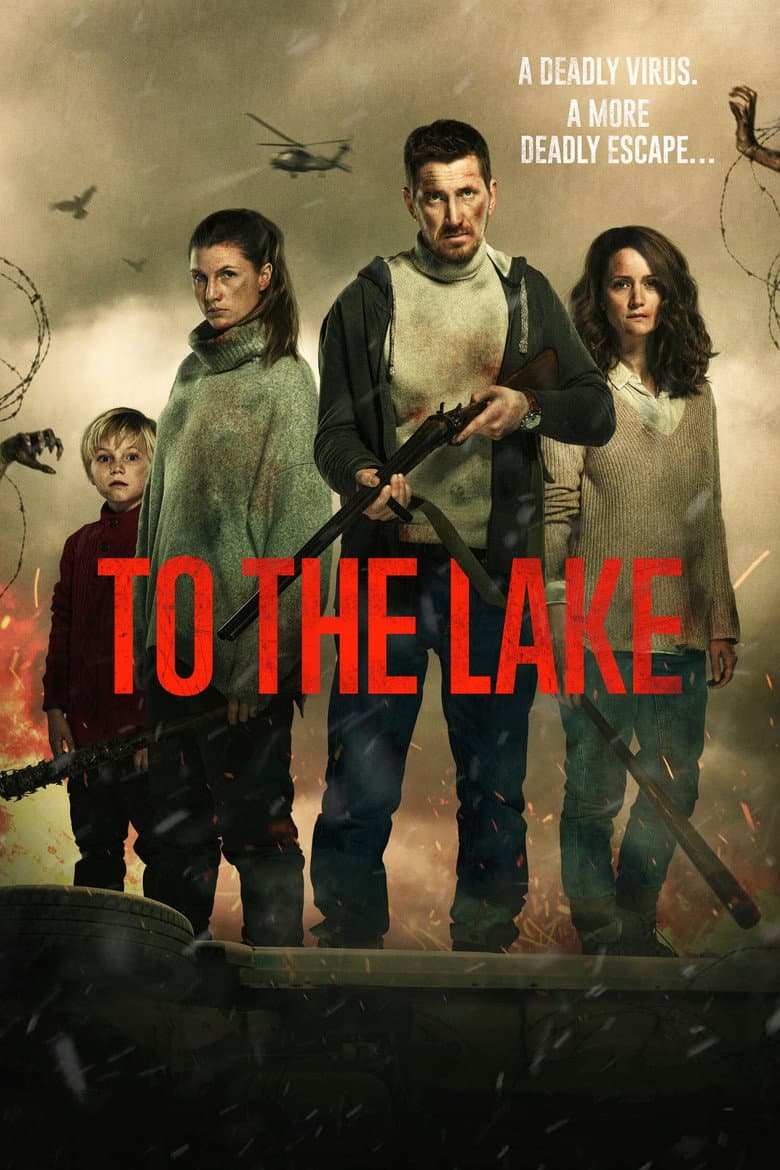
TV Show · 2019
A grim drama that unfolds against the backdrop of a global catastrophe. An unknown new virus turns Moscow into a city of the dead.
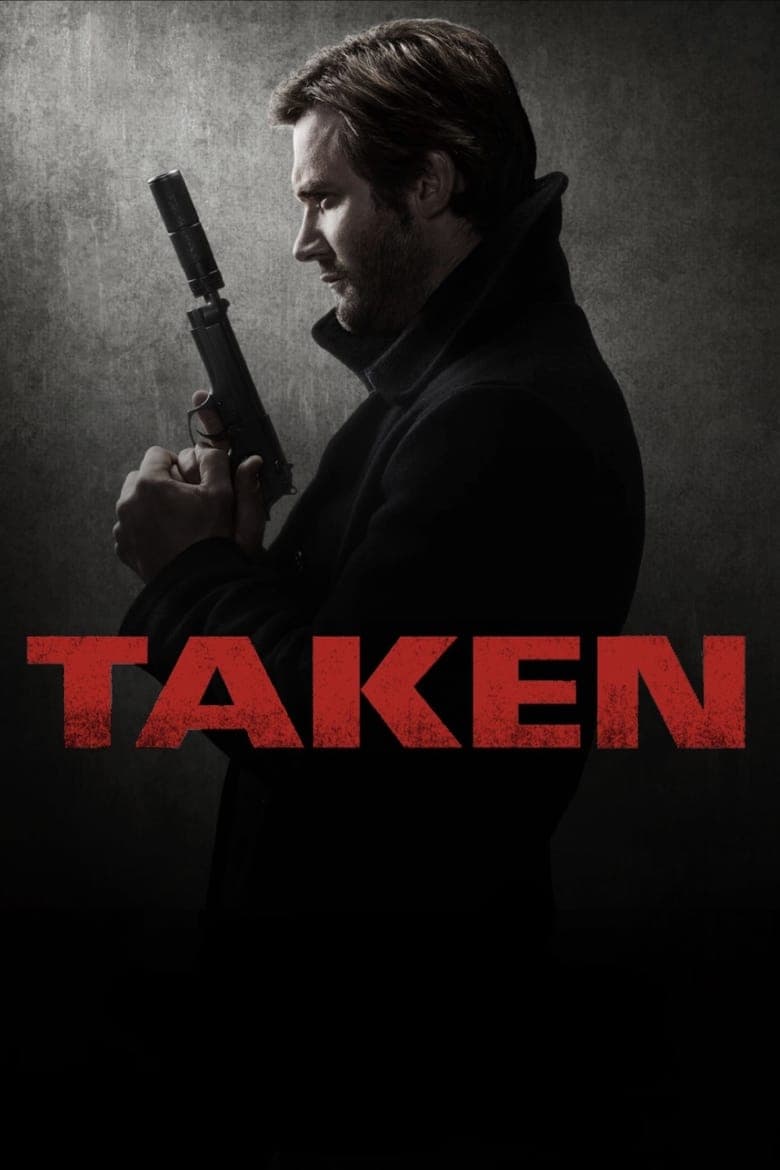
TV Show · 2017
The origin story of younger, hungrier, former Green Beret Bryan Mills as he deals with a personal tragedy that shakes his world.
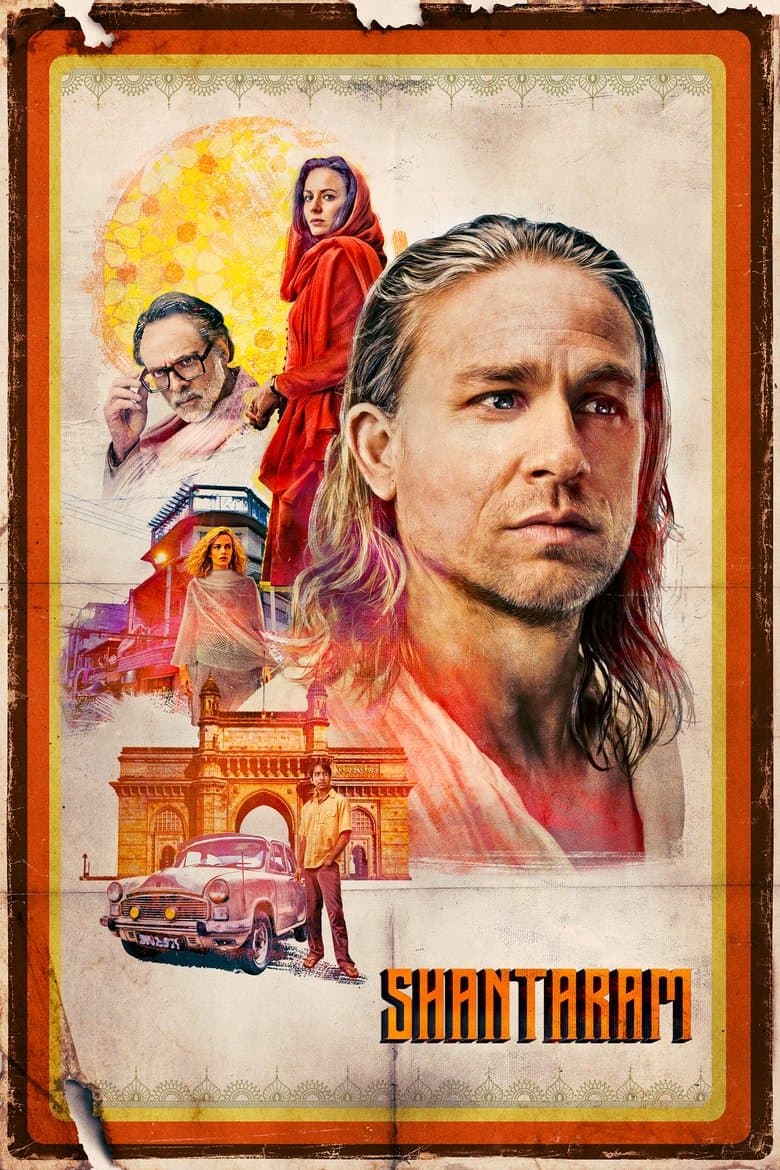
TV Show · 2022
Escaped convict Lin Ford flees to the teeming streets of 1980s Bombay, looking to disappear. Working as a medic for the city's poor and neglected, Lin finds unexpected love…
TV Show · 2021
After encounters with a dragon and a princess on her own mission, a Dragon Knight becomes embroiled in events larger than he could have ever imagined.
