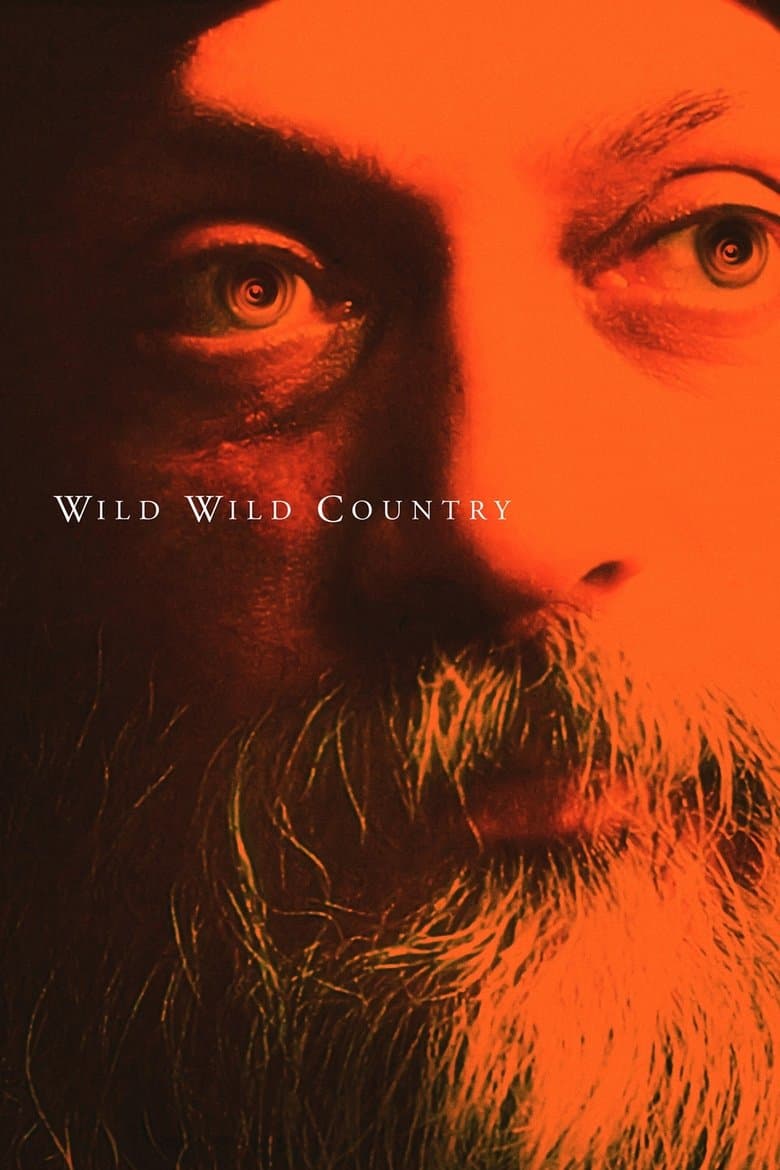
Started March 16, 2018 · Ended · Based on 1 season, 6 episodes through March 16, 2018 · TV-MA · 67 min
Wild Wild Country follows Ma Anand Sheela, the sharp aide who helps Indian guru Bhagwan Shree Rajneesh move thousands of followers to a huge ranch in Oregon. The group builds Rajneeshpuram as a new city beside the small town of Antelope. Local residents fight the newcomers over land, religion, elections, and control of the area. The series has a strange, tense, and often darkly funny tone as a hopeful project turns into crime and scandal.
The commune openly supports free love, open marriages, sex without shame, and a break from traditional religion. The show also presents the group as a religious minority that faces fear and pressure from conservative Christian locals and government officials. Sheela is the main power figure, and several women are shown doing major building and political work. One short news clip mentions lesbians among the followers, but the series does not build a major story around them. These ideas matter to the setting and conflict, but the story mainly studies cult power, political control, fraud, violence, and the collapse of the commune rather than teaching a modern identity program.
Community feedback
Was our 32% Woke rating accurate?
Breakdown
These are the editorial factors and ratings behind our score for Wild Wild Country.
Woke representation / casting
Not present. The documentary uses real Rajneesh followers, local residents, officials, and lawyers rather than invented cast roles. Their Indian, American, and European backgrounds fit the real events and are not presented as a diversity campaign.
0%
Woke political dialogue
The show includes direct talk about religious discrimination, racial discrimination, equality between women and men, and freedom to practice a religion. These lines appear in archive reports and interviews during the conflict with Oregon officials and local residents. The words belong to the historical dispute and do not form a repeated modern DEI speech.
24%
Identity-driven story themes
The commune promotes free love, open marriages, and freedom from traditional sexual rules. The series gives space to claims that women were equal to men and to the conflict between an Indian-led minority religion and a Christian town. These ideas recur in the setup and local fight, but the main story remains cult power, crime, and political control.
34%
Western institutional / cultural critique
The series repeatedly contrasts conservative Christian locals with a commune that rejects traditional sex and religion. It includes claims of religious and racial discrimination and debates over church and state. It also shows the commune using money, voter moves, weapons, fraud, and violence, so the criticism of Western institutions stays mixed rather than dominant.
32%
Woke character or canon changes
Not relevant. This is a documentary about real people and events, not an adaptation that changes a character or source.
0%
Anti-woke backlash and complaints
Not present. The X research found no anti-woke complaints, boycott, or review-bombing. Other reaction focused on the cult, the crimes, and claims that the series left out some abuse or religious detail, not on woke or DEI messaging.
0%
Creator track record context
The Way brothers have a low creator track record score and no strong identity-activist pattern. Most producers also have little public record of this type of work. Ben Cotner has produced civil-rights, LGBTQ-rights, and racial-justice documentaries, which adds a mild supporting signal.
16%
Production
TV Show · 2019
A Cleveland grandfather is brought to trial in Israel, accused of being the infamous Nazi death camp guard known as Ivan the Terrible.
TV Show · 2022
This harrowing docuseries explores, a cruel conman masquerading as a British spy manipulates and steals from his victims, leaving ruined families in his wake.
TV Show · 2021
Beneath the sunlit glamour of 1985 L.A. lurks a relentlessly evil serial killer. In this true-crime story, two detectives won't rest until they catch him.
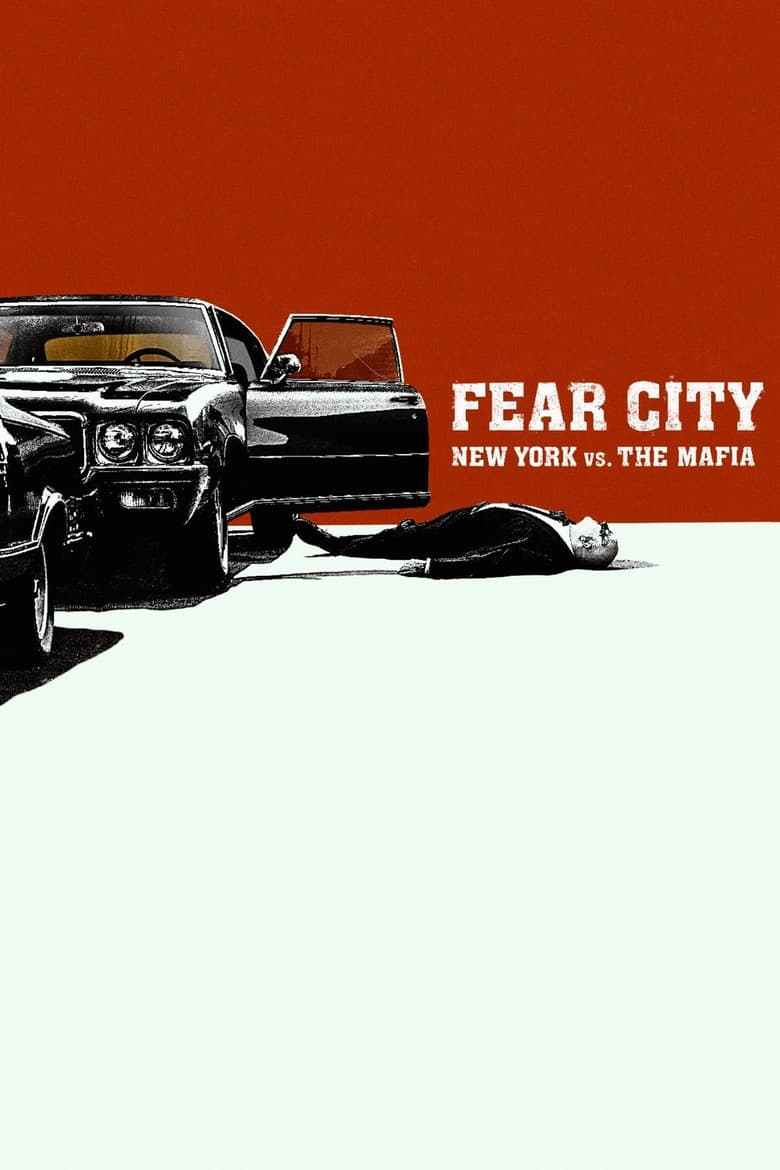
TV Show · 2020
New York City in the 1970s was ruled with a bloody fist by five mafia families, until a group of federal agents tried the unthinkable: taking them down.
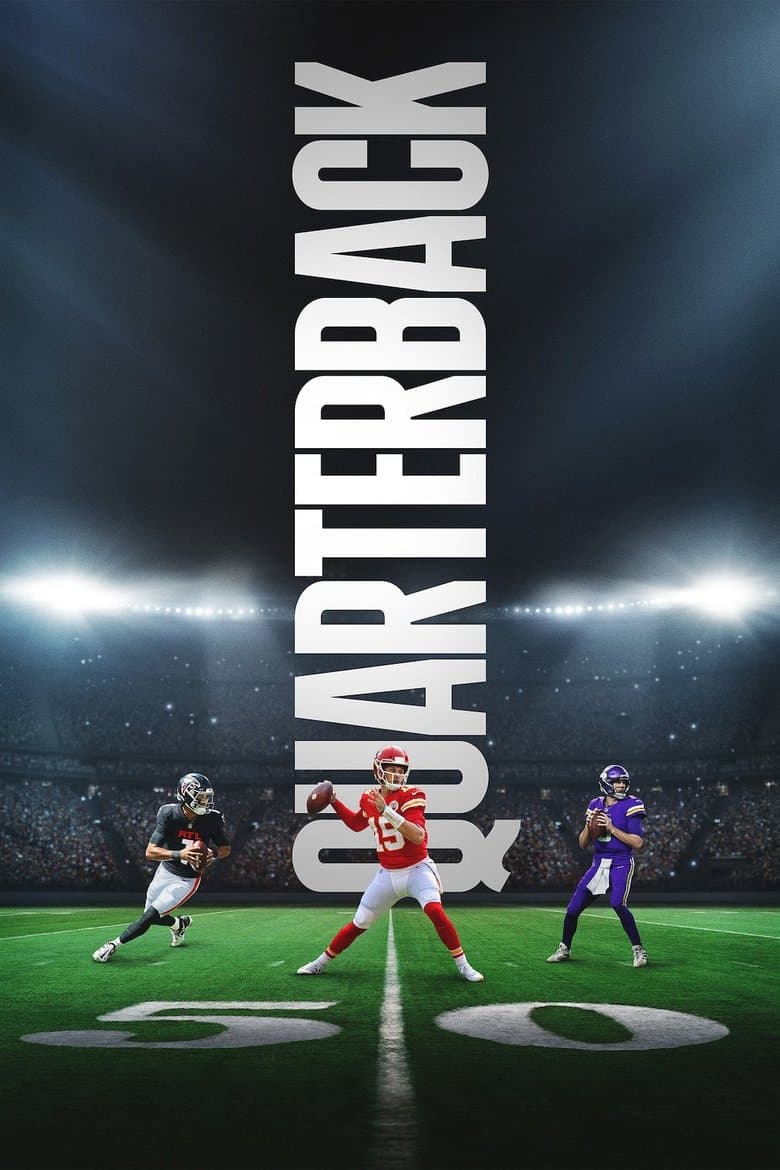
TV Show · 2023
Follow the bruised bodies, soul-crushing fumbles, agonizing losses, and pure joy of three NFL quarterbacks during one season.
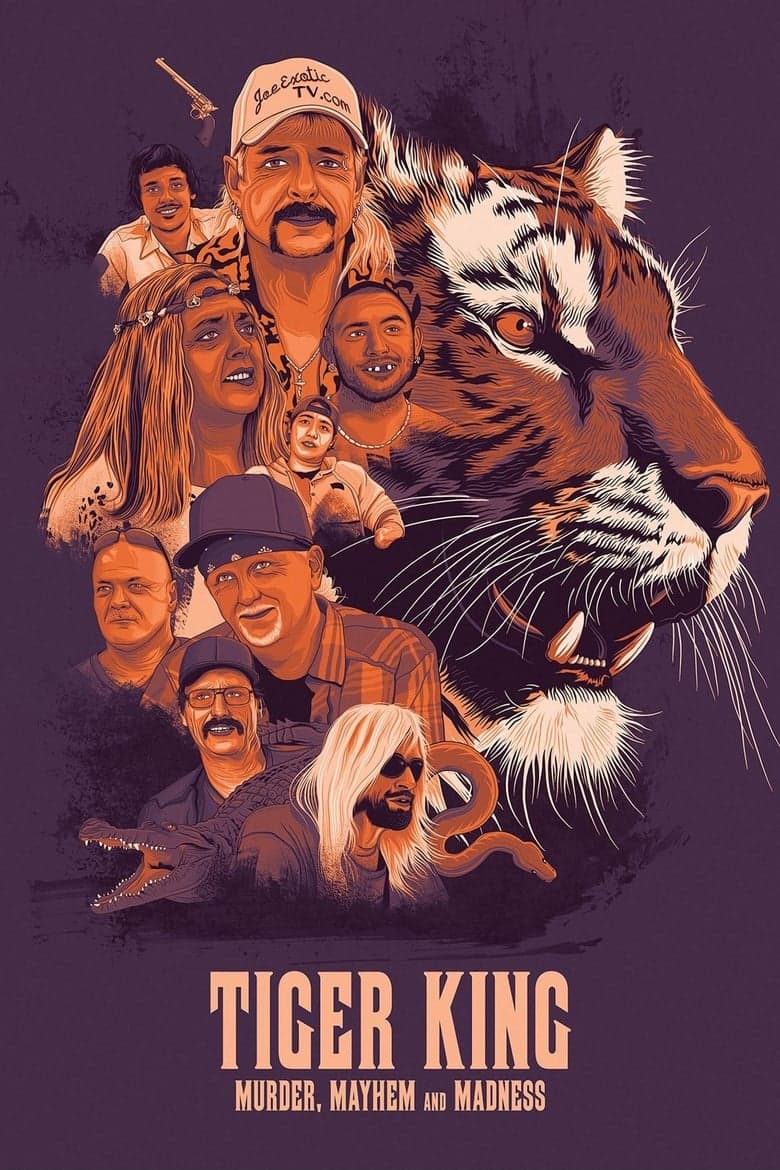
TV Show · 2020
A zoo owner spirals out of control amid a cast of eccentric characters in this true murder-for-hire story from the underworld of big cat breeding.

TV Show · 2023
Through vividly enhanced archival footage and voices from all sides of the conflict, this docuseries brings WWII to life like never before.
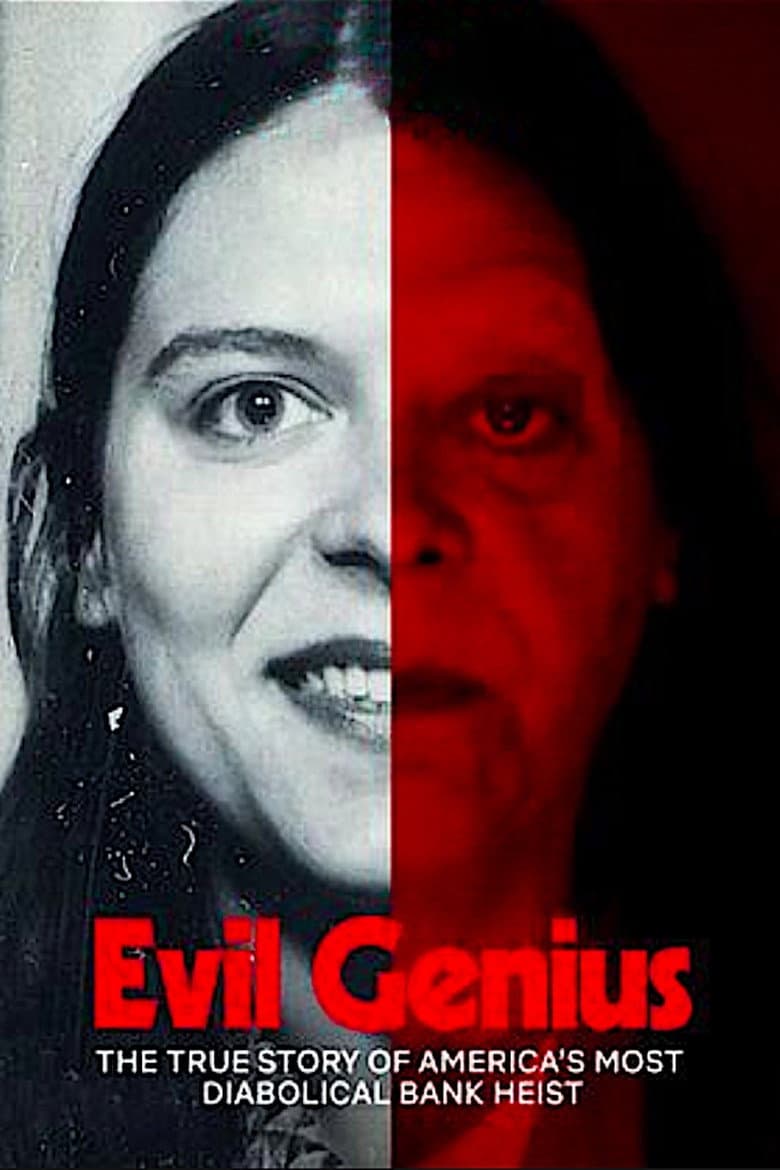
TV Show · 2018
This baffling true crime story starts with the grisly death of a pizza man who robs a bank with a bomb around his neck - and gets weirder from there.
