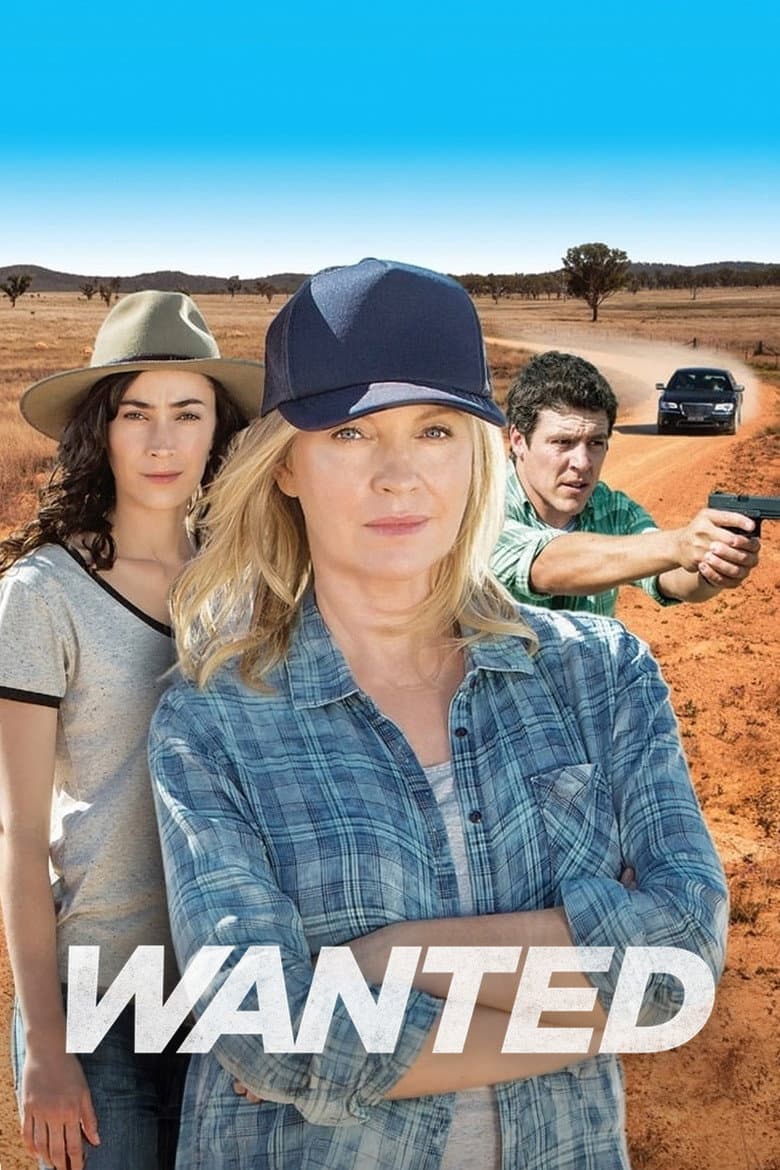
Started February 9, 2016 · Ended · Based on 3 seasons, 18 episodes through October 29, 2018 · TV-14 · 45 min
The show follows Lola Buckley, a tough supermarket cashier, and Chelsea Babbage, a nervous accountant. The strangers witness a killing at a bus stop and are forced to flee with cash while corrupt police and criminals chase them. Season 1 crosses Australia, season 2 moves through Thailand and New Zealand to save Lola’s kidnapped son, and season 3 returns to Australia after the women enter witness protection. The tone mixes fast crime action, danger, dry jokes, and a strong friendship. The clearest woke element is the repeated choice to place women at the center of an action story. Lola and Chelsea learn to drive, fight, plan escapes, and make hard choices, while season 3 adds female detective Maxine and a plot about young women forced into sex work. The show treats female courage, loyalty, and taking control of one’s life as virtues, and it shows male criminals and corrupt officials abusing power. These ideas matter across the three seasons, but the story stays focused on crime, family, survival, and friendship rather than current identity politics.
Community feedback
Was our 53% Woke rating accurate?
Breakdown
These are the editorial factors and ratings behind our score for Wanted.
Woke representation / casting
The series places two women in the only two lead roles across all three seasons. Lola and Chelsea handle the driving, planning, fighting, and escapes instead of serving as side characters. Season 3 adds a female detective, a female prison contact, and several women at the center of the rescue plot. The show clearly builds its action around women, but it does not build its cast around race, queer identity, or many different identity groups.
57%
Woke political dialogue
Not present. The dialogue focuses on survival, crime, family, and helping victims. The episodes do not contain recurring speeches that push modern identity politics, DEI, or activist ideas.
0%
Identity-driven story themes
The series makes the growing bond between Lola and Chelsea the main emotional story in all three seasons. Lola and Chelsea become more willing to lead, fight, deceive, and risk freedom while the men around them often chase, betray, or need rescuing. Season 3 adds a continuing plot about women held in forced sex work, and the leads choose danger to rescue them. The show presents female courage and control over one’s life as virtues, although it does not center current identity politics.
58%
Western institutional / cultural critique
Season 3 shows Lance controlling young women’s passports, pay, and movement in a forced sex-work operation. The show treats that conduct as criminal abuse and gives the women a reason to resist it. Corrupt police and officials appear in every season, but that conflict mainly drives the crime plot. The series does not turn these events into a broad argument about patriarchy, capitalism, or modern political groups.
18%
Woke character or canon changes
Not relevant. The series is an original crime story, and no established character or real historical event is changed for identity reasons.
0%
Anti-woke backlash and complaints
Not present. No sustained anti-woke or anti-DEI complaint was found in the reviewed news, audience posts, or social discussion. The visible reaction focuses on the thriller plot, acting, pace, and friendship.
0%
Creator track record context
The stored context gives Rebecca Gibney and Richard Bell low scores and shows no strong activist profile for most directors. Producer Tony Ayres has a strong record of Asian, migrant, and queer stories. Writer John Ridley has a strong record on race and representation, while Kirsty Fisher and David Hannam often work on women or queer stories. The mixed team gives the show meaningful supporting context, but it does not have one clear activist profile.
35%
Production
TV Show · 2024
A young boy growing up in the suburbs of 1980s Brisbane faces the harsh realities of life — and the looming dangers that threaten his family.
TV Show · 2018
The harrowing true story of the 1993 standoff between the FBI, ATF and the Branch Davidians, a spiritual sect led by David Koresh in Waco, TX that resulted in a deadly shootout…
TV Show · 2017
The State's Attorney's dedicated team of prosecutors and investigators navigates heated city politics and controversy head-on, while fearlessly pursuing justice.
TV Show · 2019
Two detectives are dispatched to investigate the murder of a young girl on the outskirts of Dublin, but as the case of the missing children intensifies, both are forced to…
TV Show · 2021
In a small Michigan town where the business of incarceration is the only thriving industry, the McClusky family are the power brokers between the police, criminals, inmates…
TV Show · 2020
A detailed account of the McDonald's Monopoly game scam during the 1990s as told by the participants in the case, including the prizewinners and the FBI agents who caught the…
TV Show · 2022
Under pressure, fraying at the edges. In relentless night-time Liverpool, copper Chris is paired with a rookie. Will they save or destroy each other?
TV Show · 2023
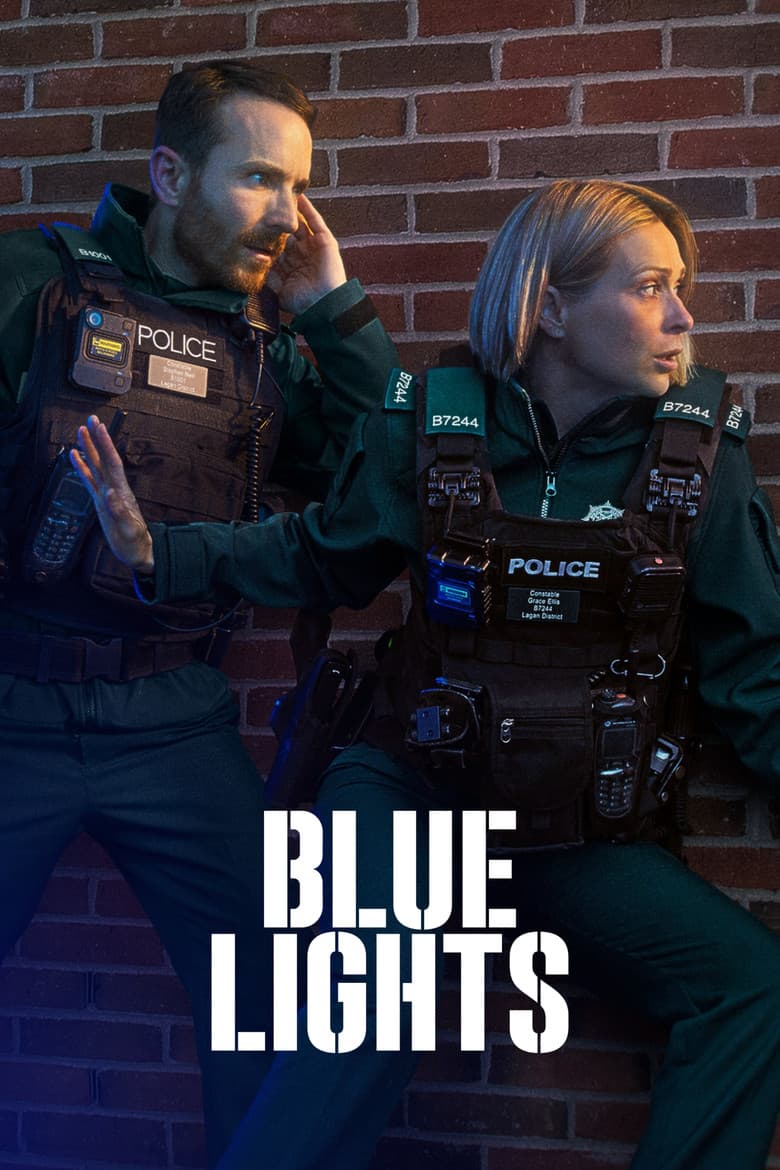
Follows rookie police officers working in Belfast, a city in which being a frontline response cop comes with unique pressures and dangers.
