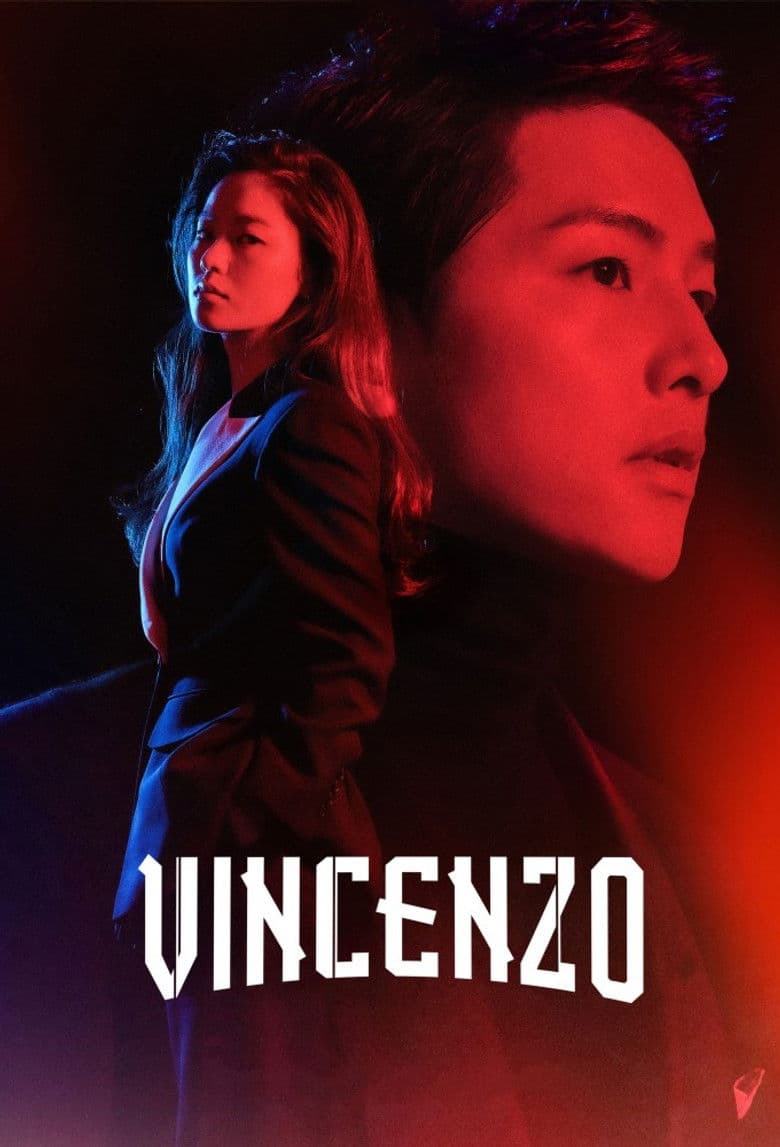
Started February 20, 2021 · Ended · Based on 1 season, 20 episodes through May 2, 2021 · TV-14 · Korean
Vincenzo follows Vincenzo Cassano, a Korean-born man adopted in Italy who works as a lawyer for an Italian crime family. He returns to Seoul to recover hidden gold, but Babel Group tries to tear down the building above it. Vincenzo joins lawyer Hong Cha-young and the odd tenants of Geumga Plaza after Babel kills people who stand in its way. The show mixes crime, revenge, romance, broad comedy, and very violent payback, so its tone can change from silly to grim within one episode.
The clearest woke elements are a strong women-centered legal team and one gay side story. Cha-young becomes the head of her father's law firm and helps lead the fight, while Choi Myung-hee is a major female lawyer and villain who competes with her. Episode 8 confirms that bank president Hwang Min-seong is gay, then uses his attraction to Vincenzo as a trick to block Babel's deal. The season also repeatedly attacks rich companies, bought prosecutors, and a justice system that protects powerful people, but it presents this as Korean crime satire and revenge rather than a broad identity campaign.
Community feedback
Was our 37% Woke rating accurate?
Breakdown
These are the editorial factors and ratings behind our score for Vincenzo.
Woke representation / casting
Cha-young is a lead lawyer who later runs her father's firm. Myung-hee is another major female lawyer and villain, while Mi-ri adds a skilled female hacker to the team. Episode 8 adds a visible gay bank president to the main bank plot. The Korean cast fits the setting, and no diversity-first casting message appears, so the identity emphasis remains limited.
26%
Woke political dialogue
Vincenzo and the plaza residents repeatedly call Babel's drug trials and attacks crimes that the law cannot stop. Cha-young tells reporters that Babel and the prosecution are tied together. Vincenzo says he will punish people the courts cannot reach. The dialogue pushes anti-corruption and public accountability, but it does not push modern race, gender, DEI, or activist identity ideas.
30%
Identity-driven story themes
Cha-young moves from defending Babel to leading her father's firm and the fight against it. Myung-hee is a major female lawyer whose ambition drives the villain side. Hwang Min-seong's gay identity drives the episode 8 bank plan, but the story ends that thread quickly. The rest of the season centers on revenge, crime, loyalty, and a new family rather than identity politics.
33%
Western institutional / cultural critique
Babel uses drug testing, threats, bribery, and political ties to crush weaker people. Wusang, prosecutors, judges, and politicians repeatedly protect the company instead of the public. The plaza tenants answer with group action, public exposure, and illegal revenge. The story targets Korean corporate and legal corruption, not Western culture or Christianity, and it does not call for socialism.
32%
Woke character or canon changes
Not relevant. Vincenzo is an original television story, so it does not change established characters, source material, or real historical figures.
0%
Anti-woke backlash and complaints
Not present. No clear anti-woke complaints were found in the reviewed coverage. Public arguments focused on a paid Chinese food scene, violence, and mixed views of the gay-character side story.
0%
Creator track record context
Kim Hee-won's past work often centers women and women's agency. Park Jae-beom mainly writes medical and crime dramas, and the other director and producers have little public activist history. Title-specific interviews frame Vincenzo as a dark answer to social corruption, not as a diversity project. The team adds some women-focused context, but it does not show a broad identity-politics brand.
27%
Production
TV Show · 2023
Faced with ruthless foes with a violent thirst, two young boxers band together — risking life and limb to bring justice and protect their loved ones.
TV Show · 2023
What if you lost your memory? What if a spy didn't know they were a spy? Years ago, the top agents of Citadel, Mason Kane and Nadia Sinh, had their minds wiped.
TV Show · 2018
This Karate Kid sequel series picks up 30 years after the events of the 1984 All Valley Karate Tournament and finds Johnny Lawrence on the hunt for redemption by reopening the…
TV Show · 2021
A happily married man's life is turned upside down when his wife is killed in a mysterious hit-and-run accident in Tel Aviv.
TV Show · 2016
A slightly unhinged former Navy SEAL lands a job as a police officer in Los Angeles where he's partnered with a veteran detective trying to keep maintain a low stress level in his…
TV Show · 2016
After a chance meeting in a hospital, an ardent soldier falls for a gifted surgeon. Opposing philosophies tear them apart, but fate has other plans.
TV Show · 2023
During his glory days, Berlin and a gang assembled in Paris for one of his greatest plans ever: stealing 44 million euros' worth of jewels in one night.
TV Show · 2019
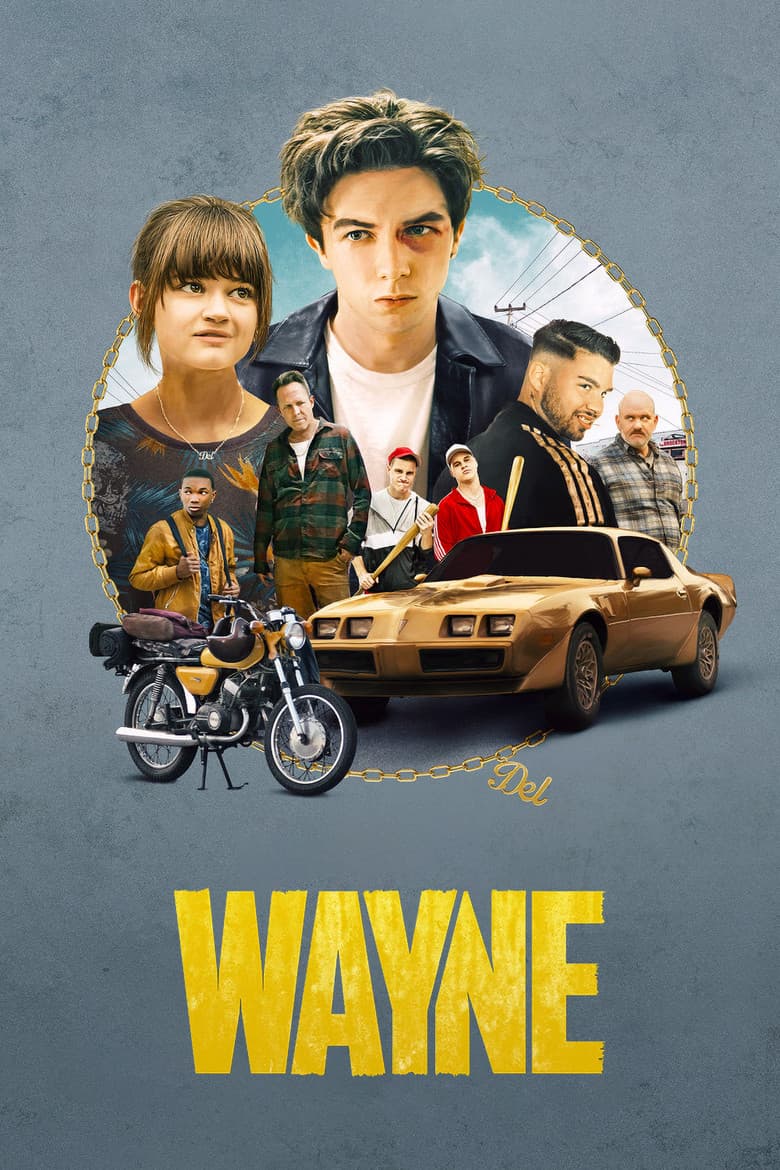
In this gritty and sometimes bloody tale, sixteen year-old Wayne sets out on a dirt bike with his new crush Del to take back the 1978 Pontiac Trans Am that was stolen from his…
