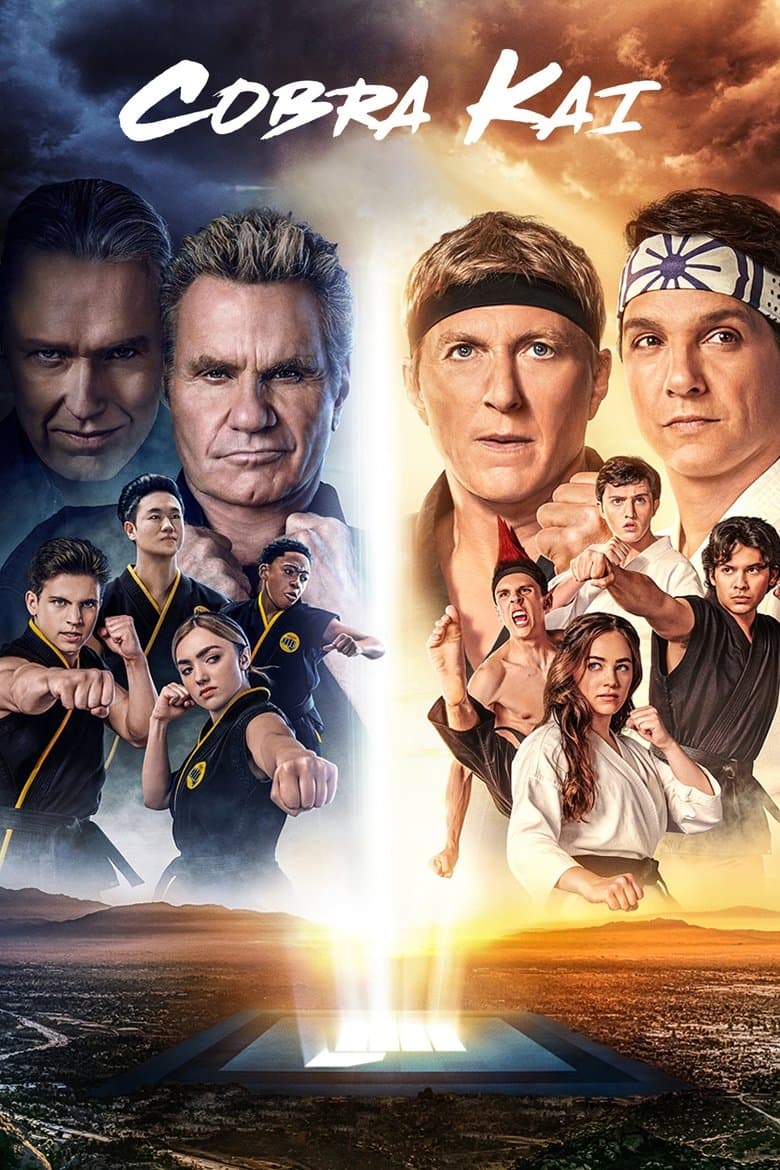
Started May 2, 2018 · Ended · Based on 6 seasons, 65 episodes through February 13, 2025 · TV-14
Cobra Kai follows Johnny Lawrence, a washed-up karate teacher who wants a second chance after losing to Daniel LaRusso in 1984. Johnny reopens Cobra Kai in the San Fernando Valley, and Daniel answers by teaching Miyagi-Do. Their old fight pulls their children and other teens into dojo battles, school trouble, family pain, and world tournaments. The show mixes comedy, hard fights, romance, and serious lessons about pride, anger, balance, and forgiveness.
The clearest identity focus comes from the girls in the dojos. Sam LaRusso and Tory Nichols become major fighters and leaders, and their long rivalry later turns into respect and friendship. Season 6 lets Tory win the girls' world title, while Sam chooses to step aside, and a Korean woman serves as a major Cobra Kai sensei. The show also briefly shows Moon and Piper as girlfriends, but that relationship is not a main story. Most of the show still centers on Johnny's growth, Daniel's lessons, family ties, and the danger of teaching young people to win through anger.
Community feedback
Was our 24% Woke rating accurate?
Breakdown
These are the editorial factors and ratings behind our score for Cobra Kai.
Woke representation / casting
Female roles form a repeated pattern across the run. Sam and Tory become leading fighters, Devon joins the top teams, and Kim Da-Eun is presented as the franchise’s first female sensei. The show also gives Moon and Piper a visible same-sex relationship. The Latino and Asian characters fit a modern Los Angeles and world tournament setting, so the cast does not make diversity its main message. These identity choices are noticeable, but they do not control the whole show.
28%
Woke political dialogue
Not present in this title.
0%
Identity-driven story themes
Sam and Tory drive a long teen conflict, and both become skilled fighters with real flaws. Tory wins the final girls’ world title, while Sam steps aside and supports her. Season 6 also gives Kim Da-Eun a powerful role as a female sensei. Moon and Piper have a short girlfriend storyline. These choices make gender and LGBTQ+ identity visible, but the main message stays focused on growth, family, and karate.
30%
Western institutional / cultural critique
Not present in this title.
0%
Woke character or canon changes
Not relevant. the series expands the original films faithfully with new stories and characters.
0%
Anti-woke backlash and complaints
Not present. No meaningful right-leaning complaints that the show pushes woke or identity politics messaging; widely regarded as a counter-example.
0%
Creator track record context
The cached context gives the main writers, producers, and most directors low woke scores and no known activist pattern. Steve Pink is a mild exception because he identifies as a left-wing progressive and made a political documentary. The creators’ season 6 interview discussed female students, conflict, and Johnny learning to be a girl dad. That gives limited creator context for gender themes, but no strong activist pattern tied to this show.
10%
Production
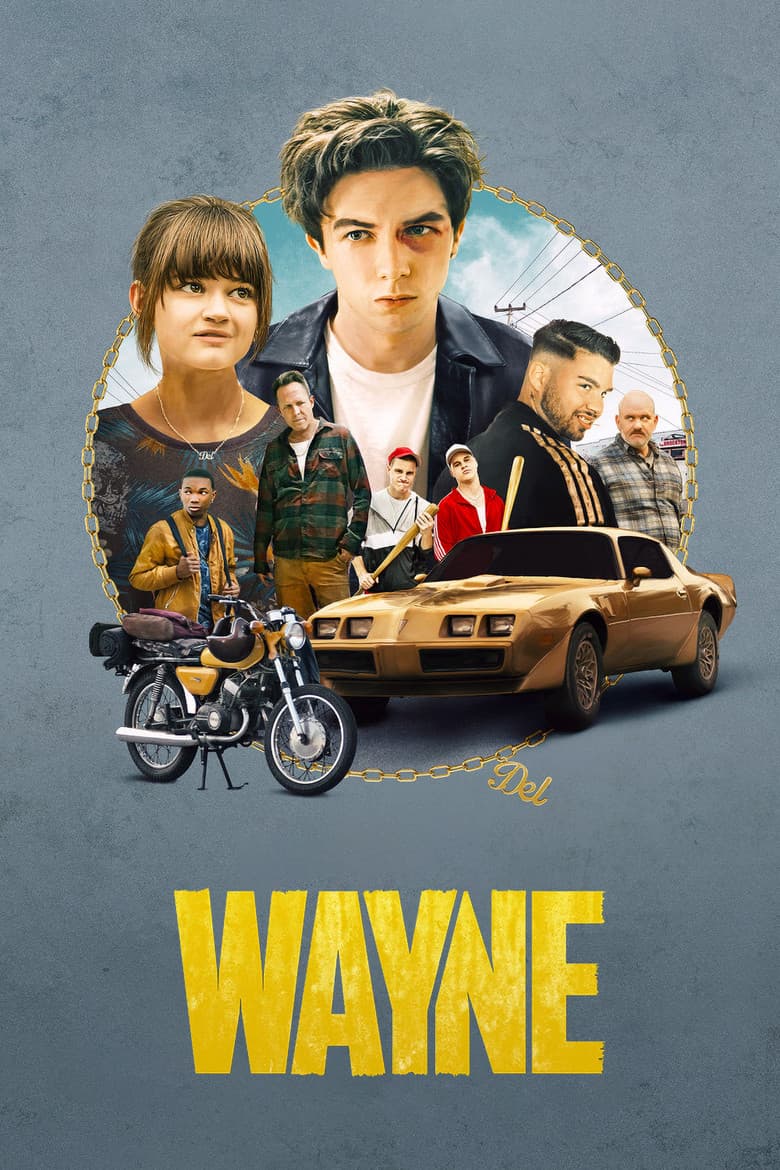
TV Show · 2019
In this gritty and sometimes bloody tale, sixteen year-old Wayne sets out on a dirt bike with his new crush Del to take back the 1978 Pontiac Trans Am that was stolen from his…
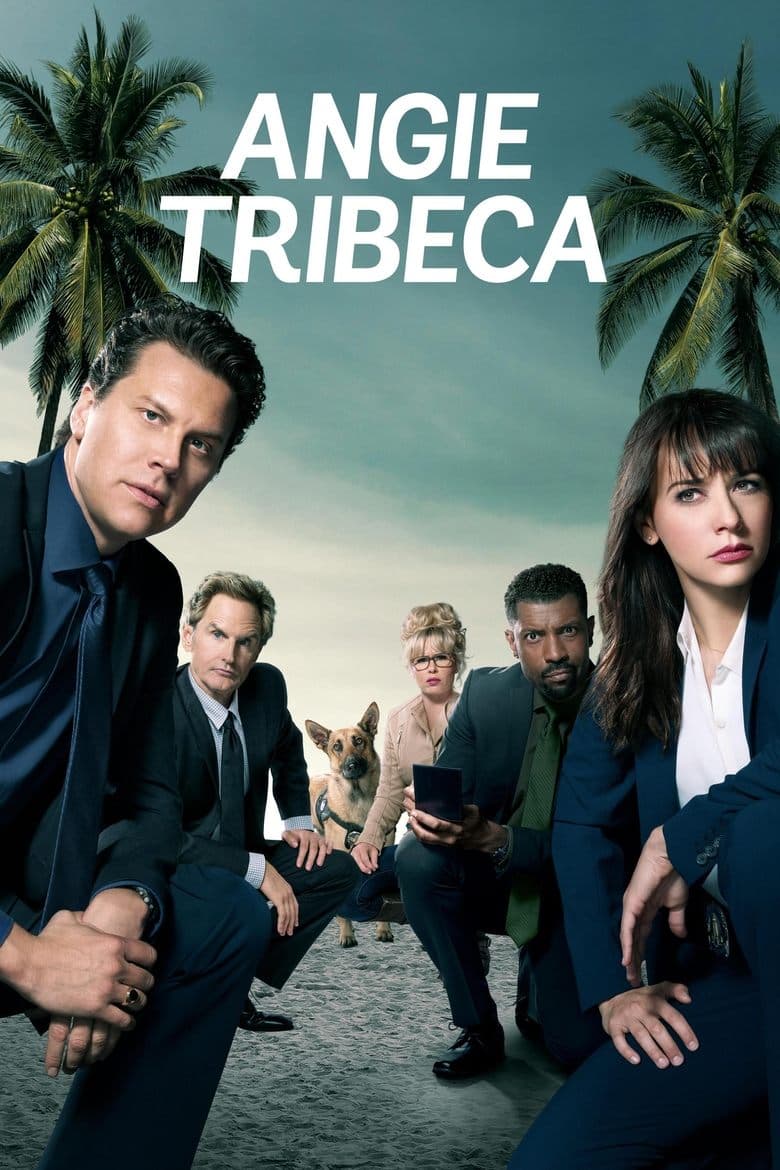
TV Show · 2016
Lone-wolf detective Angie Tribeca and a squad of committed LAPD detectives investigate the most serious cases, from the murder of a ventriloquist to a rash of baker suicides.
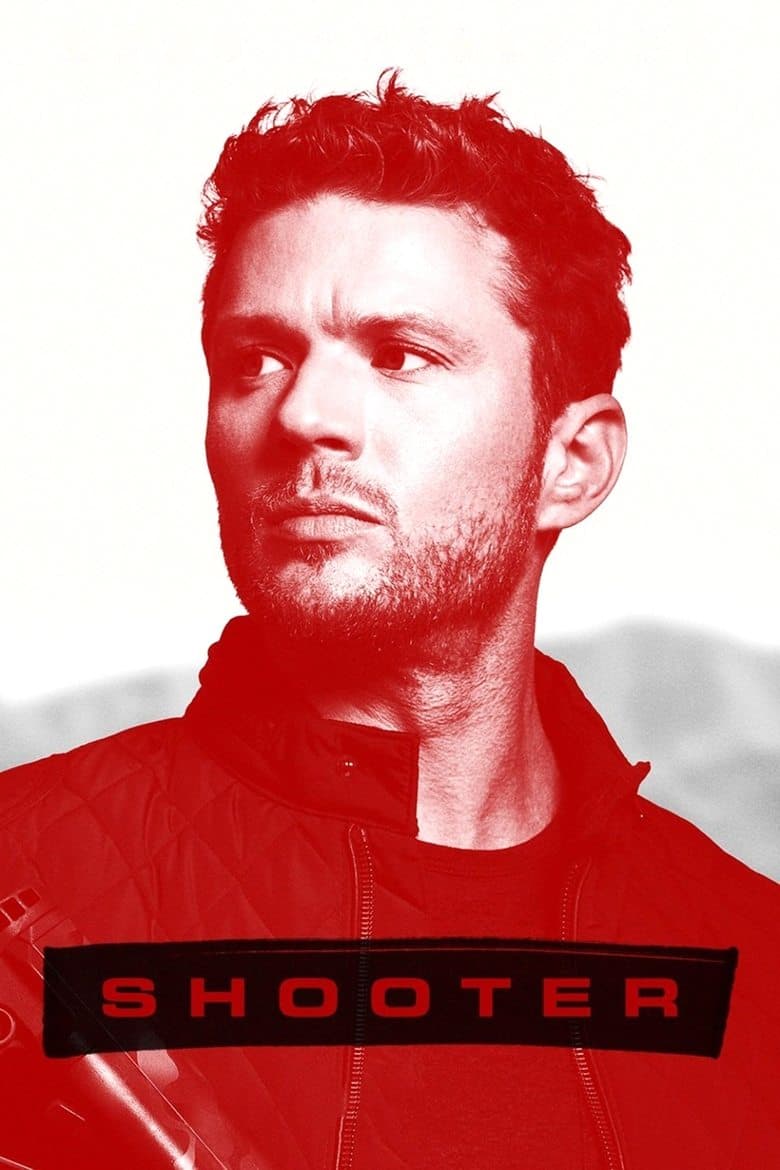
TV Show · 2016
Bob Lee Swagger is an expert marksman living in exile who is coaxed back into action after learning of a plot to kill the president.
TV Show · 2025
Before The Terminal List, Navy SEAL Ben Edwards finds himself entangled in the black operations side of the CIA.
TV Show · 2017
The origin story of younger, hungrier, former Green Beret Bryan Mills as he deals with a personal tragedy that shakes his world.
TV Show · 2017
Go deep into the clandestine world of the legendary brotherhood of warrior monks known as The Knights Templar.
TV Show · 2019
An antiquities expert teams up with an art thief to catch a terrorist who funds his attacks using stolen artifacts.
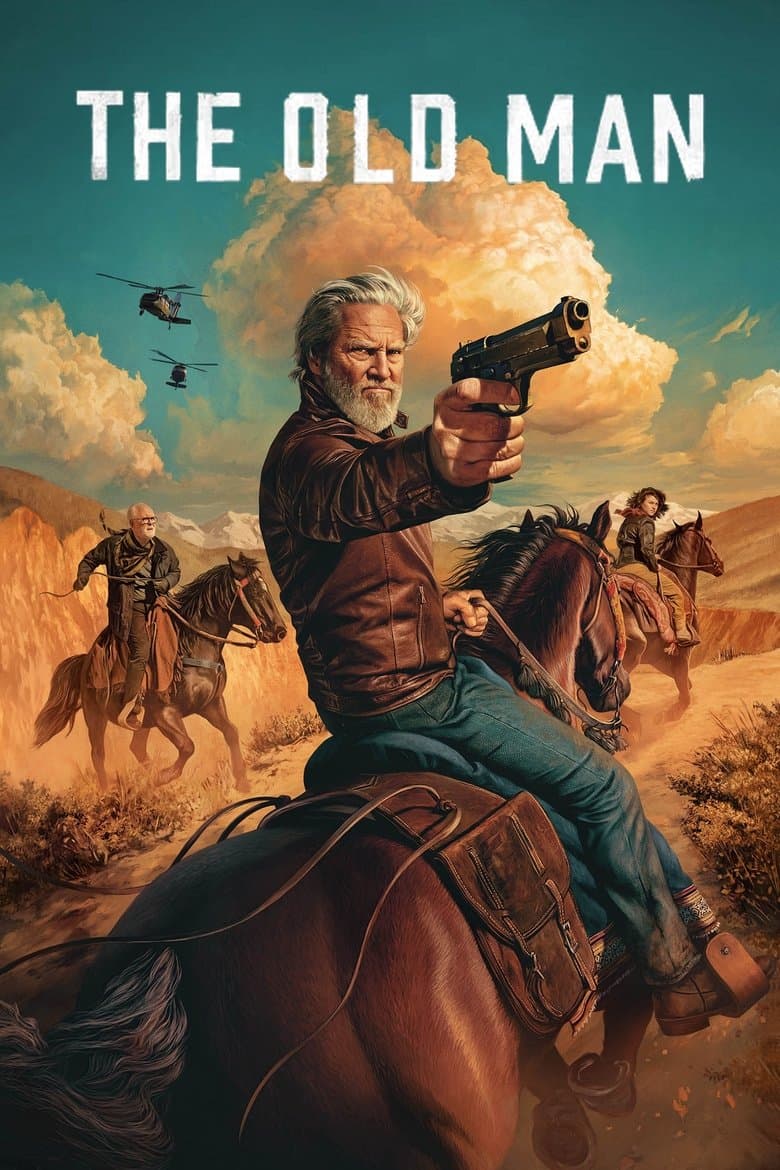
TV Show · 2022
Dan Chase absconded from the CIA decades ago and now lives off the grid. When an assassin arrives and tries to take Chase out, the old operative learns that to ensure his future…
