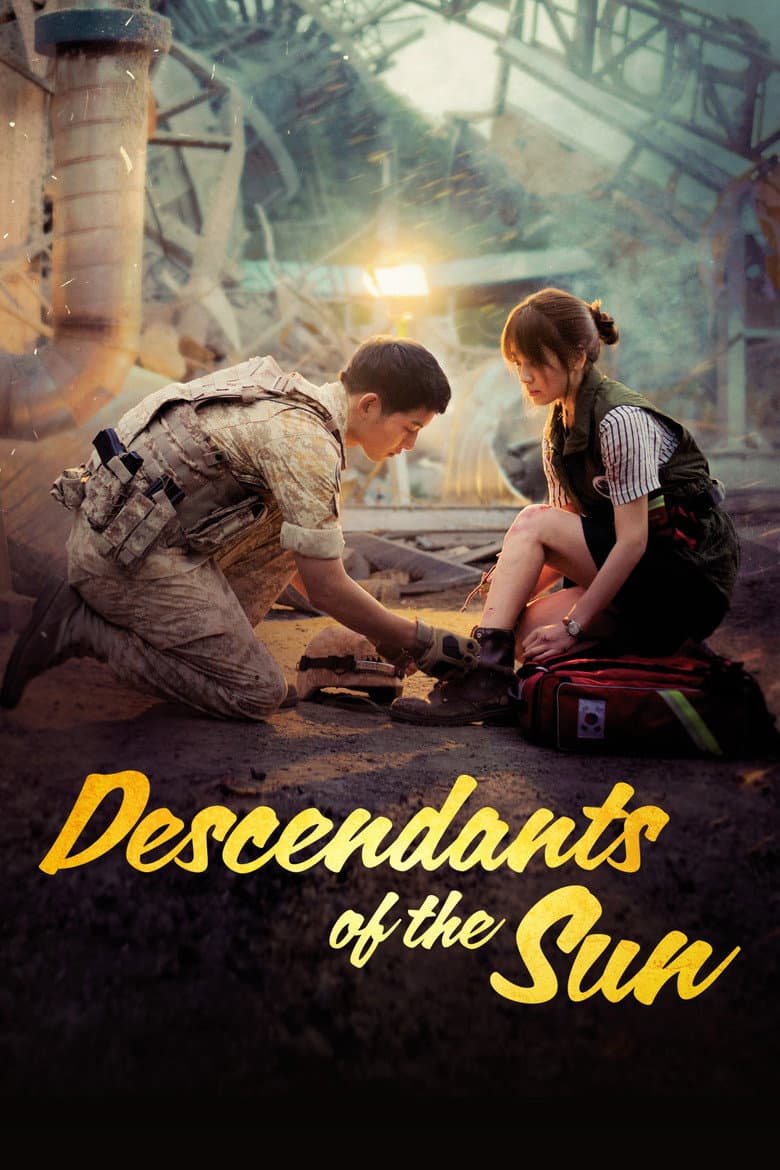
Started February 24, 2016 · Ended · Based on 1 season, 16 episodes through April 14, 2016 · TV-14 · 60 min · Korean
Descendants of the Sun follows Captain Yoo Si-jin, a South Korean special forces officer, and Kang Mo-yeon, a gifted heart surgeon. They meet in Seoul, but their jobs pull them apart because he may have to kill while she is sworn to save every life. They meet again in Uruk, a made-up country damaged by war, where Korean soldiers and doctors face an earthquake, a disease outbreak, criminals, and armed groups. The show mixes fast action, danger, jokes, and a large romance with a bright, heroic tone.
Kang leads surgery and emergency work, while army doctor Yoon Myung-ju also makes life and death choices in the field. The story shows women rejecting a hospital chairman's unwanted advances, facing unfair promotion rules, and standing up to family power. These points return through the season, but the main message stays focused on love, duty, sacrifice, and pride in Korean soldiers and doctors. The medical team treats wounded civilians, children, and soldiers, while the army protects its people and helps rebuild a broken country.
Community feedback
Was our 26% Woke rating accurate?
Breakdown
These are the editorial factors and ratings behind our score for Descendants of the Sun.
Woke representation / casting
Not present. The main cast is Korean, which fits a South Korean military and hospital story. The show gives major roles to a heart surgeon and an army doctor, but those choices fit the plot and are not framed as a diversity campaign.
0%
Woke political dialogue
Not present. The characters discuss medical duty, military orders, romance, and survival. The season has no clear modern DEI, identity, or activist lines.
0%
Identity-driven story themes
Kang Mo-yeon is a skilled surgeon who faces unfair promotion rules and a boss who uses his power against her. Yoon Myung-ju is an army doctor who pursues a man despite her father's rank and class demands. Both women make important medical and personal choices across the season. The story treats their work and courage as admirable, but it balances them with equally capable male soldiers and keeps the main focus on romance, duty, and survival.
35%
Western institutional / cultural critique
The hospital chairman pressures Mo-yeon for a date and sends her to Uruk after she refuses him. The hospital also gives a job to a less capable person through family ties. Myung-ju's father blocks her relationship because Seo Dae-young has lower rank and status. These are clear complaints about male power and unfair institutions, but they stay inside personal drama and do not become a broad attack on Western culture.
18%
Woke character or canon changes
Not relevant. The show is an original story about fictional characters. It does not change an established character, source text, or historical figure.
0%
Anti-woke backlash and complaints
Not present. The reviewed public debate focused on ratings, romance, product placement, and realism. No clear anti-woke or DEI backlash about the show was found in the accessible coverage.
0%
Creator track record context
Kim Eun-sook often writes women with strong agency and stories about abuse, class, trauma, and justice. Kim Won-suk often follows workers and people hurt by weak institutions. The directors and producer have mainstream genre careers without a clear activist or DEI record. This gives the title some social-issue context, but it does not show a strong identity-first creator pattern.
19%
Production
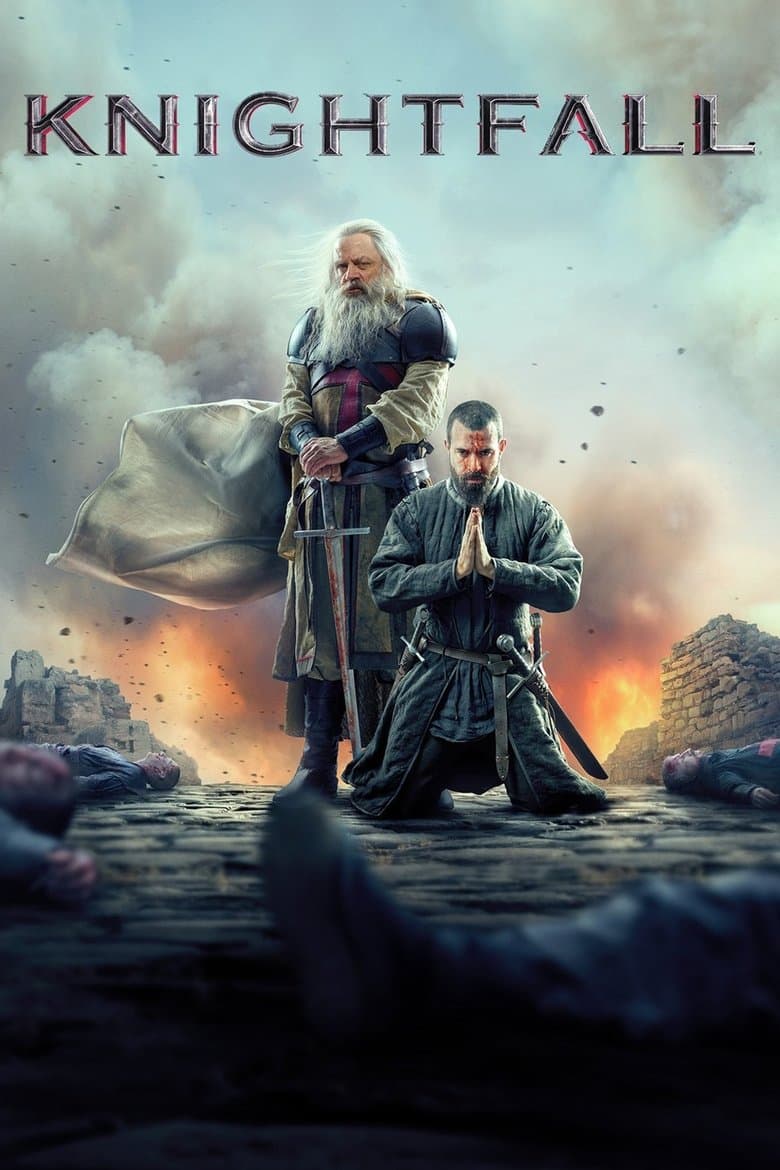
TV Show · 2017
Go deep into the clandestine world of the legendary brotherhood of warrior monks known as The Knights Templar.
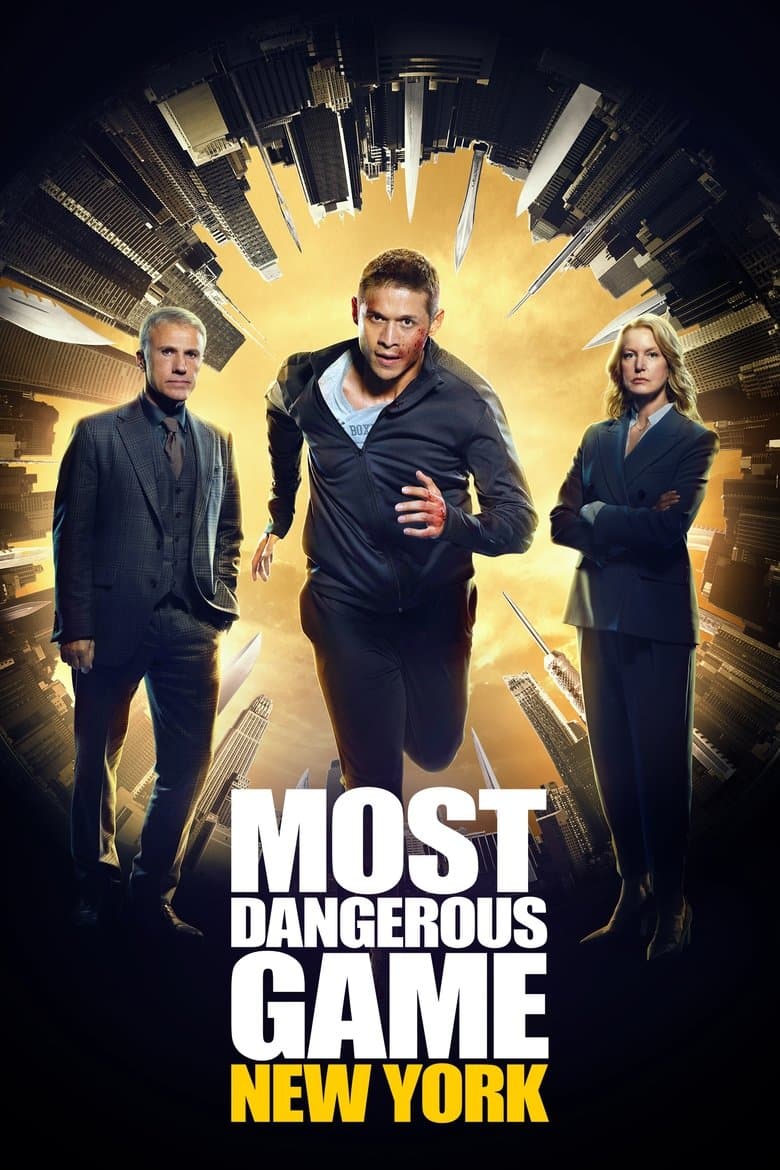
TV Show · 2020
Desperate to take care of his pregnant wife before a terminal illness can take his life, Dodge Maynard accepts an offer to participate in a deadly game where he soon discovers…
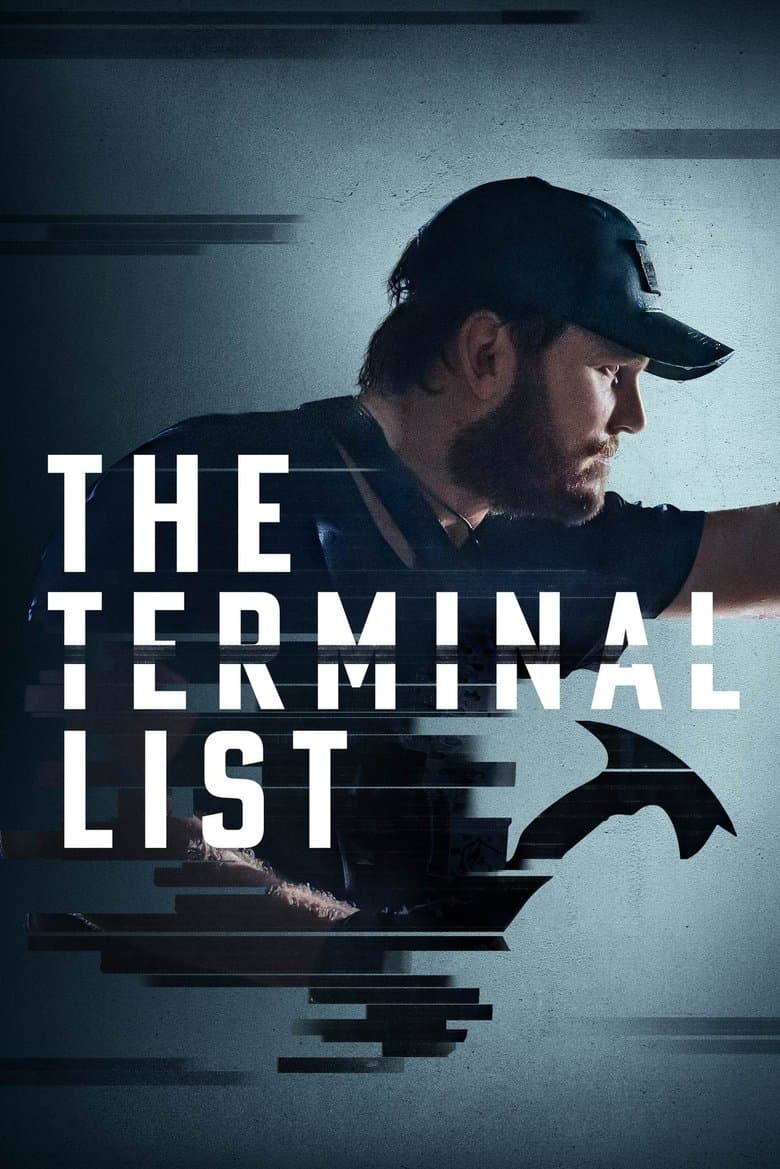
TV Show · 2022
Navy SEAL Commander James Reece turns to vengeance as he investigates the mysterious forces behind the murder of his entire platoon.
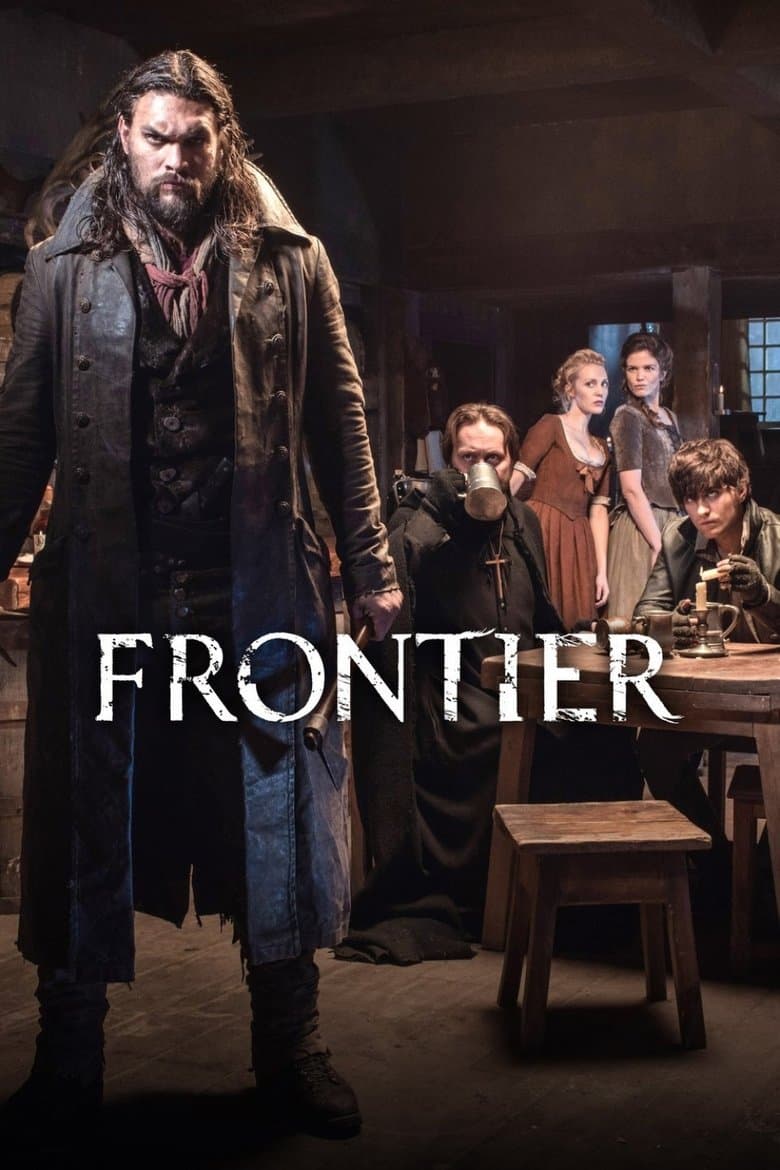
TV Show · 2016
In 18th-century North America, ruthless trappers and entrepreneurs fight to wrest control of the fur trade from the mighty Hudson's Bay Company.
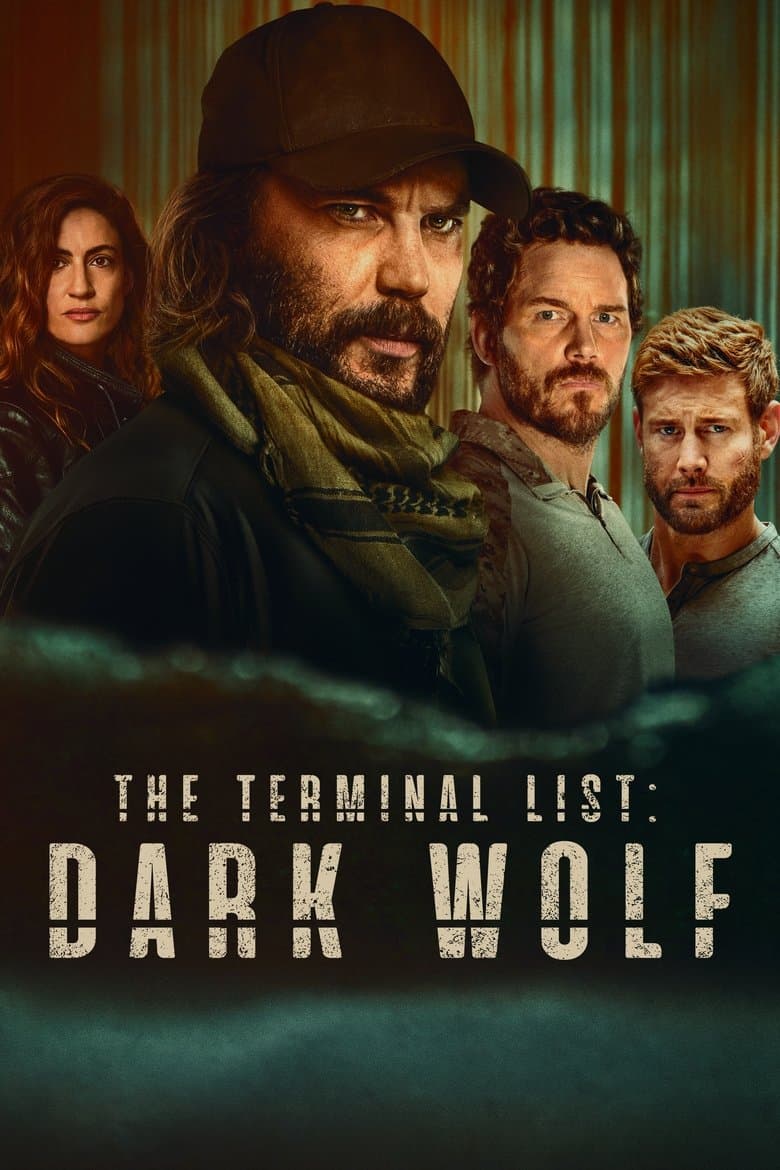
TV Show · 2025
Before The Terminal List, Navy SEAL Ben Edwards finds himself entangled in the black operations side of the CIA.
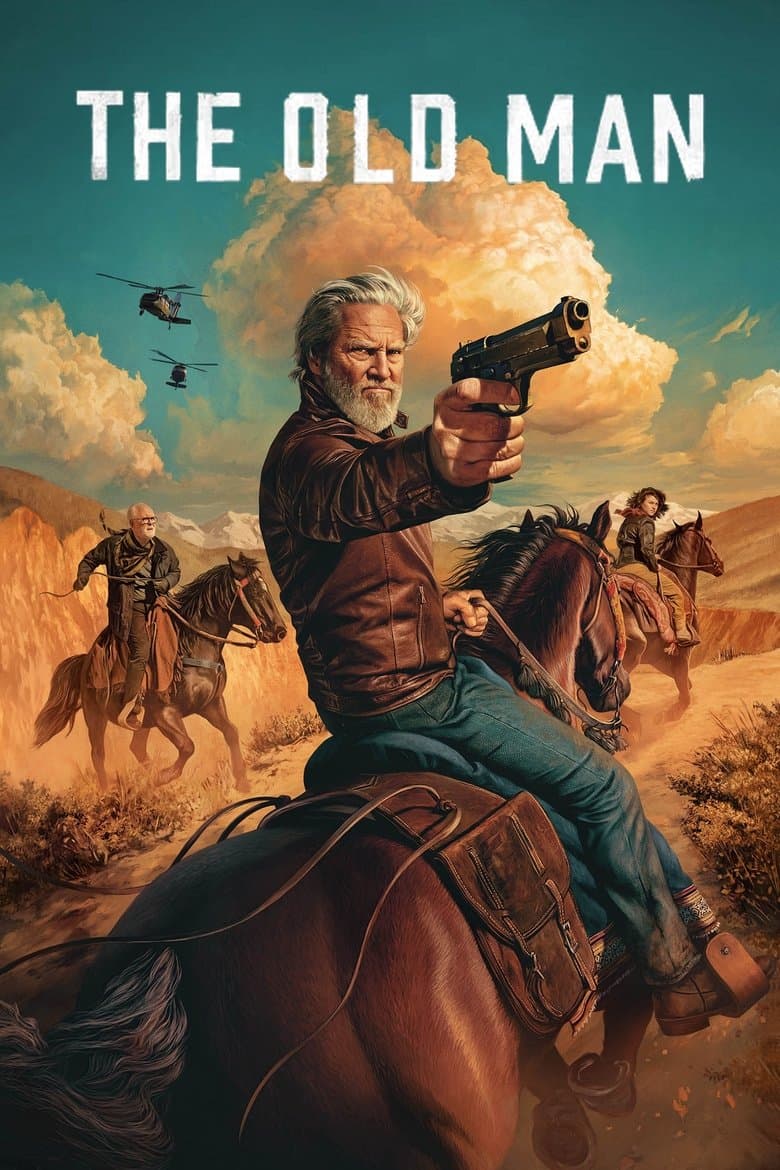
TV Show · 2022
Dan Chase absconded from the CIA decades ago and now lives off the grid. When an assassin arrives and tries to take Chase out, the old operative learns that to ensure his future…
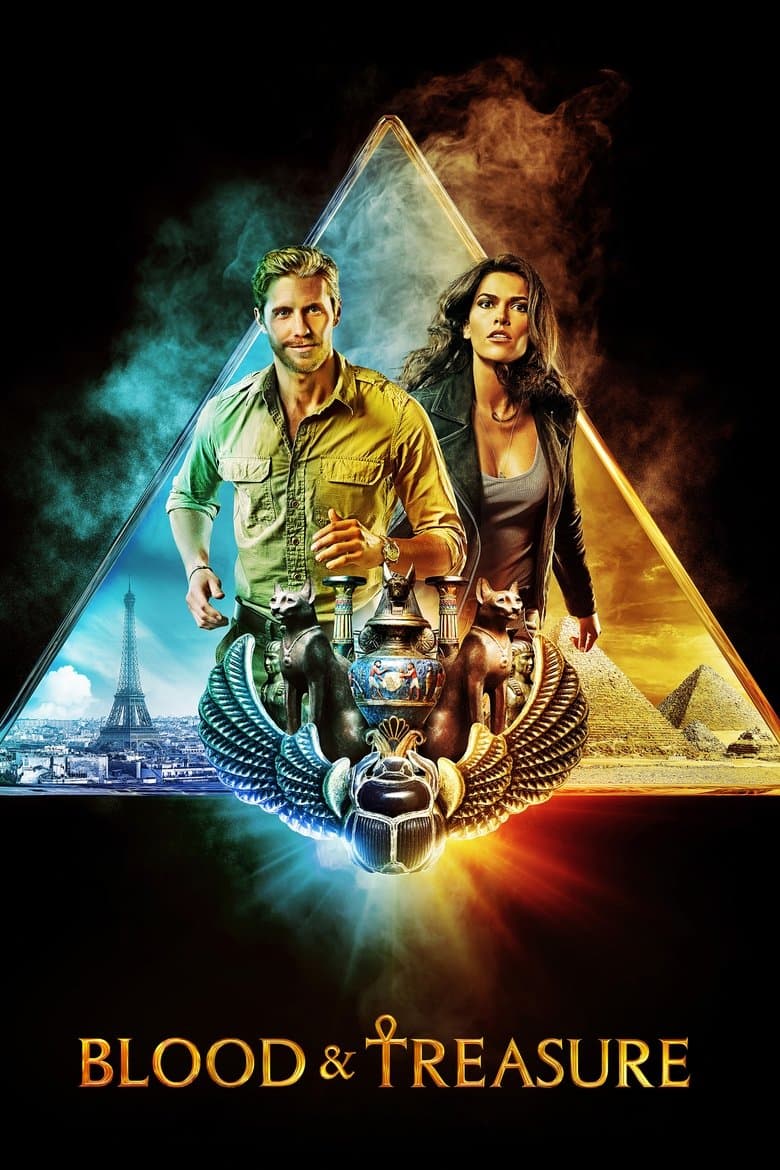
TV Show · 2019
An antiquities expert teams up with an art thief to catch a terrorist who funds his attacks using stolen artifacts.
TV Show · 2016
Even though two brothers are completely separated from each other after the imprisoning of their father and the kidnapping of their twin brother, they meet by coincidence years…
