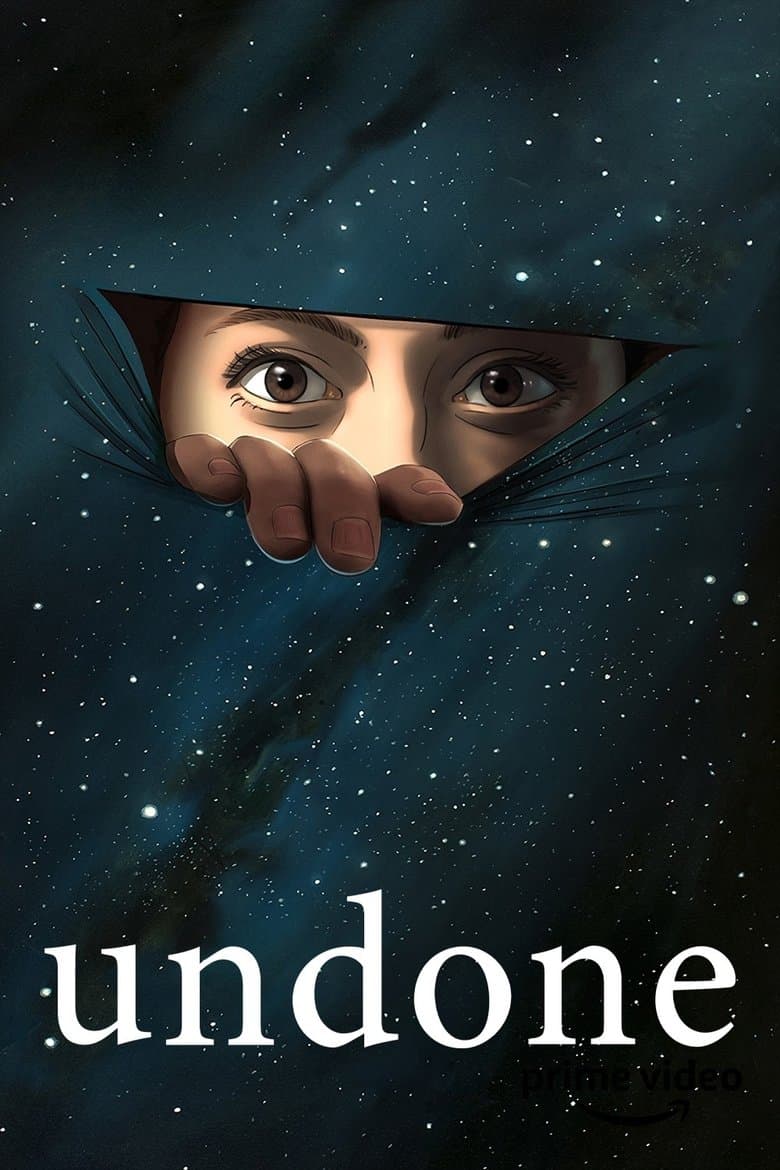
Started September 12, 2019 · Ended · Based on 2 seasons, 16 episodes through April 28, 2022 · TV-MA · 23 min
Alma is a sharp but unhappy young woman living in San Antonio, Texas. After a near-fatal car crash, she begins to see her dead father and learns that she may be able to move through time. She follows him through memories and strange worlds to learn how he died, while her mother, sister, and boyfriend fear that she is becoming ill. The show uses painted animation, dark humor, and dreamlike scenes to keep the viewer unsure about what is real.
The story gives serious weight to Alma's Mexican and Jewish family background, her Indigenous roots, and the hearing loss she had as a child. Her cochlear implant and time at a deaf school shape arguments about language, family choice, and identity. Across both seasons, Alma and Becca search through their family's past and connect mental illness, spiritual visions, shame, and pain passed through generations. The show favors self-acceptance, family healing, and more than one way to understand the mind, while still leaving room for medicine and therapy.
Community feedback
Was our 43% Woke rating accurate?
Breakdown
These are the editorial factors and ratings behind our score for Undone.
Woke representation / casting
Alma is a Mexican-Jewish woman, and the show makes her childhood deafness and cochlear implant part of the family conflict. Sam is South Asian, and the main family is built around several visible cultural identities. The creators used Latinx writers, deaf consultants, and deaf child actors, while Salazar publicly spoke about the value of showing a complicated Mexican woman. The identity focus is deliberate, but the roles are tied to the characters and their lives rather than a repeated mismatch with the setting.
18%
Woke political dialogue
Jacob directly contrasts Indigenous shamans with Western treatment of people who hear voices. Other scenes debate cochlear implants, deaf culture, and whether medicine or spiritual ideas should guide Alma. These lines give the show a small identity and culture message, but they stay tied to the family mystery instead of becoming a repeated political debate.
18%
Identity-driven story themes
Alma's Mexican and Jewish background, Indigenous roots, deaf childhood, and possible mental illness all shape the main story. Season 1 uses these parts of her life to question whether visions are sickness or a special gift. Season 2 follows Alma and Becca as they uncover pain passed through several generations of family members and try to heal them. The show strongly favors self-acceptance and different ways of understanding the mind, but it does not make race or gender politics its only subject.
45%
Western institutional / cultural critique
The show questions whether a medical diagnosis is the only way to understand Alma's visions. Jacob says Western culture locks up people who hear voices, while Indigenous shamanic ideas may see them as wise. Season 2 also treats strict social rules and a perfect marriage as poor answers to family pain. The story does not reject treatment, because Camila and Sam urge Alma to get help.
31%
Woke character or canon changes
Not relevant. Undone is an original story and does not change established characters, canon, or real historical figures.
0%
Anti-woke backlash and complaints
A tiny account called Undone a “woke TV show” and claimed IMDb removed a negative review. Another viewer recommended the show but added that it had slight “woke” content. A right-leaning novelist recommended Undone while saying it was not one of Amazon's “woke” titles. The supplied X search found only a handful of small or anonymous posts, so the backlash is fringe.
12%
Creator track record context
Kate Purdy's public work mainly centers empathetic mental-health stories. Raphael Bob-Waksberg has a larger record of writing about sexism, abuse, addiction, and toxic masculinity. April Shih has a strong DEI and inclusion record, and producers Femke Wolting and Bruno Felix have backed several gender-equality projects. Most other listed writers and producers have low or unclear political records, so the overall context is mixed.
28%
Production
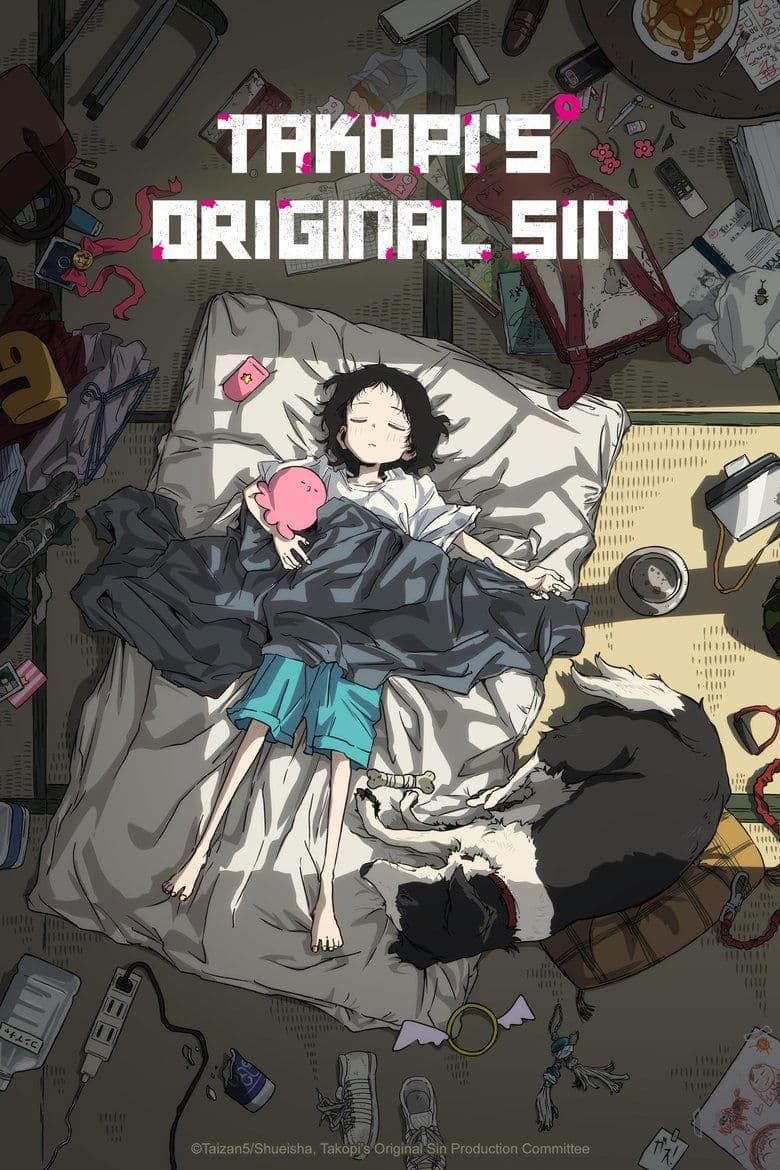
TV Show · 2025
A Happy alien, Takopi, lands on Earth with one mission: to spread happiness! When he meets Shizuka, a lonely fourth grader, he vows to bring back her smile using his magical Happy…
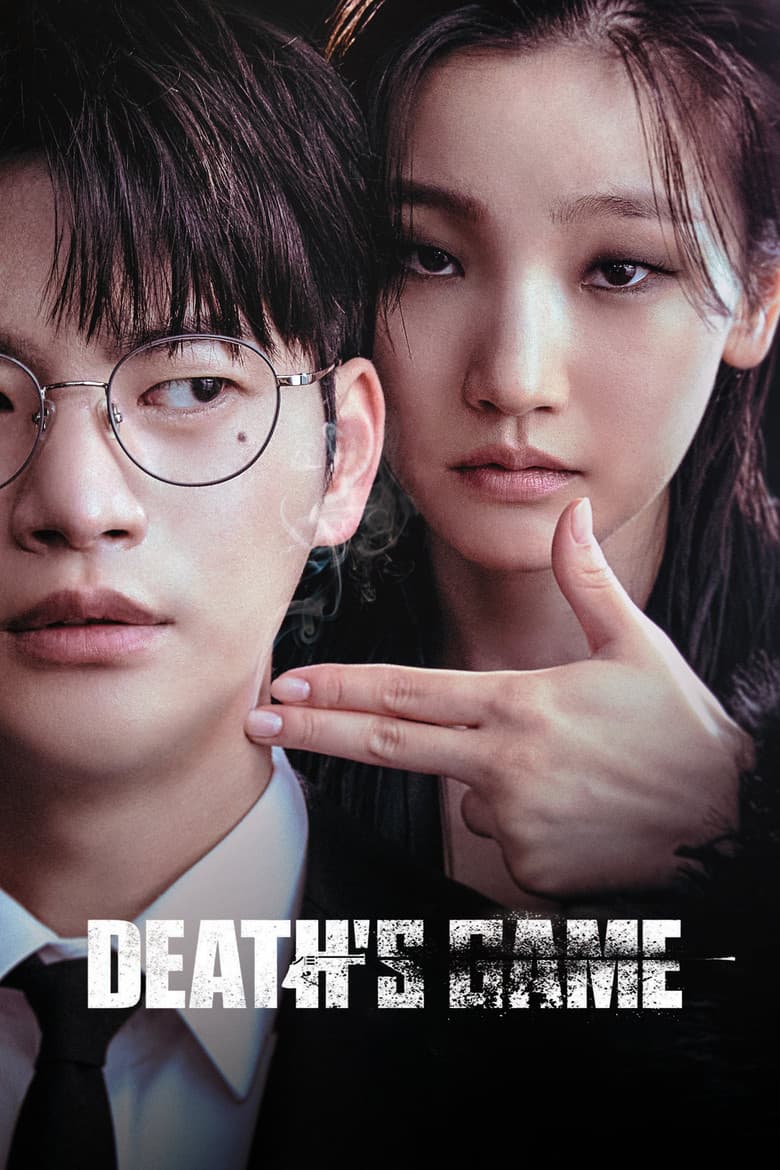
TV Show · 2023
At the brink of going to hell, Yee-jae must cycle through twelve separate lives and twelve separate deaths in this reincarnation drama.
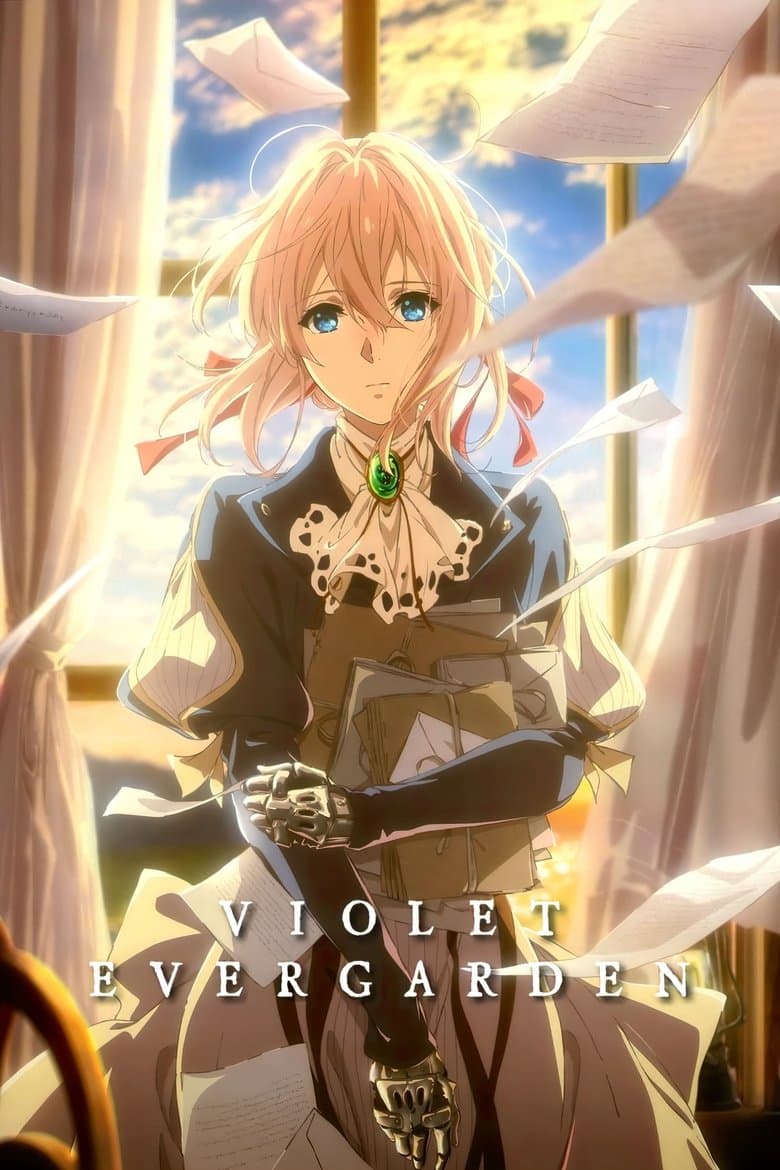
TV Show · 2018
The war is over, and Violet Evergarden needs a job. Scarred and emotionless, she takes a job as a letter writer to understand herself and her past.
TV Show · 2022
A bullied teen receives mysterious help from someone online: a stranger soon revealed to be her recently deceased father, David, whose consciousness has been uploaded to the Cloud…
TV Show · 2023
After the party of heroes defeated the Demon King, they restored peace to the land and returned to lives of solitude.
TV Show · 2024
Rick and Michonne are thrown into another world, built on a war against the dead... And ultimately, a war against the living.
TV Show · 2024
Jason Dessen is abducted into an alternate version of his life. To get back to his true family, he embarks on a harrowing journey to save them from the most terrifying foe…
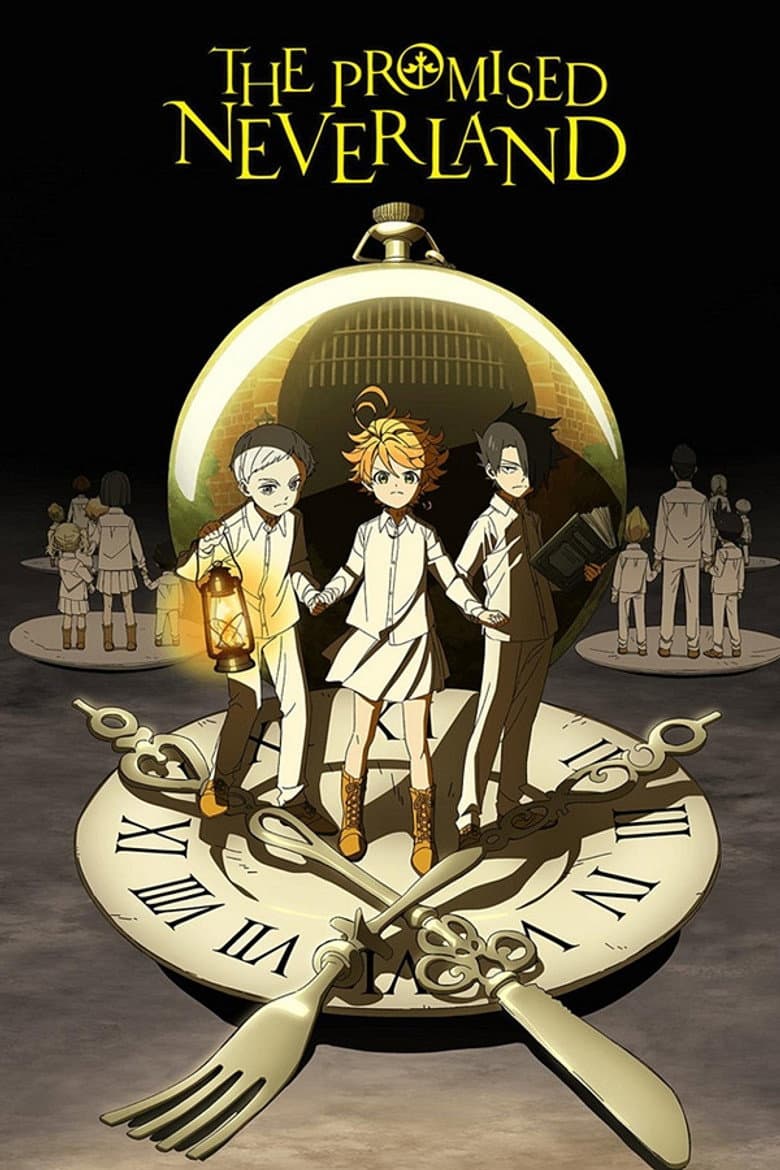
TV Show · 2019
Emma, Norman and Ray are the brightest kids at the Grace Field House orphanage. And under the care of the woman they refer to as “Mom,” all the kids have enjoyed a comfortable…
