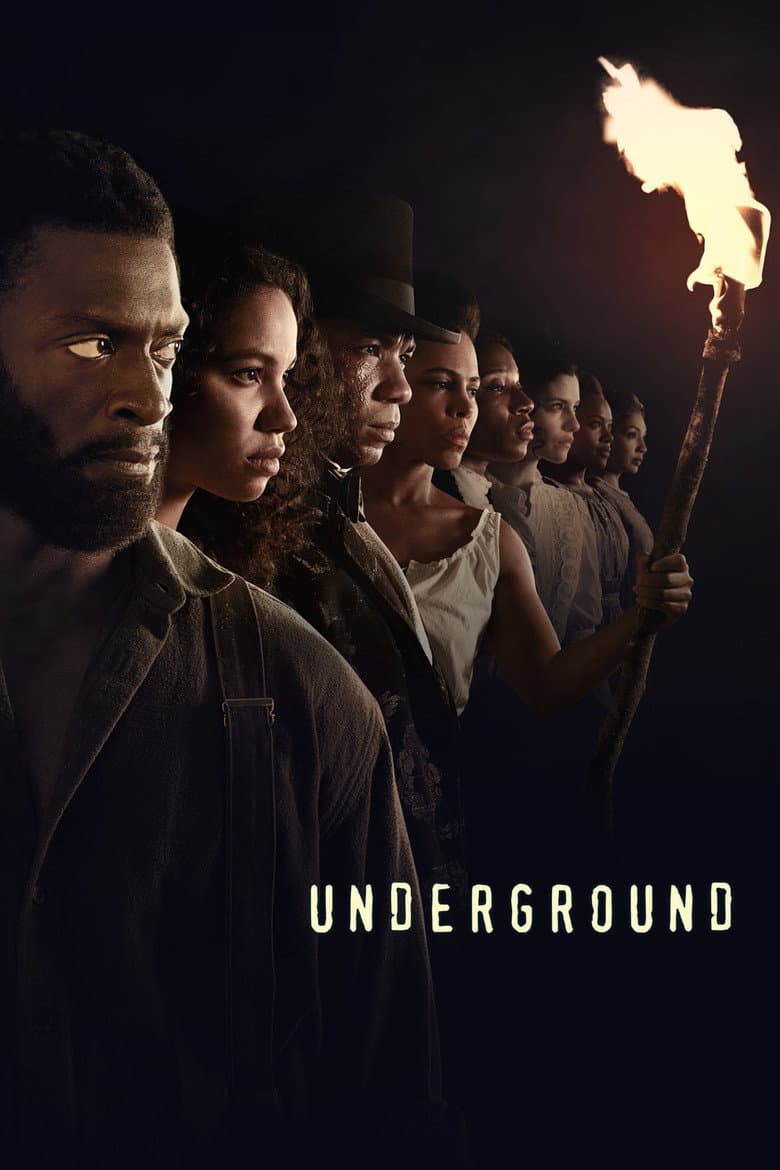
Started March 9, 2016 · Canceled · Based on 2 seasons, 20 episodes through May 10, 2017 · TV-MA · 42 min
Underground follows Noah, Rosalee, Cato, and other enslaved people who plan a 600-mile escape from a Georgia plantation in 1857. Slave catchers, plantation owners, and harsh laws chase them while white abolitionists John and Elizabeth Hawkes hide runaways in Ohio. Season two moves the fight north and adds Harriet Tubman, new escape missions, and battles over how to fight slavery. The tone is tense, violent, and fast, with modern music mixed into the period setting.
The show makes Black resistance and Black leadership its main focus, and it treats freedom as a shared fight against an unjust system. Rosalee grows from a sheltered house slave into the Black Rose, a bold rescuer who returns to danger after reaching safety. Harriet leads and inspires other fighters, while women such as Elizabeth, Georgia, and Ernestine plan escapes, use weapons, and make hard choices. Season two gives the story more direct talk about literacy, skin-color bias, law, and organized resistance.
Community feedback
Was our 73% Woke rating accurate?
Breakdown
These are the editorial factors and ratings behind our score for Underground.
Woke representation / casting
The show places a large black cast at the center, including Rosalee, Noah, Ernestine, Cato, Harriet Tubman, and Frederick Douglass. The period setting makes most of these choices historically expected because the story follows enslaved black people and real Black abolitionists. Interviews and teaching material also frame the series as a way to give black stories and voices more space, which adds a mild representation signal.
28%
Woke political dialogue
The characters repeatedly talk about freedom, racial power, and who receives protection from the law. John Hawkes and Tom Macon debate whether white lives matter more than black lives, and season two uses Sojourner Truth’s words and Harriet Tubman’s speech about resistance. The period setting explains much of this talk, but the show gives it clear modern activist echoes.
52%
Identity-driven story themes
The show makes Black freedom and Black control over one’s choices the main story across both seasons. Rosalee changes from a sheltered house slave into the Black Rose, Harriet Tubman leads escape work, and Daniel risks torture to teach reading. Season two also puts women at the center of resistance through Rosalee, Harriet, Elizabeth, Georgia, Ernestine, and Clara. The story repeatedly presents group action and Black self-rule as the answer to a racist system.
78%
Western institutional / cultural critique
The show presents the slave economy, courts, churches, and political leaders as linked parts of a system that protects white power. John Hawkes sees the law fail Noah, while Elizabeth and Georgia rob a pro-slavery church and destroy voting booths. The story treats reading, voting, and organized resistance as ways to break that system. The slavery setting explains much of the criticism, but the repeated system-wide message gives it a moderate activist edge.
46%
Woke character or canon changes
Not relevant. The show is an original period drama rather than an adaptation of a known fictional cast. Its use of Harriet Tubman and Frederick Douglass keeps their real identities instead of changing their race, sex, or other identity traits.
0%
Anti-woke backlash and complaints
Not present. No clear anti-woke or right-leaning complaint was found in the reviewed coverage. Some history-focused critics questioned accuracy, but those complaints did not object to identity politics or call the show woke.
0%
Creator track record context
Misha Green has a strong record of black-centered stories and racial-justice themes. Joe Pokaski has repeated social themes in Underground and Cloak & Dagger. John Legend and Get Lifted producers have public ties to racial justice and work that raises underrepresented voices. Other listed creators have weaker or less political records, so the context supports a medium-high score.
56%
Production
TV Show · 2020
A wary CIA officer investigates a charismatic man who sparks a spiritual movement and stirs political unrest. Who exactly is he? And what does he want?
TV Show · 2026
Rip Wheeler and Beth Dutton gamble everything on a new life in South Texas, but the promise of building a future far from the ghosts of Yellowstone quickly collides with brutal…
TV Show · 2025
In the working-class suburbs of Philadelphia, an FBI agent heads a task force assembled to put an end to a string of violent robberies led by an unsuspecting family man.
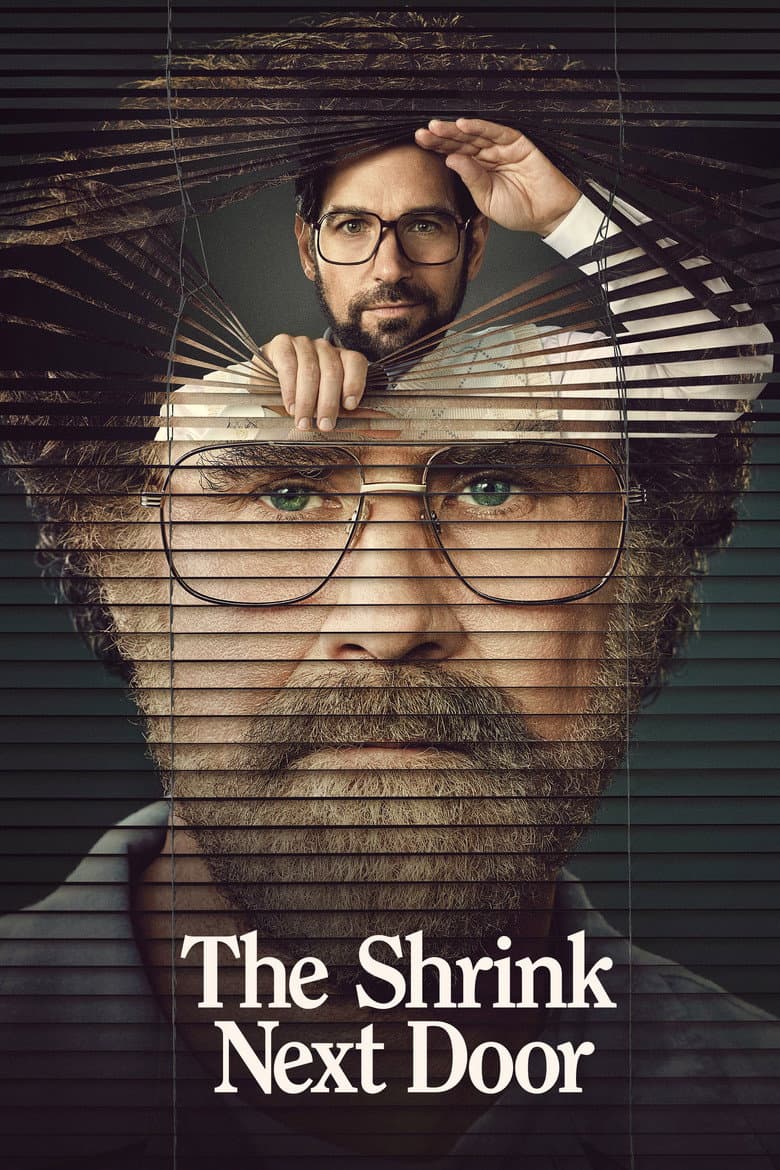
TV Show · 2021
Inspired by the true story of Marty and the therapist who turned his life around...then took it over. When he first meets Dr. Ike, Marty just wants to get better at boundaries.
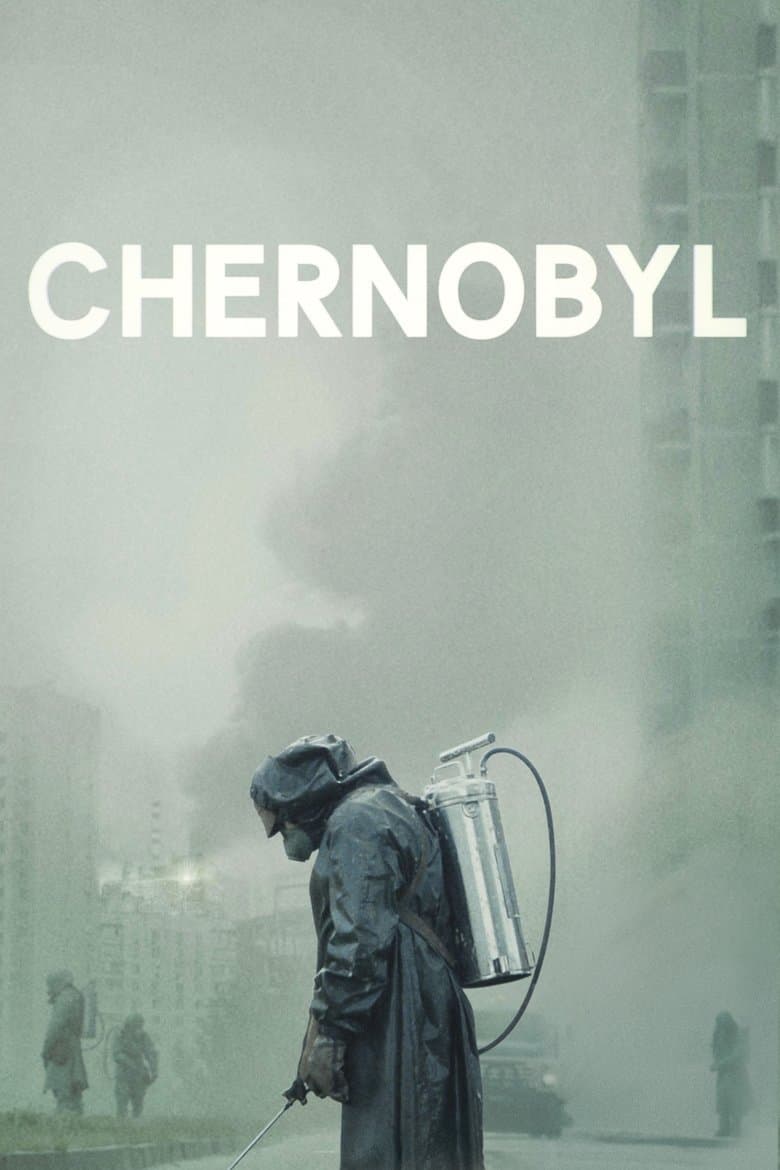
TV Show · 2019
The true story of one of the worst man-made catastrophes in history: the catastrophic nuclear accident at Chernobyl.
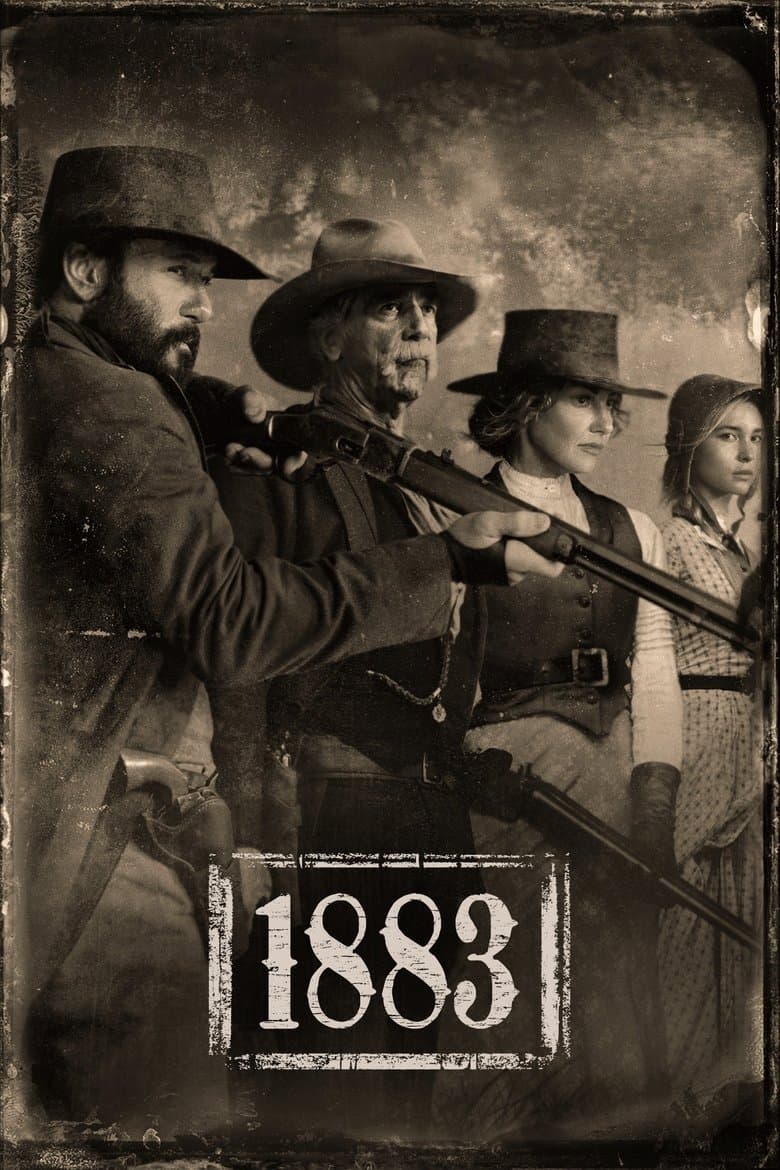
TV Show · 2021
Follow the Dutton family as they embark on a journey west through the Great Plains toward the last bastion of untamed America.
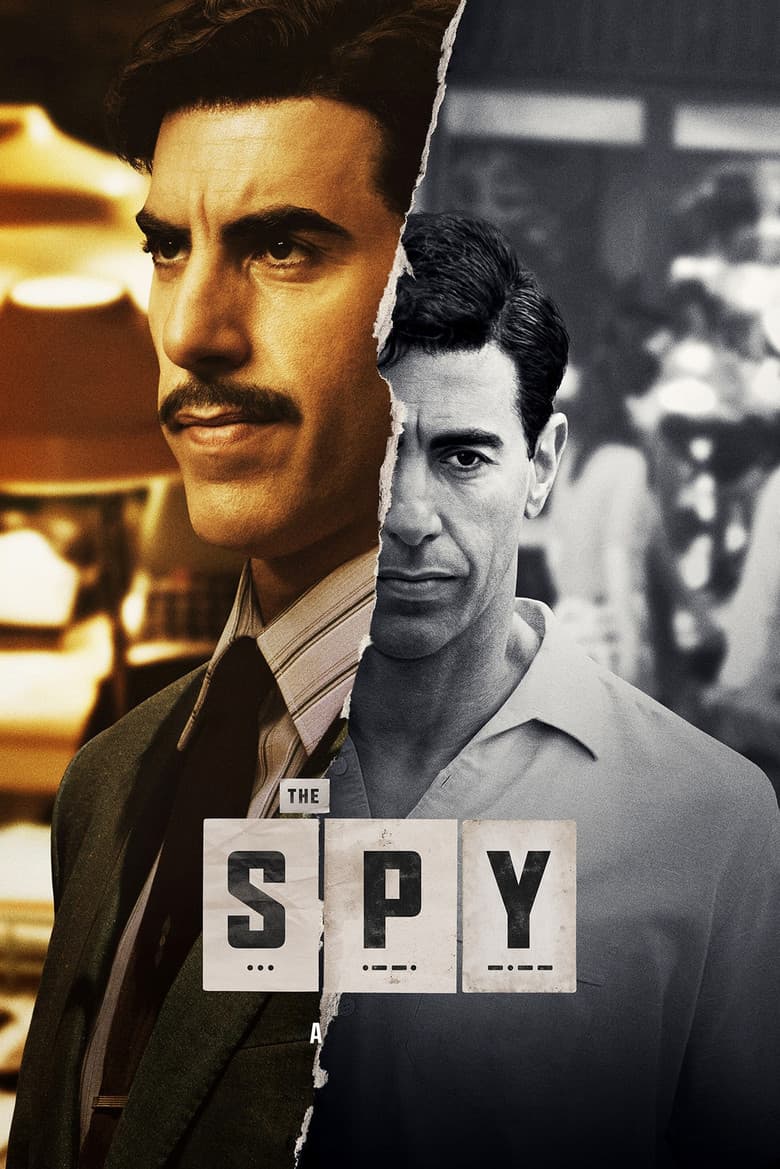
TV Show · 2019
In the 1960s, Israeli clerk-turned-secret agent Eli Cohen goes deep undercover inside Syria on a perilous, years-long mission to spy for Mossad.
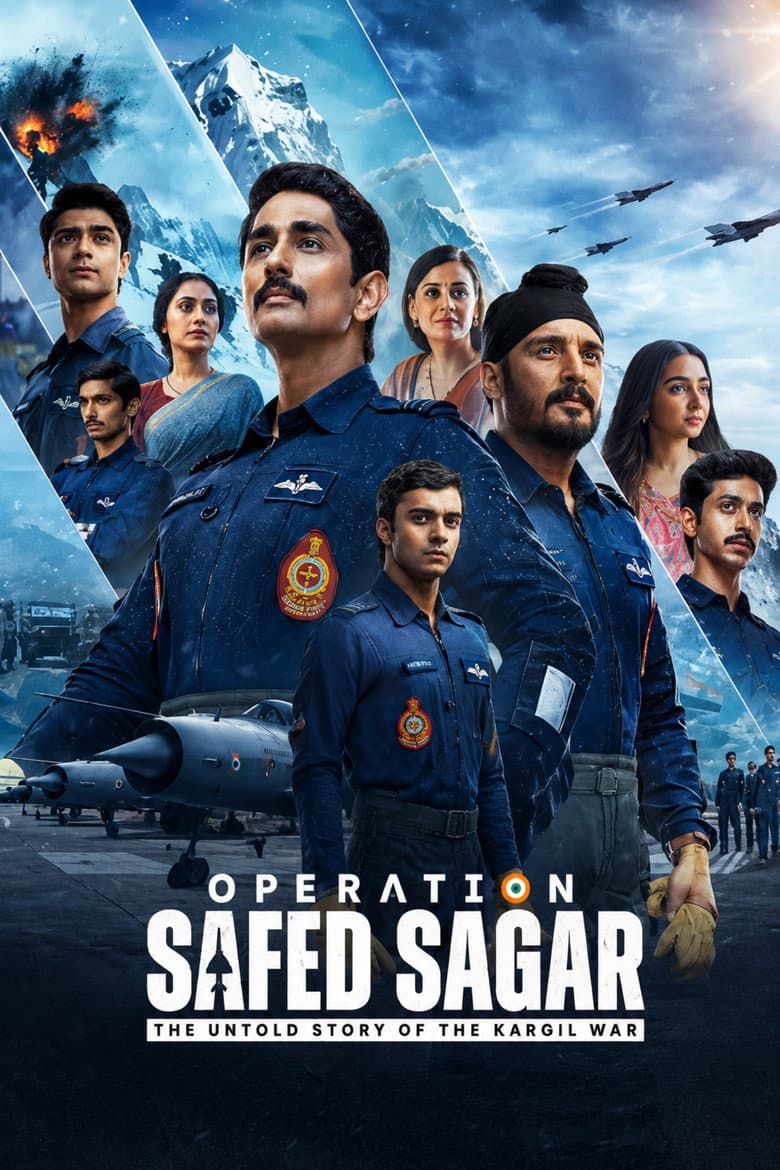
TV Show · 2026
As the Kargil War erupts between India and Pakistan, the Golden Arrows squadron of the Air Force takes flight on a dangerous mission behind enemy lines.
