
Started February 12, 2022 · Ended · Based on 1 season, 16 episodes through April 3, 2022 · TV-14 · 75 min · Korean
Na Hee-do is a teenage fencer in South Korea in 1998. Her school team loses its funding during the IMF money crisis, so she fights to transfer schools and train with her hero, Ko Yu-rim. She meets Baek Yi-jin, a young man whose rich family has gone broke, and their friendship grows into a romance as both try to rebuild their lives. The show starts warm and funny, then becomes sad as sport, work, family pain, and distance pull the friends apart.
The show repeatedly places capable young women at the center of the action. Hee-do and Yu-rim become national fencing stars, Coach Yang leads their team, Seung-wan challenges an abusive teacher, and Hee-do’s mother is a famous news anchor. Yi-jin supports Hee-do but often struggles with money, work, and pain. This female-centered pattern is important across the season, although the story presents it as personal growth instead of a political campaign.
Community feedback
Was our 34% Woke rating accurate?
Breakdown
These are the editorial factors and ratings behind our score for Twenty Five Twenty One.
Woke representation / casting
Not present. The cast is overwhelmingly Korean and fits a 1998 South Korean story. The women are fencers, a coach, a student leader, and a news anchor because those roles serve the plot, not because the show builds a forced diversity mix.
0%
Woke political dialogue
Not present. Seung-wan broadcasts against a teacher who hits students, but that is a specific school abuse conflict. The show has no recurring modern identity, DEI, or activist political dialogue.
0%
Identity-driven story themes
The show repeatedly puts women at the center of its main conflicts. Hee-do and Yu-rim are elite fencers whose rivalry and growth drive much of the season. Coach Yang leads the team, Seung-wan stands up to an abusive teacher, and Hee-do’s mother is a famous news anchor. Yi-jin matters as the male lead, but he often supports Hee-do while facing money, work, and emotional problems. The story makes female skill, independence, and friendship a major theme without turning them into a direct political speech.
55%
Western institutional / cultural critique
Not present. The show covers school abuse, family conflict, and the IMF crisis within its Korean story. It does not attack Western culture, Christianity, men as a group, family life, or capitalism through a modern activist frame.
0%
Woke character or canon changes
Not relevant. The drama is an original story with no established character or canon to change. It does not recast a known figure or alter a real identity.
0%
Anti-woke backlash and complaints
Not present. Reported complaints focused on the 9/11 scene, the adult-minor romance setup, and the sad ending. Those complaints did not claim that the show pushed DEI, identity politics, or left-wing messaging.
0%
Creator track record context
Kwon Do-eun’s earlier work repeatedly follows women and young people who seek ambition, independence, and fair treatment. Search: WWW also centers women in powerful technology jobs and unequal work relations. The directors and producers have no known record of activist or DEI public work. This gives the title a moderate gender-focused creator signal, but it does not show a broad political campaign.
30%
Production
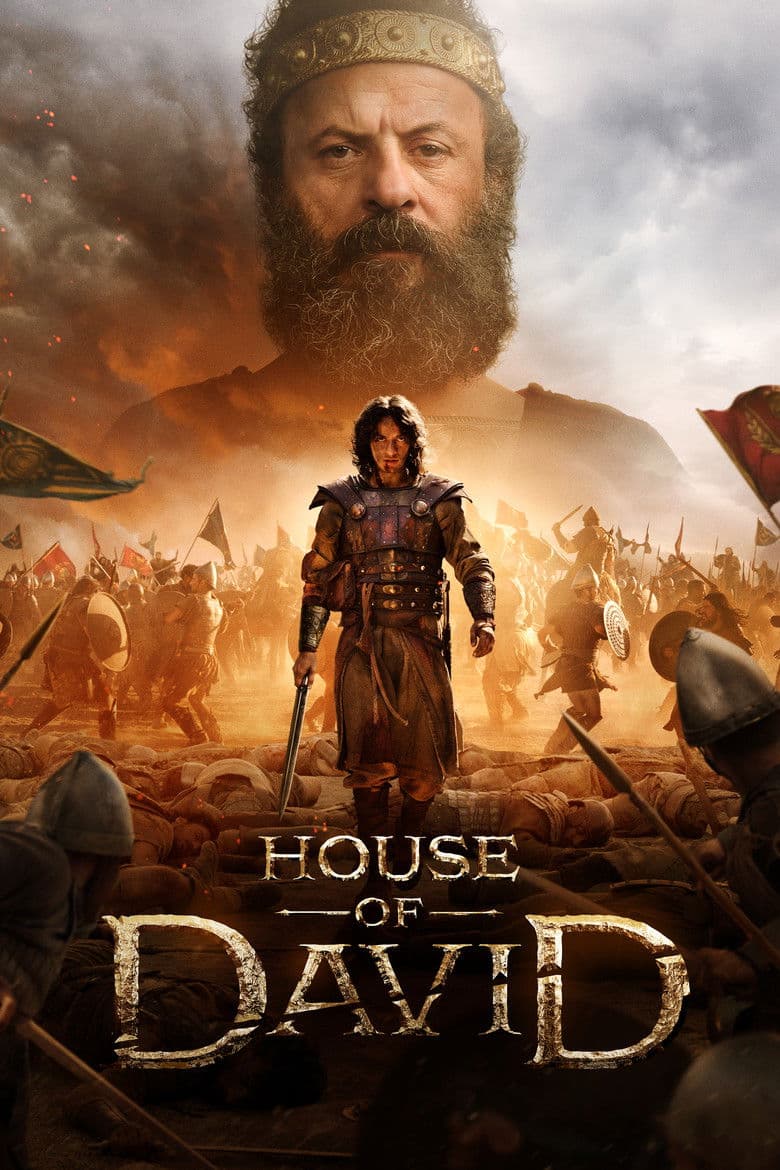
TV Show · 2025
Tells the story of the ascent of the biblical figure, David, who becomes the most celebrated king of Israel. The series follows the once-mighty King Saul as he falls victim to his…
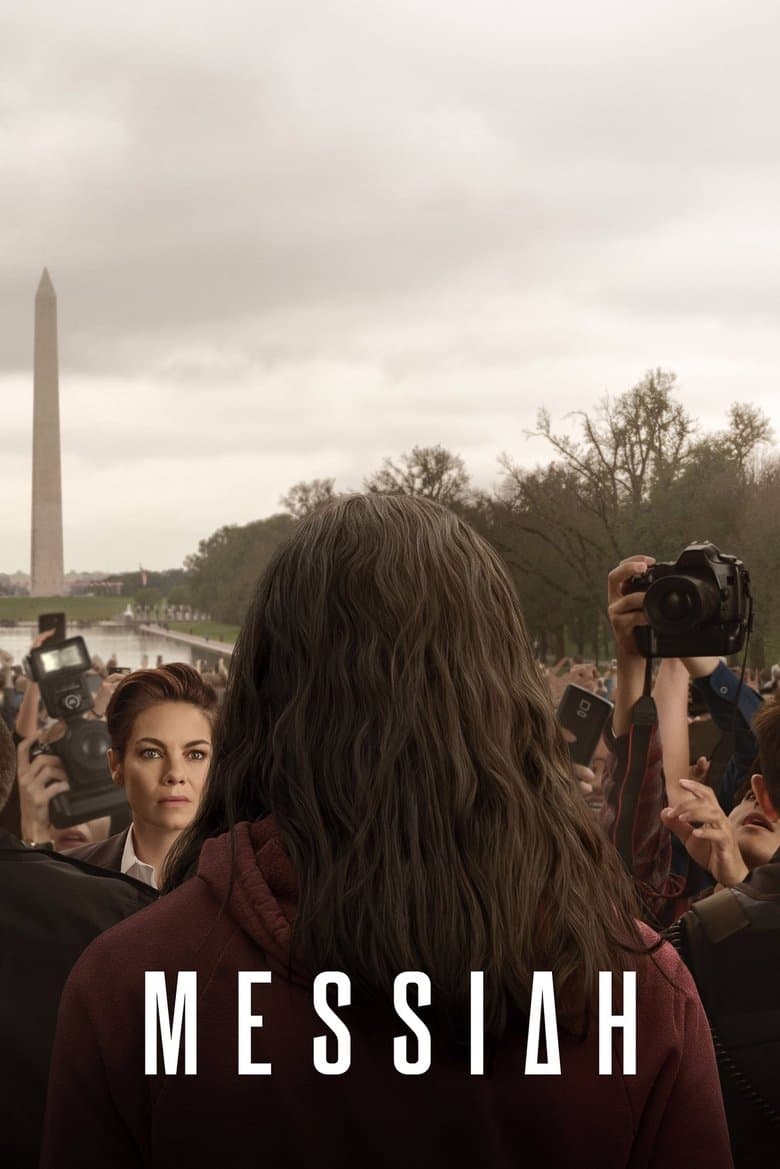
TV Show · 2020
A wary CIA officer investigates a charismatic man who sparks a spiritual movement and stirs political unrest. Who exactly is he? And what does he want?

TV Show · 2023
The story of Bass Reeves, the legendary lawman of the wild West, is brought to life. Reeves worked in the post-Reconstruction era as a federal peace officer in the Indian…

TV Show · 2016
The love story of young Countess Natasha Rostova and Count Pierre Bezukhov is interwoven with the Great Patriotic War of 1812 against Napoleon's invading army.
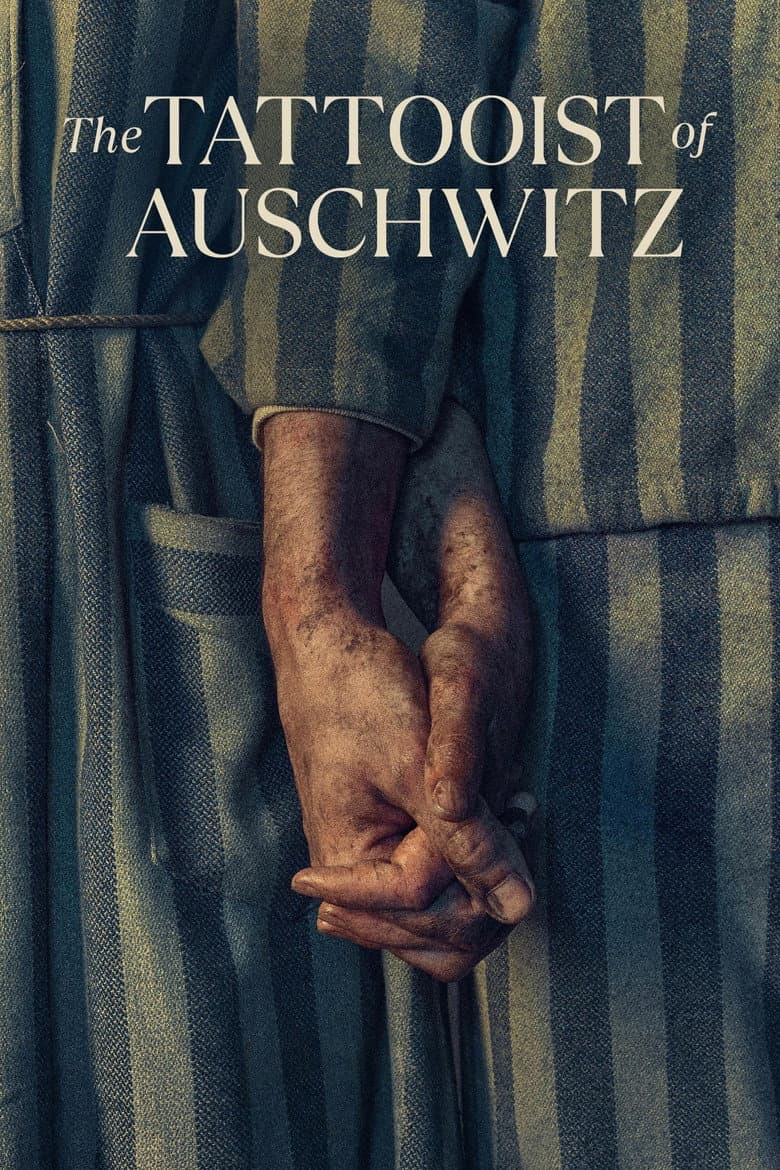
TV Show · 2024
The powerful real-life story of Lali Sokolov, a Jewish prisoner who was tasked with tattooing ID numbers on prisoners' arms in the Auschwitz-Birkenau concentration camp during…
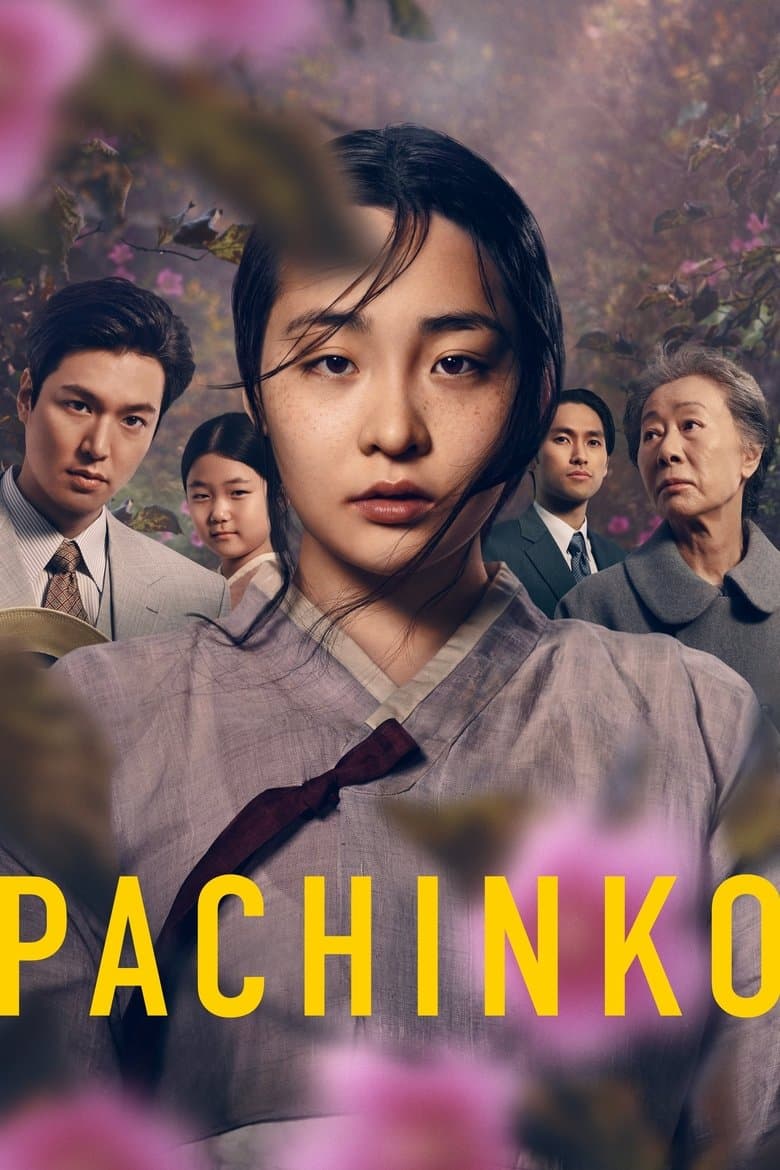
TV Show · 2022
This sweeping saga chronicles the hopes and dreams of a Korean immigrant family across four generations as they leave their homeland in an indomitable quest to survive and thrive.
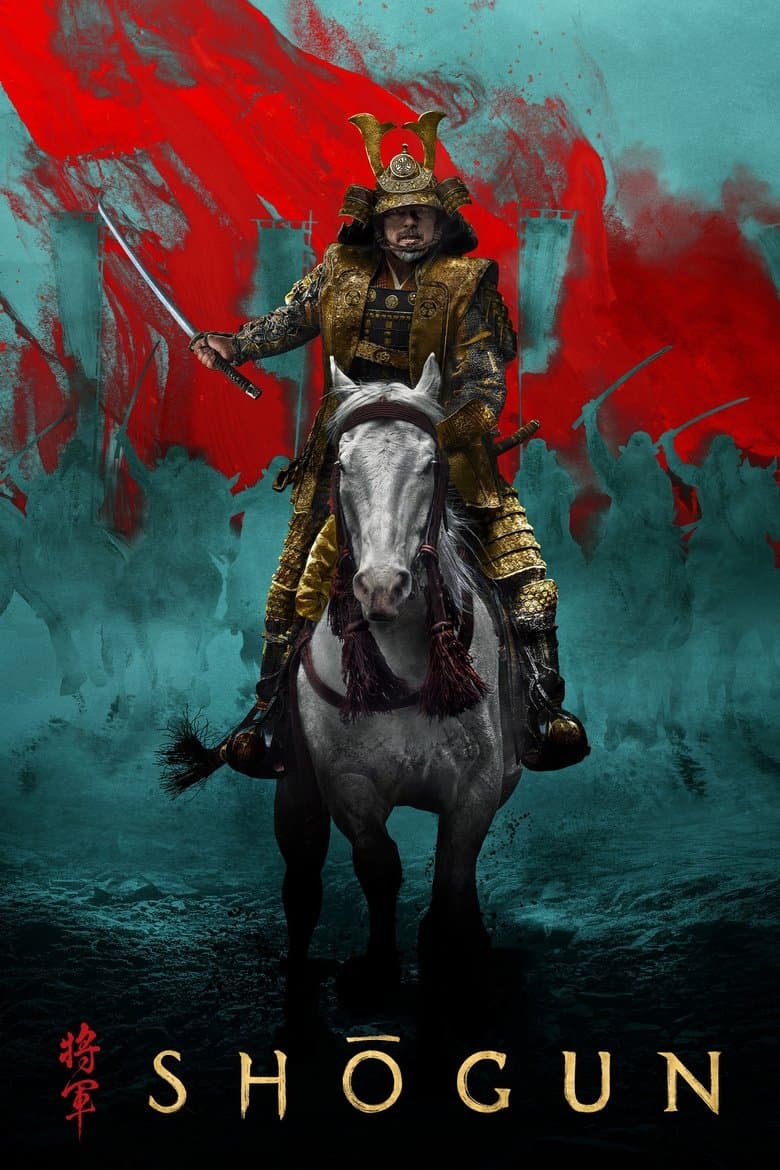
TV Show · 2024
In Japan in the year 1600, at the dawn of a century-defining civil war, Lord Yoshii Toranaga is fighting for his life as his enemies on the Council of Regents unite against him…
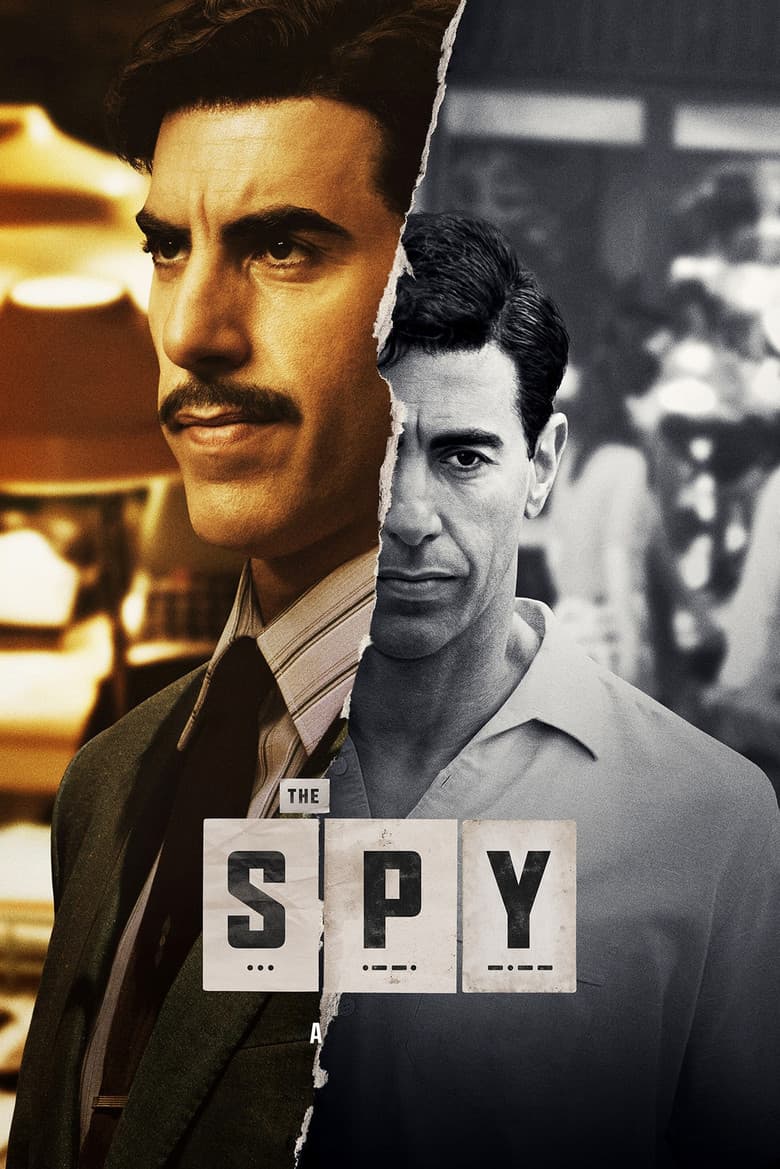
TV Show · 2019
In the 1960s, Israeli clerk-turned-secret agent Eli Cohen goes deep undercover inside Syria on a perilous, years-long mission to spy for Mossad.
