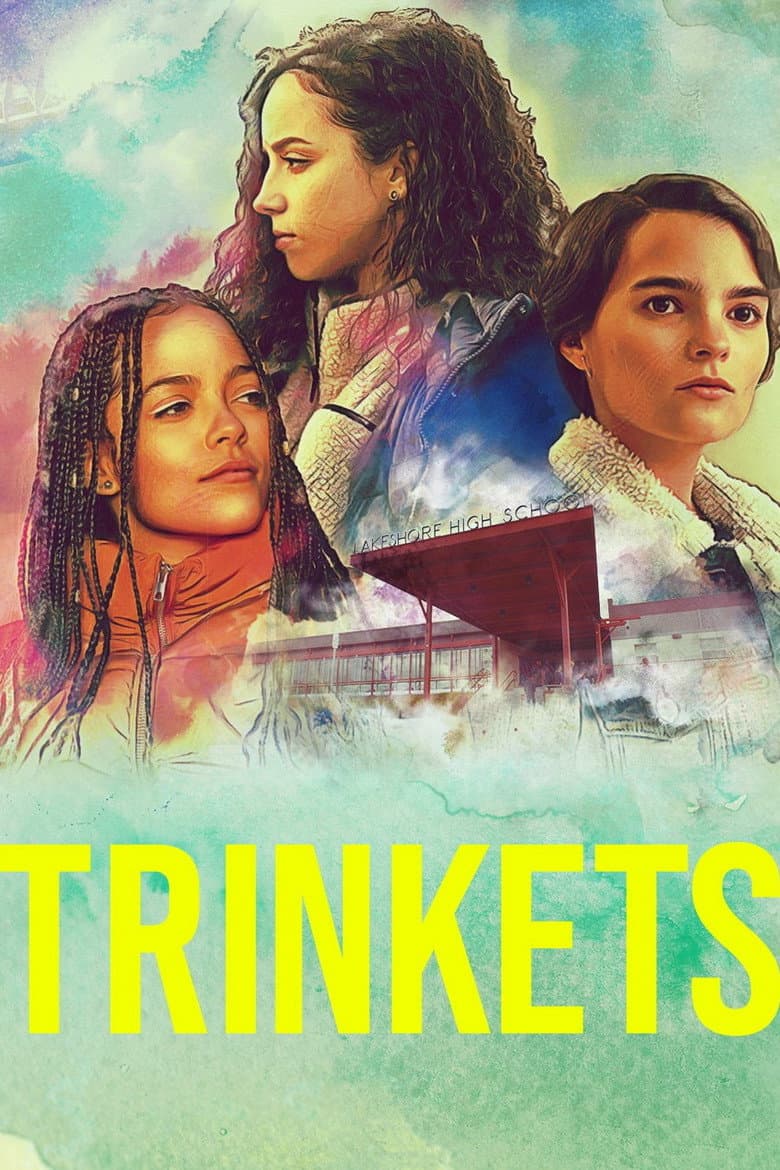
Started June 14, 2019 · Ended · Based on 2 seasons, 20 episodes through August 25, 2020 · TV-MA
Trinkets follows Elodie, a grieving teenager who moves to Portland after her mother dies. She becomes friends with Tabitha and Moe after they meet at Shoplifters Anonymous. The girls hide their friendship while dealing with theft, family problems, romance, abuse, and school pressure. The tone mixes teen drama, humor, crime, and emotional storylines.
The show gives strong attention to queer identity through Elodie’s lesbian relationships and her romance with Jillian. It also centers three girls from different backgrounds and explores racial profiling, colorism, class, abuse, and white privilege. Season two makes these social issues more direct than season one. The identity themes are important to the characters, but the main story remains focused on friendship, addiction, grief, and growing up.
Community feedback
Was our 71% Woke rating accurate?
Breakdown
These are the editorial factors and ratings behind our score for Trinkets.
Woke representation / casting
The show centers three teenage girls from different backgrounds. Elodie is openly lesbian, and her queer relationships receive major screen time. Quintessa Swindell is nonbinary and plays Tabitha, while Kat Cunning is nonbinary and plays queer musician Sabine. Interviews and coverage openly frame the cast around queer and nonbinary visibility.
75%
Woke political dialogue
Season two includes direct talk about racial profiling and unequal treatment at school. Tabitha discusses how her black identity affects how others see her. The show uses these moments to support modern identity-based concerns, but long political speeches are rare.
20%
Identity-driven story themes
Elodie’s lesbian identity shapes several major romance and coming-of-age stories. Tabitha’s arc includes racial profiling, colorism, and learning to value her black identity. The show also presents friendship and chosen support as answers to abuse, family pressure, and social exclusion.
72%
Western institutional / cultural critique
The show criticizes school and social systems when they treat wealthy white Brady more gently than working-class Moe. Tabitha faces racial profiling while shopping. The story also presents abusive male behavior and traditional ideas about popularity and perfection as harmful.
30%
Woke character or canon changes
The television version adds a clear lesbian storyline for Elodie. Published summaries of Kirsten Smith’s novel focus on grief, friendship, and shoplifting without showing that romance. The change is audience-visible, but the series is still based on the same central characters and friendship.
15%
Anti-woke backlash and complaints
Not present in this title.
0%
Creator track record context
Kirsten Smith has a feminist and female-focused writing pattern. Emily Meyer has worked on a story about gay identity and acceptance. Amy Andelson has supported AIDS research and arts access. The cached director information shows little activist history.
30%
Production
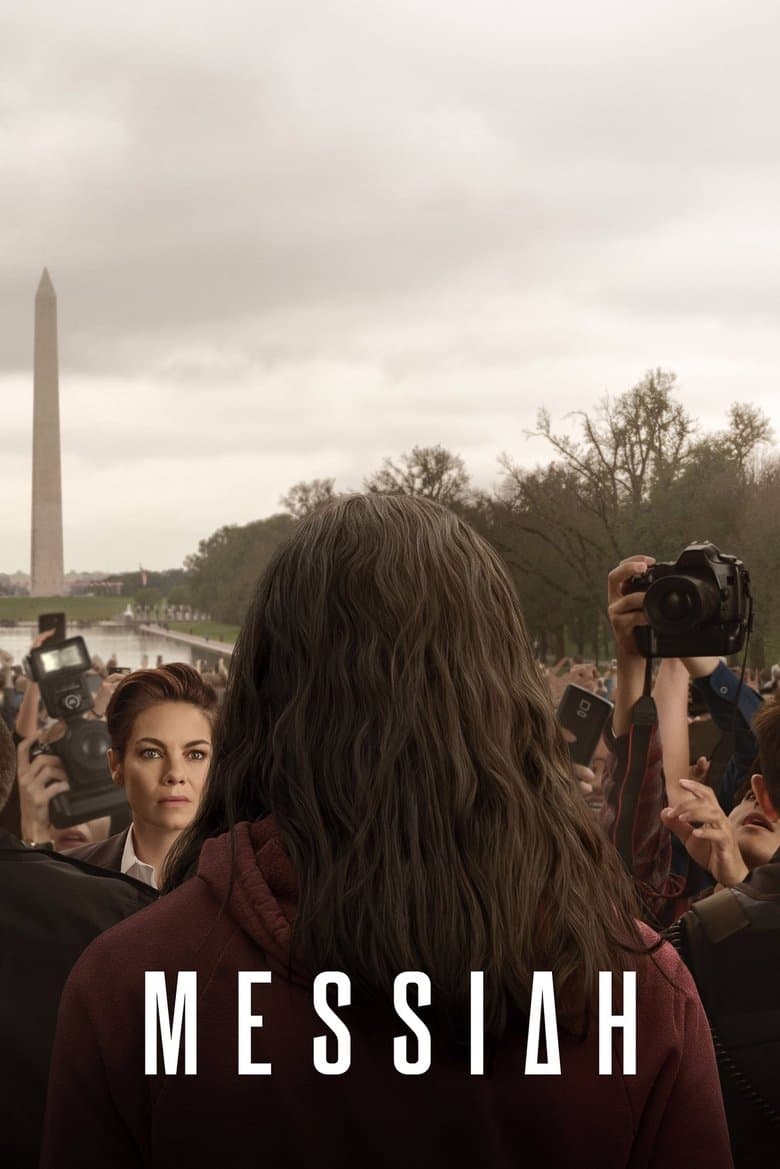
TV Show · 2020
A wary CIA officer investigates a charismatic man who sparks a spiritual movement and stirs political unrest. Who exactly is he? And what does he want?

TV Show · 2023
The story of Bass Reeves, the legendary lawman of the wild West, is brought to life. Reeves worked in the post-Reconstruction era as a federal peace officer in the Indian…
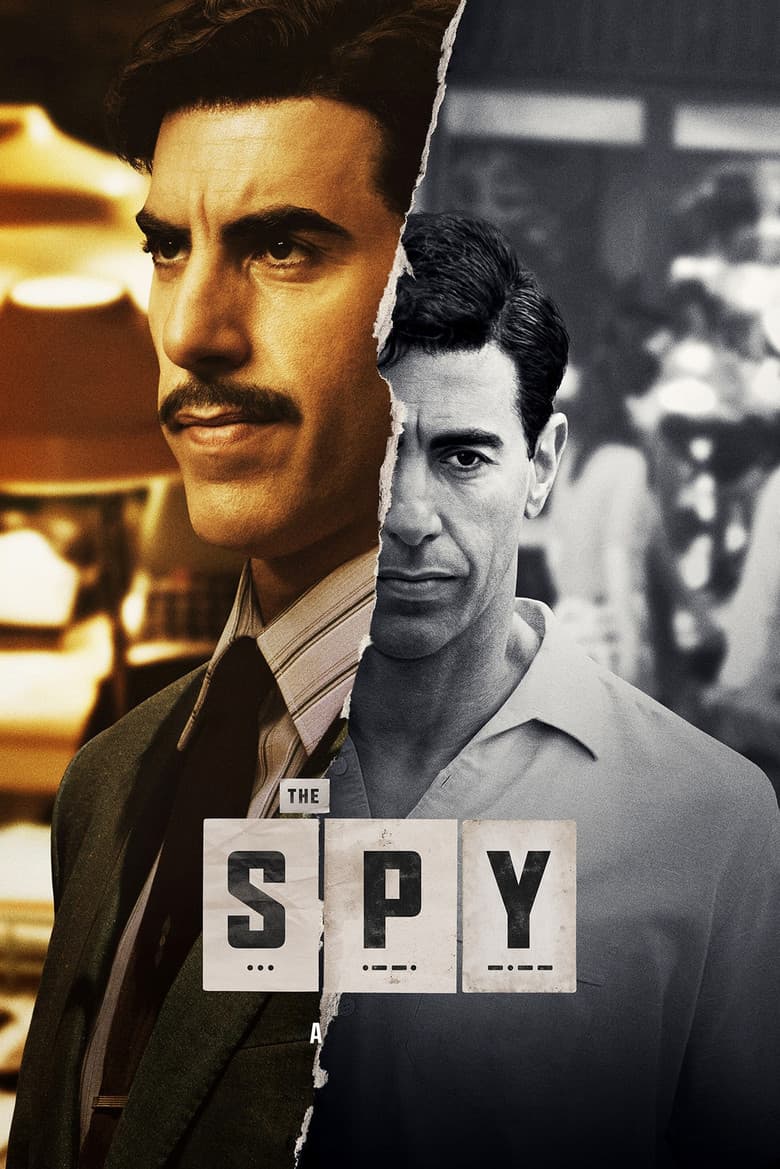
TV Show · 2019
In the 1960s, Israeli clerk-turned-secret agent Eli Cohen goes deep undercover inside Syria on a perilous, years-long mission to spy for Mossad.

TV Show · 2024
Fascinated by cars since childhood, Brazilian racer Ayrton Senna became a sports legend — until tragedy struck, changing Formula 1 forever.
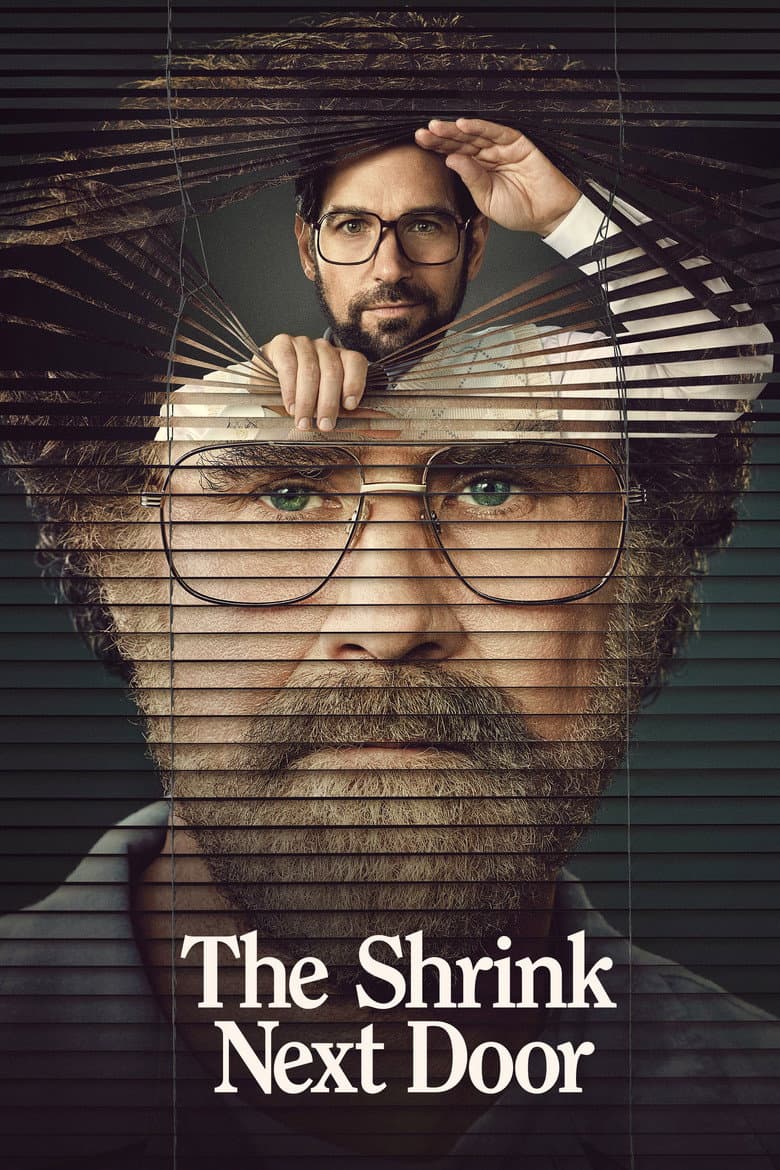
TV Show · 2021
Inspired by the true story of Marty and the therapist who turned his life around...then took it over. When he first meets Dr. Ike, Marty just wants to get better at boundaries.
TV Show · 2019
In the early 1990s in New York, during the height of the crack cocaine epidemic, a visionary musician named Bobby Diggs aka The RZA begins to form a super group of a dozen young…

TV Show · 2022
This sweeping saga chronicles the hopes and dreams of a Korean immigrant family across four generations as they leave their homeland in an indomitable quest to survive and thrive.
TV Show · 2021
Follow the Dutton family as they embark on a journey west through the Great Plains toward the last bastion of untamed America.
