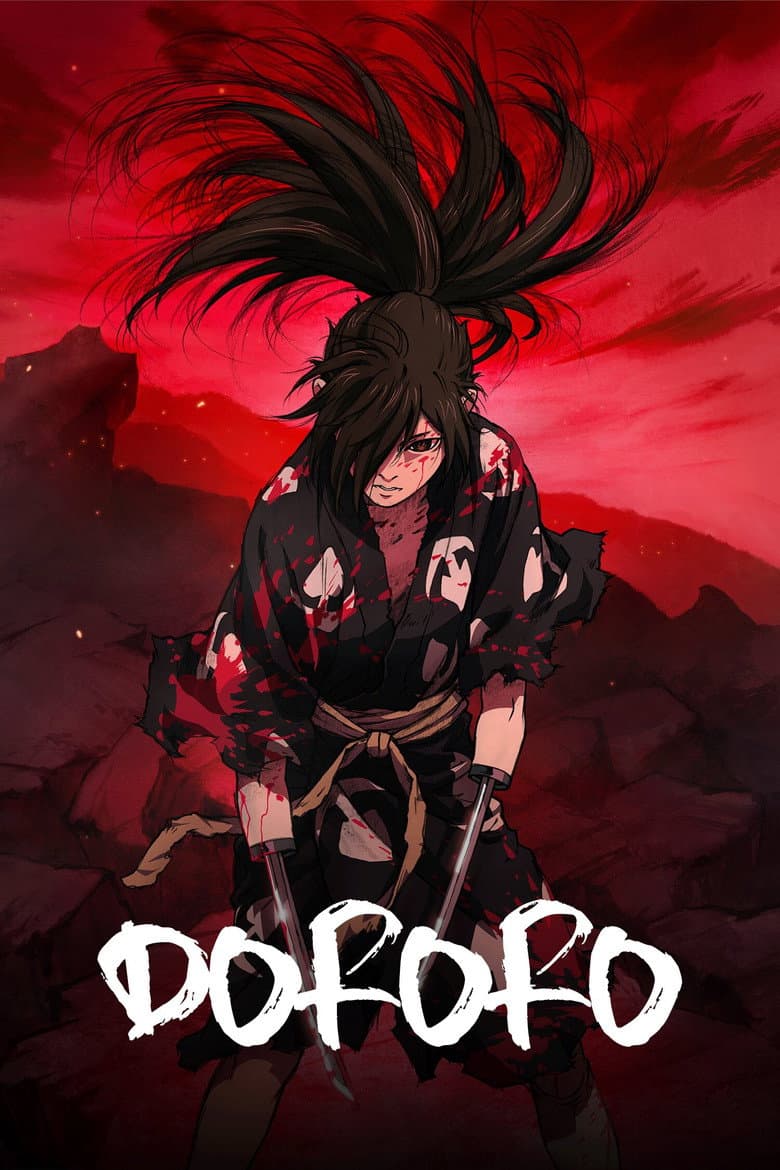
Started January 7, 2019 · Ended · Based on 1 season, 24 episodes through June 24, 2019 · TV-MA · 24 min · Japanese
Dororo follows Hyakkimaru, a boy whose father gave away his body parts to demons in return for a stronger land. A doctor gives him replacement limbs, and Hyakkimaru travels through war-torn Japan to take his body back. He meets Dororo, a hungry young thief, and the two fight demons, soldiers, and people who use fear to survive. The story is dark, violent, and sad, but their friendship brings warmth to the journey.
The show's main audience-visible identity element is Hyakkimaru's missing body and his fight to decide what his life is worth, even when a lord says many people will suffer if he becomes whole. Dororo also lives as a boy and is later shown to be a girl, but the story treats this as part of the character's past rather than a modern gender message. The series repeatedly shows war, hunger, refugees, abused children, sex work, and poor families caught between rulers. These ideas support themes of personal choice, mercy, family, and the damage caused by power, not a modern DEI campaign.
Community feedback
Was our 12% Woke rating accurate?
Breakdown
These are the editorial factors and ratings behind our score for Dororo.
Woke representation / casting
Not present. The cast portrays Japanese characters in a Japanese setting. Dororo's boyish appearance and female reveal are story events, not a casting or diversity message.
0%
Woke political dialogue
Not present. Characters speak about war, hunger, rulers, and the cost of sacrificing one person for many. The dialogue stays inside the samurai-era story and does not push modern identity, DEI, or activist ideas.
0%
Identity-driven story themes
Hyakkimaru repeatedly fights to regain a body that was taken from him at birth. The story asks whether a lord can claim one person's body for a whole province's safety. Dororo lives as a boy and is later shown to be a girl, but the series does not frame this as a modern gender identity message. These identity elements are visible, but they arise from the fantasy plot rather than a modern activist campaign.
18%
Western institutional / cultural critique
Not present. The show attacks feudal rulers and armies, but that is part of its samurai-era plot. It does not turn those events into modern claims about gender roles, capitalism, religion, or conservative family life.
0%
Woke character or canon changes
Not relevant. The remake changes episode order and several plot details. It keeps the source material's gender roles and does not recast a known character around race, gender, or sexuality.
0%
Anti-woke backlash and complaints
Not present. Coverage shows little major controversy about woke or DEI content. A small fan debate about Dororo's gender reading did not become a broad anti-woke backlash against the show.
0%
Creator track record context
Osamu Tezuka's work has a strong focus on human value and opposition to war and unchecked military power. His cached creator score is 26/100, while the cached scores for the directors, writers, and producers are low. Taken together, the creative record gives mild context and no clear modern activist or DEI pattern.
13%
Production
TV Show · 2024
A team of assassins exacts a bloody retribution on Joe Logan – a former ninja who escaped his clan – and his family for betraying their ancient code.
TV Show · 2022
A spy, an assassin and a telepath come together to pose as a family, each for their own reasons, while hiding their true identities from each other.
TV Show · 2024
They say whatever doesn’t kill you makes you stronger, but that’s not the case for the world’s weakest hunter Sung Jinwoo.
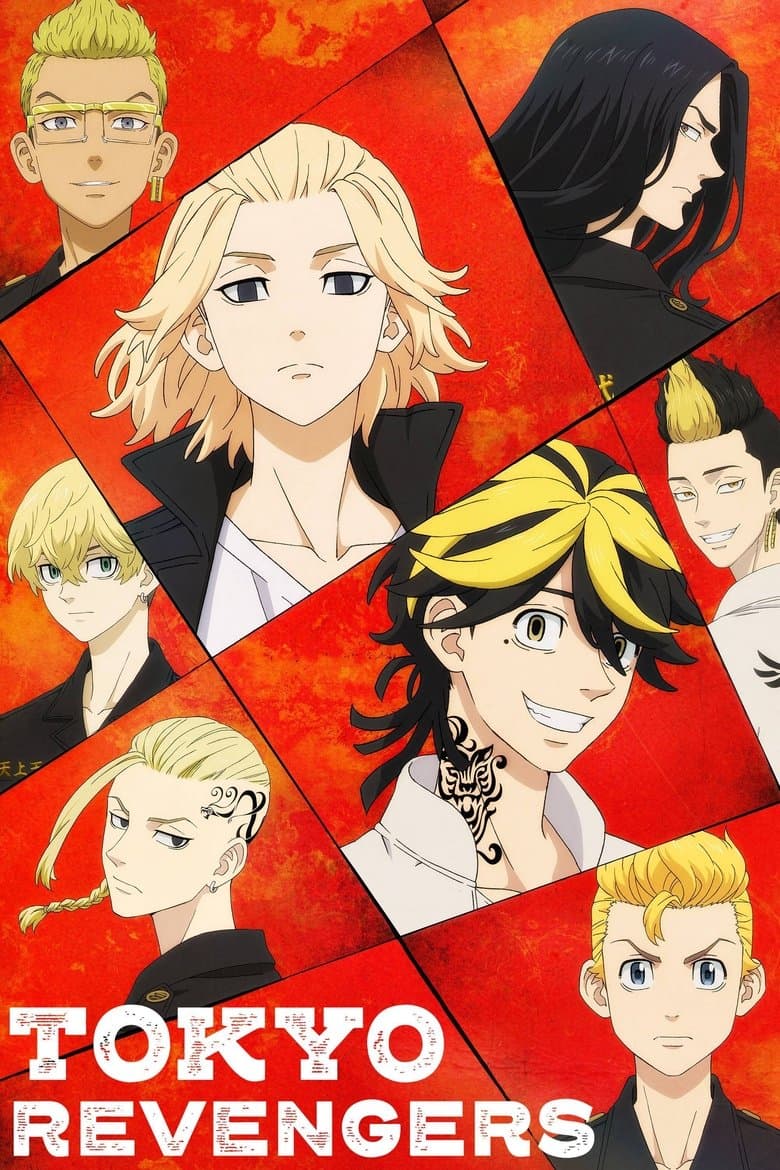
TV Show · 2021
Takemichi Hanagaki is a freelancer that’s reached the absolute pits of despair in his life. He finds out that the only girlfriend he ever had, in middle school, Hinata Tachibana…
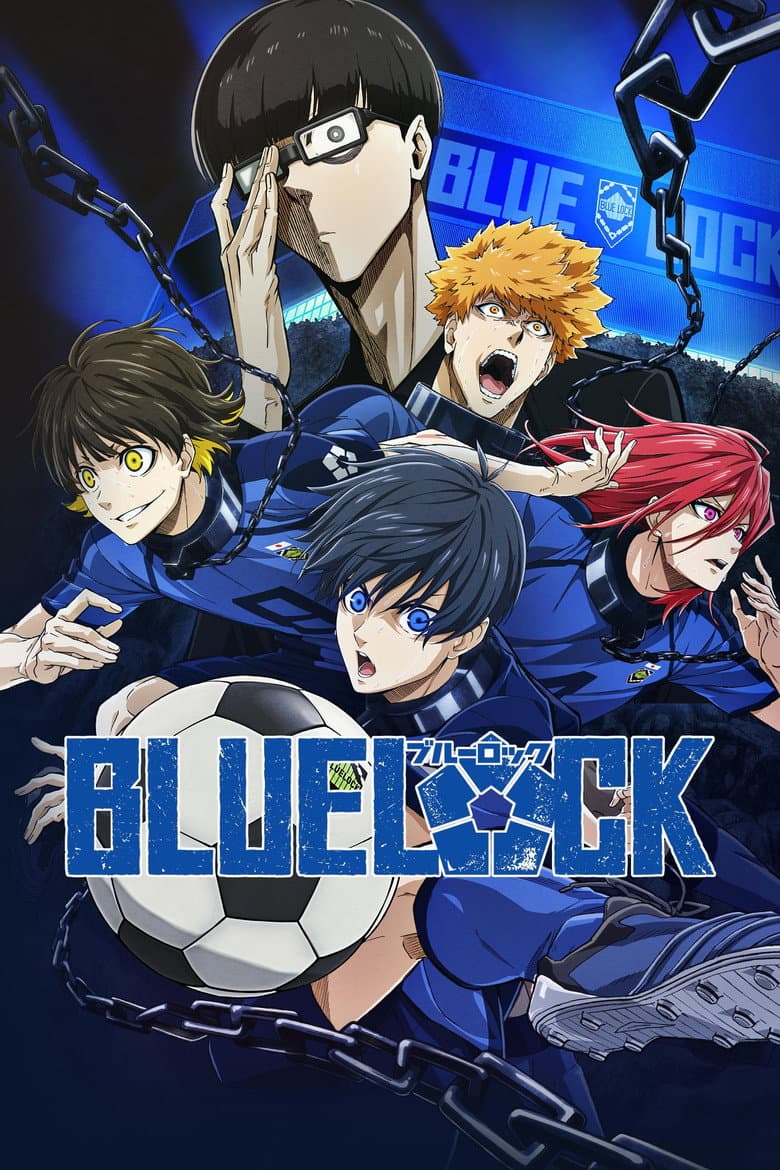
TV Show · 2022
High school soccer players from across Japan gather for a controversial project designed to create the best — and most egoistic — striker in the world.
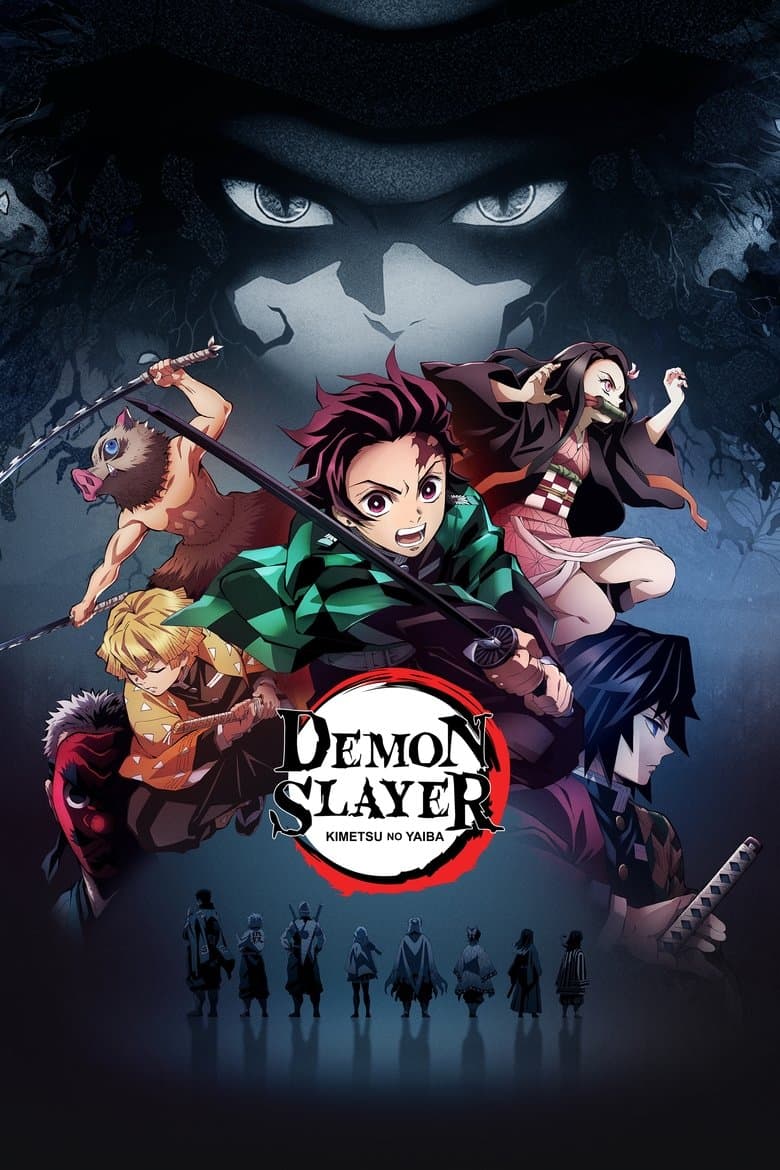
TV Show · 2019
After a demon attack leaves his family slain and his sister cursed, Tanjiro embarks upon a perilous journey to find a cure and avenge those he's lost.
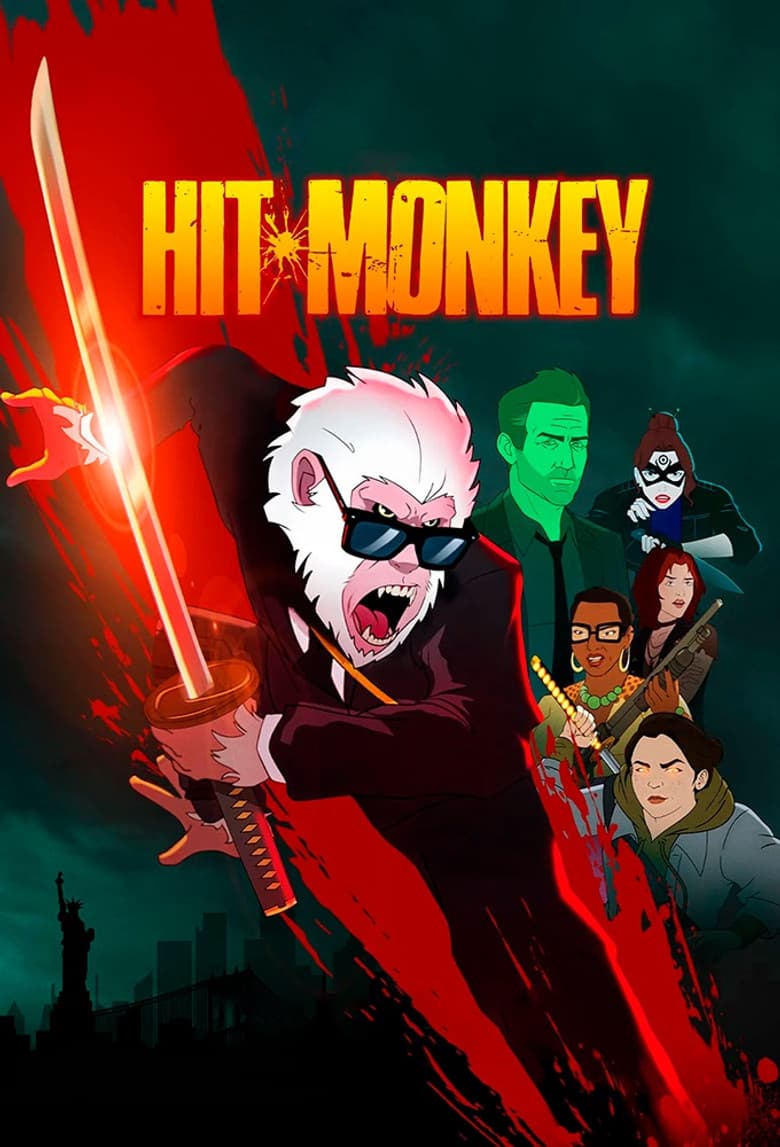
TV Show · 2021
After a high-profile political assassination goes sideways, an injured hitman hides out amongst a tribe of snow monkeys in the mountains of Japan.
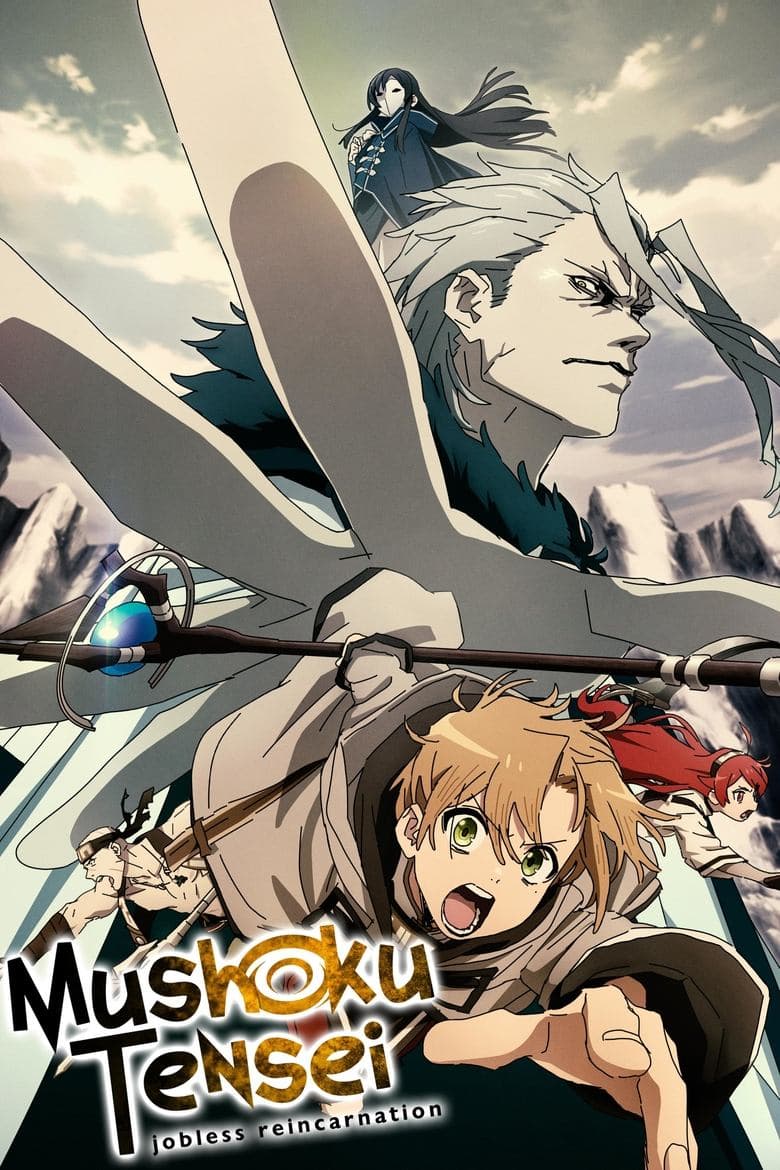
TV Show · 2021
When a 34-year-old underachiever gets run over by a truck, his story doesn't end there. Reincarnated in a new world as an infant, Rudy will seize every opportunity to live the…
