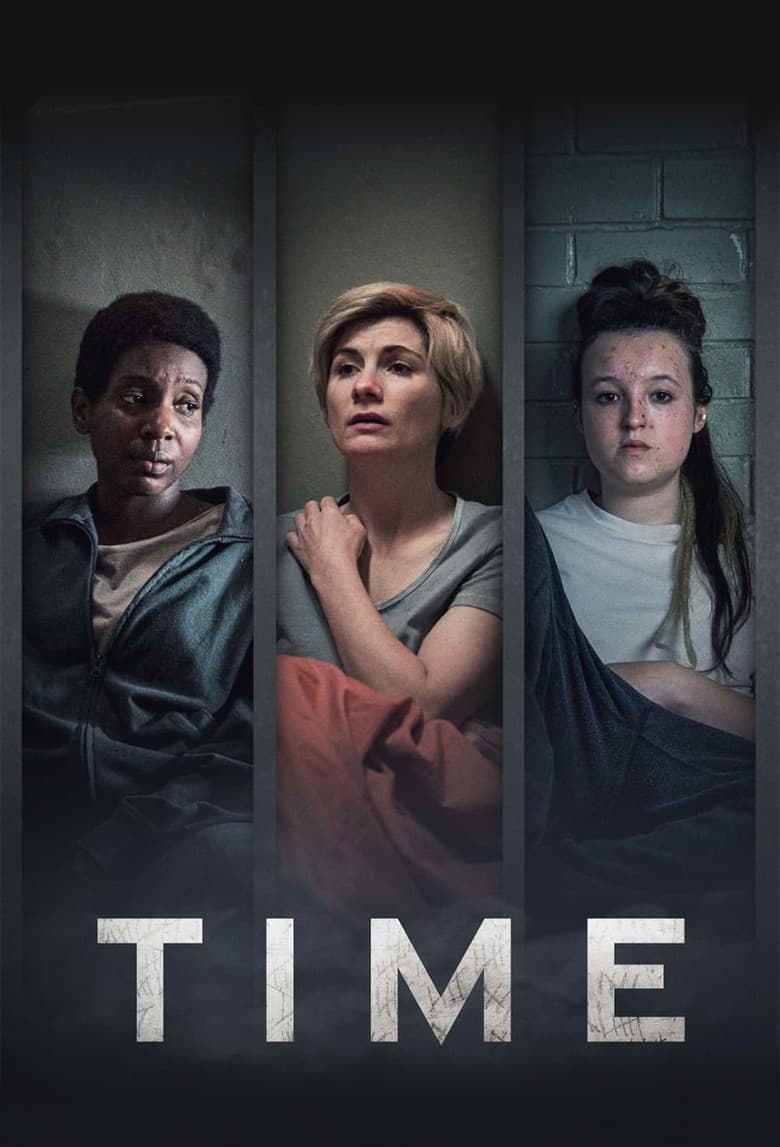
Started June 6, 2021 · Returning Series · Based on 2 seasons, 6 episodes through November 12, 2023 · TV-14 · 45 min
Time is a tense British prison drama told in two three-part seasons. The first season follows Mark Cobden, a teacher jailed after a drunk driving death, and Eric McNally, a prison officer who must choose between his job and his son’s safety. The second season moves to a women’s prison, where Orla, Kelsey, and Abi face different troubles, including poverty, drug addiction, pregnancy, grief, and a life sentence. The tone is bleak and painful, but kindness, faith, friendship, and the chance to change keep appearing.
The clearest woke element is the show’s repeated attack on the prison and justice system as institutions that harm people instead of helping them. Season two gives special weight to women’s bodies, motherhood, abuse by men, pregnancy, mental health, and the loss of homes and children. It presents Orla’s electricity theft as a poverty problem and Kelsey’s crime as tied to an abusive boyfriend. It asks viewers to see prisoners through guilt, trauma, and unfair social conditions, while still showing violence and personal blame. Season one is more focused on male prison violence, corruption, remorse, and redemption, so the gender-focused message becomes stronger late in the series.
Community feedback
Was our 54% Woke rating accurate?
Breakdown
These are the editorial factors and ratings behind our score for Time.
Woke representation / casting
Not present. Season 2 uses three prominent women in a women’s prison, including one black lead, but the mix fits the setting and story. The show does not present its casting as a diversity campaign or use identity swaps.
0%
Woke political dialogue
Season 1 has Eric say that many prisoners need hospitals instead of prison. Season 2 has characters question jailing a poor mother for cutting her power bill and show how prison cuts leave women without help. The story also talks about addiction, poverty, family loss, and abuse by men. The dialogue supports prison reform and social care, but it rarely uses party politics or modern identity slogans.
32%
Identity-driven story themes
Season 2 makes women’s lives and bodies a main subject. Orla loses her home and children after a short sentence for electricity theft. Kelsey’s pregnancy and drug addiction shape her path, while an abusive boyfriend controls her. Abi’s after-birth depression and the death of her baby drive the season’s hardest story. The season ends by stressing shared support between women, while season 1 focuses more on male prison life, guilt, and redemption.
48%
Western institutional / cultural critique
The show presents the prison and justice system as institutions that often make people worse. Season 1 shows drug smuggling, weak mental health care, bullying, and staff corruption. Season 2 links prison to poverty, lost homes, broken families, funding cuts, and abuse by men. The story often treats prisoners as people shaped by social failure, while it still shows their guilt and harmful choices. The helpful Catholic chaplain and caring staff are shown as good parts of the system, so the critique is strong but not total.
53%
Woke character or canon changes
Not relevant. Time is an original anthology rather than an adaptation of a book or established canon. Season 2 introduces new characters in a women’s prison and does not rewrite known figures.
0%
Anti-woke backlash and complaints
A few small right-leaning X accounts praised season 1 as free of diversity nonsense. One later post complained about a diversity quota while still calling the show good and mainly supporting season 1. Tiny review accounts gave a Time trailer a middling Woke-Free Score instead of starting a campaign. No large pile-on, boycott call, or review-bombing was reported, so the backlash is fringe.
14%
Creator track record context
Jimmy McGovern brings a mild left-leaning record built around poverty, unfair systems, and working-class hardship. Helen Black has written about harsh warehouse work and workers’ rights. Andrea Harkin has a stronger record of queer and identity-driven dramas, and she directs season 2. Lewis Arnold has a smaller LGBTQ-related credit, but the other cached producers and casting leads show little public activism. This raises the context score, but the show itself is not queer-centered.
40%
Production
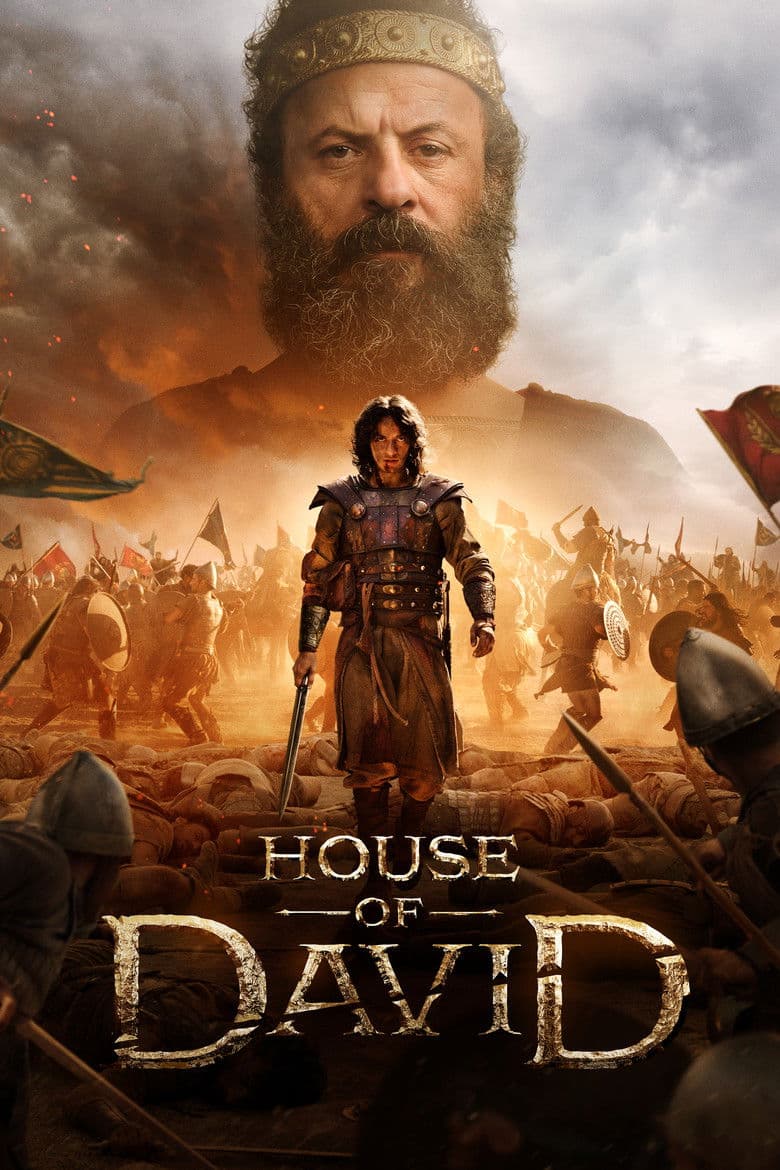
TV Show · 2025
Tells the story of the ascent of the biblical figure, David, who becomes the most celebrated king of Israel. The series follows the once-mighty King Saul as he falls victim to his…
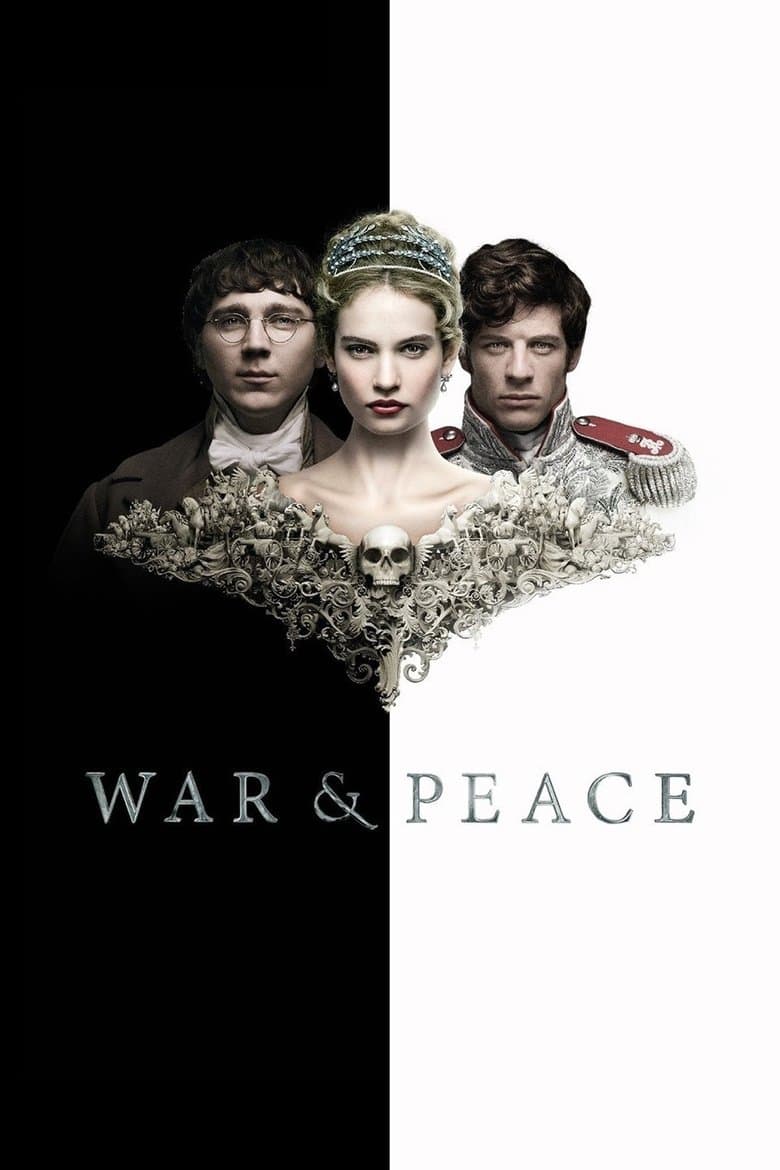
TV Show · 2016
The love story of young Countess Natasha Rostova and Count Pierre Bezukhov is interwoven with the Great Patriotic War of 1812 against Napoleon's invading army.
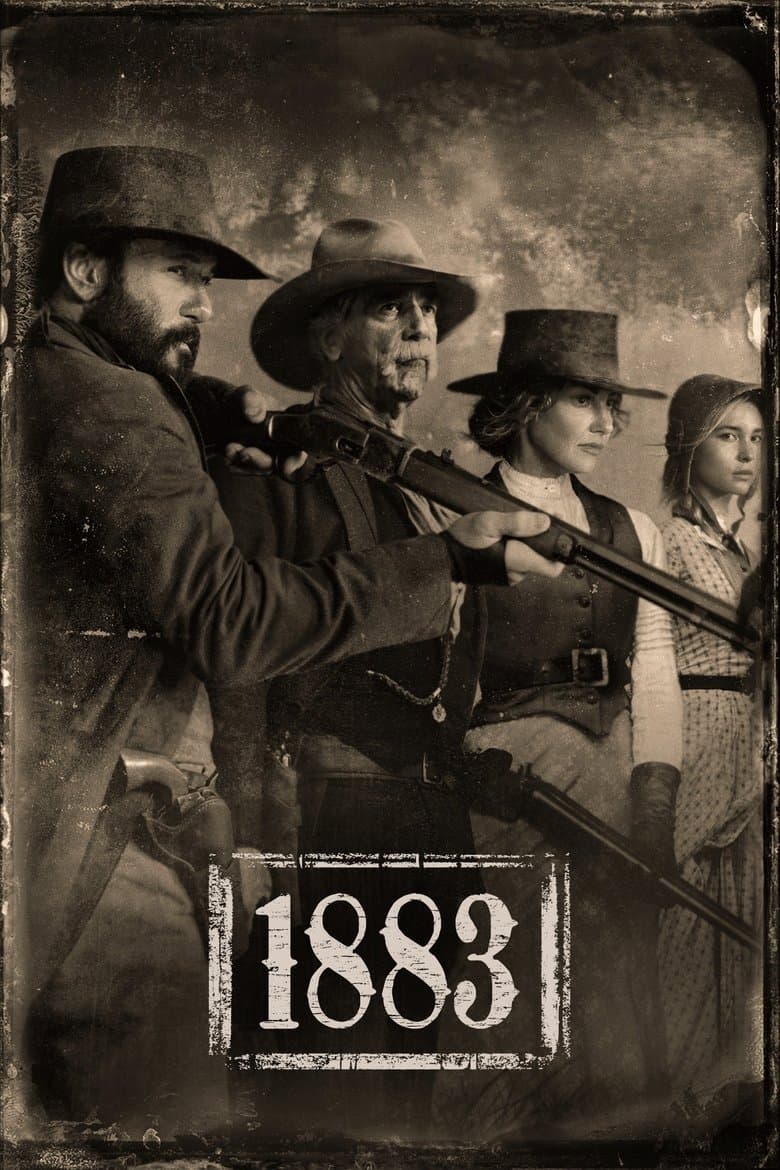
TV Show · 2021
Follow the Dutton family as they embark on a journey west through the Great Plains toward the last bastion of untamed America.
TV Show · 2019
The true story of one of the worst man-made catastrophes in history: the catastrophic nuclear accident at Chernobyl.
TV Show · 2026
The Clyburns uproot their comfortable New York City lives to the wild, untamed beauty of Montana's Madison River Valley on a search for connection.

TV Show · 2024
Fascinated by cars since childhood, Brazilian racer Ayrton Senna became a sports legend — until tragedy struck, changing Formula 1 forever.
TV Show · 2019
In the early 1990s in New York, during the height of the crack cocaine epidemic, a visionary musician named Bobby Diggs aka The RZA begins to form a super group of a dozen young…
TV Show · 2026
As the Kargil War erupts between India and Pakistan, the Golden Arrows squadron of the Air Force takes flight on a dangerous mission behind enemy lines.
