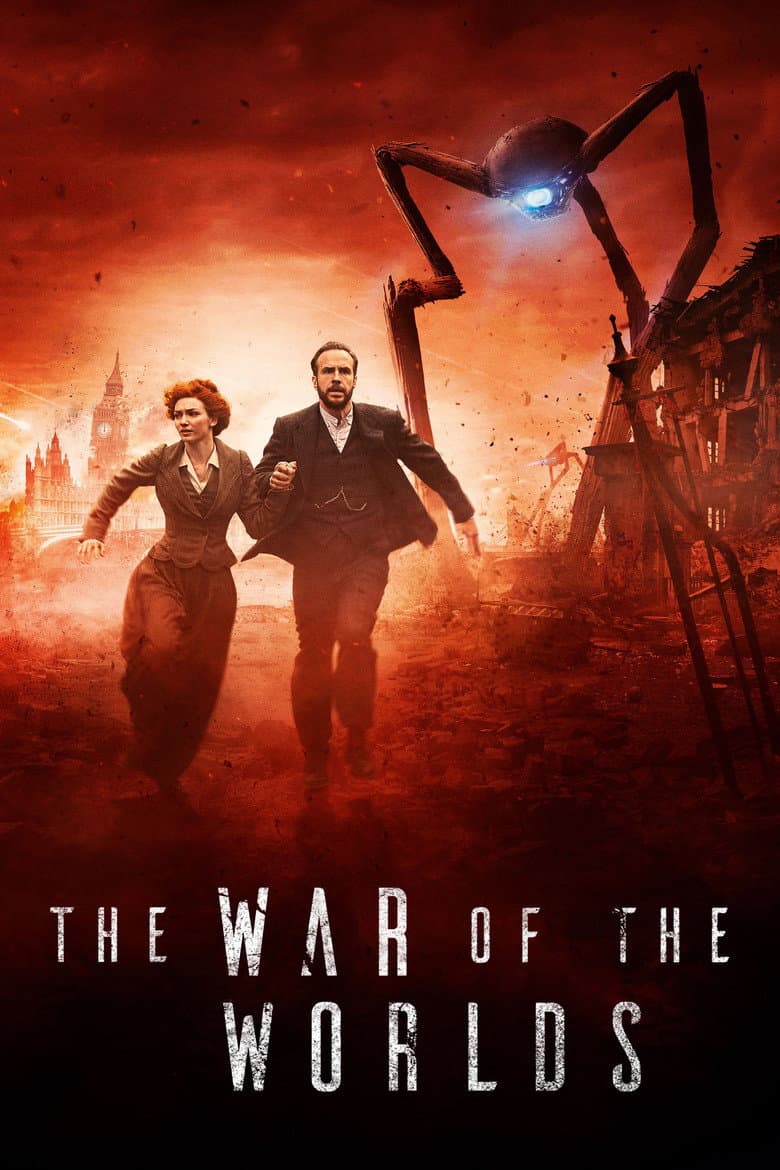
Started November 17, 2019 · Ended · Based on 1 season, 3 episodes through December 1, 2019 · TV-14 · 55 min
In 1905, journalist George leaves his unhappy marriage and lives with Amy in Woking, England. Amy is an independent young researcher who wants to study science, while George struggles to win a divorce and keep his work. Their private fight with strict social rules turns into a fight for survival when Martian machines land and destroy the country. The three-part show moves between the first attack and a later red wasteland, where hunger, illness, smoke, and alien creatures threaten the few people left. The mood is bleak, slow, and serious, with more attention on relationships and ideas than on long battles.
The show makes Amy the main hero, gives her scientific skill, and lets her lead the search for a way to save the Earth. It treats old limits placed on women as unfair and presents George and Amy’s relationship as a brave break from social rules. It also hints that scientist Ogilvy is gay, while the story repeatedly attacks the British empire, racial pride, war fever, and blind trust in religious faith. These ideas recur across the three episodes and shape the ending, but the alien invasion and the couple’s survival remain the main story.
Community feedback
Was our 73% Woke rating accurate?
Breakdown
These are the editorial factors and ratings behind our score for The War of the Worlds.
Woke representation / casting
Amy is the main survivor and scientist, while George often needs her help. Eleanor Tomlinson’s interview calls Amy a strong female lead who breaks the rules of her time. The main cast is otherwise mostly white and fits early 1900s England, so there is no broad race-based casting pattern. The score comes from the deliberate female-lead choice and repeated framing of her as the capable answer to male weakness.
40%
Woke political dialogue
George directly compares the Martians’ invasion with European attacks on people in colonized lands. The war minister gives speeches about building an empire beyond Earth and the greatness of the British army before those claims end in disaster. George and Frederick argue over war, duty, and national pride. These ideas return in episodes two and three, but they sit beside the survival plot.
48%
Identity-driven story themes
Amy’s fight for education and freedom is a main part of the story from the first episode to the last. The show presents her as a smart, independent woman who survives when many male leaders fail. Ogilvy is written as a social outsider, and the dialogue hints that he may be gay. The story uses these identity and social-norm conflicts as part of its main character arcs, but the invasion remains the larger plot.
44%
Western institutional / cultural critique
The show treats old marriage rules and limits on women’s education as unfair. It mocks the army, the war minister, British national pride, racial superiority, and the wish to build a larger empire. George and Ogilvy question war and accepted beliefs, while the ending favors science over religious faith. This criticism repeats through the invasion and helps shape the final lesson.
48%
Woke character or canon changes
The adaptation turns Wells’s mostly unnamed narrator into George and makes Amy, who had little role in the novel, the main hero. It gives George and Amy a romance based partly on Wells’s own life and makes their fight with marriage rules central. It also adds a possible gay identity for Ogilvy and changes the ending into a long post-invasion story led by Amy and Ogilvy. These changes place gender, sexuality, and modern social ideas much closer to the center than in Wells’s book.
62%
Anti-woke backlash and complaints
Right-leaning outlets and posts called the BBC version a woke rewrite that damages the classic. Complaints focused on Amy’s central role, Ogilvy’s possible homosexuality, attacks on British empire and racial pride, and a treatment of religion as an obstacle. The supplied X research found several posts with real but modest reach, including repeated claims that the show was anti-British, anti-Christian, or preachy. No clear boycott or organized review-bomb campaign was found.
42%
Creator track record context
Peter Harness has no high-confidence record of activist or DEI advocacy in the cached research. Craig Viveiros supports artists from under-represented communities through 5iveFs. Tommy Bulfin and Preethi Mavahalli have some inclusion-linked work in their wider careers. The rest of the cached team has little or no known identity-driven record, so this context is mild.
24%
Production
TV Show · 2024
When a fatal accident occurs on board the International Space Station, a lone astronaut makes the heroic journey back to Earth, only to discover key pieces of her life—including…
TV Show · 2016
In the near future a family must make difficult decisions as they balance staying together with trying to survive.
TV Show · 2016
Detective Raimy Sullivan is stunned when a voice suddenly crackles through her father’s old, long-broken ham radio – it’s Frank Sullivan, somehow transmitting over the airwaves…
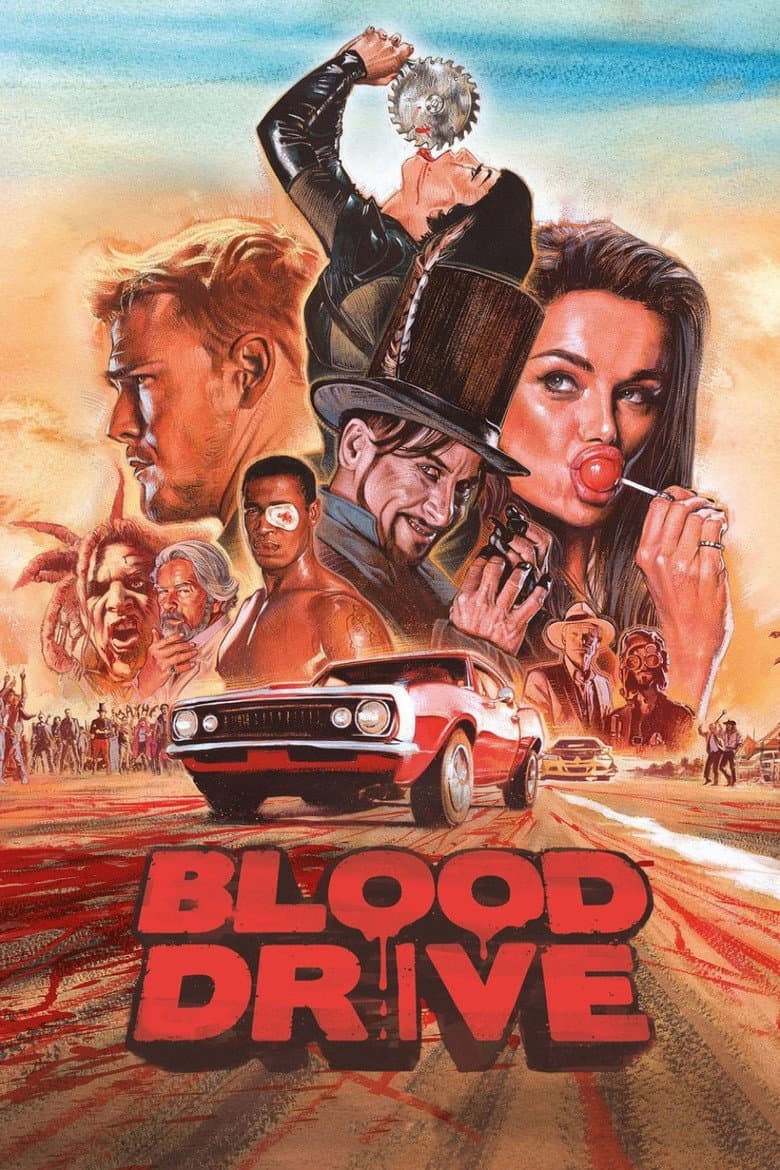
TV Show · 2017
Set in a near-dystopian future, a former cop is forced to take part in a death race where the cars run on human blood. You lose a leg and you lose your head.
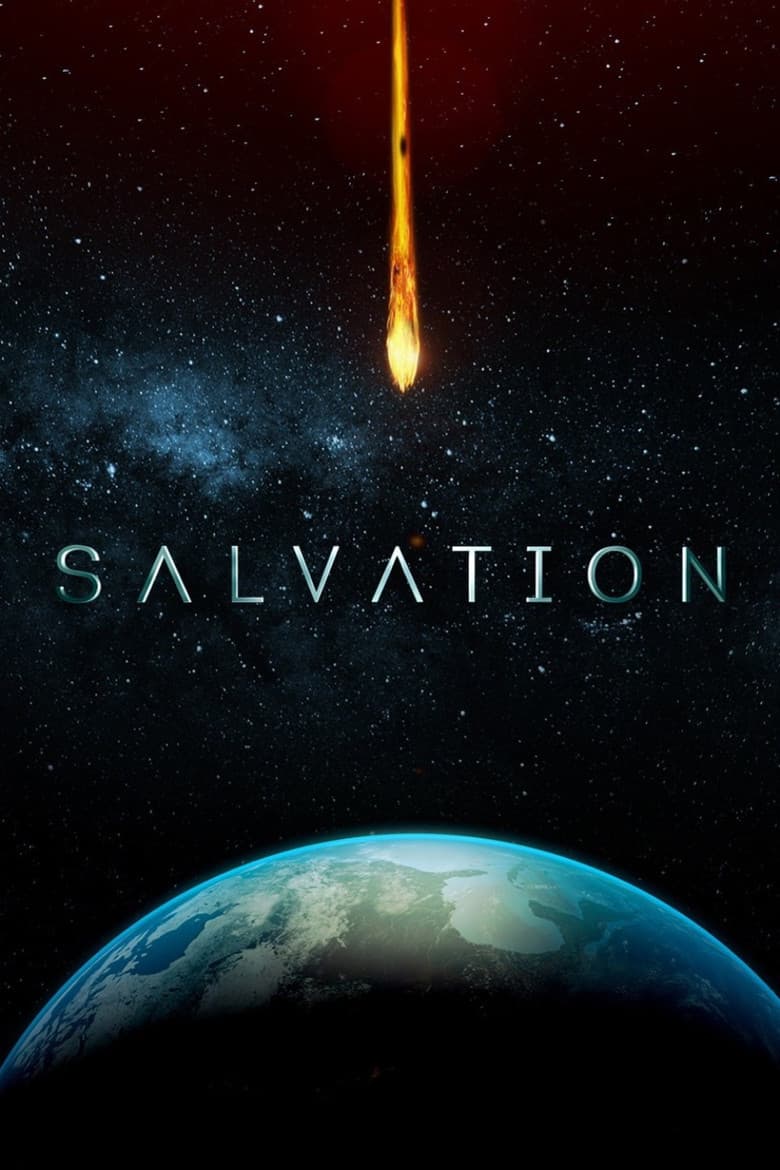
TV Show · 2017
An MIT grad student and a tech superstar bring a low-level Pentagon official a staggering discovery that an asteroid is just six months away from colliding with Earth.
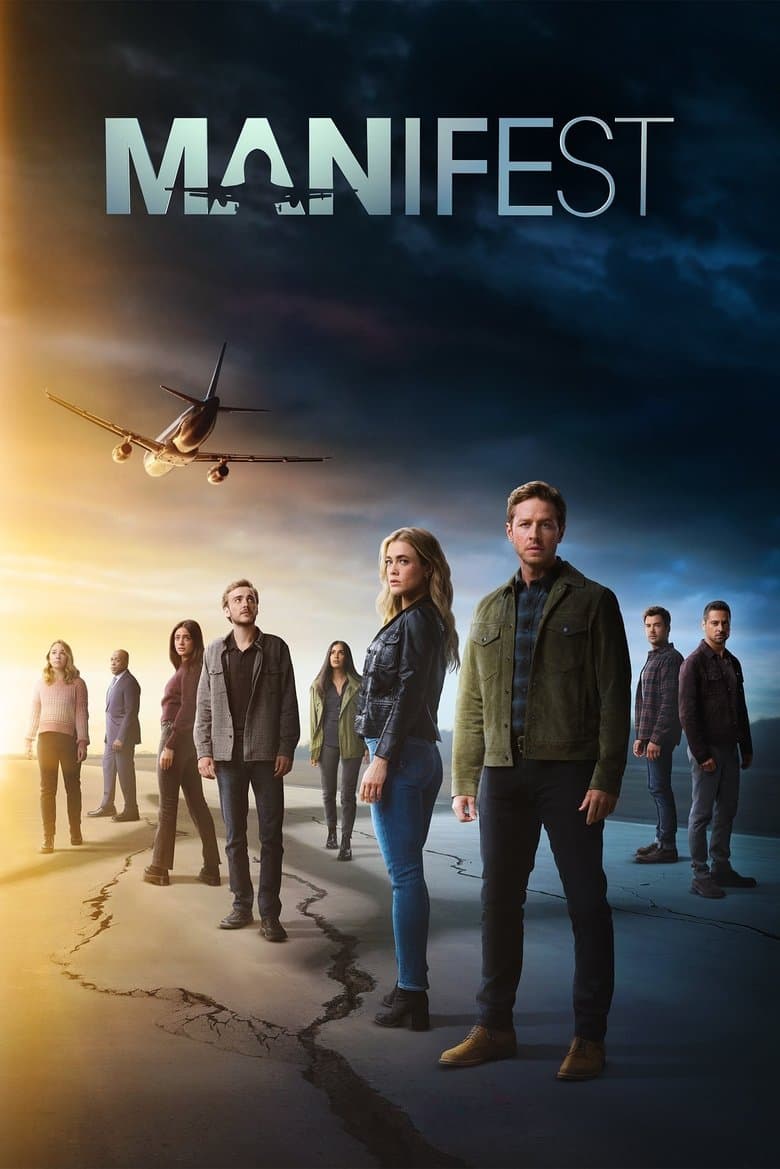
TV Show · 2018
After landing from a turbulent but routine flight, the crew and passengers of Montego Air Flight 828 discover five years have passed in what seemed like a few hours.
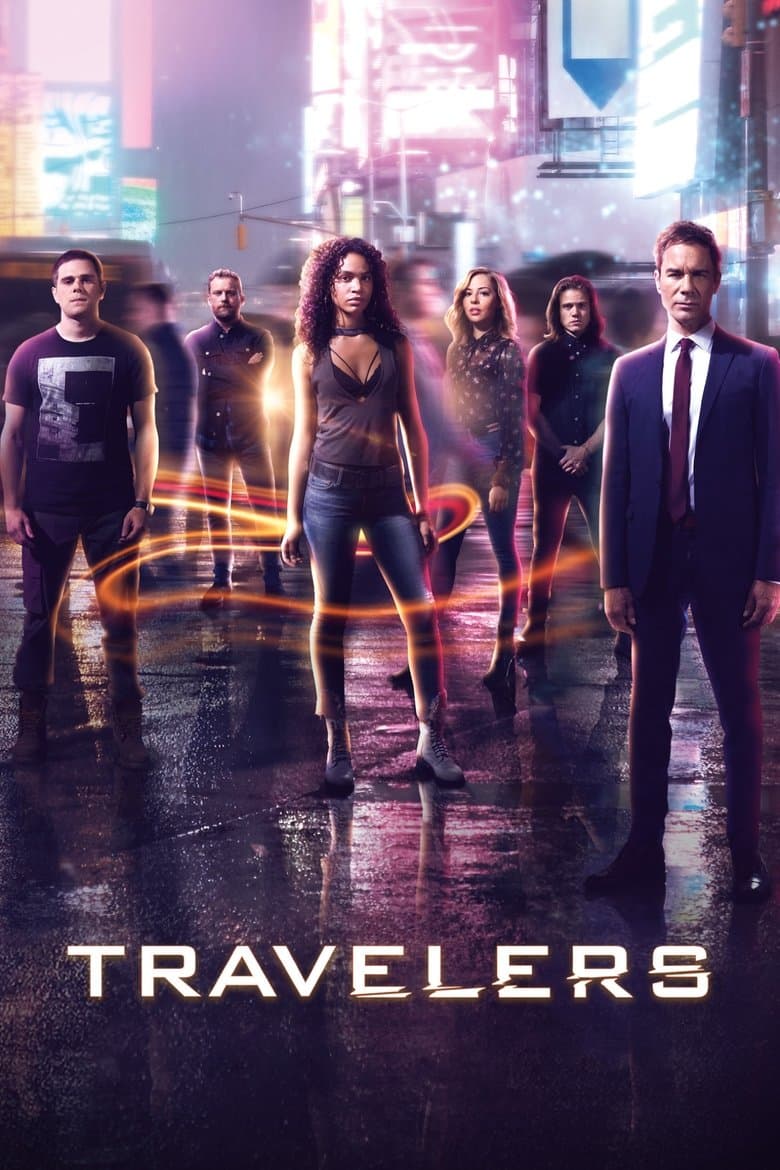
TV Show · 2016
Hundreds of years from now, the last surviving humans discover the means of sending consciousness back through time, directly into people in the 21st century.
TV Show · 2016
Kyle Barnes has been plagued by possession since he was a child. Now an adult, he embarks on a spiritual journey to find answers, but what he uncovers could mean the end of life…
