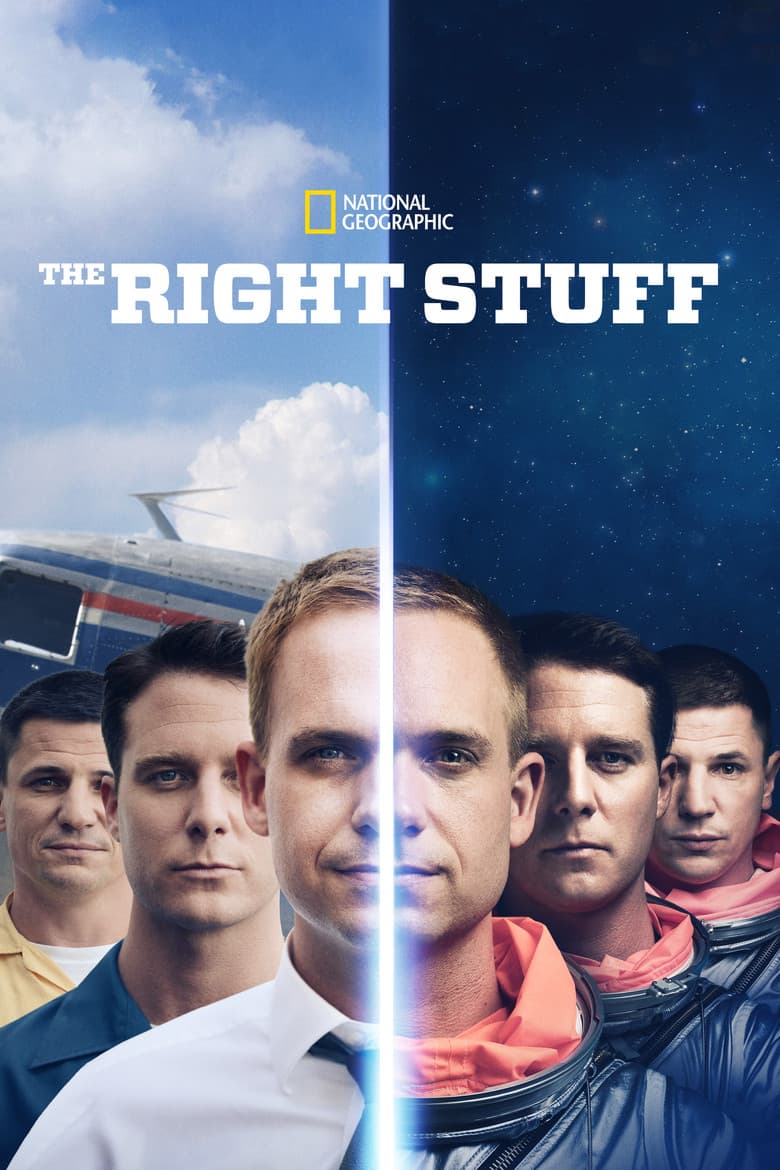
Started October 9, 2020 · Canceled · Based on 1 season, 8 episodes through November 20, 2020 · TV-14 · 45 min
Set in the United States from 1959 to 1961, The Right Stuff follows John Glenn, Alan Shepard, and the other six test pilots chosen for NASA’s Mercury program. Glenn wants to prove that courage and good judgment matter, while Shepard wants to be first into space and resents anyone who slows him down. The men train under deadly pressure while NASA and the government race against the Soviet Union. Their new fame strains marriages, friendships, and their own sense of honor. The tone mixes danger, rivalry, family drama, and old-fashioned American ambition.
The clearest woke element is the repeated story about women being shut out of the astronaut program. Trudy Cooper is a skilled pilot who wants to fly again, and Jerrie Cobb brings news of a possible women's astronaut group. Gordon Cooper mocks women astronauts on television, and the show treats his comment as a sign of unfair limits on women. Annie Glenn's speech problem also shapes how the public sees the Glenn family, but the series does not turn it into a larger identity campaign. These ideas form a noticeable side plot across several episodes, while the main story remains the male astronauts' rivalry, NASA's dangerous tests, and the first American flight into space.
Community feedback
Was our 48% Woke rating accurate?
Breakdown
These are the editorial factors and ratings behind our score for The Right Stuff.
Woke representation / casting
The show gives Trudy Cooper a recurring skilled-pilot role. A cast panel frames the right stuff as something women had but were denied the chance to show. Her role fits the period's real female pilots, so the score comes from the repeated representation message rather than an invented diverse cast. The season does not build its cast around race or queer identity.
15%
Woke political dialogue
Trudy and Jerrie Cobb talk about women being kept out of the astronaut program. Gordon Cooper makes a public joke that compares sending a woman into space with sending a chimpanzee. Trudy later says that his words hurt her and chooses to leave him and seek a place with Cobb. These talks recur across the season, but the main debate remains which man will fly first.
35%
Identity-driven story themes
The season gives Trudy Cooper a continuing struggle between her marriage, her wish to fly, and the limits placed on women. Jerrie Cobb's women's astronaut group turns that struggle into a clear gender story. The show treats Trudy's final flight with her daughter as a hopeful answer to those limits. The male rivalry and dangerous missions still take most of the screen time.
44%
Western institutional / cultural critique
The series shows men acting tough, cheating, and expected wife roles causing harm in astronaut families. Gordo's public insult and private affairs push Trudy to challenge the life built around his career. NASA and Life Magazine also shape a clean public image while hiding fear, bad choices, and failure. The criticism stays tied to this period story and does not become a broad attack on Western culture or religion.
30%
Woke character or canon changes
The show changes Trudy Cooper's real story by making her pass the tests for Jerrie Cobb's women's astronaut group. Historical accounts say Trudy was a pilot, but she was not one of the women who took those tests. The change creates a gender-equality plot that ends with Trudy flying with her daughter. The seven male astronauts are not changed into different races or genders.
30%
Anti-woke backlash and complaints
Not present. The X pass found no anti-woke posts, boycott, review-bombing, or organized complaint. Wider coverage and audience talk focused on the show's quality, history, and family drama.
0%
Creator track record context
Mark Lafferty and most of the writers and directors have low creator scores and no clear activist record. Leonardo DiCaprio brings a record of environmental activism, while Danny Strong and Lisa Albert have links to political or feminist story work. Those links add some context, but the title is not presented as a major DEI project by its creators. The title's gender story is a closer signal than the crew history.
25%
Production
TV Show · 2025
Tells the story of the ascent of the biblical figure, David, who becomes the most celebrated king of Israel. The series follows the once-mighty King Saul as he falls victim to his…
TV Show · 2021
Follow the Dutton family as they embark on a journey west through the Great Plains toward the last bastion of untamed America.
TV Show · 2016
The love story of young Countess Natasha Rostova and Count Pierre Bezukhov is interwoven with the Great Patriotic War of 1812 against Napoleon's invading army.
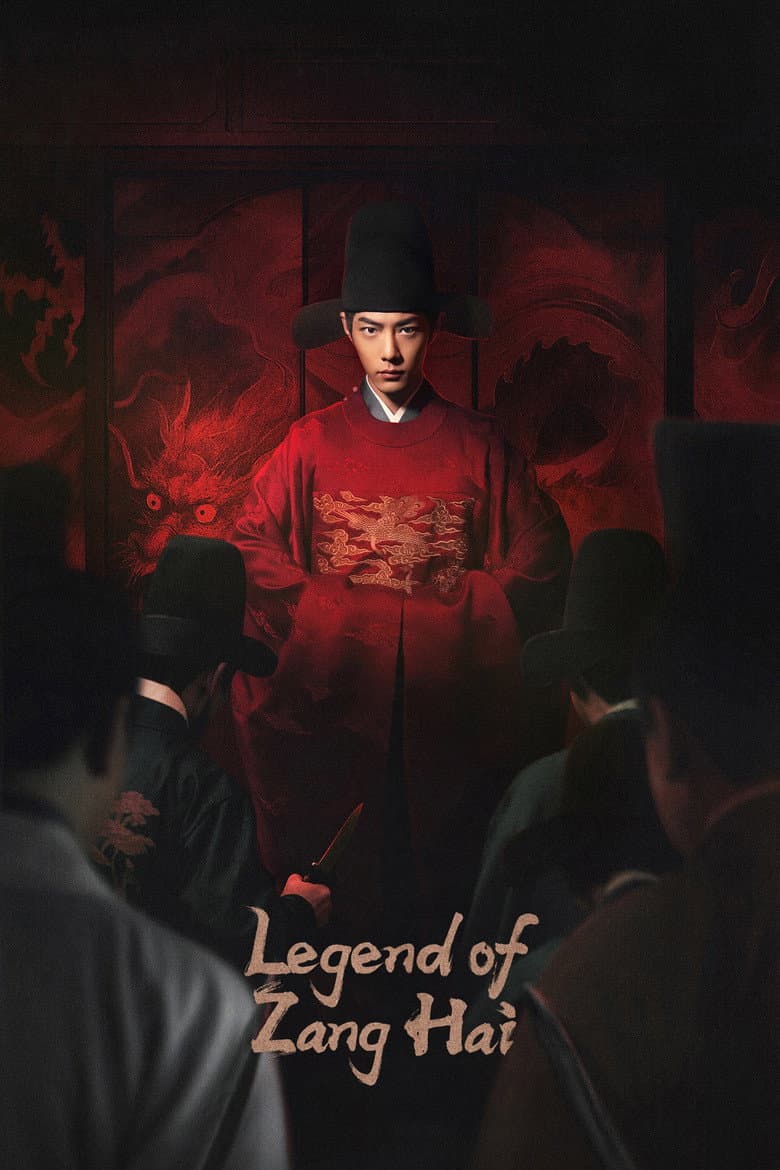
TV Show · 2025
"Legend of Zang Hai" follows the son of Imperial Astronomer Kuai Duo. Consumed by vengeance, he spends a decade honing his skills.
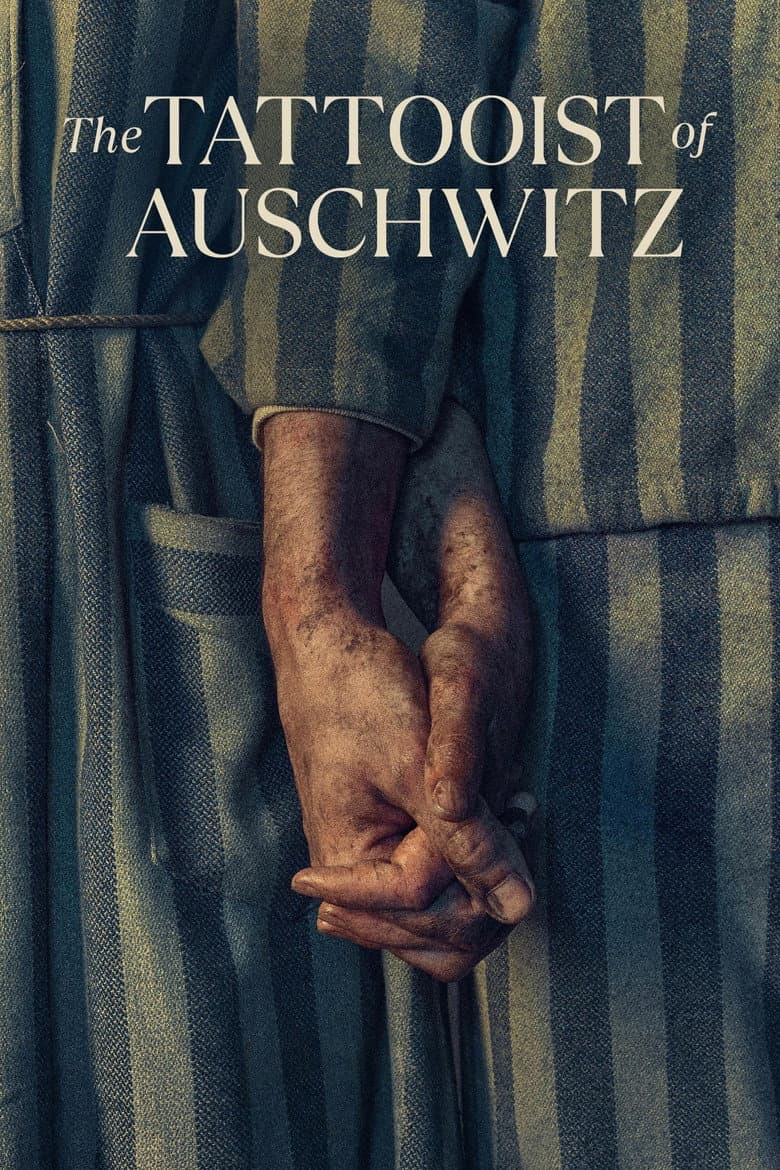
TV Show · 2024
The powerful real-life story of Lali Sokolov, a Jewish prisoner who was tasked with tattooing ID numbers on prisoners' arms in the Auschwitz-Birkenau concentration camp during…
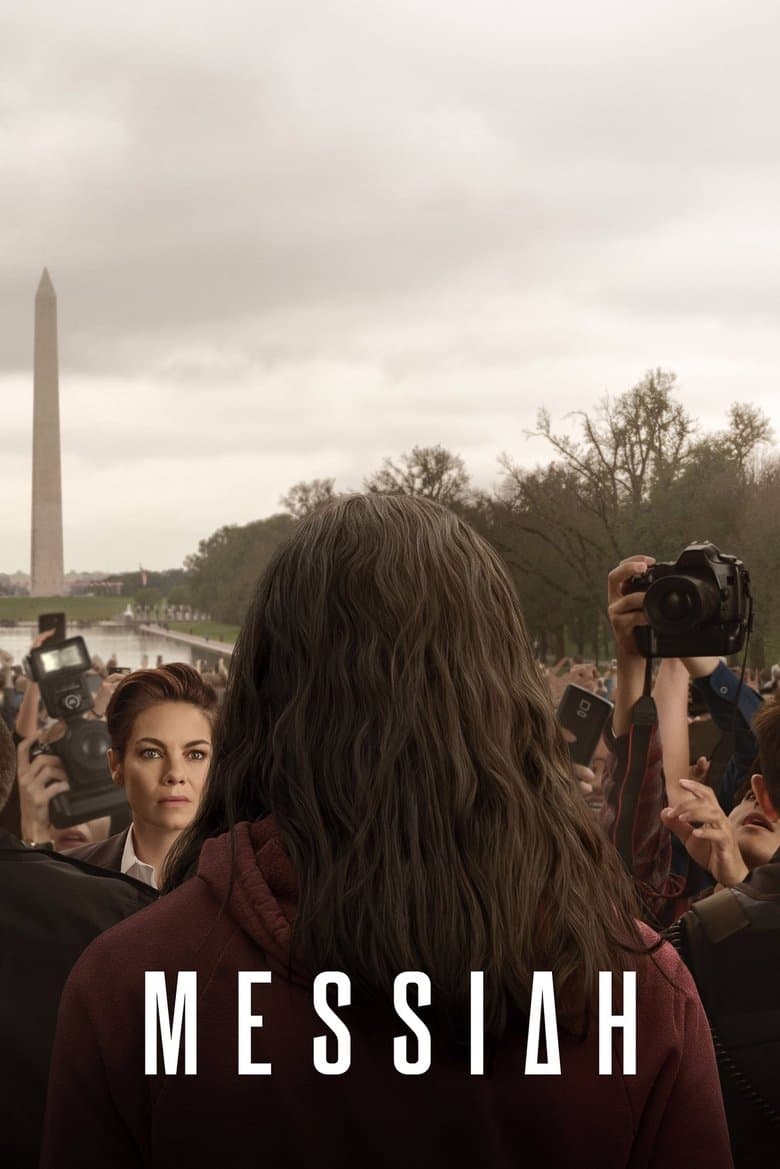
TV Show · 2020
A wary CIA officer investigates a charismatic man who sparks a spiritual movement and stirs political unrest. Who exactly is he? And what does he want?

TV Show · 2026
The Clyburns uproot their comfortable New York City lives to the wild, untamed beauty of Montana's Madison River Valley on a search for connection.
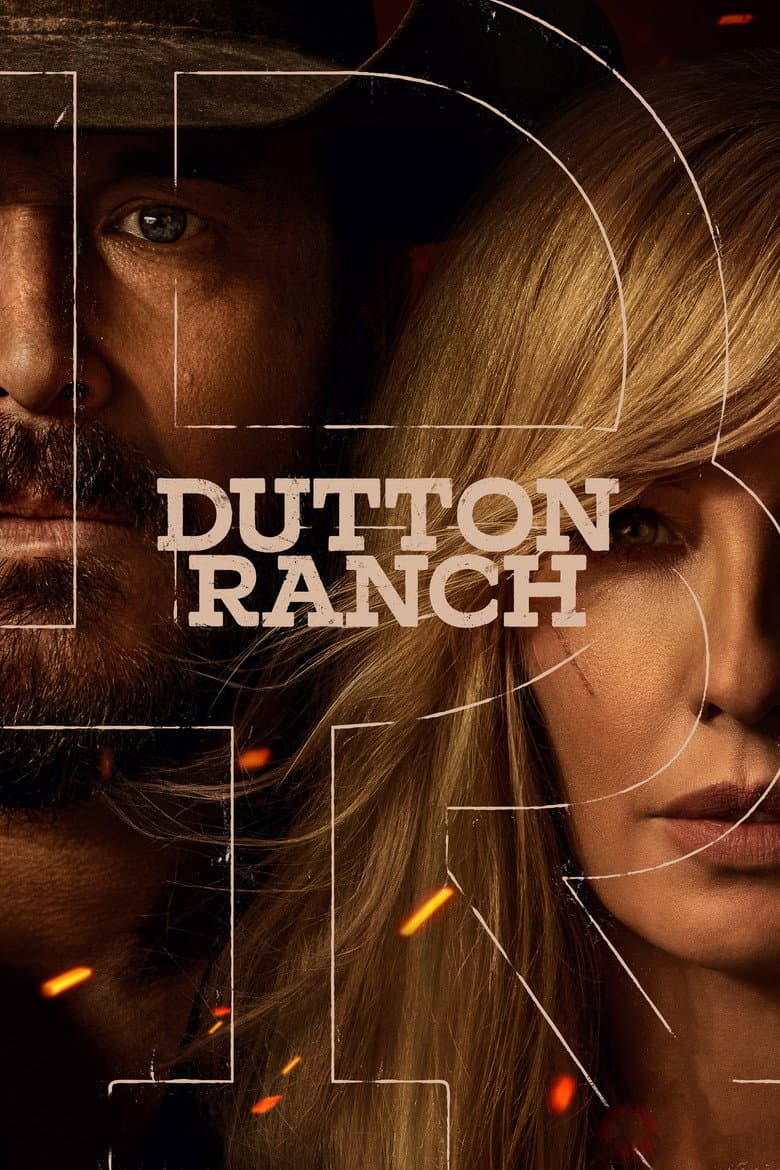
TV Show · 2026
Rip Wheeler and Beth Dutton gamble everything on a new life in South Texas, but the promise of building a future far from the ghosts of Yellowstone quickly collides with brutal…
