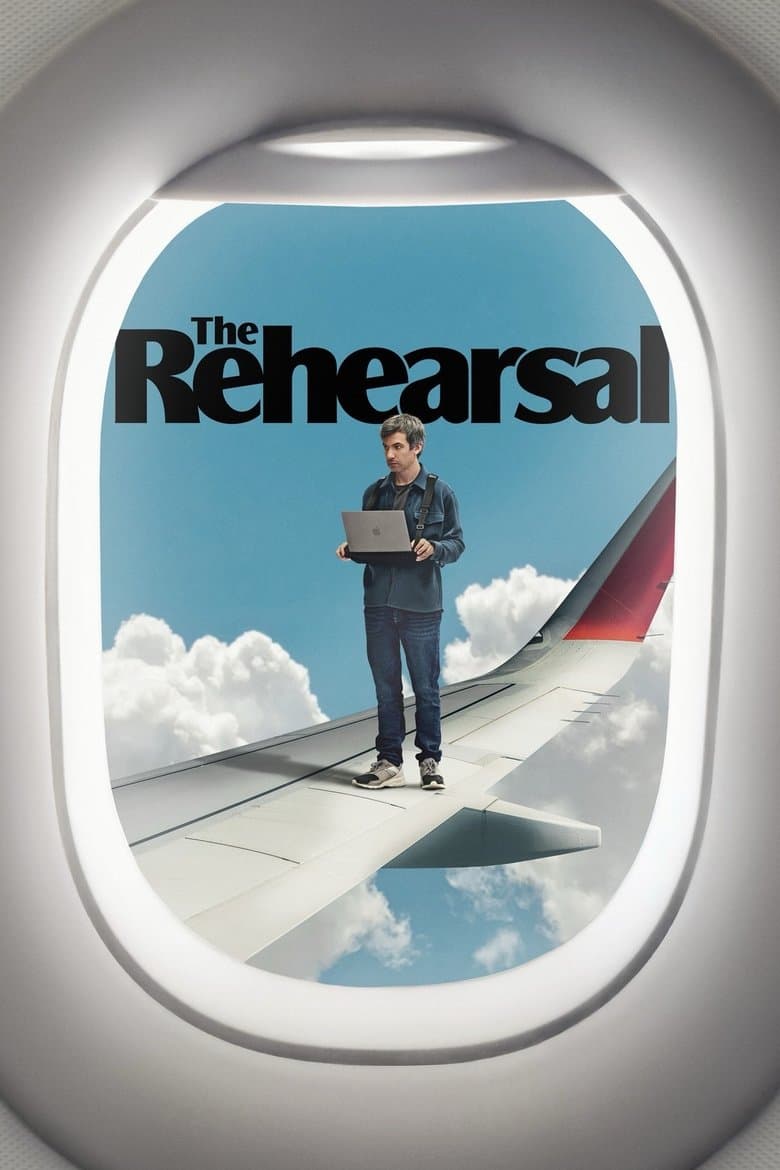
Started July 15, 2022 · Returning Series · Based on 2 seasons, 12 episodes through May 25, 2025 · TV-MA
Nathan Fielder plays a strange version of himself who helps ordinary people prepare for difficult conversations and major life events. He builds exact copies of bars, homes, airports, and other places, then fills them with actors who act out possible results. Season one follows a trivia confession and a long experiment about parenthood. Season two follows Nathan as he tries to improve communication between airline pilots. The show uses dry humor, awkward moments, unsettling scenes, and absurd situations to examine fear, control, and sincerity.
The show includes visible identity themes through a Christian and Jewish parenting conflict in season one. The dispute makes religion part of family life, but the show treats both sides as stubborn and sometimes foolish. Season two adds autism and neurodiversity when Nathan connects his rehearsal habits to coping methods used by some autistic people. The story visits an autism center, attempts to reach Congress, includes a brain scan, and brings autistic children to a replica airport. These subjects matter, but they remain tied to Nathan's personal fear and the show's comedy instead of becoming a broad political campaign.
Community feedback
Was our 31% Woke rating accurate?
Breakdown
These are the editorial factors and ratings behind our score for The Rehearsal.
Woke representation / casting
Not present. The show uses a mixed group of real participants and actors for ordinary situations. The story does not present race, sex, religion, or disability as a diversity message or a special casting goal.
0%
Woke political dialogue
Season one has a long argument about whether a child should be raised Christian or Jewish. The episode includes direct talk about Jesus, Judaism, hatred of Jews, Israel, and the idea that each religion has its own truth. Season two uses autism, mental health rules for pilots, content removal, and speaking up to authority in several episodes. These subjects are direct and noticeable, but they appear inside personal and comic situations rather than a broad political program.
22%
Identity-driven story themes
Season one makes the Christian and Jewish identities of Nathan and Angela central to the long parenting rehearsal. Their beliefs shape the child's home life, schooling, holidays, and family rules. Season two builds a smaller but repeated thread around autism and neurodiversity as Nathan connects his rehearsal habits to autistic coping methods. The show lets autistic children use the fake airport, but it keeps the subject tied to Nathan's fear, comedy, and search for control.
34%
Western institutional / cultural critique
Season two treats the captain and first officer power gap as a cause of danger and asks weaker people to challenge leaders. The show also questions the FAA, Congress, streaming companies, and the power held by TV producers over participants. Season one mocks religious certainty and exposes how reality TV can control families and children. The criticism targets power and control more than capitalism, patriarchy, or ordinary Western institutions.
28%
Woke character or canon changes
Not relevant. The show is an original documentary comedy with no fictional canon to rewrite. It reenacts parts of pilot Sully Sullenberger's life, but it does not change his identity or turn the event into a representation message.
0%
Anti-woke backlash and complaints
Not present. Reported complaints focus on manipulation, child actors, ethics, and a singer who said the fake contest misled her. The public debate about autism and religion was mixed, but it was not a clear anti woke campaign against the show.
0%
Creator track record context
Nathan Fielder's cached context is mostly humanitarian, including Summit Ice's support for Holocaust education. His title related interviews frame the show around social anxiety, aviation safety, sincerity, and the audience's connection to autism, not around DEI or identity politics. The other cached key writers and producers have little public activist history. Two supporting crew members have more social issue or diversity focused work that is not tied to this show.
22%
Production
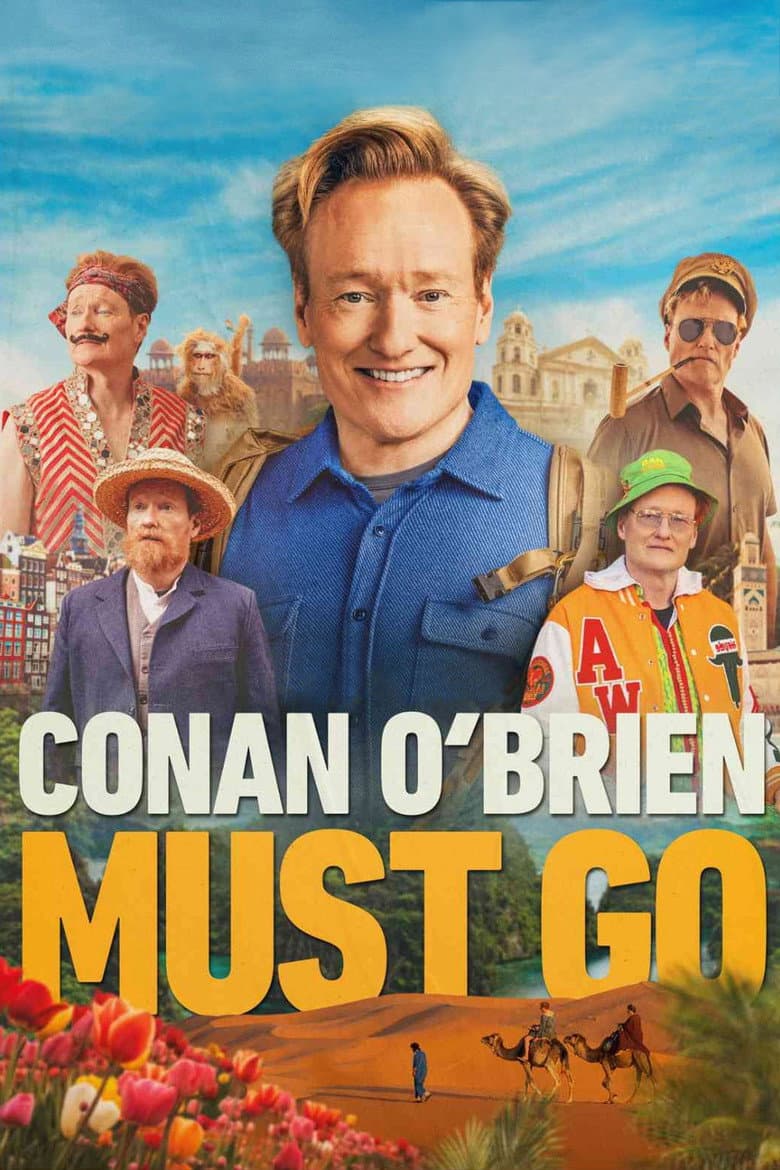
TV Show · 2024
Conan O'Brien visits new friends he met through his podcast, "Conan O'Brien Needs a Fan," where he dives deep with listeners from across the country and the world.
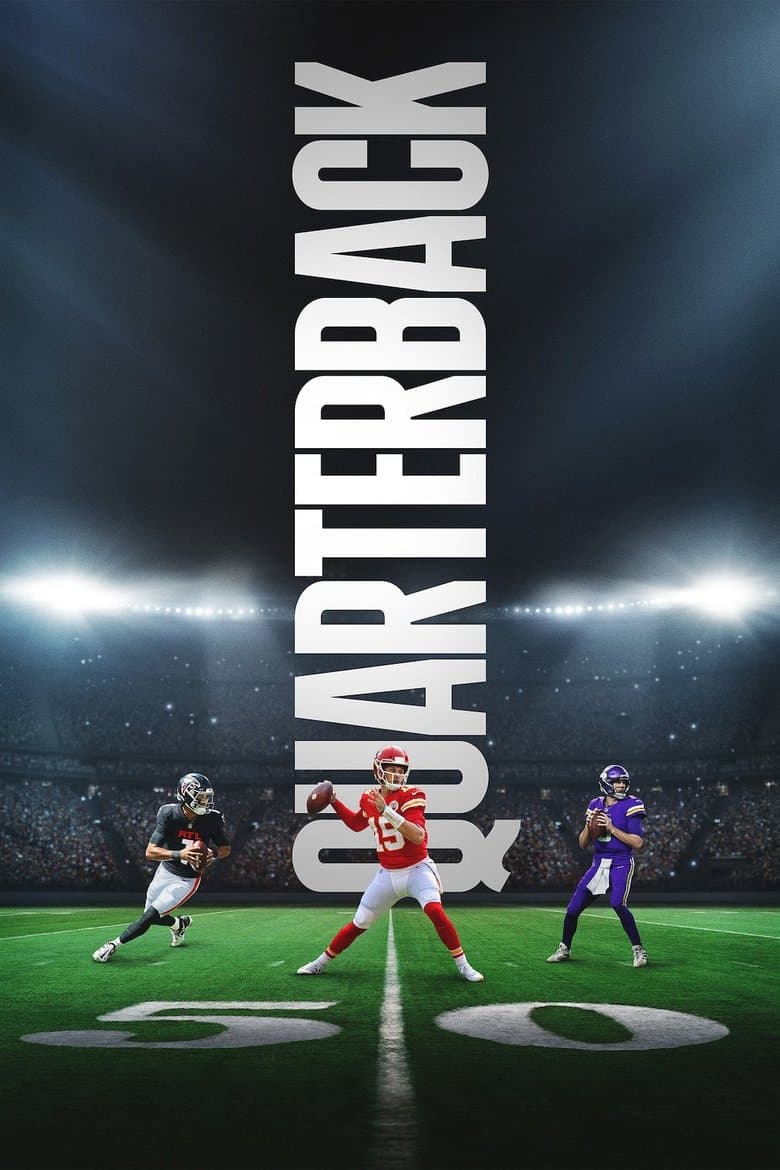
TV Show · 2023
Follow the bruised bodies, soul-crushing fumbles, agonizing losses, and pure joy of three NFL quarterbacks during one season.
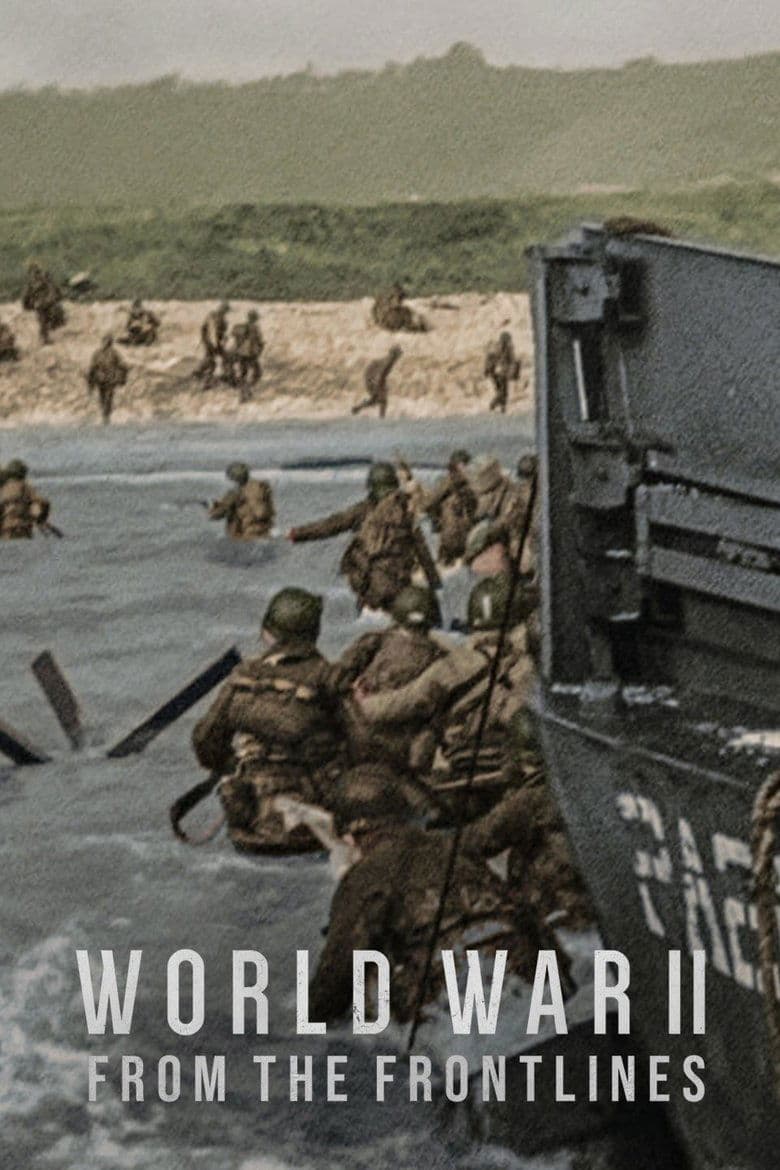
TV Show · 2023
Through vividly enhanced archival footage and voices from all sides of the conflict, this docuseries brings WWII to life like never before.
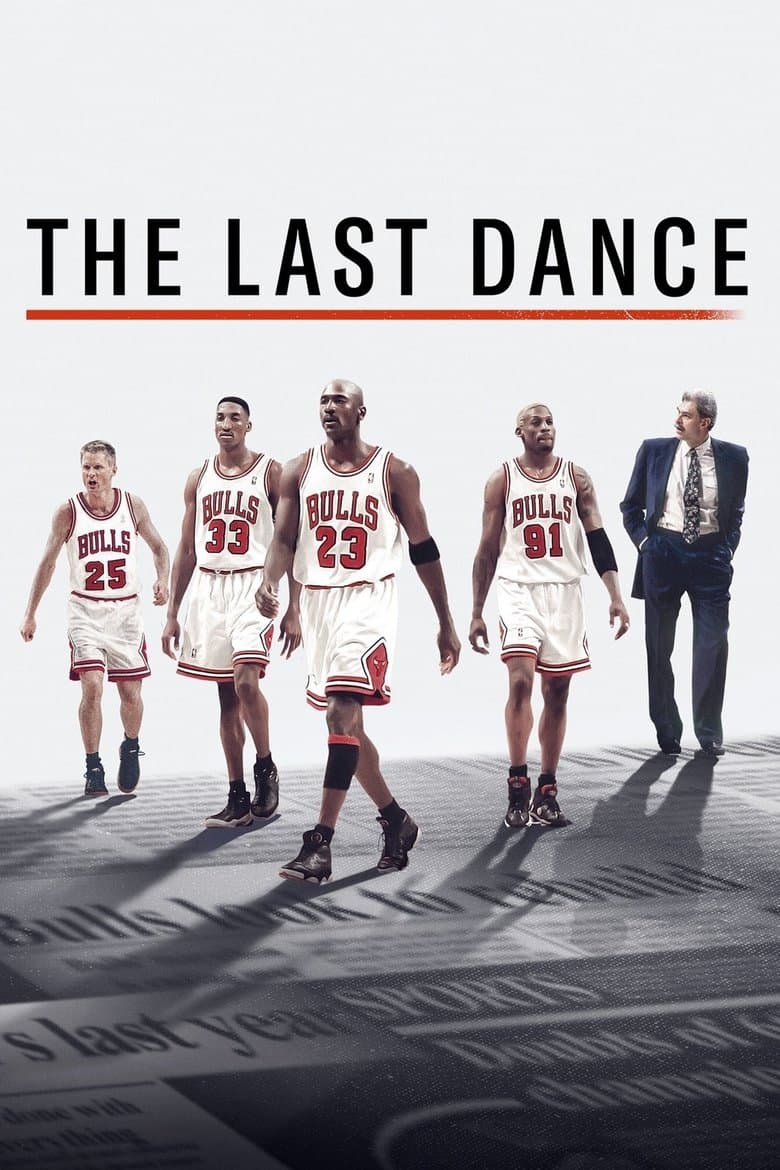
TV Show · 2020
A 10-part documentary chronicling the untold story of Michael Jordan and the Chicago Bulls dynasty with rare, never-before-seen footage and sound from the 1997-98 championship…
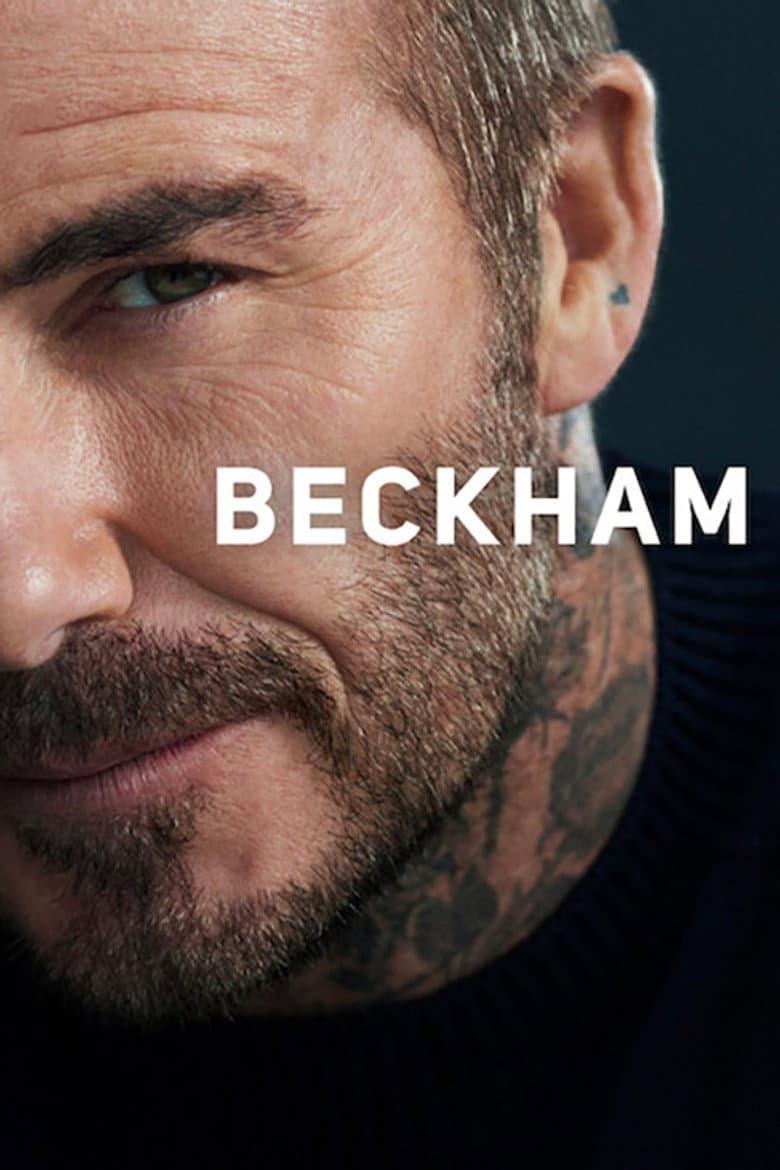
TV Show · 2023
With never-before-seen footage, this docuseries follows David Beckham's meteoric rise from humble beginnings to global football stardom.
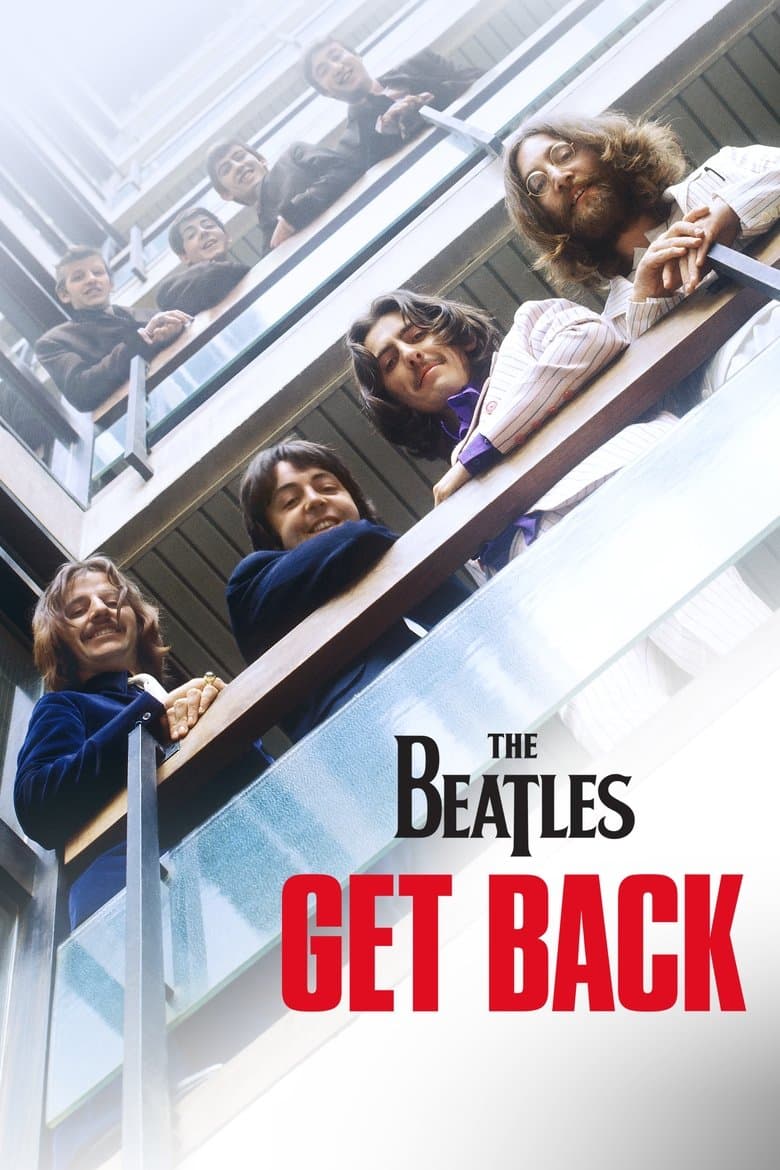
TV Show · 2021
The three-part documentary series, compiled from over 60 hours of unseen footage, captures the warmth, camaraderie, and creative genius that defined the legacy of music's most…

TV Show · 2019
Using highly advanced colourisation techniques, critical moments from World War II, from Stalingrad to The Battle of Britain, are shown in a whole new light.
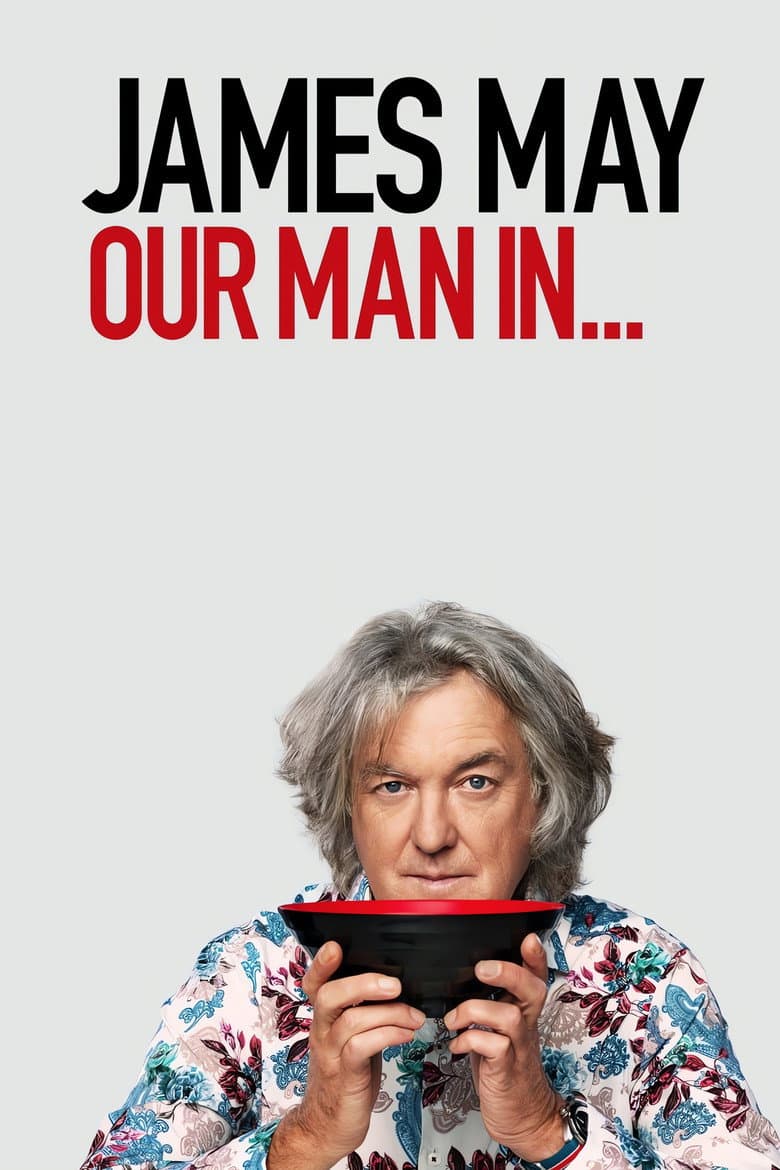
TV Show · 2020
James May embarks on a remarkable journey across Japan, from its icy north to its balmy south. He’ll see the sights, meet the locals, and eat the noodles in a bid to truly…
