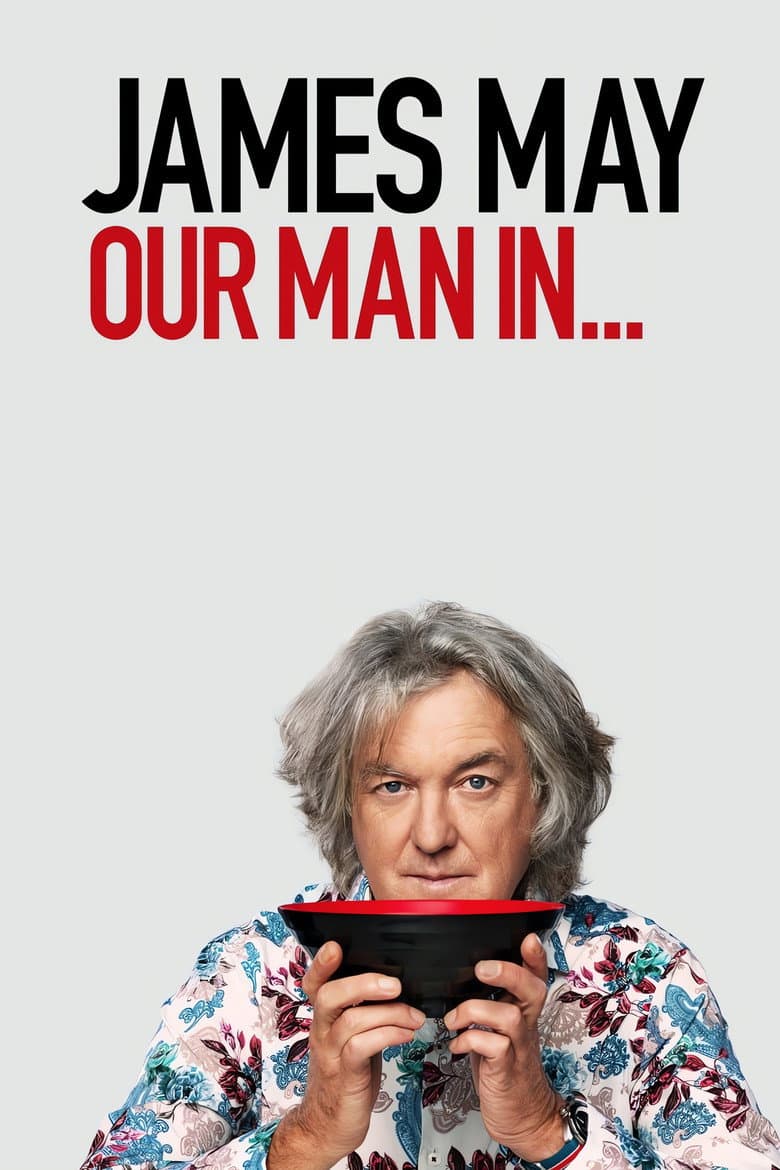
Started January 3, 2020 · Canceled · Based on 3 seasons, 15 episodes through January 5, 2024 · TV-14 · 50 min
James May hosts a travel documentary that follows him across Japan, Italy, and India. He starts at one end of each country and travels toward the other end while meeting local people, trying local food, and taking part in unusual activities. His main conflict is trying to understand each place while he struggles with its language, customs, food, and physical challenges. Local guides and the film crew help him along the way. May is curious but often confused, and the show uses dry jokes, failed attempts, and crew banter to keep the trip light.
The clearest identity and political material appears in the India season. Aditi Mittal jokes with May about Britain’s rule in India, and May accepts that the past should be mentioned. One short scene praises Hindus, Muslims, and Sikhs sharing food and festivals. Japan and Italy focus much more on history, food, craft, religion, travel, machines, and comedy. These ideas add a mild modern identity message, but they do not drive the series.
Community feedback
Was our 13% Woke rating accurate?
Breakdown
These are the editorial factors and ratings behind our score for James May: Our Man in….
Woke representation / casting
Not present. The show uses James May as the British host and local guides in Japan, Italy, and India. Those choices fit a travel show set in those countries, and no diversity-first casting message is part of the show.
0%
Woke political dialogue
Aditi Mittal brings up Britain’s rule in India and the shame some British people feel about it. James May says the subject should be acknowledged, but he also says the series is not meant to focus on it. The exchange appears in the India season and does not drive the Japan or Italy seasons. The rest of the dialogue centers on food, travel, religion, work, and local customs.
18%
Identity-driven story themes
India episode one briefly links modern Indian identity to breaking away from colonial rule. Aditi uses Britain’s past to tease May, and the show treats the exchange as part of meeting India today. Another short scene praises Hindus, Muslims, and Sikhs sharing food and festivals. These ideas add a mild identity and unity message, but they do not shape the full series.
14%
Western institutional / cultural critique
Not present. The show does not repeatedly attack Western institutions, family life, religion, or traditional social rules. Its brief colonial comments are historical discussion, not a repeated attack on present-day Western culture.
0%
Woke character or canon changes
Not relevant. The series is an unscripted travel show with no established fictional characters or source-story canon. The local guides and activities are ordinary parts of the travel format.
0%
Anti-woke backlash and complaints
Not present. The separate X pass found no anti-woke reaction or named complaints. Web discussion mostly praised the humor or complained that the India season had only three episodes, which is not an anti-woke complaint.
0%
Creator track record context
Not present. The cached summaries give Tom Whitter, James May, and Henry Dalton a score of 0. They show no high-confidence pattern of activist, DEI, identity-driven, or politically progressive creative work.
0%
Production
TV Show · 2020
Ottoman Sultan Mehmed II wages an epic campaign to take the Byzantine capital of Constantinople and shapes the course of history for centuries.

TV Show · 2022
A spy, an assassin and a telepath come together to pose as a family, each for their own reasons, while hiding their true identities from each other.

TV Show · 2016
Lone-wolf detective Angie Tribeca and a squad of committed LAPD detectives investigate the most serious cases, from the murder of a ventriloquist to a rash of baker suicides.
TV Show · 2019
In this gritty and sometimes bloody tale, sixteen year-old Wayne sets out on a dirt bike with his new crush Del to take back the 1978 Pontiac Trans Am that was stolen from his…

TV Show · 2023
Through vividly enhanced archival footage and voices from all sides of the conflict, this docuseries brings WWII to life like never before.
TV Show · 2016
Shigeo Kageyama, a.k.a. "Mob," is a boy who has trouble expressing himself, but who happens to be a powerful esper.
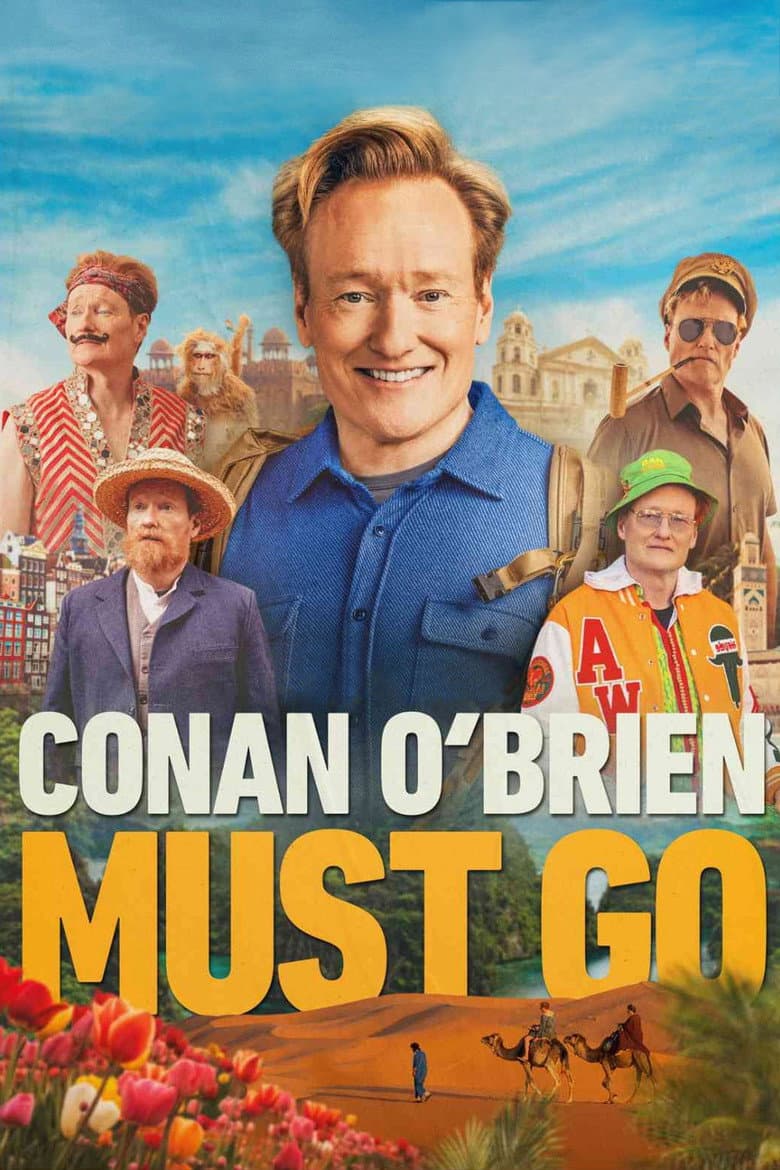
TV Show · 2024
Conan O'Brien visits new friends he met through his podcast, "Conan O'Brien Needs a Fan," where he dives deep with listeners from across the country and the world.
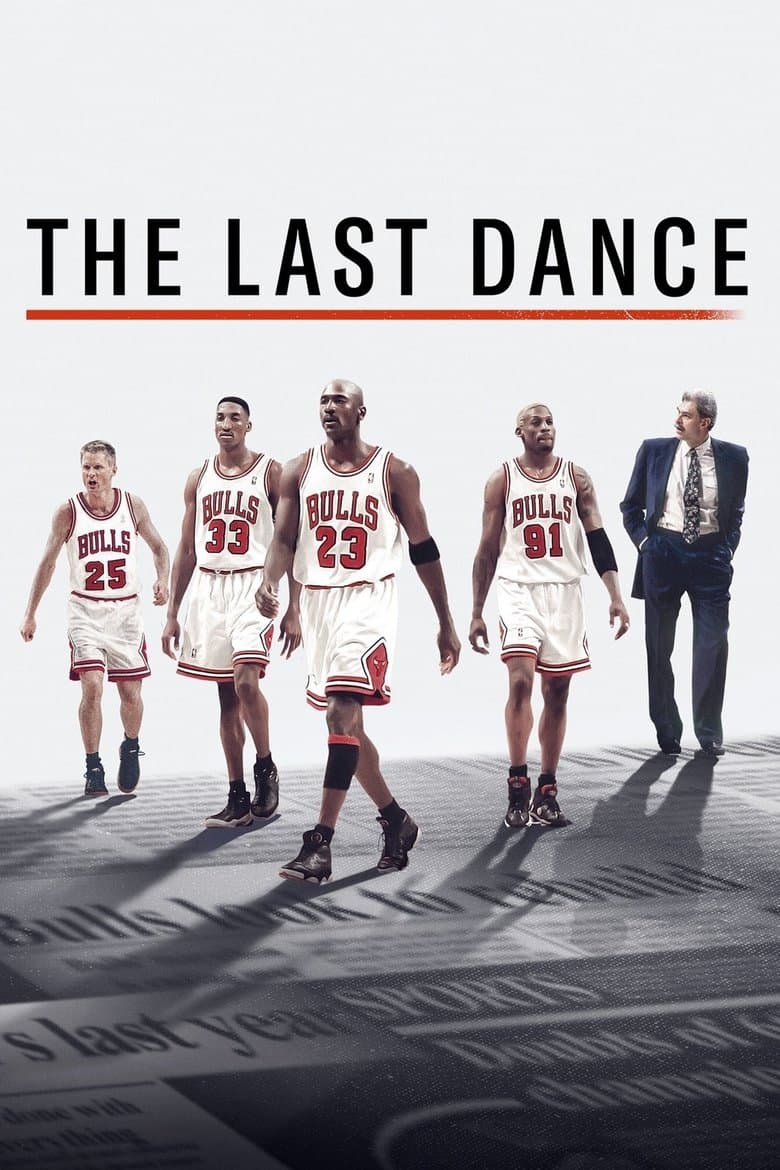
TV Show · 2020
A 10-part documentary chronicling the untold story of Michael Jordan and the Chicago Bulls dynasty with rare, never-before-seen footage and sound from the 1997-98 championship…
