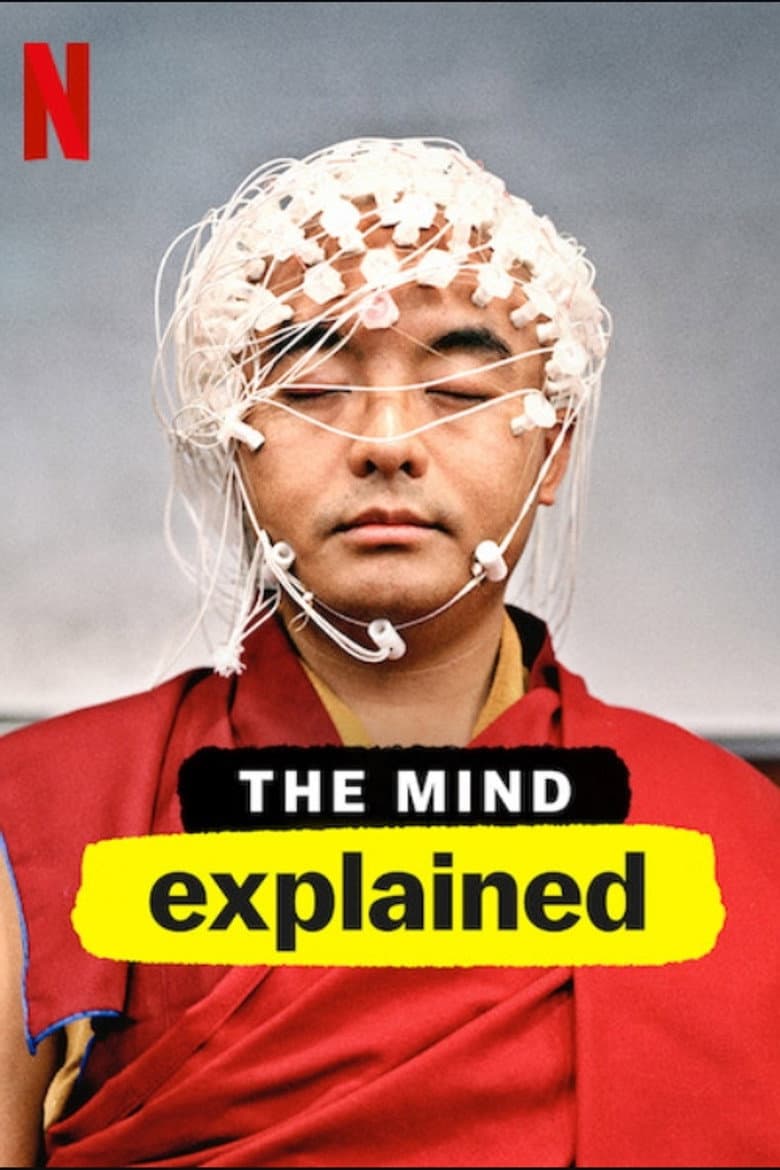
Started September 12, 2019 · Ended · Based on 2 seasons, 10 episodes through November 19, 2021 · TV-14 · 214 min
The show has no fictional main character. Emma Stone narrates season one, and Julianne Moore narrates season two as they guide viewers through short lessons about the human brain. The setting is a modern documentary made from expert interviews, real people, animation, and old footage. The conflict is the gap between what the mind seems to do and what science can explain, and the tone stays bright, curious, and easy to follow.
Most episodes study memory, dreams, anxiety, meditation, drugs, focus, personality, creativity, and belief change. The clearest woke material appears in season two's Teenage Brain episode, which presents Greta Thunberg and drag performer Desmond Napoles among its teen examples. The episode gives visible space to public activism and gender expression, while the Brainwashing episode examines QAnon and other political extremists. These points are easy to notice but remain short parts of a science series, not its main story.
Community feedback
Was our 43% Woke rating accurate?
Breakdown
These are the editorial factors and ratings behind our score for The Mind, Explained.
Woke representation / casting
Season 2 puts Greta Thunberg and drag performer Desmond Napoles on screen as named teen examples. The program also uses a visibly mixed group of experts, but that mix fits a modern science documentary. Those choices add visible identity signaling in one episode. The show does not carry the same pattern through both seasons.
24%
Woke political dialogue
Season 2's Brainwashing episode discusses QAnon, political extremists, and the way online groups change beliefs. The episode uses former QAnon followers, a former neo-Nazi, and archive clips of Tucker Carlson and Anthony Fauci. The show treats these examples as problems of persuasion and group pressure. The political material is concentrated in one of ten episodes, so it is clear but limited.
28%
Identity-driven story themes
Teenage Brain connects brain development with peer pressure, risk taking, protest, and public identity. The episode features Greta Thunberg and drag performer Desmond Napoles as examples of notable teenagers. The episode gives visible space to activism and gender expression. The identity material is meaningful in one episode but does not control the whole ten-episode run.
30%
Western institutional / cultural critique
Not present. The series does not repeatedly attack Western institutions, Christianity, family roles, or traditional gender rules. It discusses social media, productivity culture, and conspiracy groups as science topics.
0%
Woke character or canon changes
Not relevant. The series is a documentary and does not change established fictional characters, canon, or historical figures.
0%
Anti-woke backlash and complaints
One IMDb user review called Teenage Brain woke propaganda and cited Greta Thunberg, trans issues, protest marches, and rights activism. A Filmweb user also called the series very woke and objected to the Desmond Napoles segment. These complaints directly frame the title as pushing activist and identity politics. The evidence comes from a small number of audience posts, with no major news controversy found.
30%
Creator track record context
Ezra Klein and Claire Gordon have cached woke scores of 72 and 75 because their work often centers progressive policy and feminist advocacy. Ora DeKornfeld has a cached score of 35 from work on migration and abortion issues. Mac Schneider has a mainstream liberal record, and Marie Cascione has no known activist profile. This gives the project a clear progressive background, but the episodes focus mainly on science.
55%
Production

TV Show · 2019
Using highly advanced colourisation techniques, critical moments from World War II, from Stalingrad to The Battle of Britain, are shown in a whole new light.
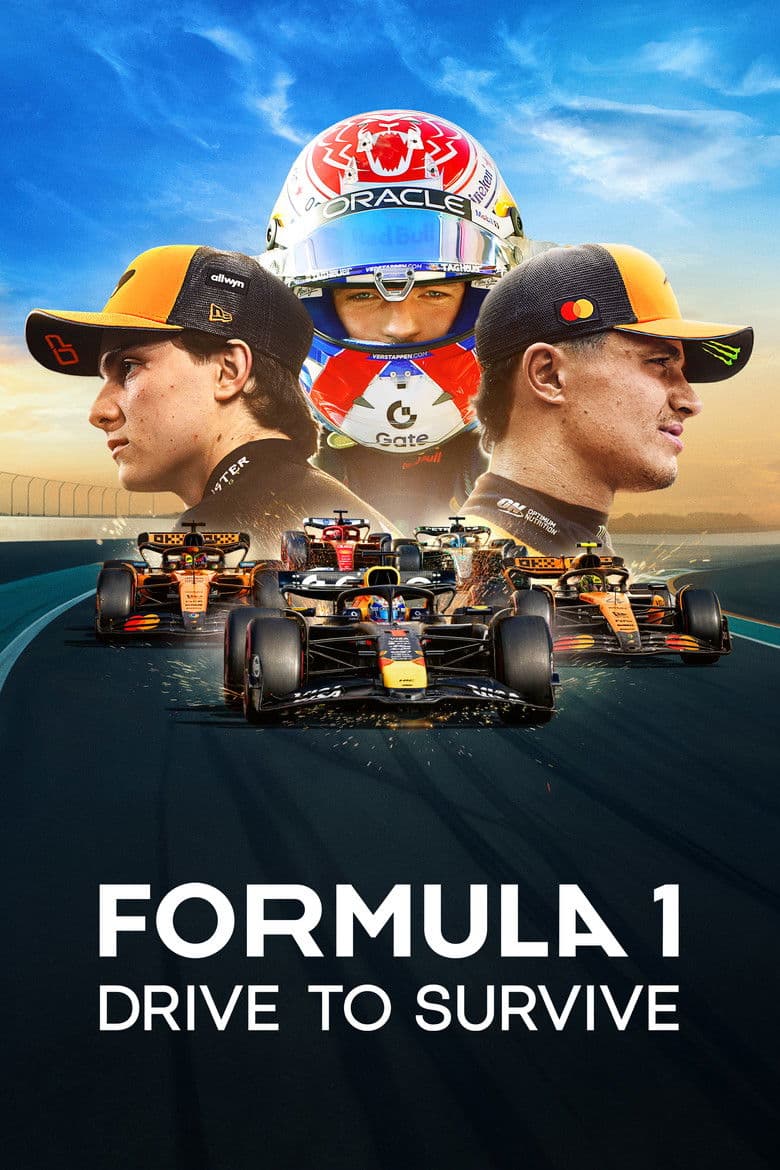
TV Show · 2019
Drivers, managers and team owners live life in the fast lane — both on and off the track — during each cutthroat season of Formula 1 racing.
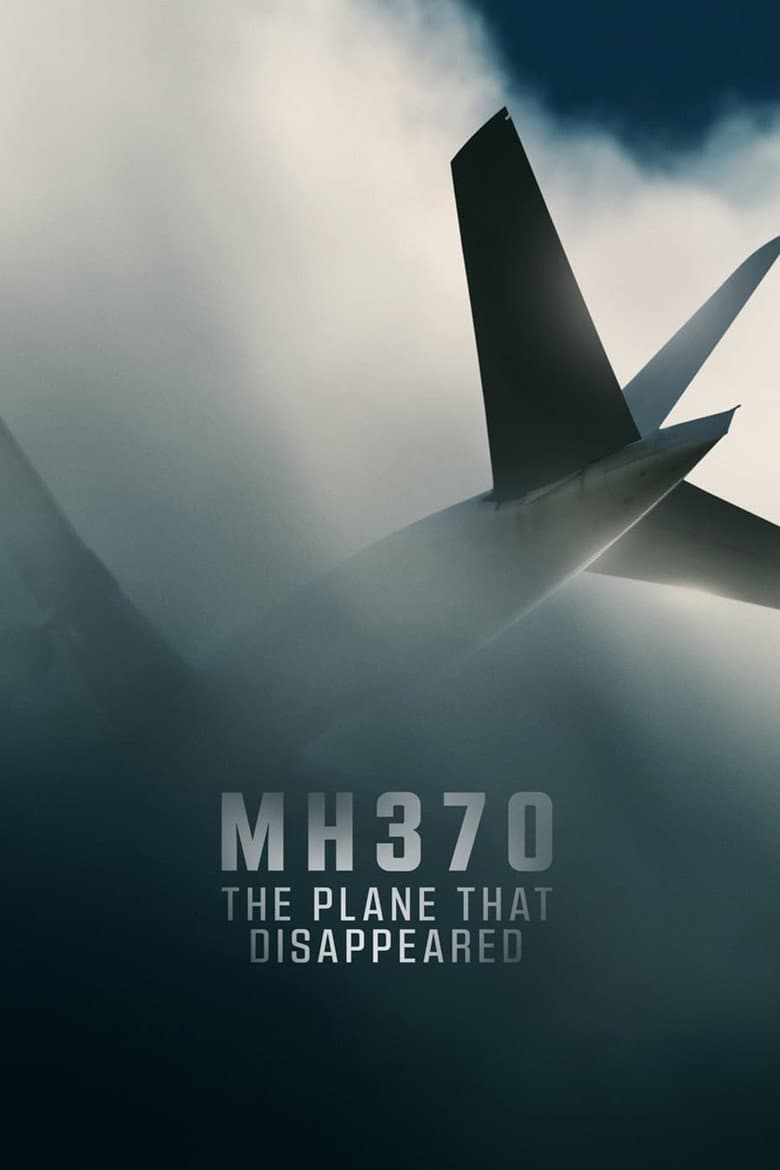
TV Show · 2023
In 2014, a plane with 239 people aboard vanishes from all radar. This docuseries delves into one of our greatest modern mysteries: Flight MH370.
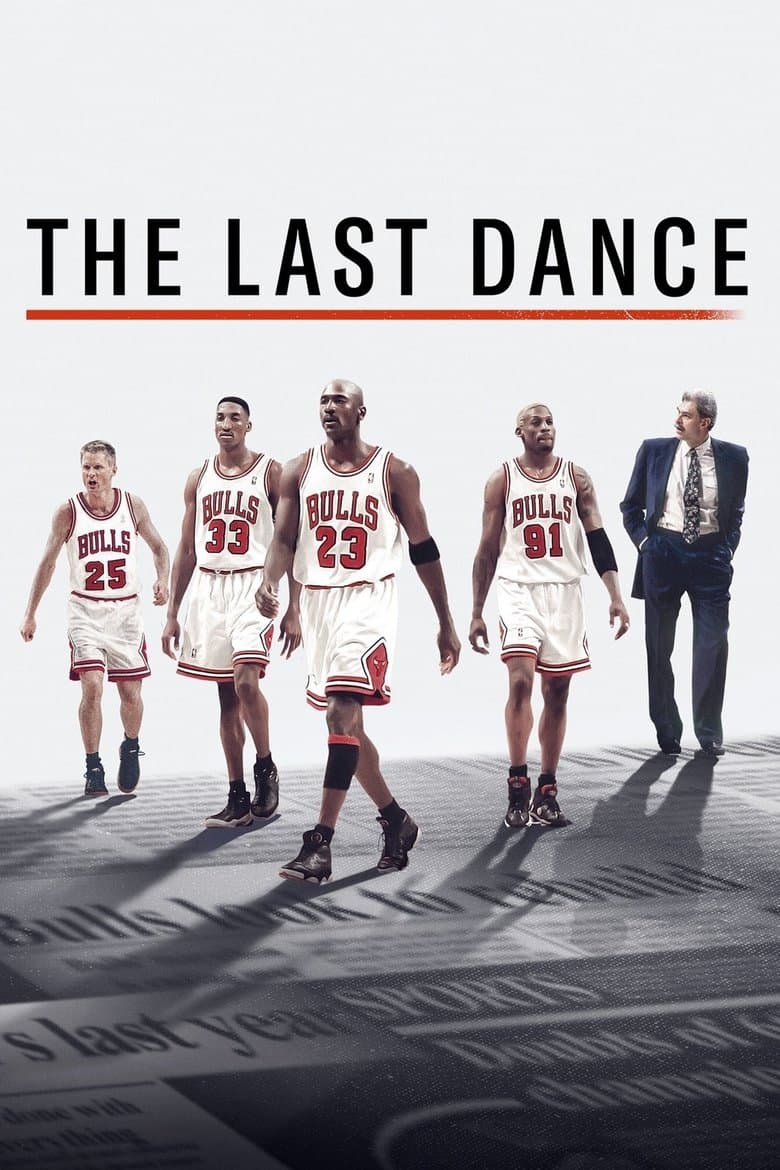
TV Show · 2020
A 10-part documentary chronicling the untold story of Michael Jordan and the Chicago Bulls dynasty with rare, never-before-seen footage and sound from the 1997-98 championship…

TV Show · 2020
A fly-on-the-wall inside look at the goings-on of Tottenham Hotspur during the 2019-20 football season.
TV Show · 2016
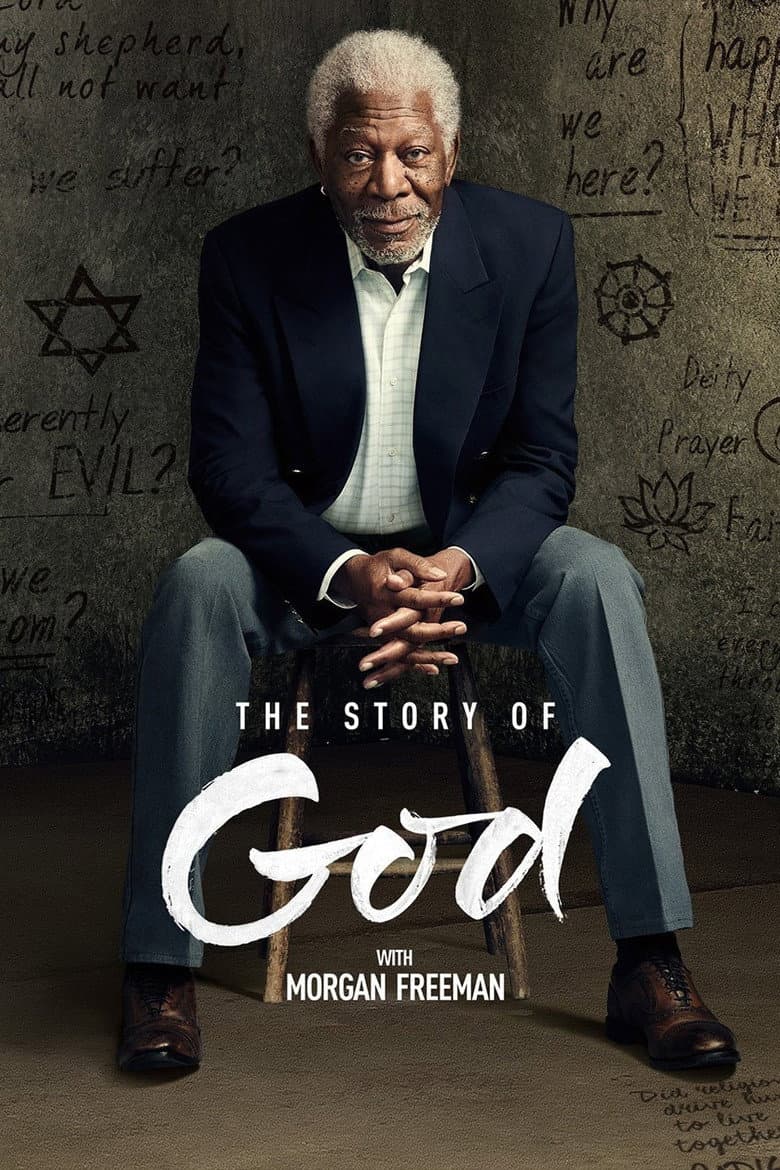
Morgan Freeman presents his quest in order to find how most religions perceive life after death, what different civilizations thought about the act of creation and other big…

TV Show · 2021
Dynamic reenactments and expert commentaries bring to life the tumultuous history and power struggles of a warring 16th-century feudal Japan.

TV Show · 2023
Through vividly enhanced archival footage and voices from all sides of the conflict, this docuseries brings WWII to life like never before.
