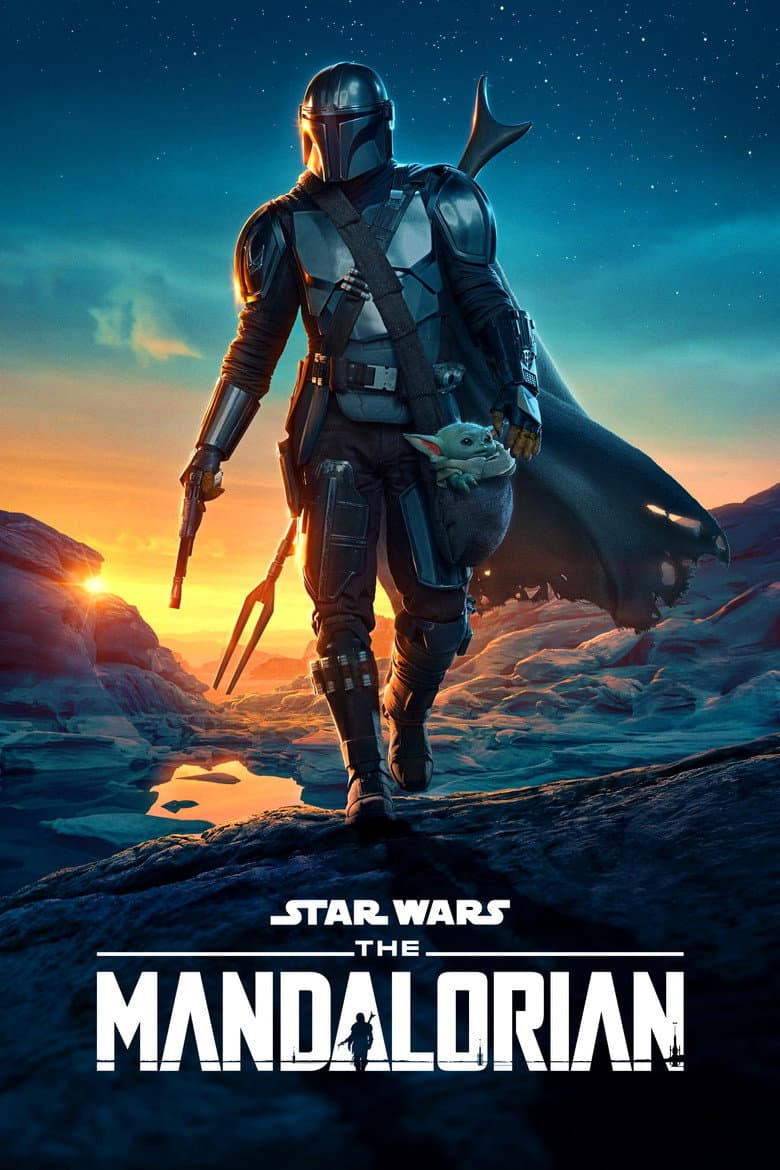
Started November 12, 2019 · Ended · Based on 3 seasons, 24 episodes through April 19, 2023 · TV-14
After the Empire falls, Din Djarin works as a bounty hunter in the outer parts of the galaxy. He takes a job to capture Grogu, a small child who can use the Force, but he chooses to protect him instead. Din travels through dangerous worlds while trying to keep Grogu safe and follow the strict rules of his Mandalorian clan. The show uses western and samurai ideas, with hard fights, strange planets, dry humor, and a growing father-and-son bond.
The show gives several important action and command roles to women. Cara Dune, Fennec Shand, Ahsoka Tano, the Armorer, and Bo-Katan are skilled fighters or leaders, and Bo-Katan becomes a main leader in season three. The season also talks about how people choose their group identity and how rival Mandalorian groups can share one creed. These choices are visible, but the story stays focused on family, honor, redemption, loyalty, and rebuilding Mandalore.
Community feedback
Was our 36% Woke rating accurate?
Breakdown
These are the editorial factors and ratings behind our score for The Mandalorian.
Woke representation / casting
The show puts actors from different backgrounds in important, highly capable roles. Ming-Na Wen plays elite assassin Fennec Shand, Rosario Dawson plays Jedi Ahsoka, Carl Weathers and Giancarlo Esposito play major leaders, and Mercedes Varnado plays a Mandalorian fighter. Season 3 also makes Katee Sackhoff’s Bo-Katan a central ruler and war leader. The repeated pattern of women and nonwhite actors in major action roles is visible, even though the story does not call it a political lesson.
35%
Woke political dialogue
Not present. Dialogue stays centered on bounty codes, Mandalorian creed, loyalty, and personal redemption with no modern political lectures or activist framing.
0%
Identity-driven story themes
Season 3 explores how Mandalorians define who belongs to their people. Rick Famuyiwa described the season as being about identity and choosing how to identify with a creed. Bo-Katan and Din work across rival groups with different rules about helmets and tradition. The story uses cultural belonging and personal choice, but it does not turn those ideas into modern race, gender, or queer politics.
18%
Western institutional / cultural critique
Not present. Empire remnants are portrayed as tyrannical in classic sci-fi terms; no reframing into contemporary critiques of capitalism, patriarchy, or Western institutions.
0%
Woke character or canon changes
Not present in this title.
0%
Anti-woke backlash and complaints
Right-leaning fans often praised seasons 1 and 2 as the less political or “good Star Wars.” Some later posts called season 3 woke because Bo-Katan became a central leader, Din was sidelined, and the season was said to push an agenda. Gina Carano’s firing became a large cancel-culture fight about Disney and Lucasfilm, even though it was not proof that the scripts were DEI propaganda. The complaints were noticeable but scattered, and much season 3 anger was about weak writing and celebrity cameos.
38%
Creator track record context
Jon Favreau and Dave Filoni mainly make classic adventure, family, and myth-based stories, with little public activist focus. Kathleen Kennedy has publicly pushed more diversity and more female directors across Lucasfilm. Rick Famuyiwa has spoken about diverse voices and described season 3 as a story about identity and different groups sharing one creed. This mixed background adds some concern, but it does not turn the show into activist drama.
34%
Production
TV Show · 2021
Legendary bounty hunter Boba Fett and mercenary Fennec Shand must navigate the galaxy’s underworld when they return to the sands of Tatooine to stake their claim on the territory…
TV Show · 2024
They say whatever doesn’t kill you makes you stronger, but that’s not the case for the world’s weakest hunter Sung Jinwoo.
TV Show · 2021
Two siblings - an idealistic teenage boy and his naive younger sister - are forced to pilot an abandoned Jaeger across a hostile landscape in a desperate attempt to find their…
TV Show · 2022
After losing his home to a powerful enemy, a hot-tempered fighter trains under his zealous grandfather while awaiting his chance for revenge.
TV Show · 2019
After a demon attack leaves his family slain and his sister cursed, Tanjiro embarks upon a perilous journey to find a cure and avenge those he's lost.
TV Show · 2019
A grim drama that unfolds against the backdrop of a global catastrophe. An unknown new virus turns Moscow into a city of the dead.
TV Show · 2021
When a 34-year-old underachiever gets run over by a truck, his story doesn't end there. Reincarnated in a new world as an infant, Rudy will seize every opportunity to live the…
TV Show · 2017
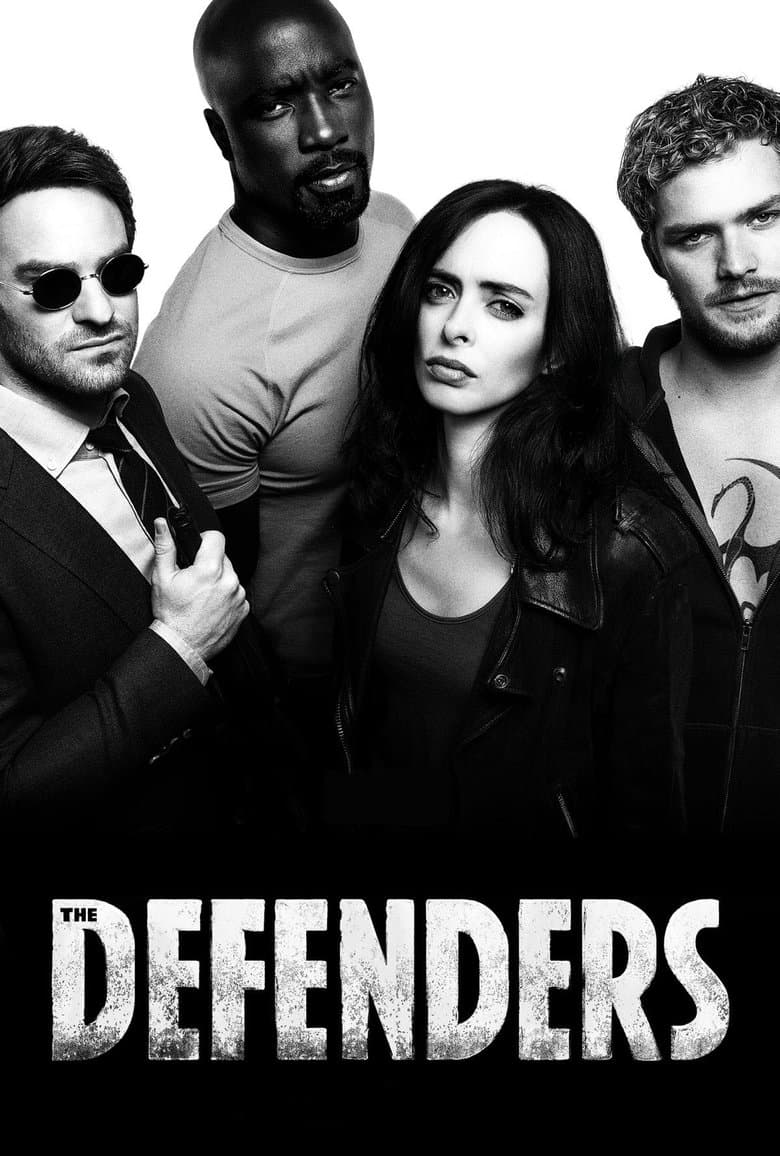
Daredevil, Jessica Jones, Luke Cage and Iron Fist join forces to take on common enemies as a sinister conspiracy threatens New York City.
