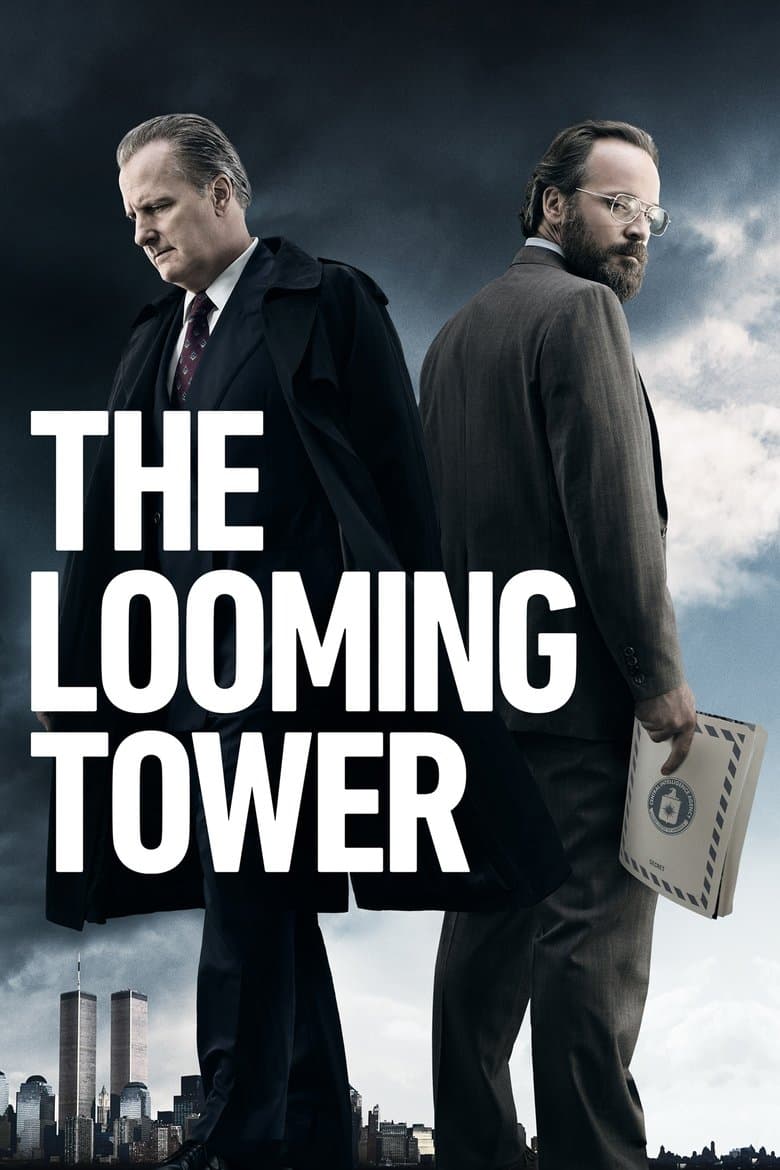
Started February 28, 2018 · Ended · Based on 1 season, 10 episodes through April 18, 2018 · TV-MA · 50 min
The Looming Tower follows FBI counterterrorism chief John O’Neill and rookie agent Ali Soufan as they hunt Osama bin Laden and al-Qaeda from 1998 to 2001. The FBI wants to build cases and make arrests, while the CIA pushes secret strikes and keeps key facts close. The story moves through embassy bombings in Africa, the USS Cole attack, and the warnings that came before 9/11. The tone is tense, grim, and focused on how pride and poor teamwork can turn danger into disaster.
The clearest identity-driven thread comes from Soufan, a Lebanese-American Muslim agent who fights terrorists while defending the difference between Islam and al-Qaeda’s violent beliefs. His faith grows more visible as he works, and his Arabic interrogation of Abu Jandal becomes a major final test. The show gives him a heroic place in a story led mostly by white male officials, while a few women work as skilled CIA and FBI agents. Its larger political message attacks secrecy, agency rivalry, failed leaders, and bombing plans that can kill civilians, but it does not build its story around modern diversity slogans or queer themes.
Community feedback
Was our 41% Woke rating accurate?
Breakdown
These are the editorial factors and ratings behind our score for The Looming Tower.
Woke representation / casting
Tahar Rahim’s interviews highlight that Ali Soufan is a Muslim American hero rather than a terrorist. The show gives a Muslim actor a central FBI role and makes Soufan’s faith visible. Soufan is based on a real person, so the casting fits the story and does not look like a broad quota-style cast.
14%
Woke political dialogue
John O’Neill repeatedly attacks the CIA for hiding information and treating terrorism as a war. Richard Clarke and Ali Soufan argue that officials ignored warnings and put agency pride above public safety. The show also questions bombing plans that risk civilian deaths. This political talk recurs across the season, but it stays tied to the 1990s events.
25%
Identity-driven story themes
Ali Soufan’s Muslim and Lebanese-American identity shapes his work across the season. The story shows him reject terrorists who twist Islam to support murder. His growing return to prayer and his Arabic interrogation of Abu Jandal form a major part of his arc. The show uses his faith as a moral bridge between American law enforcement and Muslim communities.
46%
Western institutional / cultural critique
The FBI and CIA are shown as proud, secretive institutions whose rivalry helps cause mass death. The series blames turf fights, missed warnings, and leaders who protect their own power. It also shows officials accepting civilian deaths during failed bombing plans. The critique is strong and repeated, but it targets a documented security failure rather than capitalism, patriarchy, Christianity, or current identity politics.
34%
Woke character or canon changes
Not relevant. The show creates composite characters and compresses events, but those changes serve the adaptation and are not framed as identity or DEI changes.
0%
Anti-woke backlash and complaints
Not present. Coverage focused on factual accuracy, the CIA’s objections, and the show’s pace. No clear right-leaning backlash accused the series of pushing woke, DEI, or identity-politics messages.
0%
Creator track record context
Lawrence Wright has argued against treating the West as at war with Islam and has highlighted Muslim-American service. Alex Gibney often investigates government, corporate, and other powerful institutions. Dan Futterman has no high-confidence activist or DEI pattern. The team adds a mild institutional-critique and Muslim-context signal, not a strong identity-politics record.
19%
Production
TV Show · 2019
In the early 1990s in New York, during the height of the crack cocaine epidemic, a visionary musician named Bobby Diggs aka The RZA begins to form a super group of a dozen young…
TV Show · 2019
In the 1960s, Israeli clerk-turned-secret agent Eli Cohen goes deep undercover inside Syria on a perilous, years-long mission to spy for Mossad.
TV Show · 2019
The true story of one of the worst man-made catastrophes in history: the catastrophic nuclear accident at Chernobyl.
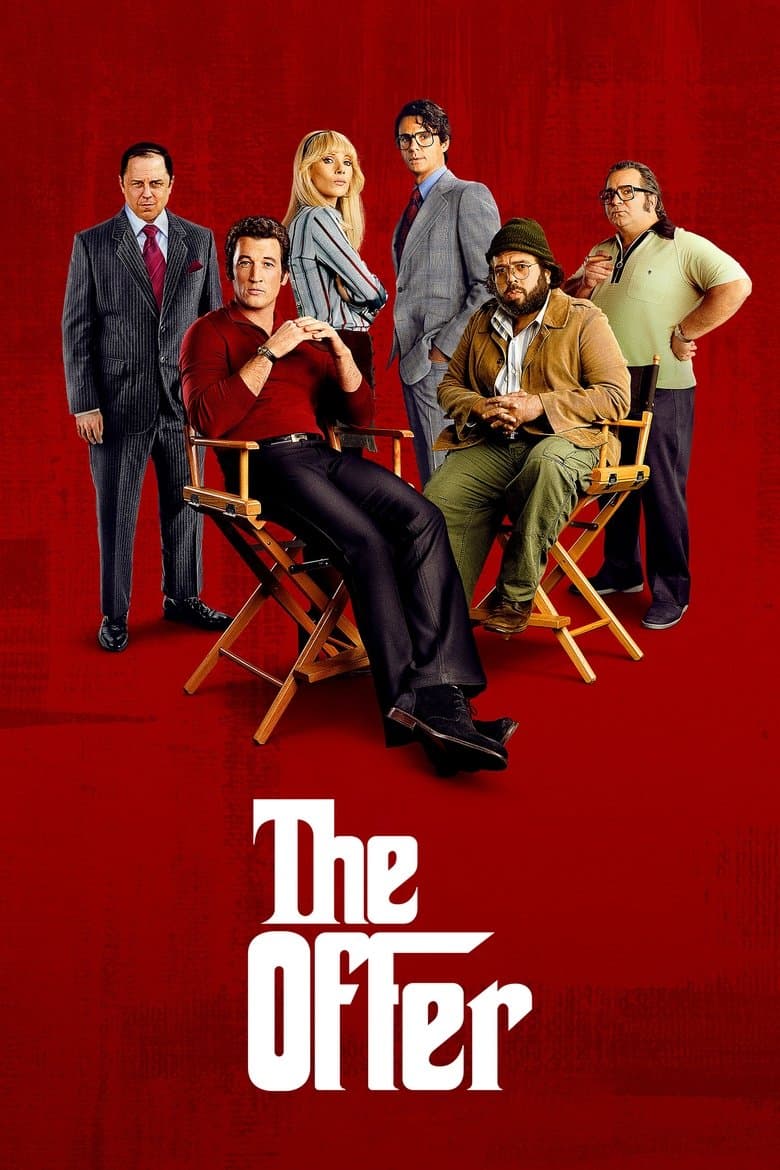
TV Show · 2022
Oscar-winning producer Al Ruddy’s never before revealed experiences of making the iconic 1972 film The Godfather that Francis Ford Coppola directed and adapted with Mario Puzo.
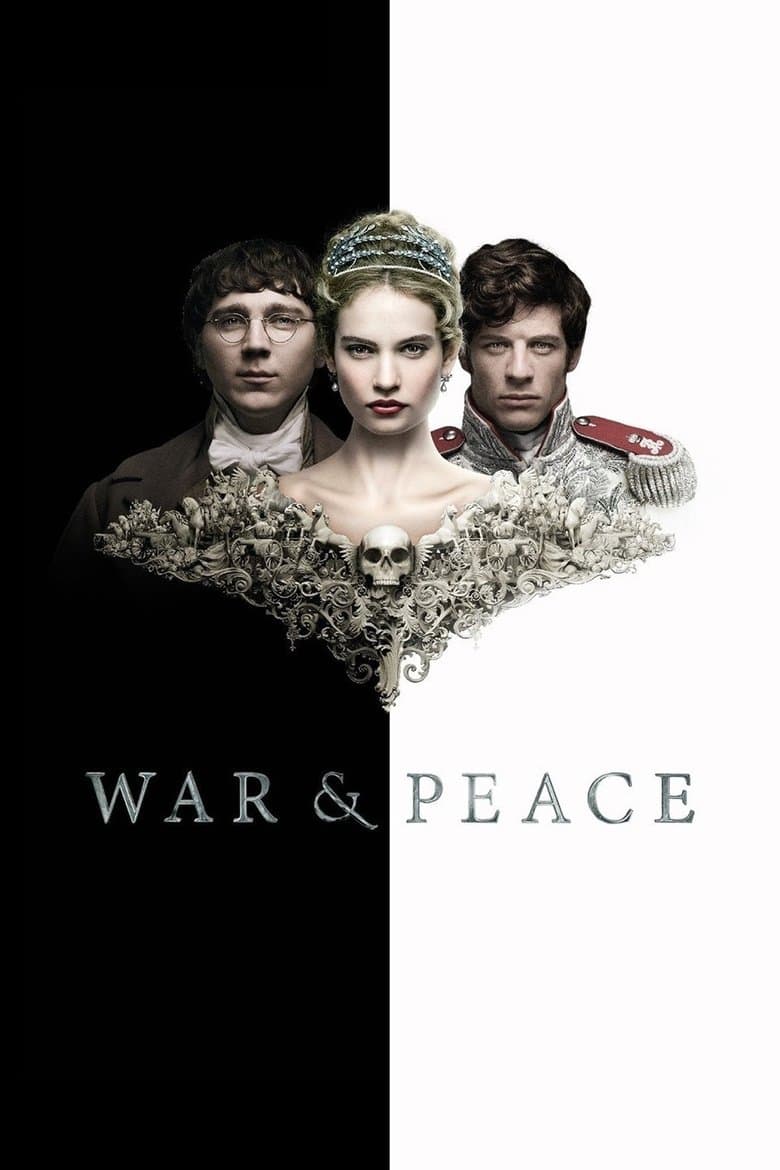
TV Show · 2016
The love story of young Countess Natasha Rostova and Count Pierre Bezukhov is interwoven with the Great Patriotic War of 1812 against Napoleon's invading army.
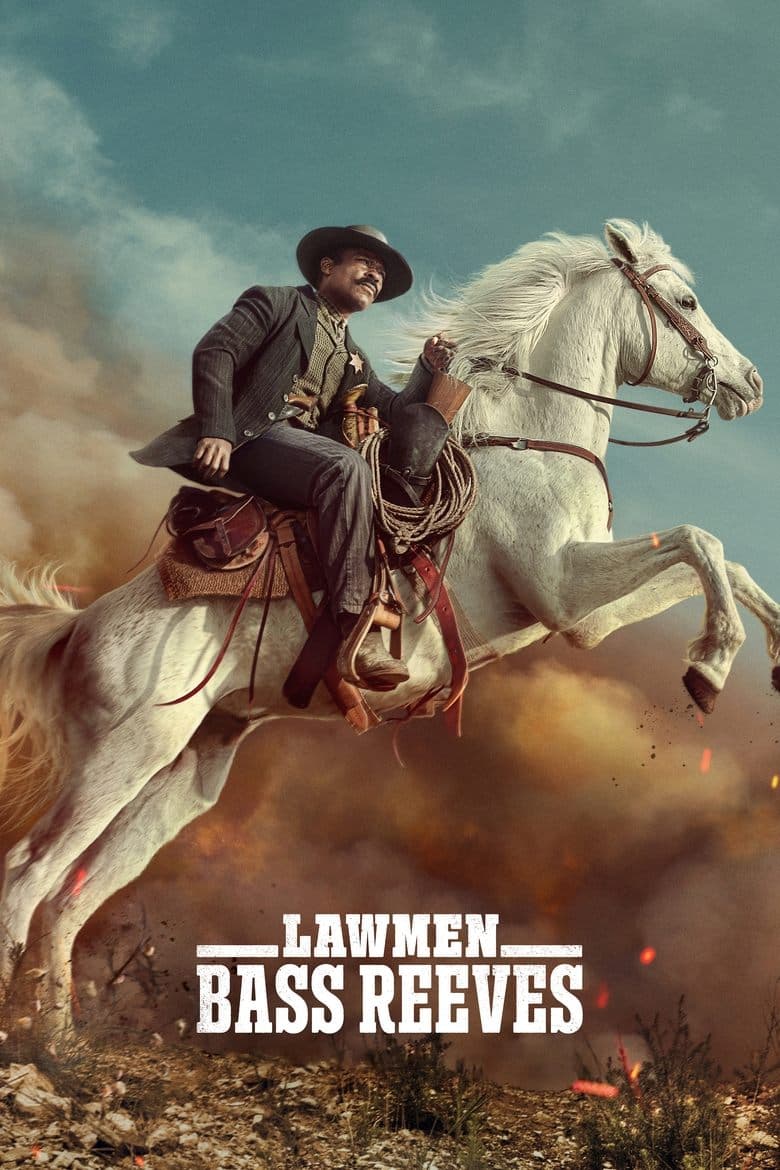
TV Show · 2023
The story of Bass Reeves, the legendary lawman of the wild West, is brought to life. Reeves worked in the post-Reconstruction era as a federal peace officer in the Indian…

TV Show · 2022
This sweeping saga chronicles the hopes and dreams of a Korean immigrant family across four generations as they leave their homeland in an indomitable quest to survive and thrive.
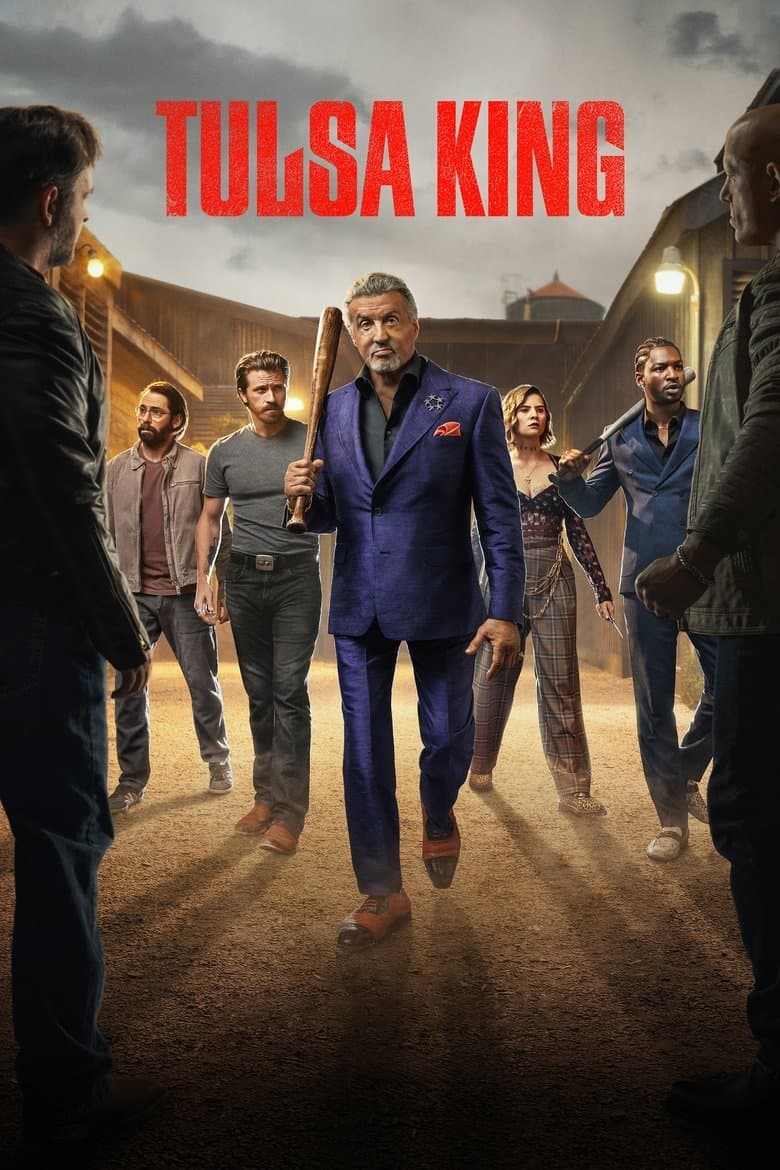
TV Show · 2022
New York mafia capo Dwight "The General" Manfredi is released from prison after 25 years and exiled by his boss to set up shop in Tulsa, Oklahoma.
