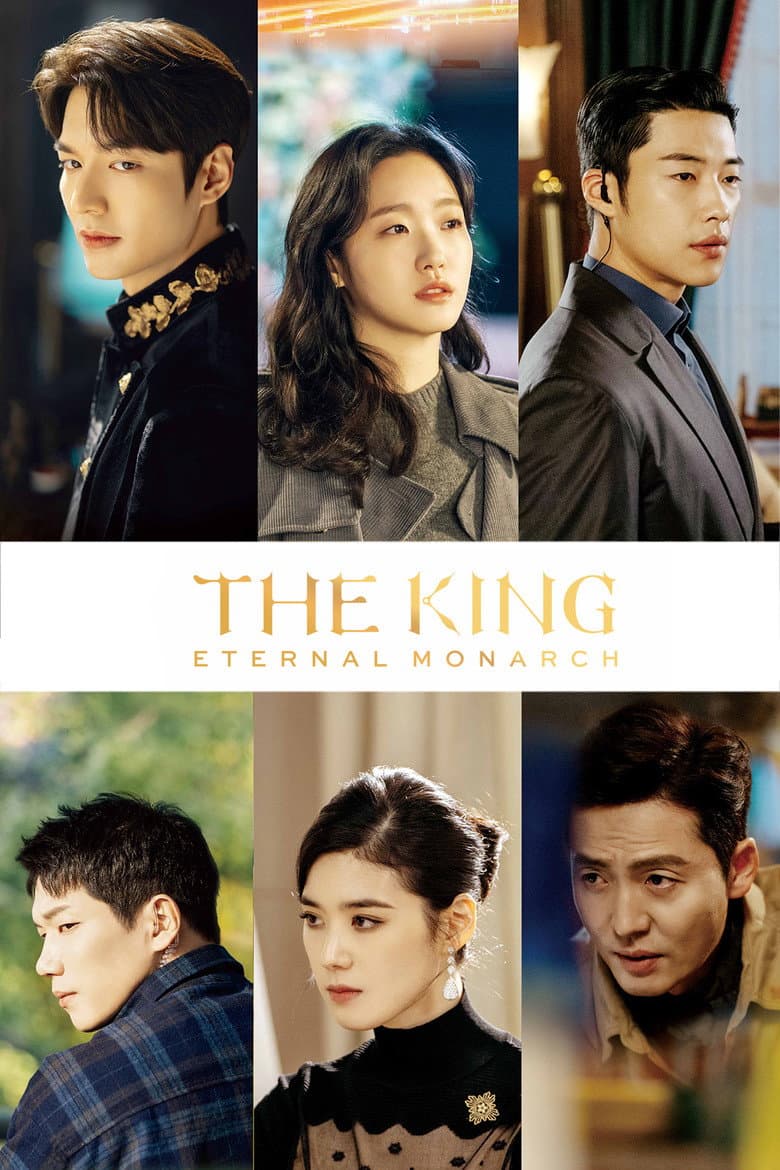
Started April 17, 2020 · Ended · Based on 1 season, 16 episodes through June 12, 2020 · TV-14 · 72 min · Korean
Lee Gon is the young emperor of the Kingdom of Corea, a modern country that kept its monarchy. After his uncle Lee Lim kills the king and escapes through a magic flute, Gon enters a parallel Republic of Korea. He meets Jung Tae Eul, a police detective who owns the badge he found as a child. They join forces to stop Lee Lim, protect both worlds, and understand why their lives are linked. The show mixes romance, mystery, time travel, action, and fantasy.
The clearest identity-focused part is Tae Eul’s role as a skilled, blunt, and physically active female detective. The story also gives Corea its first female prime minister, Koo Seo Ryeong, but it presents her as ambitious and jealous within the palace drama. Tae Eul and Gon form a romance between a police officer and a ruler, and Tae Eul often makes her own choices instead of waiting to be rescued. The season’s main themes are love across worlds, family duty, free will, and the danger of one man using power for himself.
Community feedback
Was our 20% Woke rating accurate?
Breakdown
These are the editorial factors and ratings behind our score for The King: Eternal Monarch.
Woke representation / casting
The show places a female police inspector at the center of the story. It also gives the Kingdom of Corea a young first female prime minister as a major supporting character. Both roles fit a modern Korean setting, and public material treats them as story roles rather than a broad diversity campaign.
17%
Woke political dialogue
Not present. The dialogue centers on love, crime, science, royal duty, and time travel. The gender-related jokes about the prime minister and a boat race were criticized as stereotypes, not used as activist or identity-political speeches.
0%
Identity-driven story themes
The show repeatedly makes Tae Eul a capable police inspector who investigates, fights, and acts on her own judgment. The story also gives a major political role to Koo Seo-ryeong, the first female prime minister of Corea. The romance lets Tae Eul stand beside a king as a partner, but the season remains mainly a time-travel mystery and fantasy romance.
26%
Western institutional / cultural critique
Not present. Lee Lim’s abuse of the throne is a fantasy power struggle, and the show does not turn it into a modern attack on family, religion, capitalism, or Western institutions. The contrast between a monarchy and a republic mainly builds the two-world setting.
0%
Woke character or canon changes
Not relevant. The show is an original fantasy story with invented characters and worlds. It does not change a known character, real historical figure, or established source story for an identity-based reason.
0%
Anti-woke backlash and complaints
Not present. Public complaints focused on confusing time travel, heavy product placement, Korean historical details, Japanese-looking design, and gender stereotypes. No substantial complaint said the show was pushing woke, DEI, queer, or left-wing politics.
0%
Creator track record context
Kim Eun-sook brings a mild social-issue context through stories about female agency, class, trauma, and justice. Her public record also includes civic activity, but it does not show a strong DEI or activist persona. The three directors and two producers have mainly mainstream commercial Korean television records.
15%
Production

TV Show · 2016
In his quest for a bride to break his immortal curse, a 939-year-old guardian of souls meets a grim reaper and a sprightly student with a tragic past.

TV Show · 2023
At the brink of going to hell, Yee-jae must cycle through twelve separate lives and twelve separate deaths in this reincarnation drama.
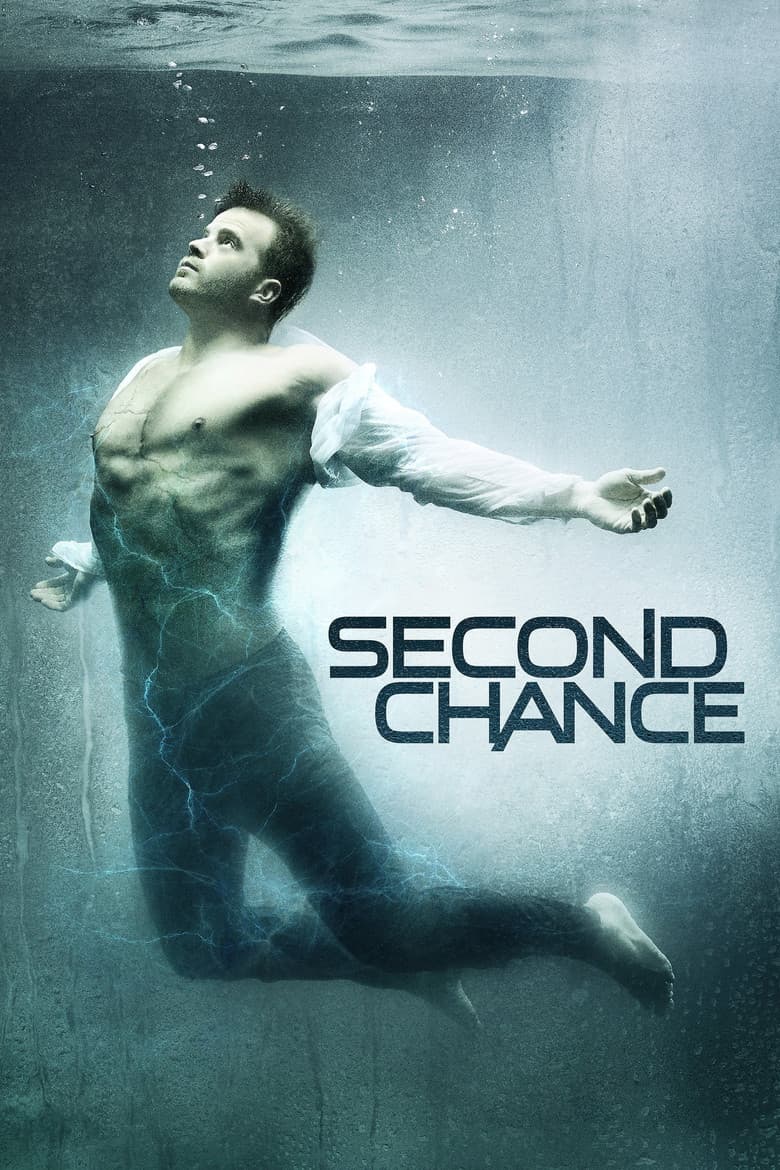
TV Show · 2016
A disgraced, 75-year-old ex-sheriff, whose life ends at the hands of corrupt cops, is brought back to life and given a second chance by a pair of young tech scientists, as a…
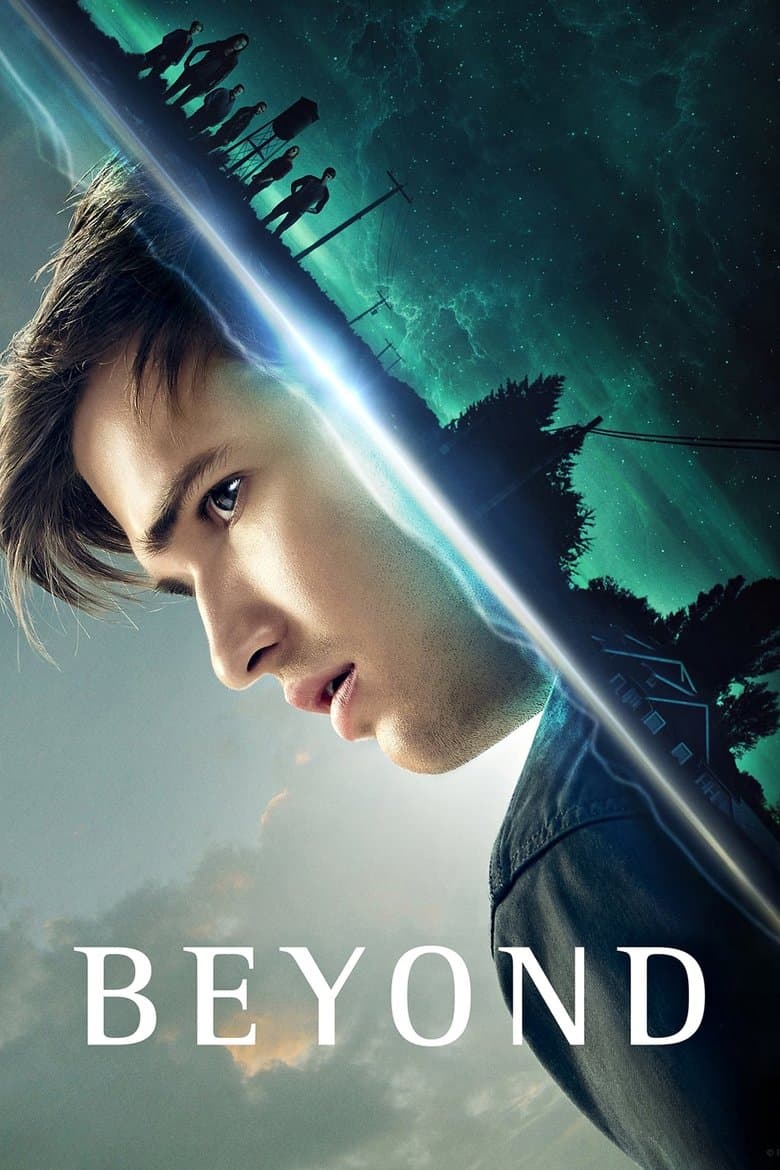
TV Show · 2017
Holden wakes up from a coma after 12 years and discovers new abilities that propel him into the middle of a dangerous conspiracy.

TV Show · 2022
Irene and Franklin York, a retired couple, have a secret: a Chamber buried in their backyard that miraculously leads to a strange, deserted planet.
TV Show · 2021
Interconnected phone conversations chronicle the mysterious story of a group of strangers whose lives are thrown into disarray in the lead-up to an apocalyptic event.
TV Show · 2022
A powerful sorceress in a blind woman's body encounters a man from a prestigious family, who wants her help to change his destiny.
TV Show · 2016
In the near future a family must make difficult decisions as they balance staying together with trying to survive.
