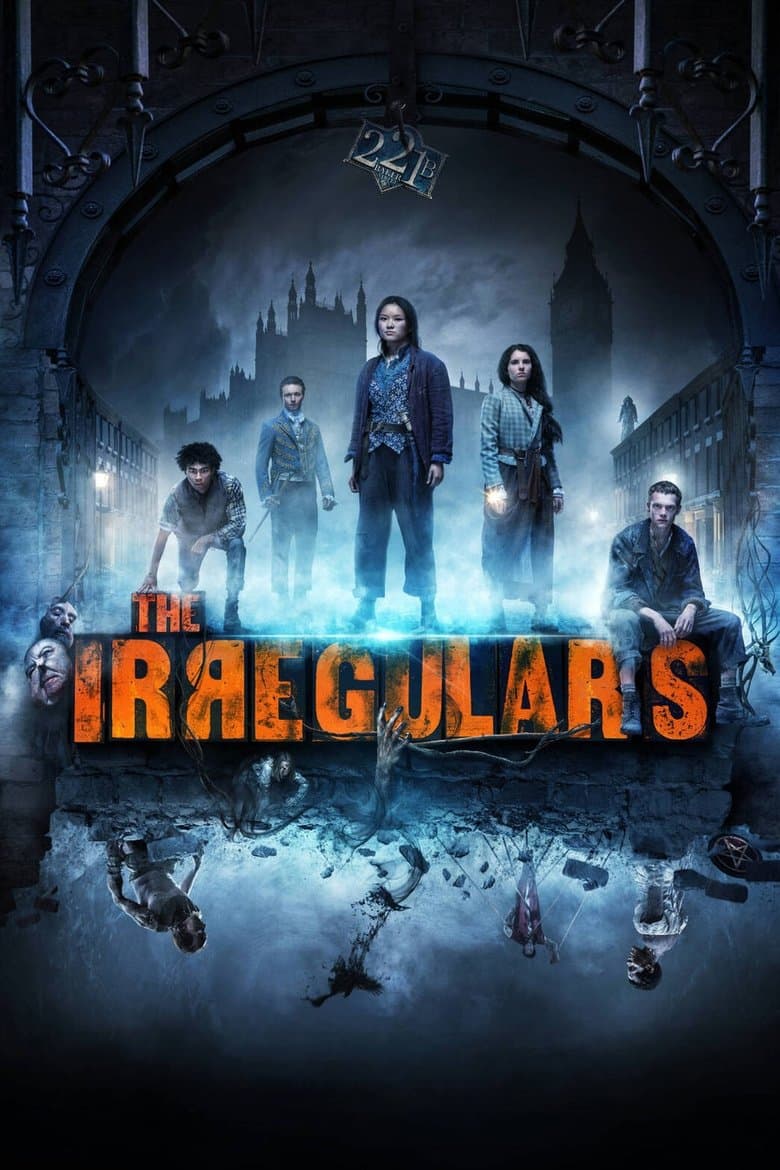
Started March 26, 2021 · Canceled · Based on 1 season, 8 episodes through March 26, 2021 · TV-14 · 53 min
The Irregulars follows Bea, a tough teenage girl who cares for her younger sister, Jessie, in a poor part of Victorian London. Bea leads a small group of street teens who accept money from the cold Doctor Watson to investigate strange crimes. The cases involve stolen babies, missing teeth, haunted minds, secret magic, and a tear between the living world and the dead. Sherlock Holmes is a broken drug user who has lost his old skill, so the teens must carry the danger while he and Watson hide their own past. The show mixes teen romance, family pain, mystery, dark horror, and jokes.
The show's most visible woke elements are its diverse gang, its female-led core, and its repeated choice to place poor young people above famous and wealthy men. Bea openly challenges male pride and social rank, while Jessie becomes the key person who can save the world. Watson is a black gay man whose unreturned love for Sherlock shapes the main history behind the supernatural disaster. The season also favors a chosen family over broken parents and old class rules, but these messages share space with monster cases and teen romance rather than taking over every episode.
Community feedback
Was our 62% Woke rating accurate?
Breakdown
These are the editorial factors and ratings behind our score for The Irregulars.
Woke representation / casting
The central gang includes an East Asian female leader, a black male member, two white teens, and a prince. Bea leads the group, and Watson and Spike are black in major roles. The cast mix is broad for Victorian London and is used throughout the setting without a story reason for the pattern. The choices create a clear audience-visible diversity signal.
44%
Woke political dialogue
Bea tells a royal servant that wealth does not make him better than her. Bea later asks Watson why men see their own greatness but miss a woman's talent. A gang member compares dislike of rich people to racism. These lines make class and gender politics visible, but they appear in a few scenes rather than driving every case.
32%
Identity-driven story themes
The show centers two poor sisters who lead a group of outsiders. Bea challenges male pride, while Jessie becomes the key person who can save the world. Watson's love for Sherlock makes a gay relationship part of the season's main backstory. The season favors a chosen family over broken parents and old class rules, but supernatural cases remain the main focus.
44%
Western institutional / cultural critique
The gang repeatedly places poor teenagers above rich adults and royal figures. Watson and Sherlock are selfish, manipulative, or too broken to solve the danger. Bea directly attacks male pride and social rank. The story treats the workhouse, old family structures, and elite society as places that fail or trap young people.
39%
Woke character or canon changes
Doyle's Baker Street Irregulars were male street boys who helped Holmes. The series turns them into a mixed gang led by Bea and Jessie, making the sisters the main heroes. The show also gives Watson a black identity and a romantic love for Sherlock. These identity-based changes shape the whole season.
45%
Anti-woke backlash and complaints
The Irish Independent called the show “painfully woke” and attacked its diverse casting and female-led story. Reddit viewers complained that the cast and dialogue felt too modern for Victorian London. Other viewers praised the diverse cast and treated the fantasy setting as a reason not to expect strict history. The backlash was visible but limited and mixed.
35%
Creator track record context
Tom Bidwell's cached work includes teenage stories about sexuality and a gay supporting character. Greg Brenman's cached work includes colonialism, gender nonconformity, and mental health themes. Weronika Tofilska and Jude Liknaitzky have some women-centered work but no clear activist record. Rebecca Hodgson has no strong woke signal in the cached context.
20%
Production
TV Show · 2016
Detective Raimy Sullivan is stunned when a voice suddenly crackles through her father’s old, long-broken ham radio – it’s Frank Sullivan, somehow transmitting over the airwaves…
TV Show · 2018
After landing from a turbulent but routine flight, the crew and passengers of Montego Air Flight 828 discover five years have passed in what seemed like a few hours.
TV Show · 2020
Korean emperor Lee Gon tries to close the doors to a parallel world which was opened by demons; a detective tries to protect the people and the one she loves.
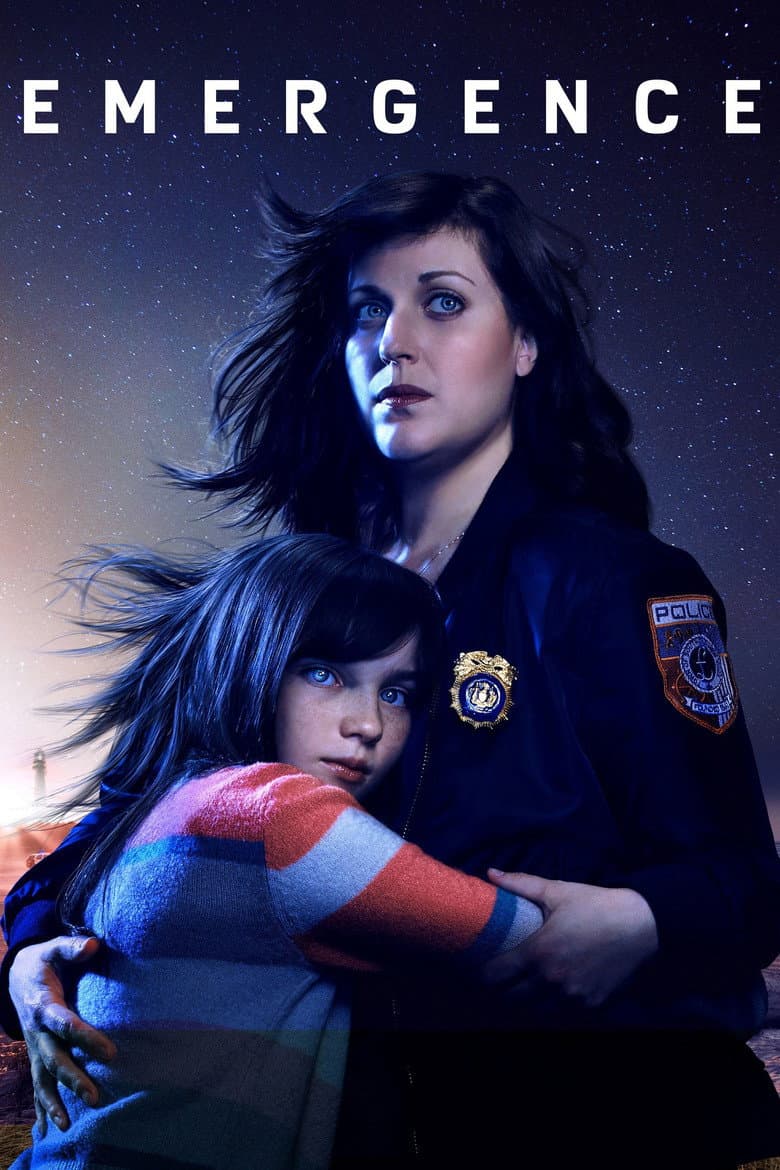
TV Show · 2019
A police chief takes in a young child she finds near the site of a mysterious accident who has no memory of what has happened.
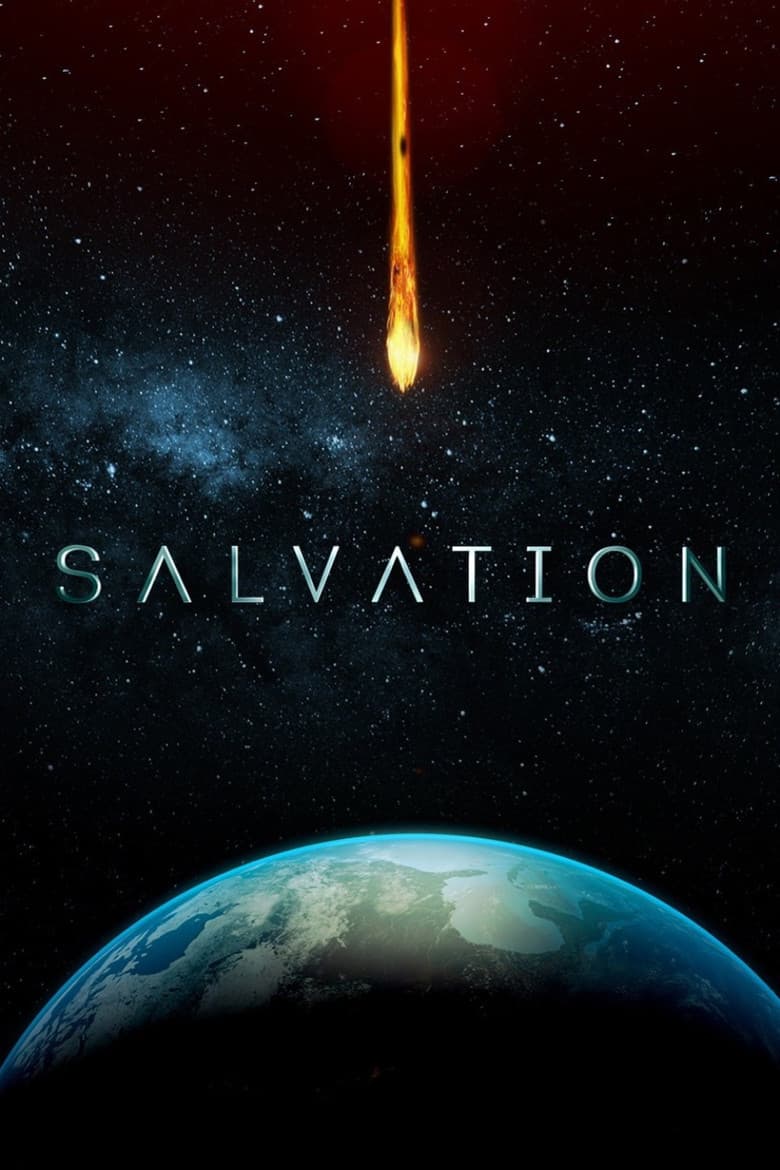
TV Show · 2017
An MIT grad student and a tech superstar bring a low-level Pentagon official a staggering discovery that an asteroid is just six months away from colliding with Earth.
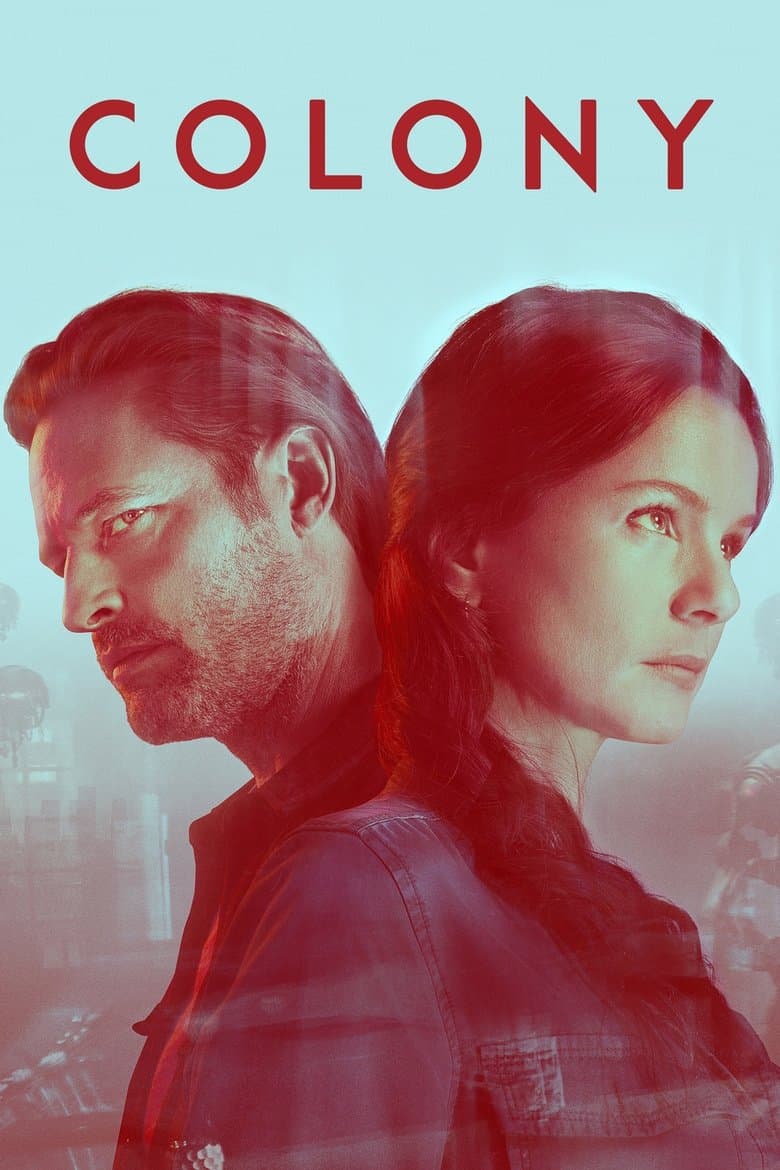
TV Show · 2016
In the near future a family must make difficult decisions as they balance staying together with trying to survive.
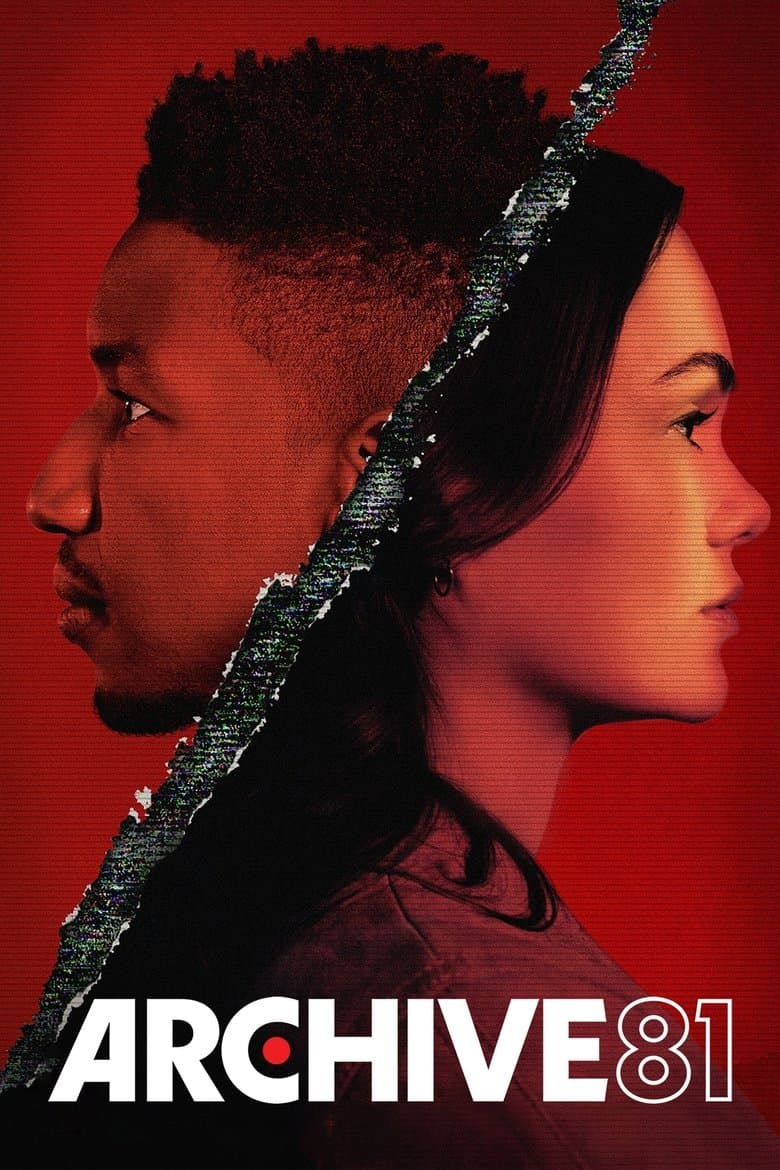
TV Show · 2022
An archivist takes a job restoring damaged videotapes and gets pulled into the vortex of a mystery involving the missing director and a demonic cult.
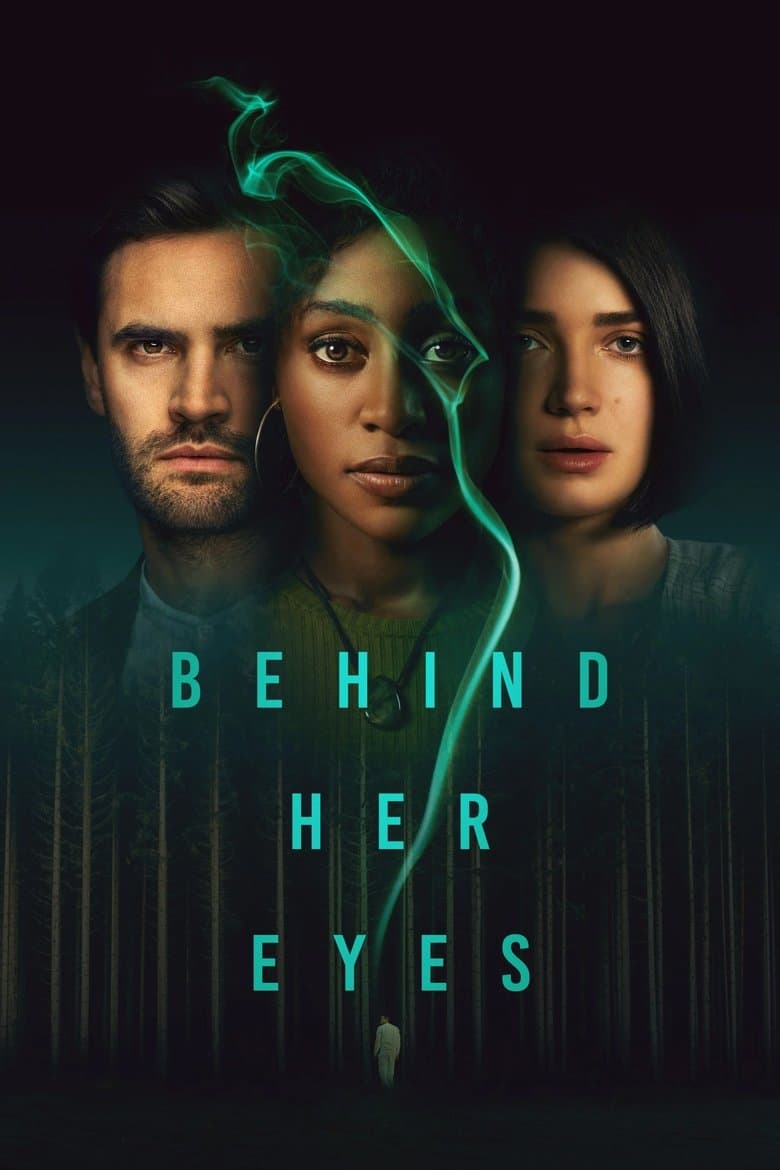
TV Show · 2021
A single mother enters a world of twisted mind games when she begins an affair with her psychiatrist boss while secretly befriending his mysterious wife.
