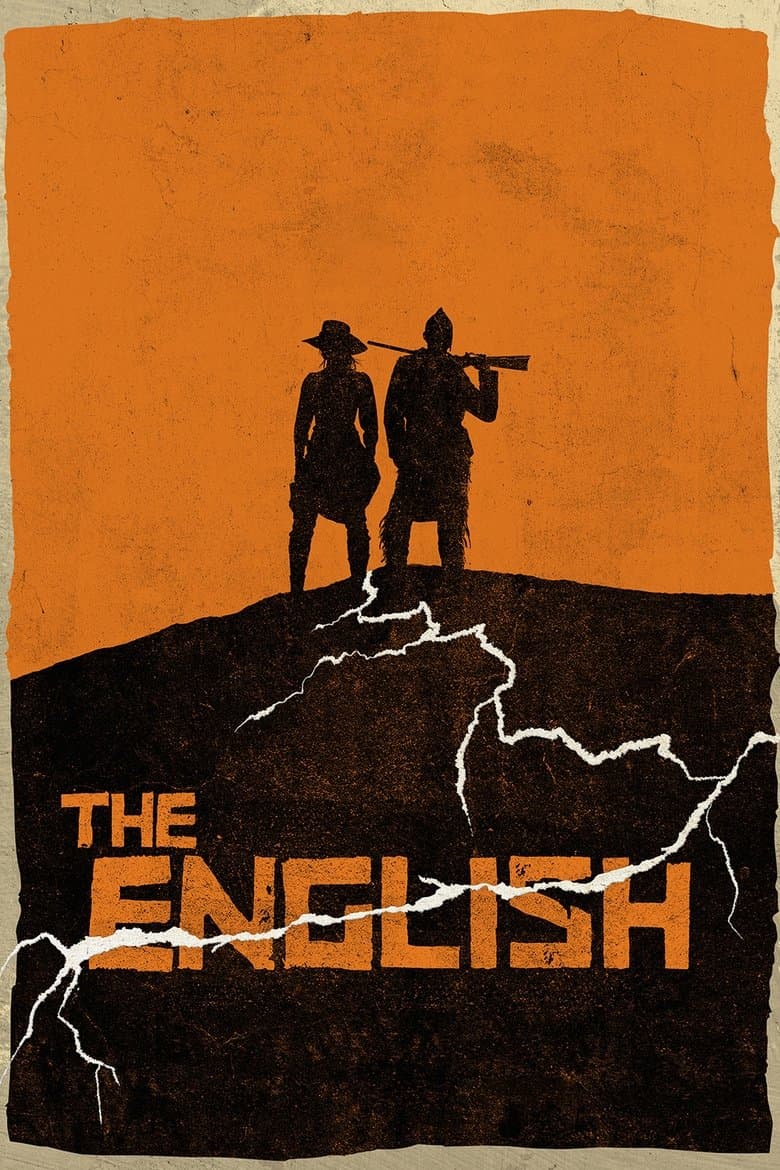
Started November 10, 2022 · Ended · Based on 1 season, 6 episodes through December 15, 2022 · TV-MA · 49 min
The English follows Lady Cornelia Locke, an English noblewoman who rides into the American West in 1890 to kill the man she blames for her son’s death. She joins Eli Whipp, a Pawnee former Army scout who wants to claim land promised to him after his service. Their journey crosses violent towns, cattle camps, soldiers, killers, and families damaged by the fight for land. The show is a grim, bloody, slow-burning Western about revenge, love, grief, and survival.
The show makes the removal of native people from their land a major part of the story. Eli’s land claim, the Chalk River massacre, and White Moon’s forced schooling show settlers, soldiers, and wealthy cattlemen using power against native communities. The show repeats speeches about racist ideas, Manifest Destiny, land theft, and making native people become more American. Cornelia’s fight against a male killer and the bond between an English woman and a native man add strong identity and gender themes, but the story remains centered on historical violence and personal revenge.
Community feedback
Was our 56% Woke rating accurate?
Breakdown
These are the editorial factors and ratings behind our score for The English.
Woke representation / casting
Not present. Eli is a Pawnee man, and the story explains his background, Army service, and land claim. Cornelia is an Englishwoman, and the main identity choices fit the story’s time and place.
0%
Woke political dialogue
The dialogue repeatedly names land theft, racist treatment, Manifest Destiny, and the killing of native people. Eli calls settlers “land-grabbing locusts,” and soldiers deny him fair treatment because of his skin color. The story presents these ideas as cruel and destructive. The speeches remain tied to nineteenth-century events rather than becoming a steady stream of present-day political talk.
43%
Identity-driven story themes
The plot makes native identity, land loss, and racial power central to the season. Eli’s land claim, the Chalk River massacre, and White Moon’s forced schooling show how settlers and soldiers damage native lives. The show gives native characters their own goals, conflicts, and choices. Cornelia and Eli’s bond also joins an English woman to a native hero while the story condemns westward expansion.
55%
Western institutional / cultural critique
The Army denies Eli promised land and fair treatment, while settlers and cattle interests take control of the region. The story ties rank, wealth, and male violence to harm against native people, women, and poor families. The sheriff must hide the truth to prevent more violence, which shows the law as weak and compromised. The criticism is mostly historical rather than a direct attack on modern family life or Christianity.
40%
Woke character or canon changes
Not relevant. The English is an original limited series. It uses fictional characters and events rather than changing an established franchise or real named figure.
0%
Anti-woke backlash and complaints
A few small right-leaning X accounts called the show non-woke or minimally woke. Those posts did not accuse it of DEI, girlboss, race-swapping, anti-male, or LGBT messaging. No organized boycott or review-bombing push was found, so the backlash signal is fringe.
8%
Creator track record context
Hugo Blick has a strong record of dramas about colonialism, racism, and Western political power. Those interests appear directly here through the Native land story and attacks on Manifest Destiny. Emily Blunt and the other listed creators do not add the same level of activist context. The creator history raises this factor, but the show’s own themes remain the stronger evidence.
52%
Production
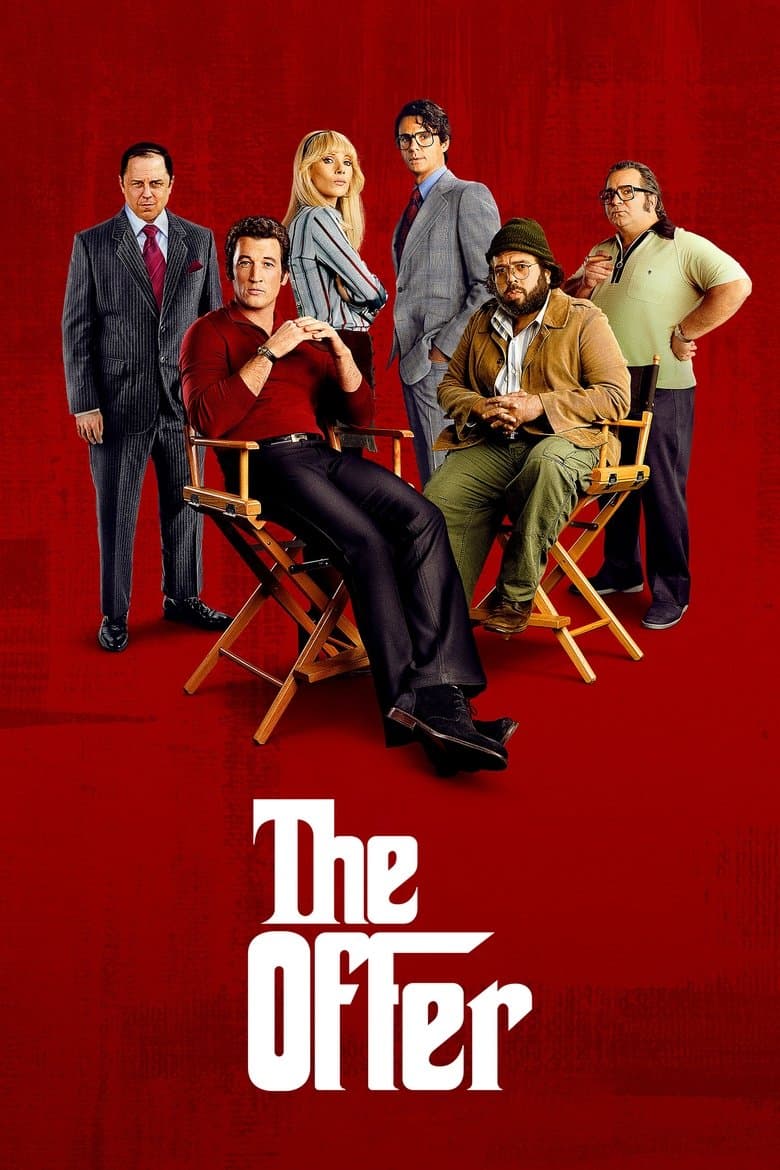
TV Show · 2022
Oscar-winning producer Al Ruddy’s never before revealed experiences of making the iconic 1972 film The Godfather that Francis Ford Coppola directed and adapted with Mario Puzo.
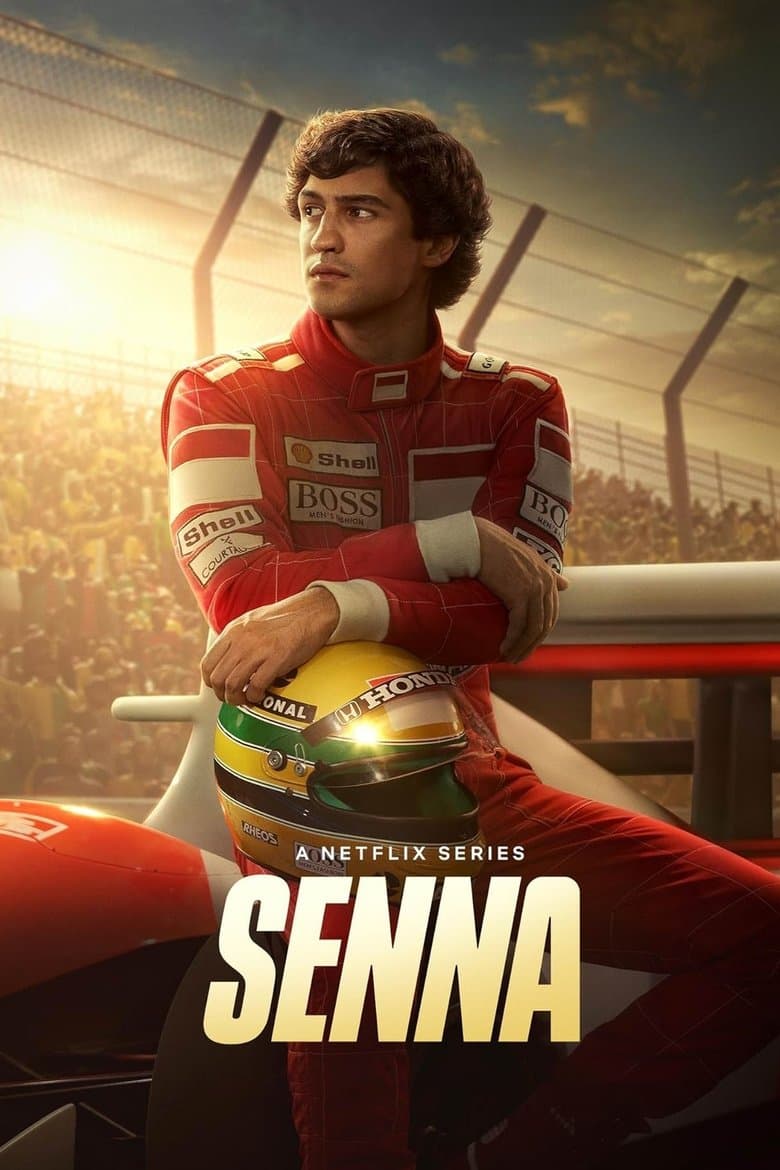
TV Show · 2024
Fascinated by cars since childhood, Brazilian racer Ayrton Senna became a sports legend — until tragedy struck, changing Formula 1 forever.
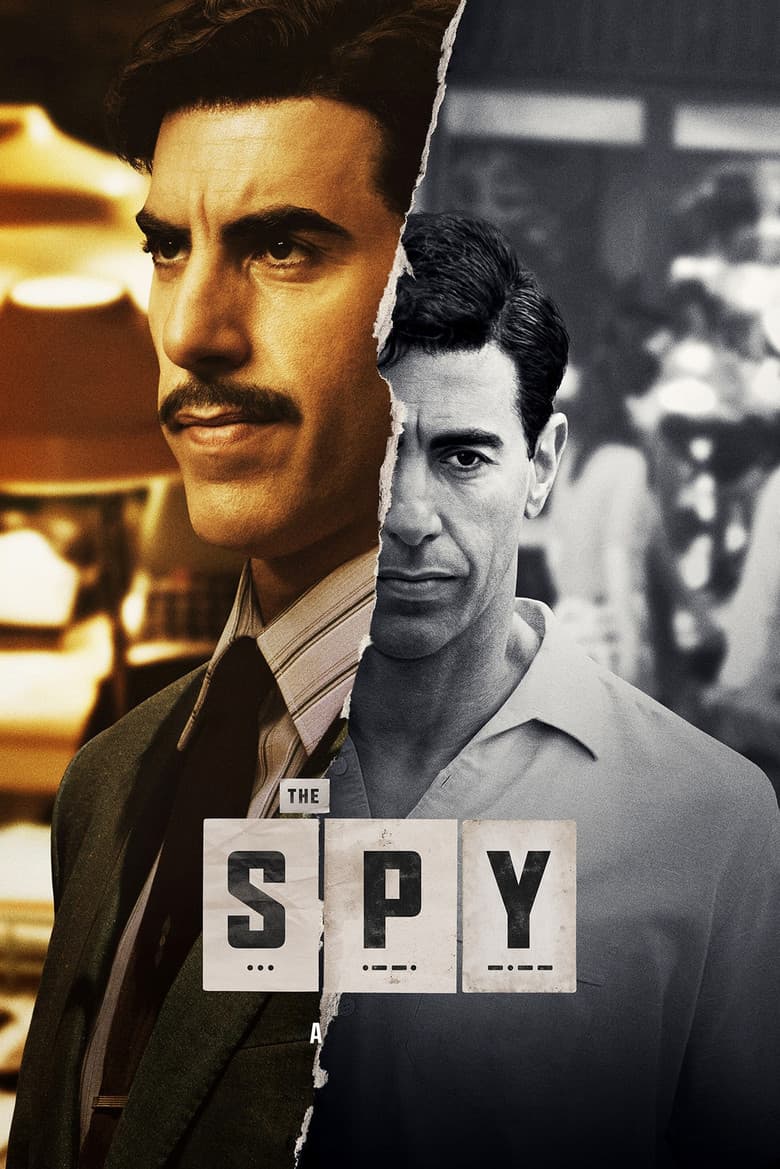
TV Show · 2019
In the 1960s, Israeli clerk-turned-secret agent Eli Cohen goes deep undercover inside Syria on a perilous, years-long mission to spy for Mossad.
TV Show · 2022
This sweeping saga chronicles the hopes and dreams of a Korean immigrant family across four generations as they leave their homeland in an indomitable quest to survive and thrive.
TV Show · 2020
A wary CIA officer investigates a charismatic man who sparks a spiritual movement and stirs political unrest. Who exactly is he? And what does he want?
TV Show · 2019
In the early 1990s in New York, during the height of the crack cocaine epidemic, a visionary musician named Bobby Diggs aka The RZA begins to form a super group of a dozen young…
TV Show · 2026
The Clyburns uproot their comfortable New York City lives to the wild, untamed beauty of Montana's Madison River Valley on a search for connection.
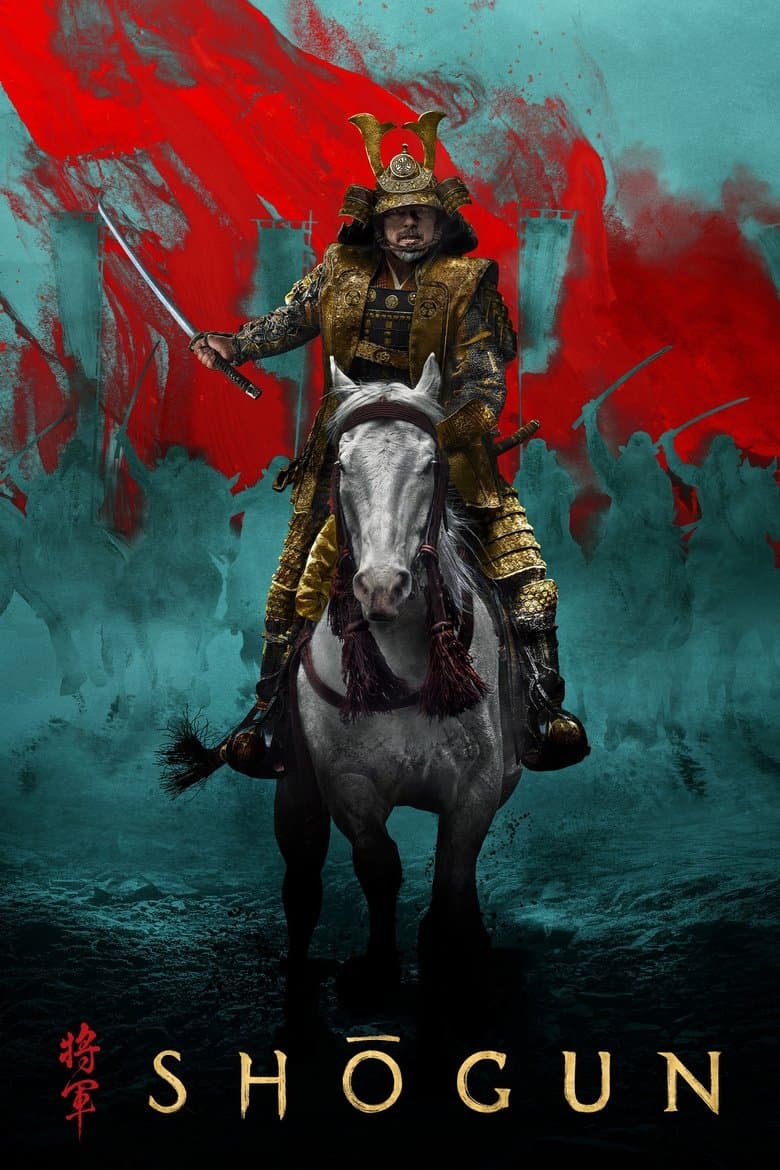
TV Show · 2024
In Japan in the year 1600, at the dawn of a century-defining civil war, Lord Yoshii Toranaga is fighting for his life as his enemies on the Council of Regents unite against him…
